
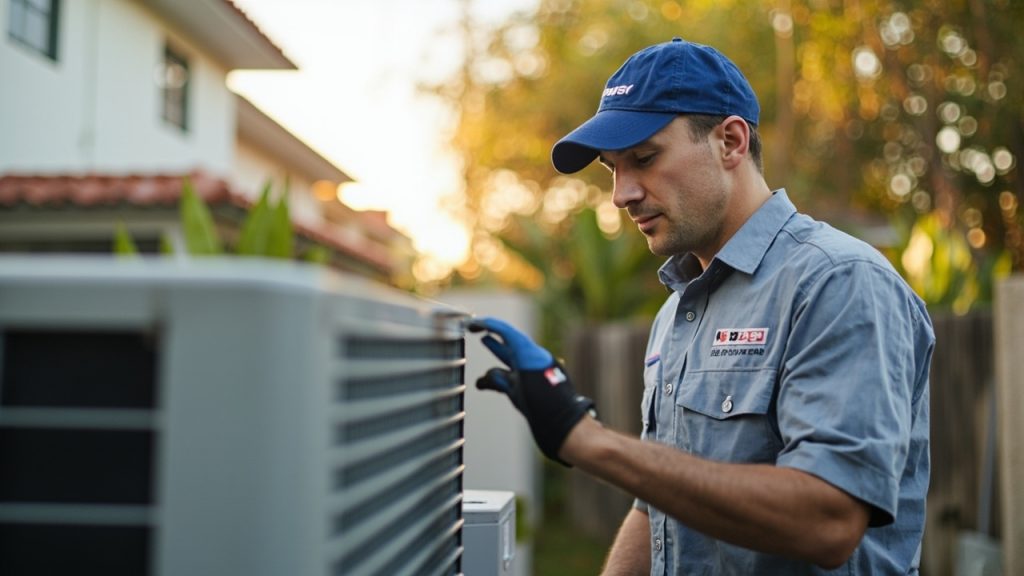
24/7 Emergency AC Repair in Miami Florida
Miami summers in 2026 have pushed cooling systems to their absolute limits. When the temperature outside hits 98 degrees and the humidity feels like a physical weight, a broken air conditioner is more than an inconvenience. It is a safety risk for your family and your pets. High indoor temperatures can lead to heat exhaustion or heat stroke very quickly in our tropical climate. If your system stops blowing cold air or shuts down completely, you need to act fast to protect your home and restore comfort. Knowing the right steps can save you hours of sweating and prevent further damage to your expensive HVAC equipment.
Immediate action starts with a quick assessment. You do not need to be a technician to check the basics. Many emergency calls in Miami-Dade County stem from simple issues that homeowners can resolve in minutes. However, if the problem involves electrical components or refrigerant, you must contact a professional for 24/7 emergency AC repair immediately. Procrastinating during a heatwave allows indoor humidity to spike, which encourages rapid mold growth in South Florida homes. Once mold takes hold in your drywall or vents, the repair costs increase significantly.
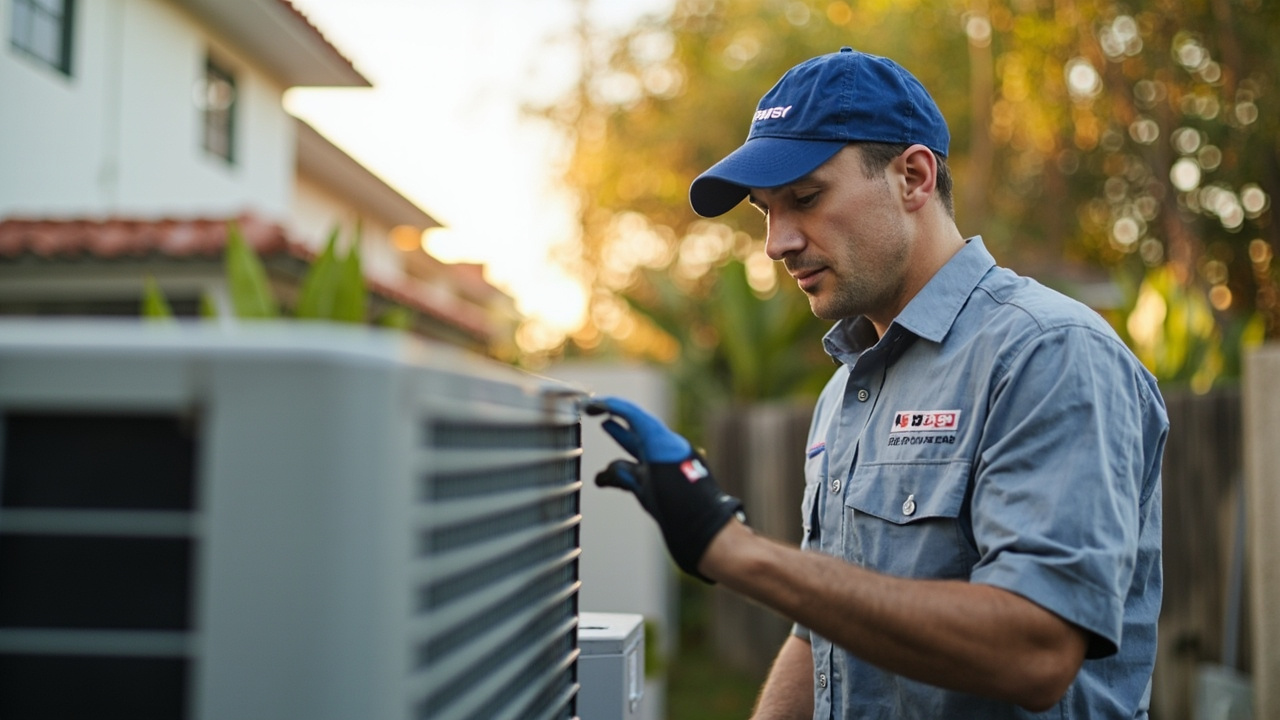
Immediate Troubleshooting Steps for Miami Homeowners
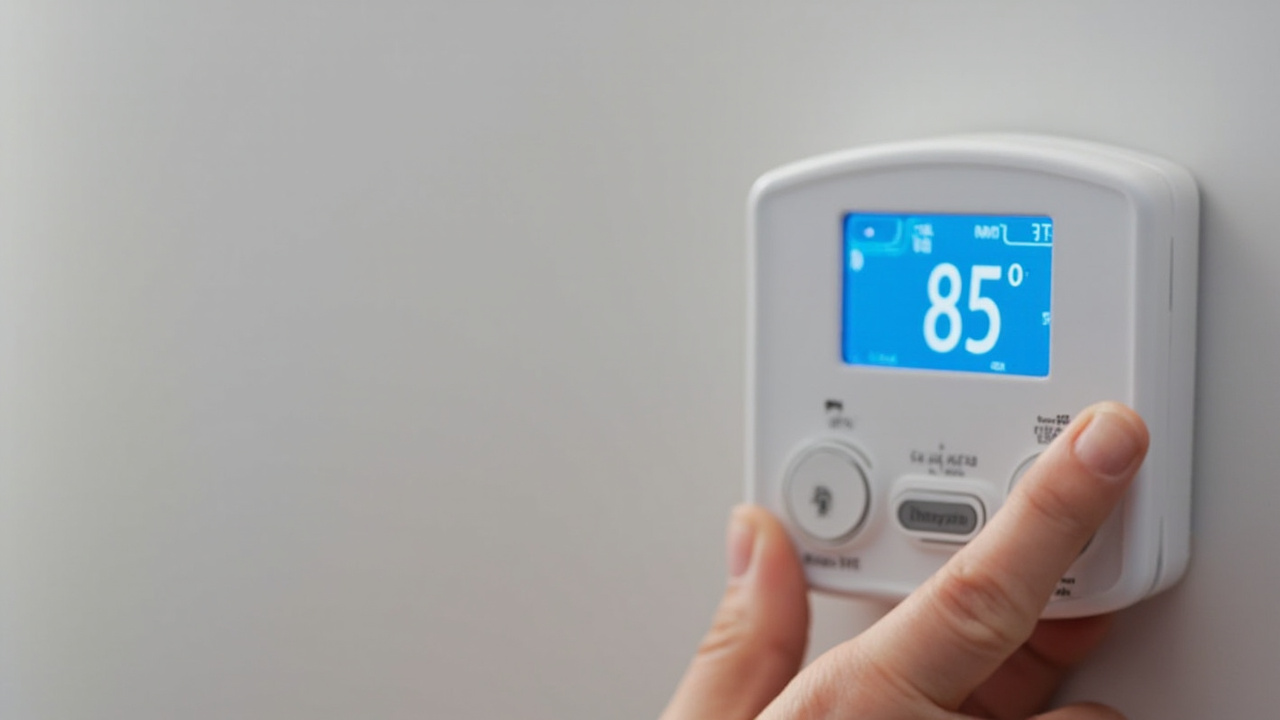
Before you panic, verify that the problem is not a simple power issue. Check your thermostat screen first. If the screen is blank, you might just need new batteries. You can learn more about this specific issue at our page regarding a thermostat blank screen. If the thermostat has power but the system remains silent, move to your electrical panel. Miami heatwaves cause the power grid to fluctuate, which can trip the circuit breaker for your outdoor condenser or your indoor air handler. Flip the breaker off and back on one time to see if the system restarts.
Next, check your air filter. A clogged filter is the primary cause of airflow restrictions that lead to an iced up evaporator coil. When air cannot pass through the filter, the refrigerant inside the coil drops below freezing temperatures. This causes condensation to turn into ice, eventually blocking all airflow. If you see ice on the copper lines leading to your outdoor unit, turn the system off immediately and set the fan to the on position. This allows the ice to melt while you wait for a technician to arrive. For more detailed help, review our guide on troubleshooting AC issues.
Identifying Signs of Serious HVAC Failure
Some problems require an immediate shutdown to prevent a total system replacement. If you hear loud grinding, shrieking, or banging noises, turn the power off at the source. These sounds often indicate a failing blower motor or a compressor failure repair situation. Continuing to run the unit while it makes these noises can cause metal shavings to enter the refrigerant lines, which ruins the entire system. In 2026, the cost of parts and high-efficiency refrigerants makes it vital to catch these issues before they escalate.
Smell is another critical diagnostic tool. If you notice a burning electrical odor, it usually points to a fried capacitor or a short circuit in the wiring. Miami humidity and salt air contribute to wire corrosion, especially in coastal areas like Miami Beach or Sunny Isles Beach. If the air coming from your vents smells musty or sour, you likely have a drainage issue or biological growth inside the air handler. You can find more information about weird smells from vents on our dedicated resource page.
Emergency AC Service Performance Metrics
We track local service data to ensure our response times meet the needs of residents in Doral, Coral Gables, and Miami Lakes. The following table shows expected response windows during peak 2026 heatwave conditions.
| Neighborhood | Priority Level | Typical Response Time | Common Issue |
|---|---|---|---|
| Brickell and Downtown | Critical | 45 to 90 Minutes | High-Rise Ventilation Issues |
| Coral Gables | High | 60 to 120 Minutes | Historic Home Drainage Failure |
| Doral | High | 60 to 90 Minutes | Commercial and Multi-Family HVAC |
| Miami Lakes | Standard | 2 to 4 Hours | Residential Capacitor Failure |
| Homestead | Standard | 3 to 5 Hours | Dust and Coil Blockage |
How Miami Weather Impacts Your Cooling System
The climate in South Florida is uniquely hostile to mechanical equipment. High salt content in the air near Biscayne Bay accelerates the oxidation of aluminum fins on your outdoor condenser. This oxidation reduces the ability of the unit to shed heat, forcing the compressor to work harder and consume more electricity. This often leads to high energy bills during the peak summer months. We frequently see systems in Aventura and Cutler Bay that fail prematurely due to this coastal corrosion.
Humidity is the second major factor. An air conditioner is designed to remove moisture as much as it is designed to lower the temperature. In 2026, many Miami homes are struggling with humidity issues indoors because their systems are either sized incorrectly or the condensate drains are clogged. A clogged drain line will trigger a float switch that shuts down the entire system to prevent water damage. If your unit is sitting in a tray full of water, you need AC unit leaking water service to clear the blockage and reset the safety sensors.
Managing Indoor Temperatures During a Cooling Emergency
While you wait for rapid response cooling, you must take steps to keep your home from turning into an oven. Close all blinds, curtains, and shutters to block out the intense Florida sun. Even a small amount of sunlight can raise the indoor temperature by several degrees per hour. Avoid using the oven, stove, or dryer, as these appliances generate significant internal heat. Portable fans can help keep you comfortable by moving air across your skin, but remember that fans cool people, not rooms. They do nothing to lower the actual temperature of the air.
According to the Centers for Disease Control and Prevention, staying hydrated is the most important thing you can do during a heat emergency. Drink plenty of water and avoid sugary or caffeinated beverages. If the indoor temperature exceeds 90 degrees and you have vulnerable family members, consider moving to a public cooling center or a local library until the repair is complete. Miami-Dade County often opens emergency cooling sites during extreme weather events in 2026. You can monitor local weather alerts and safety tips through the Florida Division of Emergency Management.
Common Mechanical Failures During Heatwaves
Heatwaves create a compounding effect on HVAC components. As the outdoor temperature rises, the pressure within the refrigerant lines increases. This puts immense strain on the compressor valves and the fan motor. We see a spike in AC blowing warm air urgent calls when these components finally give out under the pressure. In many cases, the system was already struggling, and the heatwave was simply the breaking point. This is why regular HVAC maintenance and tune-ups are so vital before the summer season begins.
Another frequent issue is the failure of the start capacitor. This small component acts like a battery to give the motor the jolt of energy it needs to start spinning. High heat causes these capacitors to swell and leak their internal fluids. If you hear a humming sound from your outdoor unit but the fan is not spinning, you likely have a dead capacitor. This is a standard repair, but it must be handled by a professional to ensure the correct voltage and microfarad rating are used for your specific model.
HVAC Component Urgency and Repair Estimates
Understanding the severity of different HVAC issues helps you prioritize your service call. The following data highlights the most common 2026 repair scenarios we encounter in the Miami metro area.
| Component Failure | Urgency Level | System Status | Repair Complexity |
|---|---|---|---|
| Blown Start Capacitor | High | Non-Functional | Low |
| Clogged Condensate Line | Medium | Shut Down by Safety | Low |
| Refrigerant Leak | Critical | Blowing Warm Air | High |
| Seized Fan Motor | High | Non-Functional | Medium |
| Compressor Burnout | Critical | Non-Functional | Very High |
Neighborhood Specific HVAC Challenges in Miami
Every part of Miami has its own set of environmental challenges that affect AC performance. In Coral Gables, the heavy tree canopy provides shade but also drops debris that can clog outdoor coils. Homeowners in Miami Gardens and Hialeah often deal with dust and pollutants that require more frequent filter replacement services. In the high-density areas of Brickell, systems often struggle with the heat sink effect of the surrounding concrete and glass buildings.
If you live in North Miami Beach or Palmetto Bay, your system might be exposed to higher levels of salt air. This leads to the deterioration of the evaporator coil inside the air handler. When the coil develops pinhole leaks, the refrigerant escapes, leading to a system that runs constantly without cooling the air. This is often the cause of weak airflow from vents. Replacing these coils is a common task for our team as we navigate the 2026 cooling season.
Preparing for Your Emergency Service Call
When you call for emergency assistance, have your information ready to speed up the process. Our dispatchers will need to know the brand of your system and the approximate age of the unit. If you have been keeping up with regular service, having your maintenance records handy can help the technician diagnose the problem faster. Clear a path to both the indoor air handler and the outdoor condenser so the technician can work efficiently. If you have pets, secure them in a room with a portable cooling option or a fan while the work is being performed.
We serve a wide range of locations across the county, including residents looking for HVAC North Miami and HVAC Hialeah Gardens. Our trucks are fully stocked with the most common 2026 parts, including the latest A2L refrigerant supplies and high-efficiency motors. This allows us to complete most repairs on the first visit, getting your home back to a safe temperature as quickly as possible.
Preventing Future Heatwave Breakdowns
The best way to handle an AC failure is to prevent it from happening in the first place. As we move through 2026, the demand on the power grid and your cooling equipment will only increase. Consider upgrading to a system with benefits of inverter technology. These systems can modulate their speed, providing consistent cooling without the constant on and off cycling that wears out traditional compressors. They are also much better at managing the extreme humidity of the South Florida climate.
Check the following items monthly to keep your system running smoothly.
- Change your air filters every 30 days during the summer.
- Pour a cup of vinegar down your condensate drain to prevent algae clogs.
- Keep the area around your outdoor unit clear of weeds and debris.
- Listen for any new or unusual noises during the startup cycle.
- Monitor your utility bills for any unexplained spikes in consumption.
If your system is more than a decade old and frequently requires repairs, it may be time to consult our repair vs replace AC guide. Modern units offer much higher SEER ratings explained in 2026 standards, which can save you thousands of dollars in energy costs over the life of the system. Investing in a reliable unit now ensures you won’t be left searching for emergency help during the next record breaking heatwave.
Do not suffer through another hour of heat. If your air conditioner has failed, contact us immediately for fast and reliable service. Our team of local experts is ready to restore your comfort and protect your home from the brutal Miami summer. Whether you are in Doral or Sweetwater, we have a technician nearby who can help you right now.