


Coral Gables sits in the heart of Miami-Dade County where air conditioning isn't optional. The subtropical climate creates year-round demands on cooling systems that run nearly constantly from March through November. High humidity levels push indoor moisture beyond comfortable ranges, forcing HVAC equipment to work harder than systems in drier regions.
Salt air from Biscayne Bay corrodes outdoor condensing units and refrigerant lines faster than inland locations experience. Mediterranean Revival architecture throughout neighborhoods like Coral Gables Section creates unique ductwork challenges in homes with tile roofs and thick stucco walls. Air handlers hidden in tight attic spaces face extreme heat that degrades components and reduces system lifespan.
The city's strict building codes require specific permits for HVAC installations and replacements. Older homes near the Granada Golf Course and along Coral Way often need electrical panel upgrades before installing modern high-efficiency systems. Hurricane preparedness adds another layer of complexity. Systems must withstand storm conditions while maintaining seal integrity to prevent water intrusion during heavy rains that accompany summer thunderstorms.
We built our reputation responding to emergency calls when other companies put customers on waiting lists. Every technician on our team trained specifically on the HVAC challenges that affect Coral Gables homes. We stock parts for the major brands installed throughout Miami-Dade County, which means fewer delays waiting for special orders.
Our dispatch system prioritizes calls based on urgency and location. We don't make you wait three days when your air conditioner fails during a heat wave. Most emergency calls get same-day response, and we provide accurate arrival windows so you can plan your day. We respect your time and your property.
Transparent pricing sets us apart from competitors who surprise customers with hidden fees. Before we start any repair work, you receive a clear quote that explains what failed, why it failed, and what we need to do to fix it. No diagnostic fees that disappear into inflated repair costs. No pressure tactics to replace systems that just need simple repairs.
We maintain relationships with local suppliers, which gives us access to parts that other companies have to order from distant warehouses. When a capacitor fails or a contactor burns out, we typically have the replacement on our truck. For larger components, we can usually source parts within hours instead of days. This speed matters when your family is suffering in Florida heat.
Our technicians live and work in the greater Miami area. They understand the specific problems that affect homes in Coral Gables, from salt air corrosion near the water to the ductwork complications in historic Mediterranean homes.

Your air conditioner doesn't break on your schedule. We dispatch technicians for emergency calls within hours, not days. Most Coral Gables customers get same-day service when they call before noon. We arrive prepared with diagnostic equipment and common repair parts to restore cooling fast without multiple trips.

We stock parts for major residential HVAC brands installed throughout Miami-Dade County. Our service vehicles carry capacitors, contactors, thermostats, and other components that commonly fail. This preparation eliminates delays while waiting for special orders. You get faster repairs because we plan ahead.
You receive clear quotes before work begins. We explain what failed, why it happened, and what repairs will cost to fix it. No surprise charges appear on your final bill. No pressure to replace equipment that just needs simple repairs. You make informed decisions with complete information.
Our technicians work exclusively in Miami-Dade County and understand problems specific to Coral Gables homes. We know how salt air affects outdoor units, how Mediterranean architecture complicates ductwork, and which systems perform best in subtropical humidity. This local expertise leads to better solutions.
Your heating and cooling system represents a major investment in home comfort and safety. We provide the full range of services to keep that system running efficiently through Florida's demanding climate. From emergency breakdowns to planned maintenance, our technicians handle every aspect of residential HVAC care.
Air conditioning repair covers everything from simple component replacements to complex refrigerant leak diagnosis. Central air repair addresses the whole system including ductwork, air handlers, and outdoor condensing units. When repairs no longer make financial sense, we handle complete system replacements that meet current efficiency standards and local building codes.
Regular AC service prevents many emergency breakdowns before they happen. Maintenance visits catch small problems while they're still easy and inexpensive to fix. We also provide indoor air quality solutions for customers dealing with humidity control issues, ventilation problems, or filtration upgrades. Every service category focuses on the same goal: keeping your Coral Gables home comfortable year-round.
When your air conditioner stops working, you need help immediately. We dispatch technicians for emergency calls across Coral Gables with same-day response for most situations. Our service vehicles carry diagnostic tools and common replacement parts to fix failures during the first visit. We repair compressor issues, refrigerant leaks, electrical failures, and blower motor problems that leave homes without cooling.
Old systems eventually reach the point where repairs no longer make sense. We install high-efficiency air conditioning systems sized correctly for South Florida climate demands. Our installation process includes load calculations, ductwork inspection, electrical verification, and permit coordination. Every new system installation meets Miami-Dade County building codes and includes manufacturer warranties on equipment and parts.
Scheduled maintenance catches problems before they cause system failures. Our AC service includes coil cleaning, refrigerant level checks, electrical connection inspection, condensate drain clearing, and filter replacement. Regular maintenance improves efficiency, reduces energy costs, and extends equipment lifespan. We recommend service twice yearly for systems that run constantly in subtropical heat and humidity.
South Florida's climate creates specific challenges that wear down air conditioning systems faster than moderate climates. Understanding these common problems helps homeowners recognize warning signs before minor issues become expensive emergencies. Salt air from coastal proximity, constant humidity, extreme heat, and powerful storms all take their toll on HVAC equipment.
Older neighborhoods near the University of Miami and along Ponce de Leon Boulevard contain homes where original systems have exceeded their expected lifespan. Even newer installations face accelerated wear from environmental factors unique to this region. The problems below affect thousands of Coral Gables residents every cooling season. Recognizing these issues early saves money and prevents the discomfort of complete system failure during peak summer heat.
Salt air corrodes copper refrigerant lines and aluminum coil fins faster in coastal areas. Small leaks reduce cooling capacity and force compressors to work harder. Systems low on refrigerant struggle to maintain temperature and drive up electric bills. We locate leaks, repair damaged lines, and recharge systems to proper levels.
Air handlers remove gallons of moisture from indoor air every day. Condensate drains clog with algae growth in humid conditions, causing water to back up and overflow. Water damage to ceilings and walls costs thousands to repair. We clear blocked drains and install prevention treatments to keep lines flowing freely.
Extreme heat in outdoor condensing units degrades electrical components quickly. Failed capacitors prevent compressors and fan motors from starting. Burned contactors stop sending power to cooling equipment. These common failures leave systems completely non-functional. We stock replacement parts to restore operation during the first service visit.
Attic ductwork develops leaks at joints and connections over time. Cool air escapes into unconditioned spaces before reaching living areas. Poor insulation allows heat to transfer into air streams. Both problems waste energy and reduce comfort. We seal leaks and add insulation to improve system performance.
Emergency HVAC calls create stress. Your home is uncomfortable, you're worried about costs, and you need help fast. We designed our service process to eliminate confusion and deliver solutions quickly. From your first phone call through final testing, you'll know exactly what's happening and why.
Our dispatch team answers calls promptly and asks questions to understand your situation. We provide realistic arrival windows and call ahead when the technician is on the way. During the service visit, the technician explains problems in plain language and presents clear options. You make decisions with complete information, never pressure tactics. After repairs are complete, we test system operation thoroughly to confirm proper function before we leave your property.
When you call our dispatch center, you talk to someone who understands HVAC problems. We ask specific questions about what's happening with your system to help prioritize your call appropriately. You receive an estimated arrival window based on current service volume and your location in Coral Gables. We call ahead when the technician is nearby so you're not left waiting and wondering.
The technician diagnoses your system and explains what failed in terms you can understand. You receive a written quote that details the repair work and parts needed. We present options when multiple solutions exist. No surprise charges appear on your final bill. You approve all work before we start repairs. This transparency helps you make smart decisions about your HVAC investment.
After completing repairs, we run your system through full operation cycles to confirm proper function. We check refrigerant pressures, measure airflow, verify electrical connections, and test safety controls. You see the system working correctly before the technician leaves your property. We also explain what we did and answer any questions about system operation or future maintenance needs.
We simplified HVAC service into three clear phases. This process works for emergency repairs and planned maintenance alike, giving you consistent service every time.
The technician arrives with diagnostic equipment and inspects your entire system. We test electrical components, measure refrigerant pressures, check airflow, and examine all system parts for wear or damage. This thorough assessment identifies the root cause of problems instead of just treating symptoms. You receive a clear explanation of what failed and why it happened.
After you approve the quoted work, we complete repairs using quality parts and proper techniques. Our technicians follow manufacturer specifications and industry best practices for every installation. We work efficiently to restore your comfort quickly while maintaining high standards. Complex repairs that require specialty parts may need a follow-up visit, which we schedule immediately.
We never assume repairs worked correctly. The technician runs complete system tests to verify proper operation, adequate cooling capacity, correct refrigerant charge, and safe electrical function. We measure supply air temperature, check for unusual sounds, and confirm thermostat operation. You see the system working properly before we consider the job complete.
Professional HVAC service requires more than mechanical skills. Technicians must understand building codes, refrigerant handling regulations, electrical standards, and local permitting requirements that govern all work in Miami-Dade County. These rules exist to protect homeowners and ensure systems operate safely and efficiently.
Florida Building Code mandates specific requirements for HVAC installations including minimum efficiency ratings, duct insulation values, and proper equipment sizing based on Manual J load calculations. The Florida High Velocity Hurricane Zone designation affects equipment installation near the coast, requiring enhanced anchoring and protection for outdoor units.
EPA Section 608 certification governs all refrigerant handling. Technicians must hold valid certification to purchase, recover, or charge systems with any refrigerant type. Proper recovery prevents environmental damage and ensures compliance with federal law. Miami-Dade County requires permits for system replacements and significant repairs. Inspections verify that new installations meet current code requirements for electrical connections, condensate drainage, duct sealing, and equipment support.
The Air Conditioning Contractors of America publishes technical standards that define proper installation and service procedures. These include specific requirements for brazing copper lines, evacuating systems before charging, testing for leaks, and verifying correct refrigerant charge. Professional technicians follow these standards even when local code doesn't specifically mandate them because proper procedure ensures reliable operation and prevents callbacks.
National Electric Code requirements govern all electrical connections for HVAC equipment. Proper wire sizing, disconnect switch installation, overcurrent protection, and grounding procedures prevent electrical hazards. High-efficiency systems often require dedicated electrical circuits and may need panel upgrades in older homes.
Miami-Dade County requires permits for air conditioner replacements and major repairs. Building inspectors verify that installations meet Florida Building Code for equipment sizing, electrical connections, refrigerant line installation, and condensate drainage. Permits protect homeowners by ensuring work meets minimum safety and performance standards. Unpermitted work can create problems when selling property.
Proper HVAC sizing requires Manual J load calculations that account for home square footage, insulation levels, window area, and occupancy patterns. Oversized systems waste energy and provide poor humidity control. Undersized equipment runs constantly and fails prematurely. Equipment efficiency ratings, installation complexity, and necessary electrical upgrades all affect total project costs for system replacements.
Residential air conditioning systems typically last 12 to 15 years in South Florida's demanding climate. Regular maintenance extends equipment life and prevents many emergency breakdowns. Annual service should include coil cleaning, refrigerant verification, electrical inspection, and condensate drain clearing. Systems that receive proper maintenance deliver better performance and lower operating costs throughout their service life.
Federal law requires EPA Section 608 certification for all refrigerant handling. Technicians must properly recover refrigerant from failed systems before disposal. Adding refrigerant without repairing leaks violates environmental regulations and wastes money. Modern systems use R-410A refrigerant, while older equipment contains R-22 which is being phased out. Only certified technicians can legally purchase and handle these materials.
This video explains common HVAC problems affecting homes in Coral Gables, Florida. Learn about refrigerant leaks caused by salt air corrosion, condensate drain clogs from high humidity, electrical component failures, and ductwork issues. The video covers warning signs of system failure, what to expect during emergency service calls, and how South Florida's subtropical climate creates unique challenges for air conditioning equipment. Practical information helps homeowners understand when to call for professional AC repair and maintenance.
Crestline HVAC Miami provides complete air conditioning service throughout Coral Gables and the greater Miami metro area. Our service territory covers every neighborhood from the Granada Golf Course area east to Biscayne Bay and from Bird Road south to Sunset Drive. We respond quickly to calls from the historic Coral Gables Section with its Mediterranean Revival homes, the University of Miami campus area, and the commercial district along Miracle Mile.
Different areas of Coral Gables present unique HVAC challenges. Homes near Biscayne Bay face accelerated salt air corrosion on outdoor condensing units and copper refrigerant lines. The historic neighborhoods around DeSoto Plaza and Venetian Pool contain older properties where original ductwork was designed for different climate control expectations. Many of these homes need system upgrades to handle modern cooling demands while respecting architectural preservation requirements.
The North Gables area features homes with varied construction styles and vintages. Newer construction often includes more efficient systems and better ductwork design, while properties from the 1960s and 1970s may still run original equipment that's exceeded expected service life. The Ponce-Davis neighborhood near the intersection of Ponce de Leon Boulevard and Sunset Drive contains both single-family homes and multi-unit buildings that each present different service requirements.
We also serve nearby communities including South Miami, Pinecrest, and Coconut Grove where residents face similar climate challenges and building characteristics. Our familiarity with the entire Miami-Dade County area means we understand regional variations in construction methods, common system types, and environmental factors that affect HVAC performance. Whether you live in a historic home near the Biltmore Hotel or a newer property in the Gables by the Sea area, our technicians arrive prepared to handle the specific challenges your system faces.
The $5000 rule is a guideline to decide between repair or replacement. Multiply your system's age by the repair cost. If the total exceeds $5000, replacement often makes more financial sense. For example, a 12-year-old unit needing a $500 repair equals $6000, suggesting replacement. In Coral Gables, where high humidity and constant cooling demand stress older systems, this rule helps you avoid throwing money at a failing unit. A new system delivers better efficiency, lower bills, and fewer breakdowns in our tropical climate.
A new HVAC system in Florida ranges from mid-range to premium pricing, depending on size, efficiency rating, and installation complexity. In Coral Gables, expect higher costs due to strict hurricane building codes, salt air corrosion concerns, and the need for high-SEER units to combat intense heat and humidity. Variables include ductwork condition, your home's square footage, insulation quality, and whether you choose a single-stage or variable-speed system. Always get multiple quotes from licensed contractors familiar with Miami-Dade County codes.
Installing AC in a 2000 square foot house involves costs tied to system size, efficiency, and existing infrastructure. In Coral Gables, you need a unit sized for Florida's heat load, high humidity, and potential hurricane resilience. If your home lacks ductwork, costs rise. Older homes near Miracle Mile or Coral Gables Waterway often need electrical upgrades and structural reinforcement. Factors include insulation, window efficiency, and ceiling height. A properly sized, high-efficiency system prevents short cycling and lowers electric bills year-round.
The $5000 rule is a guideline to decide between repair or replacement. Multiply your system's age by the repair cost. If the total exceeds $5000, replacement often makes more financial sense. For example, a 12-year-old unit needing a $500 repair equals $6000, suggesting replacement. In Coral Gables, where high humidity and constant cooling demand stress older systems, this rule helps you avoid throwing money at a failing unit. A new system delivers better efficiency, lower bills, and fewer breakdowns in our tropical climate.
A new HVAC system in Florida ranges from mid-range to premium pricing, depending on size, efficiency rating, and installation complexity. In Coral Gables, expect higher costs due to strict hurricane building codes, salt air corrosion concerns, and the need for high-SEER units to combat intense heat and humidity. Variables include ductwork condition, your home's square footage, insulation quality, and whether you choose a single-stage or variable-speed system. Always get multiple quotes from licensed contractors familiar with Miami-Dade County codes.
Installing AC in a 2000 square foot house involves costs tied to system size, efficiency, and existing infrastructure. In Coral Gables, you need a unit sized for Florida's heat load, high humidity, and potential hurricane resilience. If your home lacks ductwork, costs rise. Older homes near Miracle Mile or Coral Gables Waterway often need electrical upgrades and structural reinforcement. Factors include insulation, window efficiency, and ceiling height. A properly sized, high-efficiency system prevents short cycling and lowers electric bills year-round.
The most common HVAC problems in Coral Gables include refrigerant leaks caused by salt air corrosion, clogged condensate drains from high humidity, dirty evaporator coils, failed capacitors, and thermostat malfunctions. Our subtropical climate creates year-round demand, accelerating wear on compressors and blower motors. Neglected air filters reduce airflow, causing frozen coils and system overheating. During summer, inadequate cooling often stems from undersized units or poor ductwork design. Regular maintenance catches these issues before they cause breakdowns during peak heat.
A new HVAC system for a 4000 square foot home requires significant investment due to size, zoning needs, and equipment quality. In Coral Gables, larger homes near Old Cutler or Cocoplum demand multi-zone systems, high-SEER ratings for efficiency, and hurricane-rated installations. Variables include ductwork replacement, insulation upgrades, and whether you choose a standard split system or variable-speed technology. Older estates may need electrical panel upgrades. Multiple quotes from experienced contractors ensure proper sizing and avoid undersized units that struggle in Florida heat.
As of 2025, a new HVAC system is not tax deductible for residential properties under standard IRS rules. You cannot deduct home improvements that add value. However, high-efficiency systems may qualify for federal energy tax credits under the Inflation Reduction Act, which differ from deductions. In Coral Gables, consult a tax professional to confirm eligibility based on your system's SEER rating and ENERGY STAR certification. Business owners can often deduct HVAC installations as capital expenses. Always verify current IRS guidelines.
Yes, you can get a federal tax credit for qualifying high-efficiency HVAC systems under the Inflation Reduction Act. To qualify, your new system must meet specific SEER2 and EER2 ratings and carry ENERGY STAR certification. In Coral Gables, where cooling costs dominate, investing in a high-efficiency unit provides both tax savings and lower monthly electric bills. Credits apply to heat pumps, central air conditioners, and certain upgrades. Keep all receipts and manufacturer certifications. Check the IRS website or consult a tax professional for current limits.
The average HVAC system lasts 10 to 15 years in Florida. In Coral Gables, expect the lower end due to year-round operation, high humidity, salt air exposure, and constant strain from tropical heat. Systems near the coast or Biscayne Bay face accelerated corrosion. Poor maintenance shortens lifespan. Regular filter changes, annual tune-ups, and prompt repairs extend equipment life. If your system exceeds 12 years and needs frequent repairs, replacement often makes more sense than continuing to patch failing components.
A 2000 square foot house in Florida needs a 3.5 to 4-ton air conditioner, depending on insulation, ceiling height, window efficiency, and sun exposure. In Coral Gables, factor in high humidity, afternoon heat, and older homes with poor insulation near Alhambra Circle or Ponce de Leon Boulevard. Homes with large windows, vaulted ceilings, or west-facing exposure need larger units. Undersized systems run continuously without cooling properly. A proper Manual J load calculation by a qualified technician ensures correct sizing for your specific home.
The 3-minute rule prevents compressor damage by requiring a three-minute wait between system cycles. When your AC shuts off, refrigerant pressure needs time to equalize before restarting. Immediate restarts force the compressor to work against high pressure, causing overheating and premature failure. In Coral Gables, where units cycle frequently during intense heat, modern thermostats enforce this delay automatically. If your system short cycles without delay, you risk compressor burnout. This safety feature extends equipment life and prevents expensive emergency repairs.
The most common HVAC problems in Coral Gables include refrigerant leaks caused by salt air corrosion, clogged condensate drains from high humidity, dirty evaporator coils, failed capacitors, and thermostat malfunctions. Our subtropical climate creates year-round demand, accelerating wear on compressors and blower motors. Neglected air filters reduce airflow, causing frozen coils and system overheating. During summer, inadequate cooling often stems from undersized units or poor ductwork design. Regular maintenance catches these issues before they cause breakdowns during peak heat.
A new HVAC system for a 4000 square foot home requires significant investment due to size, zoning needs, and equipment quality. In Coral Gables, larger homes near Old Cutler or Cocoplum demand multi-zone systems, high-SEER ratings for efficiency, and hurricane-rated installations. Variables include ductwork replacement, insulation upgrades, and whether you choose a standard split system or variable-speed technology. Older estates may need electrical panel upgrades. Multiple quotes from experienced contractors ensure proper sizing and avoid undersized units that struggle in Florida heat.
As of 2025, a new HVAC system is not tax deductible for residential properties under standard IRS rules. You cannot deduct home improvements that add value. However, high-efficiency systems may qualify for federal energy tax credits under the Inflation Reduction Act, which differ from deductions. In Coral Gables, consult a tax professional to confirm eligibility based on your system's SEER rating and ENERGY STAR certification. Business owners can often deduct HVAC installations as capital expenses. Always verify current IRS guidelines.
Yes, you can get a federal tax credit for qualifying high-efficiency HVAC systems under the Inflation Reduction Act. To qualify, your new system must meet specific SEER2 and EER2 ratings and carry ENERGY STAR certification. In Coral Gables, where cooling costs dominate, investing in a high-efficiency unit provides both tax savings and lower monthly electric bills. Credits apply to heat pumps, central air conditioners, and certain upgrades. Keep all receipts and manufacturer certifications. Check the IRS website or consult a tax professional for current limits.
The average HVAC system lasts 10 to 15 years in Florida. In Coral Gables, expect the lower end due to year-round operation, high humidity, salt air exposure, and constant strain from tropical heat. Systems near the coast or Biscayne Bay face accelerated corrosion. Poor maintenance shortens lifespan. Regular filter changes, annual tune-ups, and prompt repairs extend equipment life. If your system exceeds 12 years and needs frequent repairs, replacement often makes more sense than continuing to patch failing components.
A 2000 square foot house in Florida needs a 3.5 to 4-ton air conditioner, depending on insulation, ceiling height, window efficiency, and sun exposure. In Coral Gables, factor in high humidity, afternoon heat, and older homes with poor insulation near Alhambra Circle or Ponce de Leon Boulevard. Homes with large windows, vaulted ceilings, or west-facing exposure need larger units. Undersized systems run continuously without cooling properly. A proper Manual J load calculation by a qualified technician ensures correct sizing for your specific home.
The 3-minute rule prevents compressor damage by requiring a three-minute wait between system cycles. When your AC shuts off, refrigerant pressure needs time to equalize before restarting. Immediate restarts force the compressor to work against high pressure, causing overheating and premature failure. In Coral Gables, where units cycle frequently during intense heat, modern thermostats enforce this delay automatically. If your system short cycles without delay, you risk compressor burnout. This safety feature extends equipment life and prevents expensive emergency repairs.
We proudly serve homeowners and businesses throughout Miami and nearby communities with dependable HVAC services. Whether you're in the heart of downtown or in the surrounding suburbs, our team is just a call away. Check the map below to see our service coverage. If your area isn’t listed, don’t worry—give us a call. We frequently accommodate special requests and go the extra mile to ensure our customers receive expert heating and cooling solutions, no matter where they are located.
Address:
Coral Gables, FL, 33134
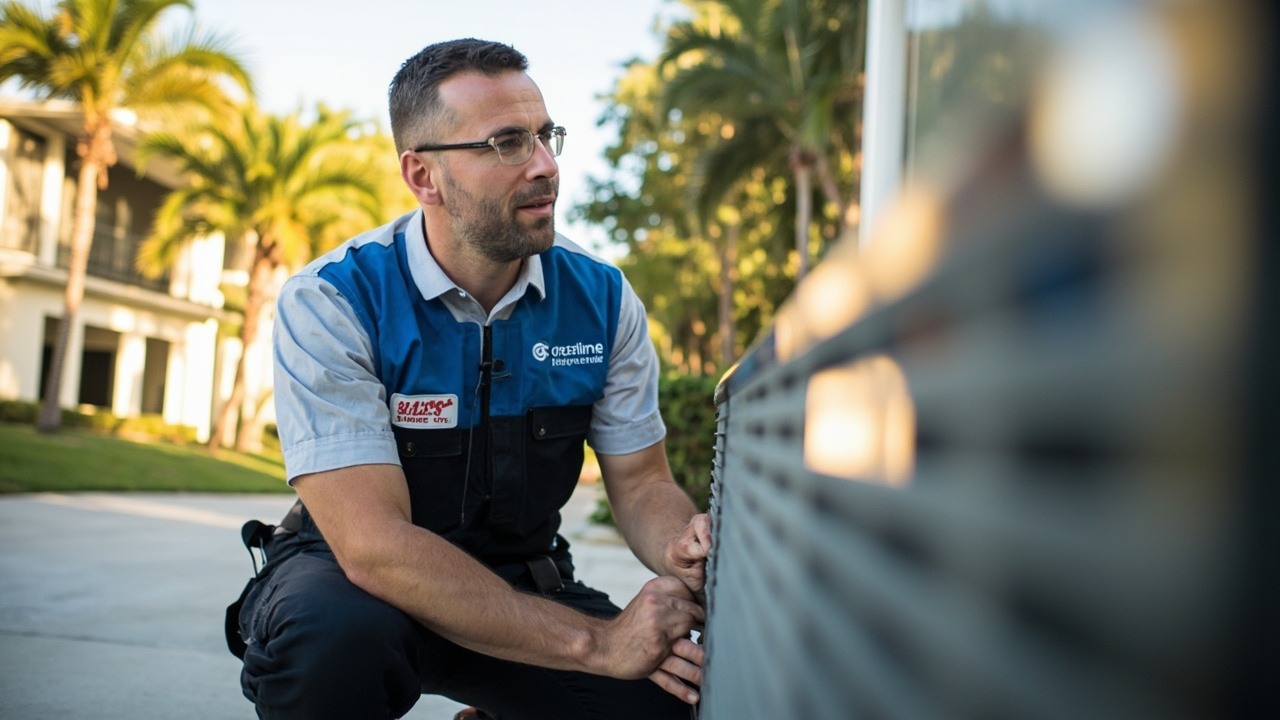
Expert AC Tune-Up and Maintenance in Hialeah FLHialeah heat is relentless in 2026. If you live near Palm Springs North or the busy streets of West 4th Avenue, you know your air conditioner runs almost…
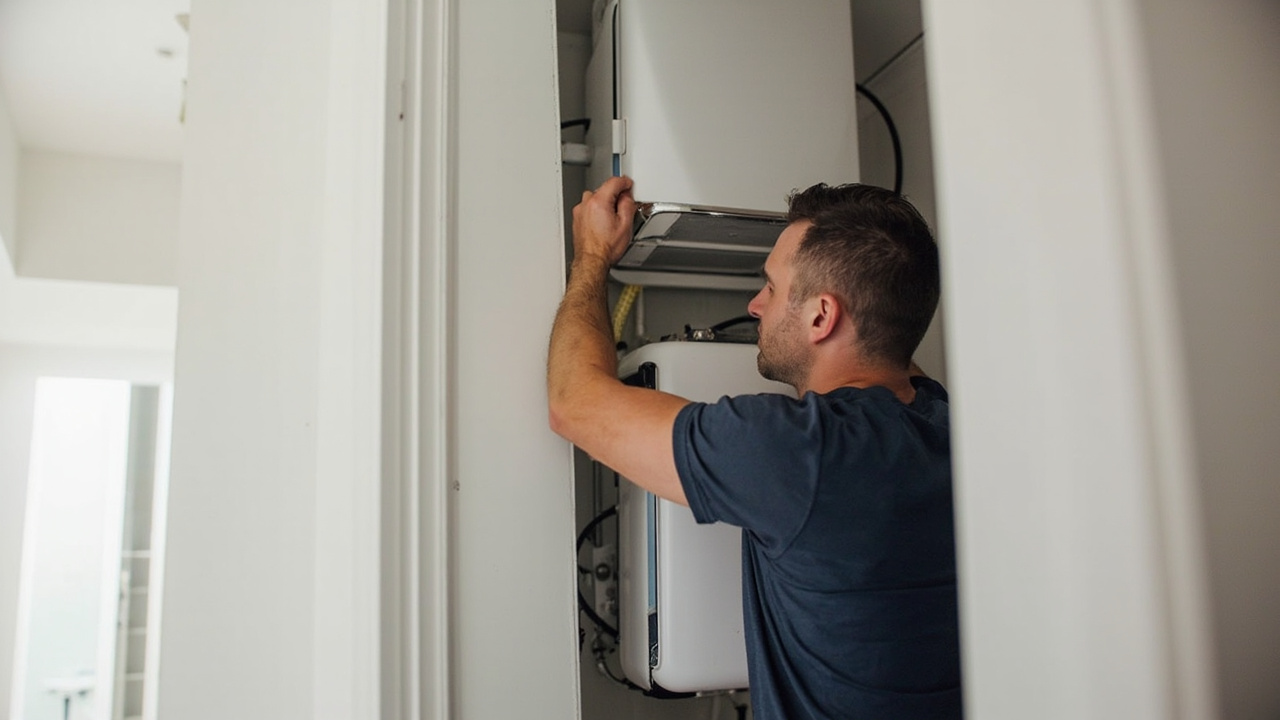
Whole House Dehumidifier Installation in Miami Florida Miami residents face unique challenges when managing indoor…
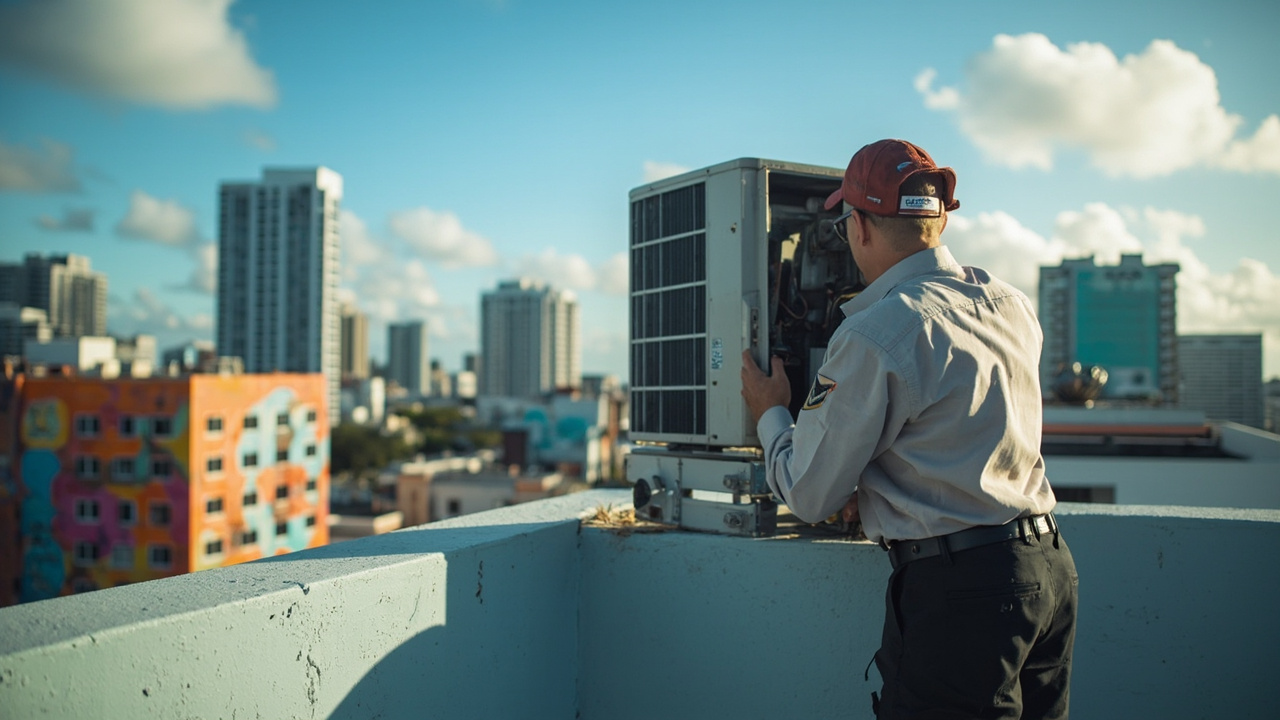
Commercial HVAC Services for Business Owners in Wynwood Who Can't Afford DowntimeRunning a business in…
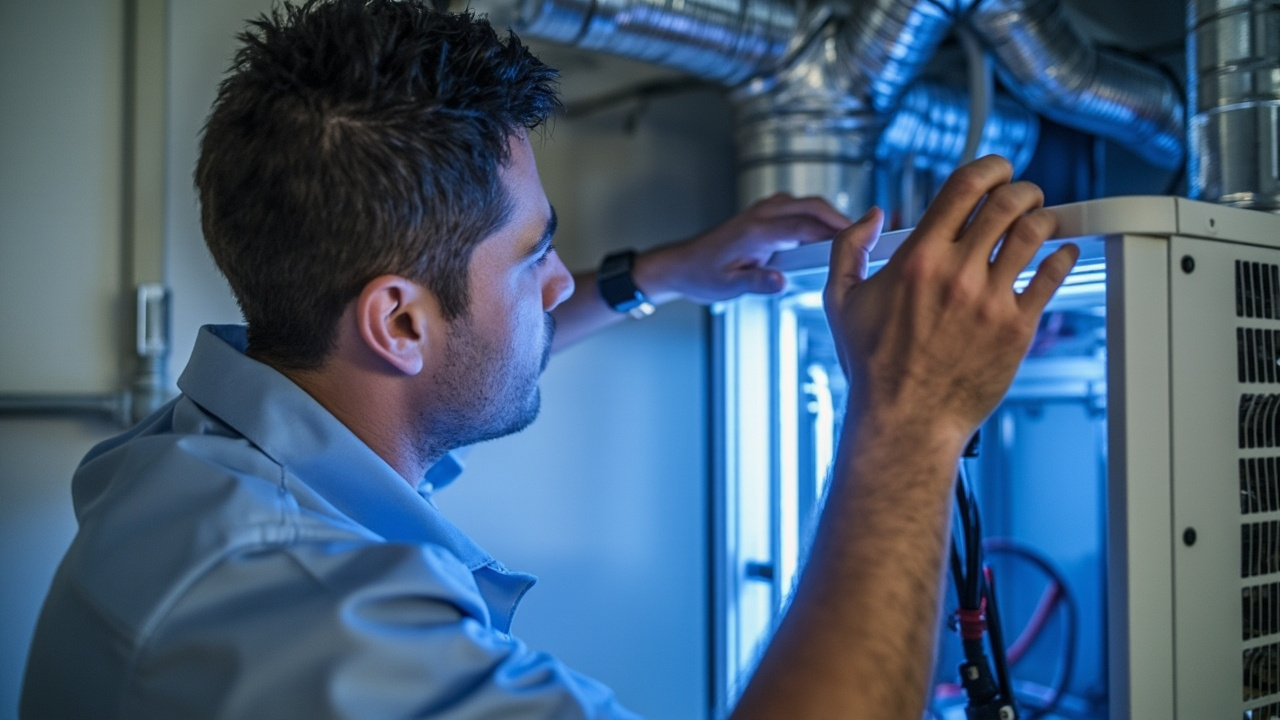
Choosing Between Air Scrubbers and UV Lights for Your Home in the Sunset NeighborhoodLiving in…
Your comfort matters. When your air conditioner fails, call Crestline HVAC Miami at (645) 231-4777 for rapid response. We dispatch experienced technicians to Coral Gables homes with same-day service for most emergency calls. Don't suffer in South Florida heat. Call now.