menu

Storm Damage HVAC Repair in Miami – Emergency Response Within 60 Minutes

When hurricanes or tropical storms damage your air conditioning or heating system, Crestline HVAC Miami deploys certified technicians immediately to restore climate control and prevent secondary water damage to your property.

Slider Image 1
Slider Image 2
Slider Image 3
Slider Image 4
Slider Image 5
Slider Image 7
Slider Image 8
Slider Image 9
Slider Image 10
Slider Image 11

Why Storm Damaged AC Units Fail Fast in Miami's Climate

You walk outside after the storm passes and see your condenser unit tipped over, the refrigerant lines bent, or debris punched through the cabinet. In Miami's relentless heat and humidity, a storm damaged AC unit repair is not something you can postpone. Within hours, indoor temperatures climb past 85 degrees. Within a day, humidity breeds mold inside your walls and ductwork.

Miami sits in the direct path of Atlantic hurricanes and summer squalls that generate wind gusts over 70 mph. Flying palm fronds, roof tiles, and patio furniture turn into projectiles that strike outdoor HVAC equipment. Saltwater storm surge corrodes electrical components faster than freshwater flooding. The combination of wind shear and saltwater intrusion creates unique failure modes you will not see in landlocked cities.

Emergency HVAC storm repair in Miami also means dealing with power outages that last days. When the grid comes back online, voltage spikes can fry compressor contactors and capacitors already weakened by physical impact. You need heating and cooling storm damage repair from technicians who understand how Miami's coastal environment accelerates corrosion and how to assess structural damage to rooftop units common in commercial buildings and older apartment complexes.

Waiting 48 hours for HVAC storm restoration services means you risk losing refrigerated inventory, medications, or facing uninhabitable conditions that violate occupancy codes. The window to file insurance claims starts shrinking the moment the storm moves offshore. You need a fix storm damaged HVAC system response that documents damage, stabilizes the system, and gets your space livable again before secondary problems compound your losses.

Why Storm Damaged AC Units Fail Fast in Miami's Climate
How We Restore Storm Damaged HVAC Systems in Miami

How We Restore Storm Damaged HVAC Systems in Miami

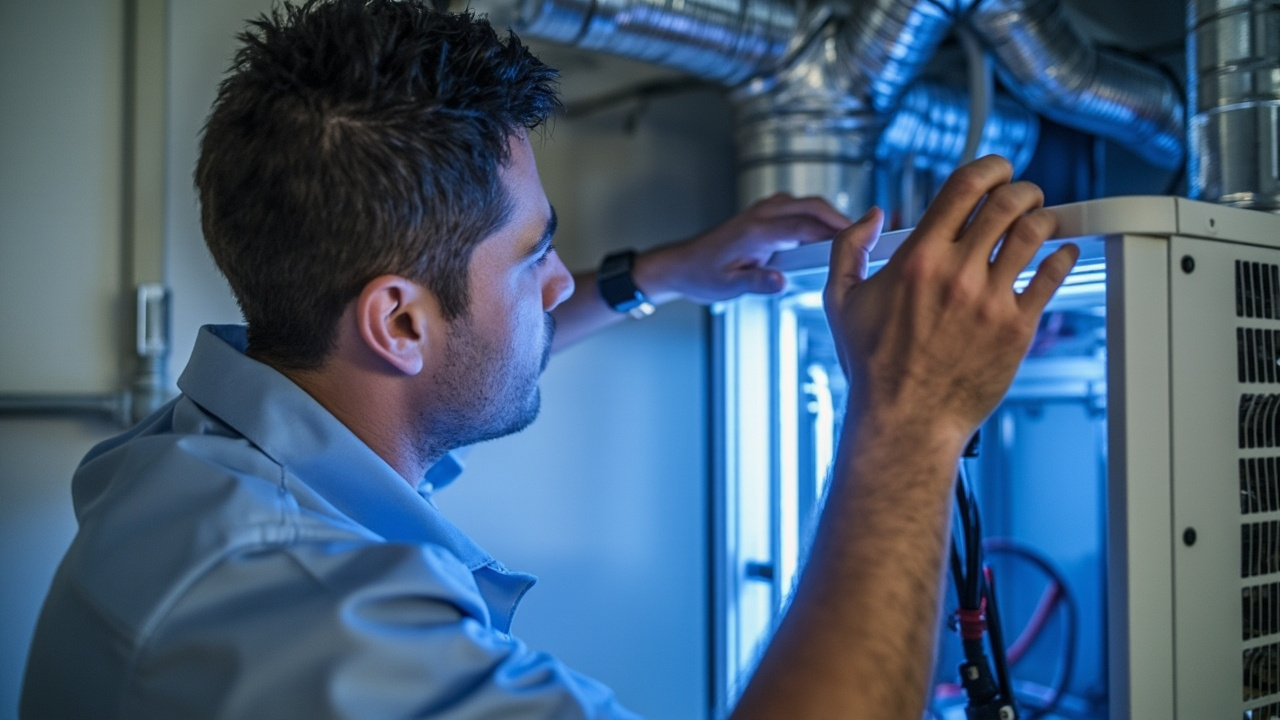
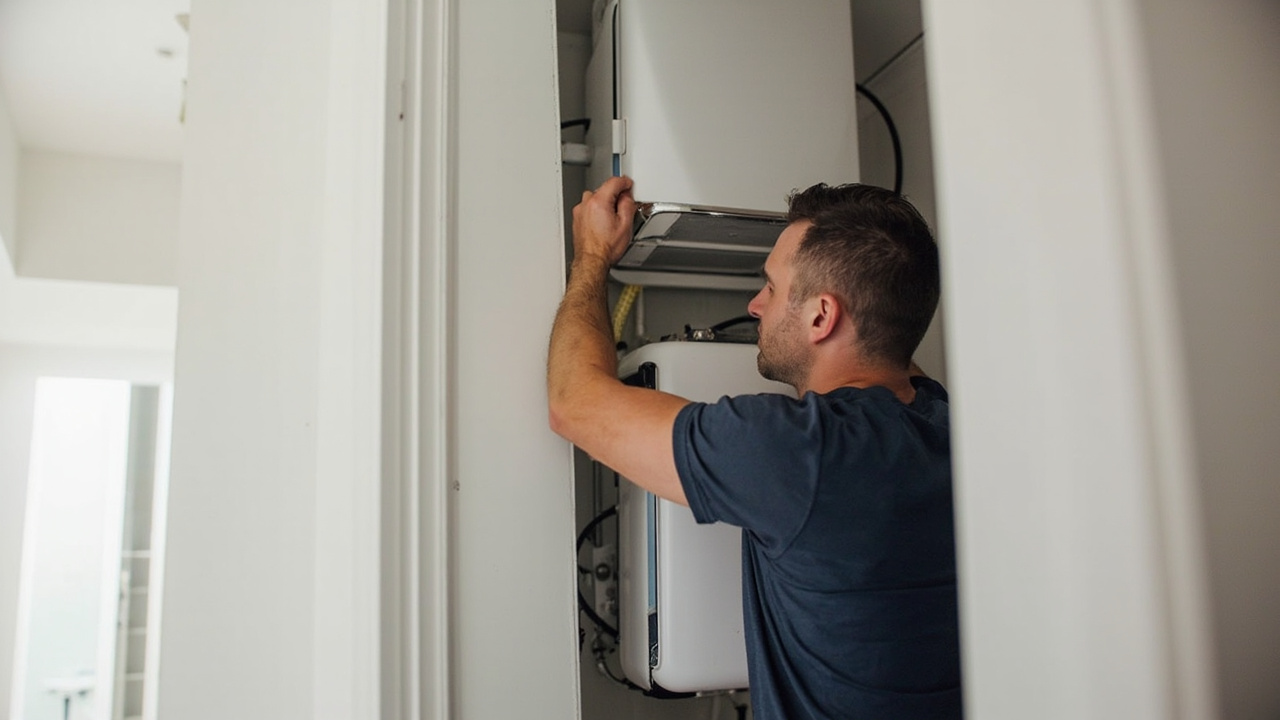
Storm damage HVAC repair starts with a safety assessment. We verify electrical disconnects are off, check for refrigerant leaks using electronic leak detectors, and inspect gas lines if you have a furnace or hybrid system. We do not power up equipment until we confirm the compressor windings test within resistance specs and there is no water intrusion in the blower compartment.

For storm damaged AC unit repair, we evaluate the condenser coil for impact damage and bent fins that restrict airflow. We pressure test the refrigerant circuit to confirm the lineset did not fracture when the unit shifted off its pad. If the fan motor seized due to debris ingestion, we source OEM replacements that match your system's tonnage and SEER rating. We do not install mismatched components that void manufacturer coverage or fail Miami-Dade County inspections.

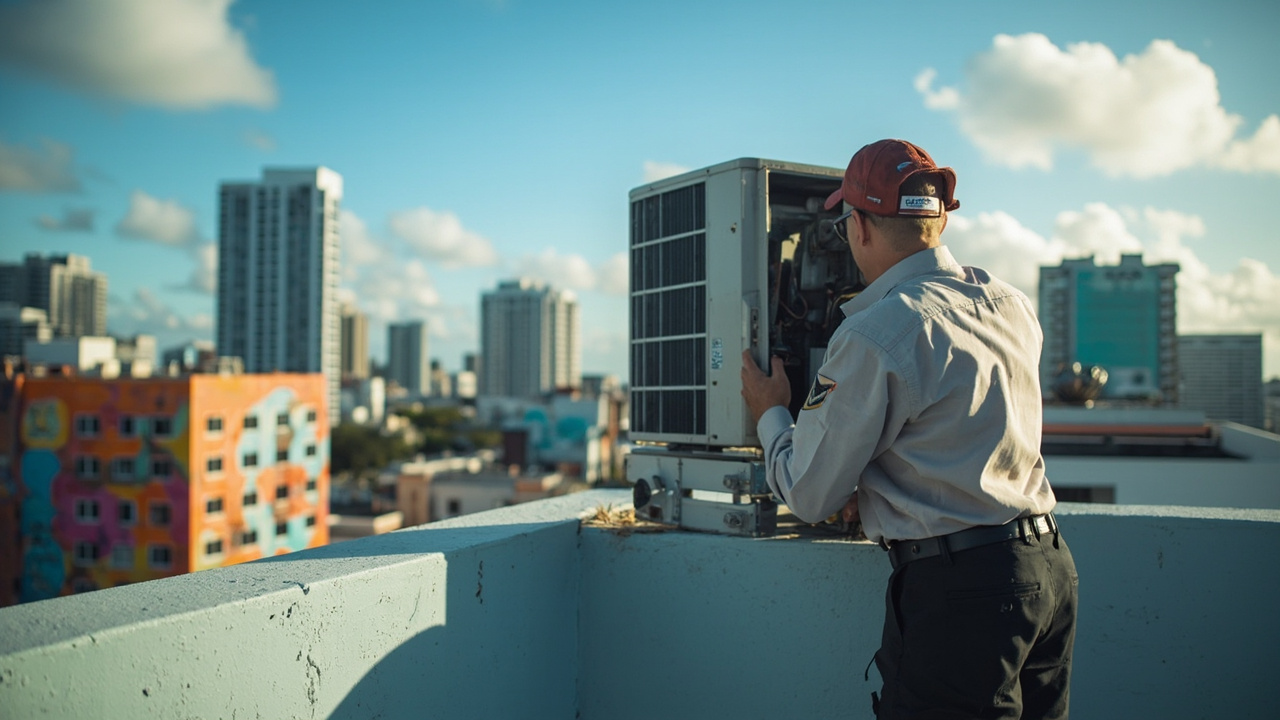
Roof-mounted package units face different challenges. We inspect curb adapters for separation, check flashing for tears that allow water into the plenum, and verify duct connections did not pull apart during wind uplift. If the economizer damper is jammed with debris, we clean the linkage and recalibrate the actuator. For commercial HVAC storm restoration services, we also test building automation system connections and replace any sensors knocked offline.

Crestline HVAC Miami carries emergency stock of contactors, capacitors, and reversing valves so we can complete most storm damaged HVAC system repairs in one trip. We photograph all damage for your insurance adjuster, label failed parts, and provide a written scope of work that separates storm damage from pre-existing wear. Our technicians hold EPA 608 certification for refrigerant handling and complete annual training on Miami-Dade High Velocity Hurricane Zone equipment requirements.

What Happens During Emergency Storm Damage HVAC Repair

Storm Damage HVAC Repair in Miami – Emergency Response Within 60 Minutes
01

Immediate Safety Assessment

Our technician arrives and locks out electrical power to prevent shock hazards from water-damaged wiring. We test for refrigerant leaks using a heated diode detector that identifies even trace amounts of R-410A or R-22. We inspect the gas manifold if you have a furnace and verify the flue vent did not collapse. We document every defect with photos timestamped for insurance claims and create a safe work perimeter before diagnostic testing begins.
02

Component Diagnosis and Repair

We ohm test the compressor windings and measure capacitor microfarads to identify electrical failures caused by power surges. We straighten condenser coil fins using a fin comb to restore proper heat exchange. We replace cracked refrigerant line insulation that allows condensation and mold growth in Miami's humidity. If the blower motor bearings ingested water, we swap the assembly and verify CFM output matches your duct system's static pressure requirements before closing up the unit.
03

System Commissioning and Documentation

We charge the refrigerant circuit to factory specifications and measure subcooling and superheat to confirm proper flow. We run the system through a full cooling cycle and check amp draw on all motors. We verify thermostat communication and test safety controls like the high pressure cutout and low pressure switch. You receive an itemized invoice with part serial numbers, labor codes your insurance company recognizes, and a 30-day callback guarantee on all emergency repairs.

Why Miami Property Owners Trust Crestline HVAC for Storm Damage Repair

Miami's hurricane season runs six months. You need an HVAC contractor who stocks parts year-round and maintains a storm response team that does not disappear when demand spikes. Crestline HVAC Miami keeps inventory of the most vulnerable components like run capacitors, contactor coils, and condenser fan motors for the Carrier, Trane, and Rheem units common in Miami-Dade and Broward counties.

We understand Miami-Dade County's Product Control Division requirements for replacement equipment. If your unit is totaled, we source systems approved for High Velocity Hurricane Zones with reinforced cabinets and tie-down anchors rated for 180 mph winds. We know which models qualify for FPL rebates and how to navigate the permit process for elevated condensers in flood zones near Biscayne Bay and the Miami River.

Our technicians recognize the difference between impact damage and pre-existing neglect. Insurance adjusters respect our documentation because we separate storm losses from maintenance failures. We note things like condenser coils clogged with sea grape leaves before the storm versus fresh punctures from airborne debris. We photograph serial number plates and refrigerant circuit diagrams so there is no dispute about what failed and why.

You also get faster response because we prioritize based on medical need and occupancy risk. Homes with infants, elderly residents, or medical equipment get bumped to the front of the dispatch queue. Commercial clients with refrigerated inventory or clean room environments get same-day service to prevent five-figure spoilage losses. We triage based on real damage severity, not who calls first. When your system fails at 9 PM during a power restoration surge, we answer and we show up.

What to Expect from Emergency HVAC Storm Restoration Services

Response Time and Availability

We dispatch technicians within 60 minutes of your call during active storm recovery periods. Our trucks carry ladders rated for three-story buildings, refrigerant manifolds for both R-22 and R-410A systems, and portable generators to power diagnostic equipment when the grid is down. You get a call-ahead ETA when the truck is 15 minutes out. Night and weekend calls go to a live dispatcher, not voicemail. We stay on site until your system produces cold air or we complete a temporary shutdown that prevents further damage until replacement parts arrive.

Damage Assessment and Insurance Documentation

The technician creates a written assessment that lists each damaged component with part numbers and failure cause. We take wide-angle photos showing the equipment's position relative to visible storm damage like broken fences or roof tiles. We tag failed parts and leave them on site for adjuster inspection. You receive a PDF report within four hours that includes labor codes recognized by Citizens Property Insurance and most national carriers. If you need a temporary repair to make the property habitable while waiting for claim approval, we provide a separate estimate that isolates emergency stabilization work from full restoration.

Repair Quality and Code Compliance

All refrigerant work is performed by EPA-certified technicians using recovery machines and manifold gauges calibrated within the past 12 months. Electrical repairs meet NEC Article 440 requirements for air conditioning equipment disconnects and overcurrent protection. Condensate drain modifications comply with Florida Building Code provisions that prevent backflow into living spaces during heavy rain. Replacement equipment is installed on composite pads or reinforced stands that meet Miami-Dade NOA specifications for wind uplift. We pull permits when required and schedule inspections so you pass on the first visit.

Follow-Up Inspections and Preventive Upgrades

We return seven days after the initial repair to verify system performance and check for latent failures that emerge after equipment runs under load. If saltwater exposure corroded wiring insulation, we identify it before it causes a compressor burnout. We offer storm hardening upgrades like hail guards for condenser coils, locking refrigerant caps to deter theft during post-storm chaos, and surge protectors that absorb voltage spikes during grid restoration. Customers enrolled in our maintenance plan get priority dispatch during the next storm event and discounted rates on emergency calls.

Frequently Asked Questions

You Have Questions,
We Have Answers

What is the $5000 rule for HVAC? +

The $5000 rule is a quick calculation homeowners use to decide between repairing or replacing an HVAC system. Multiply your system's age by the estimated repair cost. If the total exceeds $5000, replacement makes more financial sense than repair. For example, if your 12-year-old AC needs a $500 compressor fix, that equals $6000, so replacement is smarter. After hurricane-force winds or flooding hit Miami systems, this rule helps you make fast decisions. Storm damage often triggers multiple component failures, pushing repair costs high enough to justify a new, more efficient unit that can handle Miami's brutal heat and humidity.

Does insurance cover HVAC damage? +

Homeowners insurance typically covers HVAC storm damage caused by sudden, catastrophic events like hurricanes, tornadoes, or fallen trees. If hurricane winds rip your condenser unit from its pad or flying debris punctures your ductwork, you can file a claim. Coverage depends on your policy terms and whether you maintain adequate wind mitigation coverage in Miami. Most policies exclude damage from neglect, wear and tear, or flooding without separate flood insurance. Document everything immediately with photos and call a licensed technician to assess damage before filing. Insurance companies move fast after storms, so start your claim within 24 hours for best results.

How long after storm damage can I claim? +

Florida law gives you up to three years to file a property damage claim after a storm, but waiting hurts your chances of approval. Insurance companies expect notification within 24 to 72 hours of discovering damage. The longer you wait, the harder it becomes to prove the storm caused the problem versus normal wear. Miami's salt air and humidity can quickly worsen initial damage, making it look pre-existing. After a hurricane passes, inspect your HVAC system immediately. Take photos, document what you find, and call your insurance company that same day. Fast action protects your claim and prevents secondary damage like mold or electrical failures.

What is the 3 minute rule for AC? +

The 3-minute rule protects your AC compressor from short cycling damage. After your system shuts off, wait at least three minutes before restarting it. This pause allows refrigerant pressures to equalize throughout the system. If you restart too quickly, the compressor struggles against unbalanced pressure, which can burn out the motor or damage internal components. This rule becomes critical after storm power outages in Miami. When electricity returns after a hurricane, avoid immediately cranking your thermostat down. Give your system time to stabilize. If your AC won't stay off or cycles rapidly after storm damage, shut it down and call for emergency repair before you destroy the compressor.

What is the average lifespan of an HVAC? +

HVAC systems in Miami last 10 to 15 years on average, shorter than the national average due to constant use and harsh coastal conditions. Miami's year-round heat, high humidity, salt air, and frequent storms accelerate wear on compressors, coils, and electrical components. Systems running 12 months annually work three times harder than units in temperate climates. If your system survived a major storm but it's already 12 years old, replacement often makes more sense than expensive repairs. Modern units offer better efficiency, stronger hurricane-resistant construction, and improved humidity control. After storm damage, age becomes the deciding factor between repair and replacement for Miami homeowners.

Is HVAC system cost tax deductible? +

HVAC system costs are not tax deductible for most homeowners as personal expenses. You cannot write off repairs or replacements on your primary residence unless the system qualifies as a medical necessity prescribed by a doctor or meets energy efficiency tax credit requirements. Some high-efficiency systems qualify for federal Energy Star tax credits, which can offset 10 to 30 percent of installation costs. If you own rental property in Miami, HVAC expenses become deductible business expenses. After storm damage, keep all receipts and documentation for insurance claims, not taxes. Consult a tax professional about specific energy credits available for hurricane-resistant or high-efficiency replacements in Florida.

What two events are not covered under homeowners insurance? +

Standard homeowners insurance excludes flooding and earthquake damage. These require separate policies. In Miami, this distinction becomes critical during hurricanes. If storm surge or heavy rain causes water to enter your home from ground level and damages your HVAC system, your regular policy won't cover it. You need separate flood insurance through FEMA's National Flood Insurance Program. Wind damage from the same storm is covered, creating confusion about what caused what. If hurricane winds damage your outdoor unit but floodwater damages your air handler, only the outdoor unit gets covered. Miami homeowners need both wind and flood coverage for complete storm protection.

How much does it cost to fix a leak in your AC system? +

AC refrigerant leak repairs in Miami range from $200 for minor seal replacements to $1500 for evaporator coil leaks. The cost depends on leak location and accessibility. Storm damage complicates pricing because impact can crack multiple points in the refrigerant lines. If debris punctured your outdoor unit's coil, expect higher costs due to parts and labor intensity. Miami's coastal salt air often corrodes copper lines, making storm-damaged systems more vulnerable to leaks. Small leaks caught early cost less, but if your system lost all refrigerant after a storm, you face repair costs plus full recharge expenses. Emergency repairs after hurricanes carry premium pricing due to high demand.

What is the most common damage to your home that insurance does not cover? +

Flood damage remains the most common exclusion in homeowners insurance policies. Water entering your home from ground level during storms, even hurricane-related flooding, requires separate flood insurance. This catches Miami homeowners off guard because hurricane wind damage is covered, but the accompanying storm surge and heavy rain damage is not. If floodwater damages your HVAC air handler in your garage or destroys ductwork in a crawl space, your standard policy denies the claim. Miami sits at high flood risk, making this coverage gap dangerous. Many homeowners discover this exclusion too late, facing thousands in out-of-pocket HVAC replacement costs after major storms.

When not to file a homeowners insurance claim? +

Skip filing claims when repair costs fall below your deductible or only slightly exceed it. Miami hurricane deductibles often run 2 to 5 percent of your home's value, meaning $4000 to $10000 out-of-pocket before insurance pays anything. If storm damage to your HVAC costs $1200 to fix but your deductible is $5000, filing wastes time and raises your rates. Also avoid claims for damage you caused through neglect or maintenance failures. Insurance companies deny these claims and still count them against your record. File only for significant, sudden storm damage that clearly exceeds your deductible. Multiple claims trigger rate increases or policy cancellations, making minor damage claims financially damaging long-term.

How Miami's Hurricane Exposure Demands Specialized Storm Damage HVAC Repair

Miami sits at 25 degrees north latitude where the Atlantic hurricane belt intersects the Gulf Stream's warm water fuel. Systems that survive inland thunderstorms fail here because saltwater aerosol corrodes copper refrigerant lines and aluminum condenser coils within hours of storm surge contact. Wind-driven rain penetrates through cabinet seams designed for vertical rainfall, flooding blower compartments and shorting circuit boards. Rooftop units in Brickell and downtown Miami face added uplift forces from building wind tunnels that can rip ductwork apart even when the equipment stays anchored. Emergency HVAC storm repair in Miami requires understanding how saline fog accelerates galvanic corrosion between dissimilar metals and how to flush electrical components before powering systems back up.

Crestline HVAC Miami has restored climate control to properties from Aventura to Homestead after every major storm since Hurricane Irma. We know which inspectors work each municipal jurisdiction and what documentation they require for emergency electrical permits. We maintain relationships with supply houses that prioritize contractors serving high-density areas like Miami Beach and Coral Gables where delayed repairs create public health risks. When you call for storm damaged AC unit repair, you get a technician who has worked through grid failures and supply shortages, not someone learning on the job during your crisis.
HVAC Services in The Miami Area

We proudly serve homeowners and businesses throughout Miami and nearby communities with dependable HVAC services. Whether you're in the heart of downtown or in the surrounding suburbs, our team is just a call away. Check the map below to see our service coverage. If your area isn’t listed, don’t worry—give us a call. We frequently accommodate special requests and go the extra mile to ensure our customers receive expert heating and cooling solutions, no matter where they are located.

Address:
Crestline HVAC Miami, 2332 Galiano St, Miami, FL, 33134

Additional Services We Offer

Our news updates

Latest Articles & News from The Blogs

Commercial HVAC Services for Business Owners in Wynwood Who Can't Afford DowntimeRunning a business in the heart of Wynwood requires…

Commercial HVAC Services for Business Owners in Wynwood Who Can't Afford Downtime

Commercial HVAC Services for Business Owners in Wynwood Who Can't Afford DowntimeRunning a business in the heart of Wynwood requires…

Choosing Between Air Scrubbers and UV Lights for Your Home in the Sunset Neighborhood

Choosing Between Air Scrubbers and UV Lights for Your Home in the Sunset NeighborhoodLiving in the Sunset neighborhood near South…

Protecting Your Outdoor AC Unit During a Tropical Storm in Virginia Key

Virginia Key residents face unique challenges during the Atlantic hurricane season. The proximity to the ocean and low elevation make…

Contact Us

Do not let a broken air conditioner force you out of your home or shut down your business. Call Crestline HVAC Miami at (645) 231-4777 right now for emergency storm damage HVAC repair. We dispatch immediately and restore comfort fast.