menu

Carbon Monoxide Leak Detection in Miami – Emergency Response Teams Dispatched Within 60 Minutes

When your carbon monoxide detector goes off or you suspect a CO leak, our certified technicians arrive fast with professional-grade gas detection equipment to locate the source, confirm safe levels, and restore your peace of mind.

Slider Image 1
Slider Image 2
Slider Image 3
Slider Image 4
Slider Image 5
Slider Image 7
Slider Image 8
Slider Image 9
Slider Image 10
Slider Image 11

Carbon Monoxide Poisoning Happens Fast in Miami Homes

Carbon monoxide is odorless, colorless, and deadly. You cannot see it. You cannot smell it. By the time symptoms appear, confusion, dizziness, nausea, your window to act safely has already narrowed.

Miami's year-round HVAC use creates constant risk. Air conditioning units run almost continuously from March through November. Gas furnaces and water heaters cycle heavily during the brief winter months. Aging ductwork in older Coral Gables and Coconut Grove homes can develop cracks that pull exhaust gases into living spaces. Hurricane-related power outages push residents toward portable generators, often run too close to windows or garages, creating instant CO hazards.

Carbon monoxide poisoning sends over 400 people to the hospital each year in Florida. Miami-Dade County sees a spike in emergency carbon monoxide testing calls after storm events when backup heating systems get rushed into service without proper venting checks. Cracked heat exchangers in aging furnaces are common culprits. Improperly vented gas water heaters in enclosed laundry rooms are another frequent source.

If your CO detector alarms, if you smell exhaust indoors, if multiple people in your household feel suddenly ill with headache and nausea, get everyone outside immediately. Do not try to find the source yourself. Professional CO leak inspection requires calibrated equipment that measures parts per million in real time. Urgent carbon monoxide check services exist because guessing costs lives. Our technicians carry multi-gas analyzers that pinpoint CO concentrations in seconds, isolate the faulty appliance, and determine whether your home is safe to re-enter.

Carbon Monoxide Poisoning Happens Fast in Miami Homes
How Emergency CO Gas Detection Service Works

How Emergency CO Gas Detection Service Works

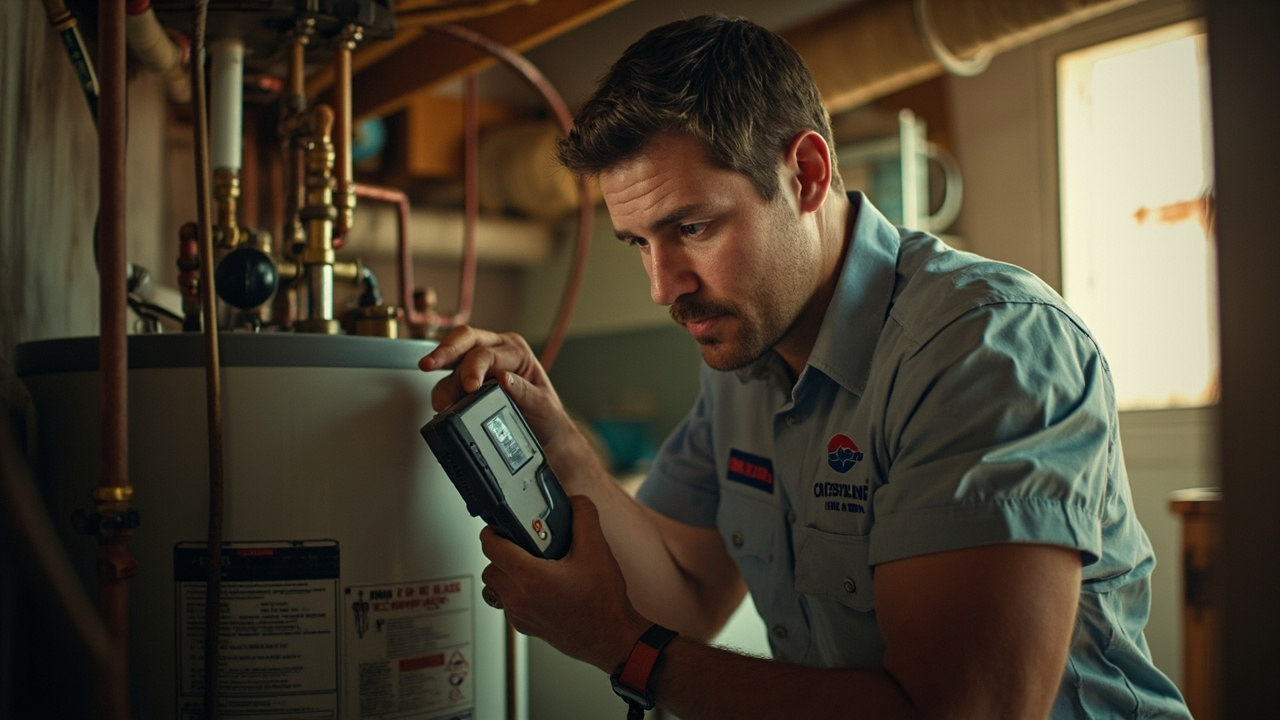
Carbon monoxide leak testing is not a visual inspection. It requires electronic sensors that detect CO at concentrations as low as one part per million. We use calibrated digital gas analyzers, not the simple badge-style detectors homeowners buy at hardware stores. Our equipment logs ambient CO levels, traces the source through exhaust flue testing, and measures combustion efficiency on every gas-burning appliance in your home.

We begin with a whole-home ambient air test. Our technician walks through each room with the analyzer, mapping CO concentrations. Safe levels are below nine parts per million. Anything above 35 ppm triggers immediate appliance shutdown protocols. Once we identify the area with elevated readings, we test each potential source individually.

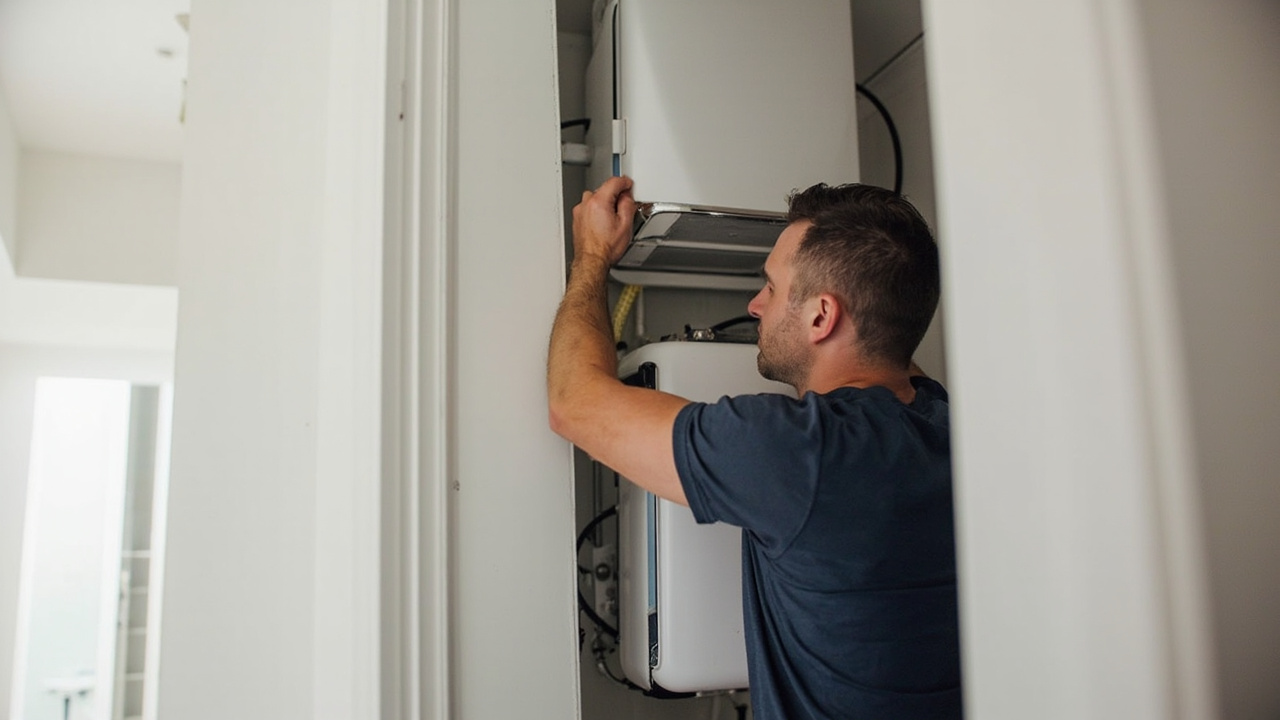
Furnace heat exchangers get inspected with a camera probe. A cracked exchanger allows combustion gases to mix with conditioned air before it enters your ductwork. We also test the flue draft. Negative pressure in the flue means exhaust gases are backdrafting into your home instead of venting outside. Gas water heaters, dryers, and ranges all get tested at the flue collar and burner. We measure carbon monoxide in the exhaust stream and compare it against manufacturer specs.

If the source is a furnace or boiler, we check the burner flame pattern, gas pressure, and airflow across the heat exchanger. Blue flames indicate complete combustion. Yellow or orange flames signal incomplete combustion, which produces excess CO. Blocked vents, dirty burners, or insufficient combustion air all create dangerous conditions. Our technicians correct the mechanical failure, retest air quality, and confirm your home is safe before leaving the site.

What Happens During Your Emergency CO Inspection

Carbon Monoxide Leak Detection in Miami – Emergency Response Teams Dispatched Within 60 Minutes
01

Immediate Site Safety Assessment

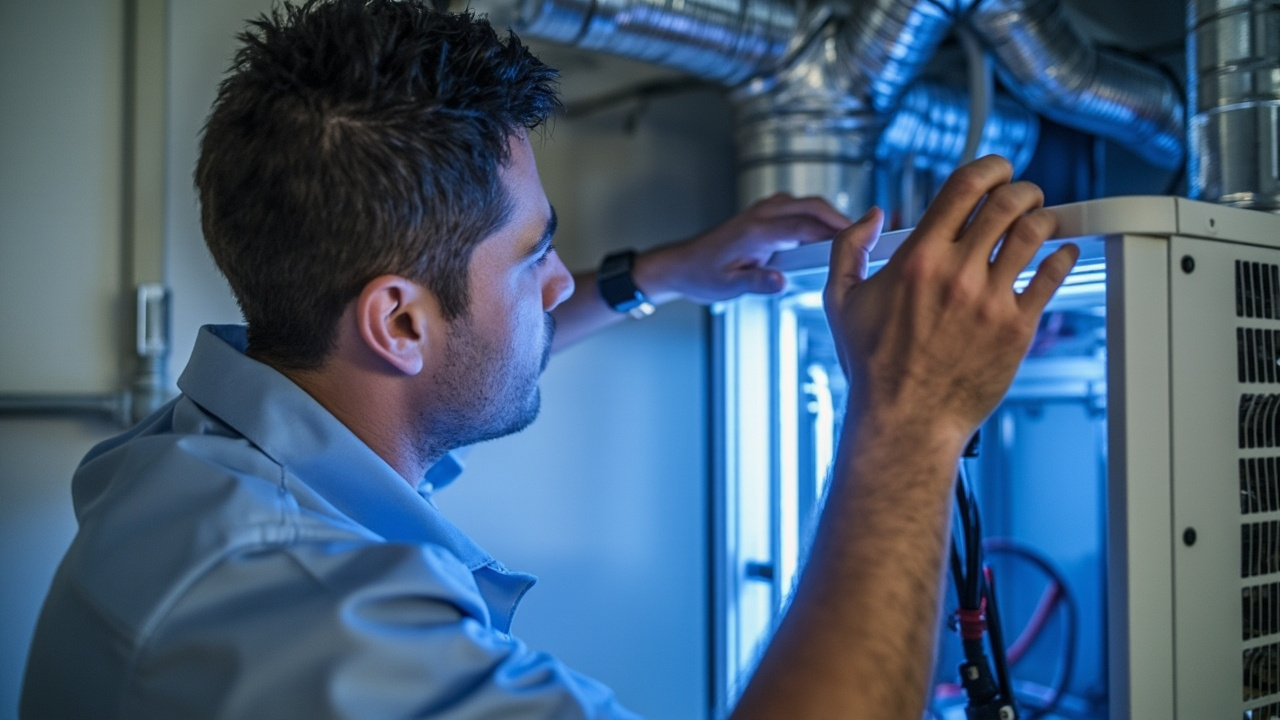
Our technician arrives with a calibrated multi-gas analyzer and begins testing ambient air in every room. We map CO concentrations and identify hot spots. If levels exceed safe thresholds, we shut down all gas appliances immediately and confirm the home is ventilated. You get real-time readings and a clear explanation of what the numbers mean for your safety.
02

Source Isolation and Testing

Once the space is stabilized, we test each gas-burning appliance individually. Furnaces get heat exchanger inspections and flue draft tests. Water heaters, ranges, and dryers are checked at burner and exhaust points. We measure CO output, inspect venting systems, and check combustion air supply. This pinpoints the exact appliance or vent failure causing the leak.
03

Repair and Clearance Confirmation

After we repair or isolate the faulty equipment, we retest the entire home. Ambient CO levels must return to safe readings before we clear the space for occupancy. You receive a written report with before-and-after measurements, the identified source, and the corrective action taken. We also provide guidance on CO detector placement and maintenance to prevent future incidents.

Why Miami Residents Choose Crestline HVAC for CO Emergencies

Carbon monoxide emergencies do not wait for business hours. We dispatch technicians 24/7 because CO poisoning can incapacitate a household in under an hour. Our average response time to Miami-Dade addresses is under 60 minutes. We prioritize CO calls above all other service requests.

Every technician on our emergency roster carries a calibrated Bacharach or UEi multi-gas analyzer. These are the same tools used by fire departments and industrial safety teams. We do not rely on basic CO detectors. Our equipment measures carbon monoxide, oxygen, and combustion efficiency in real time, giving us the data to diagnose the problem accurately and fast.

Miami's building stock is diverse. We service everything from 1920s Mediterranean Revival homes in Coral Gables with original gas systems to new high-rise condos in Brickell with modern HVAC. Older homes often have unlined chimneys, undersized flues, or improperly vented water heaters tucked into closets. Storm damage from hurricanes can crack flue pipes or dislodge vent caps, creating backdraft conditions. We understand these local failure modes because we see them repeatedly across South Florida.

We also work directly with Miami-Dade Fire Rescue when they respond to CO alarm calls. If firefighters evacuate your home and recommend a professional inspection before re-entry, we are the team they call. Our reports meet the documentation standards required by insurance adjusters and housing code inspectors. You get a written record of the hazard, the fix, and the clearance test, all within hours of the initial call.

What to Expect During Emergency Carbon Monoxide Testing

Emergency Dispatch and Arrival Time

When you call our emergency line, you speak directly with a dispatcher who logs your address and symptom details. We prioritize active CO alarms and reported symptoms of poisoning. A technician is dispatched immediately. Most Miami-Dade locations receive service within 60 minutes. Calls from Homestead, Kendall, North Miami Beach, and Miami Beach are typically under 45 minutes during non-peak hours. Our trucks are staged throughout the metro to minimize response time.

On-Site Testing and Diagnosis

The technician performs a room-by-room air quality test first. This takes 10 to 15 minutes depending on home size. Once we locate elevated CO levels, we test each gas appliance and its venting system. Heat exchanger inspections, flue draft tests, and burner combustion analysis follow. The diagnostic phase typically takes 30 to 60 minutes. You receive a verbal explanation of findings as we work. We do not leave until we identify the source and explain the hazard clearly.

Immediate Repairs and Safe Re-Entry

If the problem is a simple fix, a blocked vent or dirty burner, we correct it on site and retest the air quality. More complex issues, like a cracked heat exchanger, require appliance shutdown and replacement scheduling. We never leave your home unsafe. If we cannot make the repair immediately, we lock out the faulty appliance and confirm ambient CO levels are safe before clearing you to re-enter. You get a written summary of all findings and next steps.

Follow-Up Testing and Prevention Plans

After repairs, we schedule a follow-up test within 24 to 48 hours to confirm air quality remains stable. Carbon monoxide incidents often reveal broader maintenance issues. We provide a prevention plan that includes annual combustion appliance inspections, vent cleaning schedules, and CO detector placement recommendations. Many Miami homeowners also add our seasonal HVAC tune-up service, which includes combustion safety checks as a standard procedure. Preventing the next leak is as important as fixing the current one.

Frequently Asked Questions

You Have Questions,
We Have Answers

How do you know if carbon monoxide is leaking? +

You cannot see or smell carbon monoxide, so detection requires equipment. Warning signs include a yellow or orange flame on gas appliances (should be blue), soot buildup around vents, or excess moisture on windows. Physical symptoms matter too. Headaches, dizziness, nausea, or confusion that improve when you leave the house signal a potential leak. In Miami's humid climate, condensation alone does not mean CO presence, but paired with other signs, evacuate immediately. Install working CO detectors on every floor. If your alarm sounds or you suspect a leak, get everyone outside and call 911 before investigating.

What's the most common household thing to cause a carbon monoxide leak? +

Malfunctioning furnaces cause the majority of residential carbon monoxide leaks. When heat exchangers crack or burners fail, combustion gases escape into living spaces instead of venting outside. In Miami, older HVAC systems running year-round for cooling and occasional heating face accelerated wear. Gas water heaters rank second, especially units in garages or closets with poor ventilation. Blocked flue pipes from debris, bird nests, or hurricane damage trap exhaust indoors. Annual HVAC inspections catch these issues early. After storm events, check all vents for obstructions before firing up gas appliances.

What are two warning signs of carbon monoxide in a house? +

Physical symptoms in multiple household members are the first warning sign. Headaches, fatigue, dizziness, or nausea that worsen indoors but improve outside indicate possible CO exposure. Pets may show similar distress before humans. The second warning is appliance performance changes. A gas furnace or water heater producing a yellow or orange flame instead of blue means incomplete combustion, which releases carbon monoxide. Soot streaks near vents or the smell of exhaust indoors also signal danger. Miami residents should note that humidity-related condensation differs from CO-related moisture buildup. If you see both signs together, evacuate and call for help.

Should a carbon monoxide detector be placed high or low? +

Place carbon monoxide detectors at breathing height, not on the ceiling. CO mixes evenly with air rather than rising like smoke, so mid-wall placement (around five feet) works best. Install one detector on every level of your home, including basements and near sleeping areas. In Miami's single-story homes, position detectors in hallways near bedrooms and main living spaces. Avoid placing units directly next to fuel-burning appliances, which can cause false alarms. Keep detectors at least 15 feet from kitchens and bathrooms where humidity and cooking fumes interfere with sensors. Test monthly and replace batteries twice yearly.

How long can you live in a house with a carbon monoxide leak? +

Survival time depends on concentration levels. At 50 parts per million, symptoms appear within hours. At 200 ppm, you will experience severe headaches and confusion within two to three hours. At 400 ppm, life-threatening symptoms occur in one to two hours. Above 800 ppm, unconsciousness and death happen in minutes. You cannot safely remain in a home with any CO leak. Miami's sealed, air-conditioned homes trap gases faster than naturally ventilated structures. If your detector alarms or you feel sick, evacuate immediately. Do not try to locate the source yourself. Call 911 and wait outside for emergency responders to clear the building.

Can you test carbon monoxide with your phone? +

No reliable phone apps detect carbon monoxide. Some claim to use your camera or microphone, but these lack the electrochemical sensors required for accurate CO detection. Your phone cannot measure gas concentrations in the air. Only purpose-built carbon monoxide detectors with certified sensors provide protection. In Miami, where HVAC systems run constantly, proper detectors are essential safety equipment. Do not rely on smartphone technology for life-threatening hazards. Install UL-listed CO alarms on every floor and test them monthly. Smart home detectors that send phone alerts exist, but the detector itself does the measuring, not your phone.

Why Miami's Hurricane Preparedness Culture Makes CO Leak Testing Critical

Miami households prepare for hurricanes with generators, portable heaters, and backup fuel sources. These create acute carbon monoxide risks. Generators run in garages with doors open, exhaust drifts into living spaces. Gas grills get moved indoors during storms. Power outages push residents toward makeshift heating that was never designed for enclosed use. After Hurricane Irma, Miami-Dade saw a 40 percent spike in CO-related emergency room visits within the first week of power restoration. Professional CO leak inspection after storm events is not optional. It is survival protocol for a city that loses power every hurricane season.

Miami-Dade County enforces strict building codes for gas appliance venting, but older homes predate these standards. Properties built before 1980 often lack proper combustion air supply or have unlined masonry chimneys that deteriorate in humidity. Local HVAC contractors who understand these legacy system risks provide better long-term safety than national chains. We work with Miami building inspectors, condo association managers, and property management companies who need documented CO testing for compliance and liability protection. Choosing a local provider means working with a team that knows Miami's codes, its building history, and its climate-specific failure points.
HVAC Services in The Miami Area

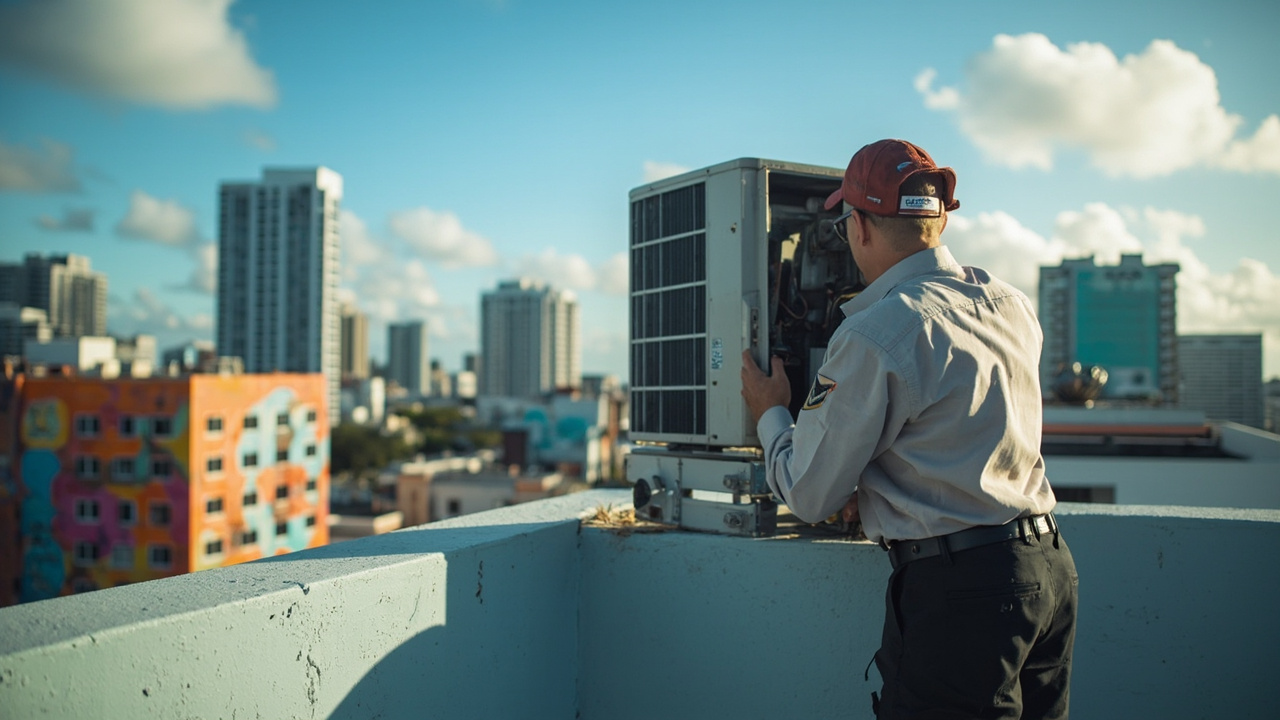
We proudly serve homeowners and businesses throughout Miami and nearby communities with dependable HVAC services. Whether you're in the heart of downtown or in the surrounding suburbs, our team is just a call away. Check the map below to see our service coverage. If your area isn’t listed, don’t worry—give us a call. We frequently accommodate special requests and go the extra mile to ensure our customers receive expert heating and cooling solutions, no matter where they are located.

Address:
Crestline HVAC Miami, 2332 Galiano St, Miami, FL, 33134

Additional Services We Offer

Our news updates

Latest Articles & News from The Blogs

Commercial HVAC Services for Business Owners in Wynwood Who Can't Afford DowntimeRunning a business in the heart of Wynwood requires…

Commercial HVAC Services for Business Owners in Wynwood Who Can't Afford Downtime

Commercial HVAC Services for Business Owners in Wynwood Who Can't Afford DowntimeRunning a business in the heart of Wynwood requires…

Choosing Between Air Scrubbers and UV Lights for Your Home in the Sunset Neighborhood

Choosing Between Air Scrubbers and UV Lights for Your Home in the Sunset NeighborhoodLiving in the Sunset neighborhood near South…

Protecting Your Outdoor AC Unit During a Tropical Storm in Virginia Key

Virginia Key residents face unique challenges during the Atlantic hurricane season. The proximity to the ocean and low elevation make…

Contact Us

If your carbon monoxide detector is alarming or you suspect a gas leak, do not wait. Call (645) 231-4777 now. Our emergency dispatch sends a certified technician to your Miami location within the hour. We test, diagnose, and make your home safe again.