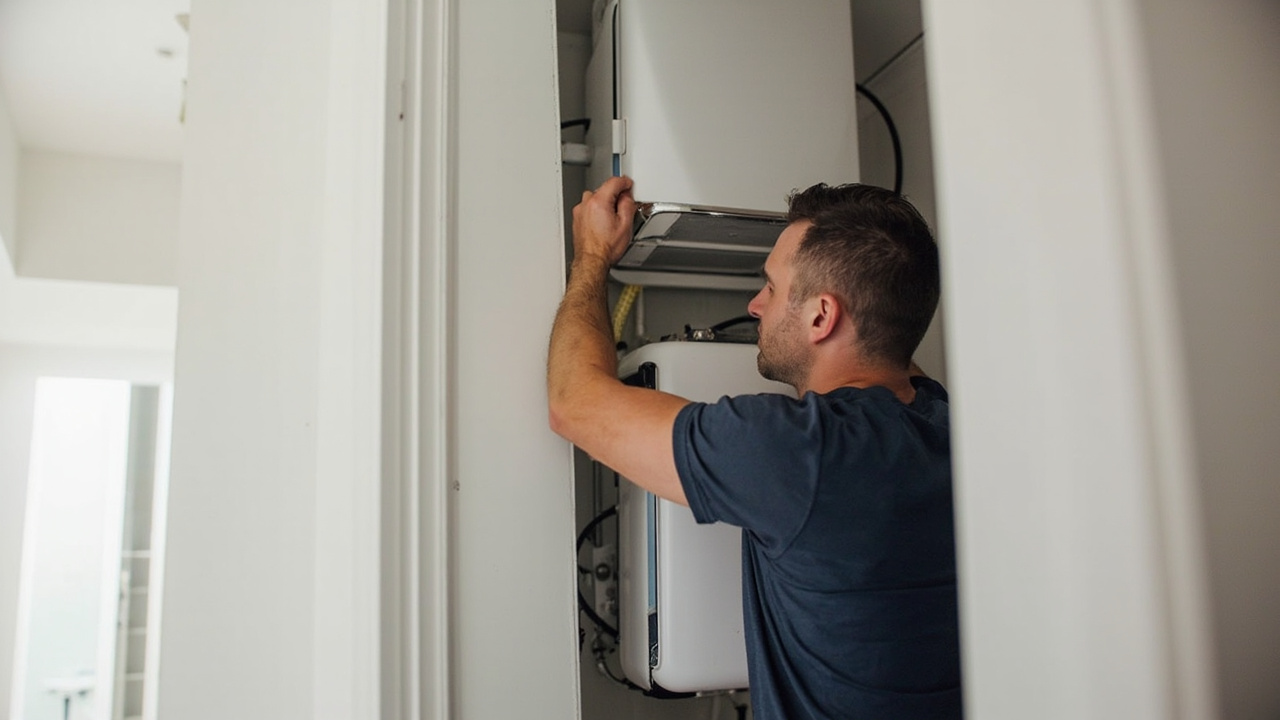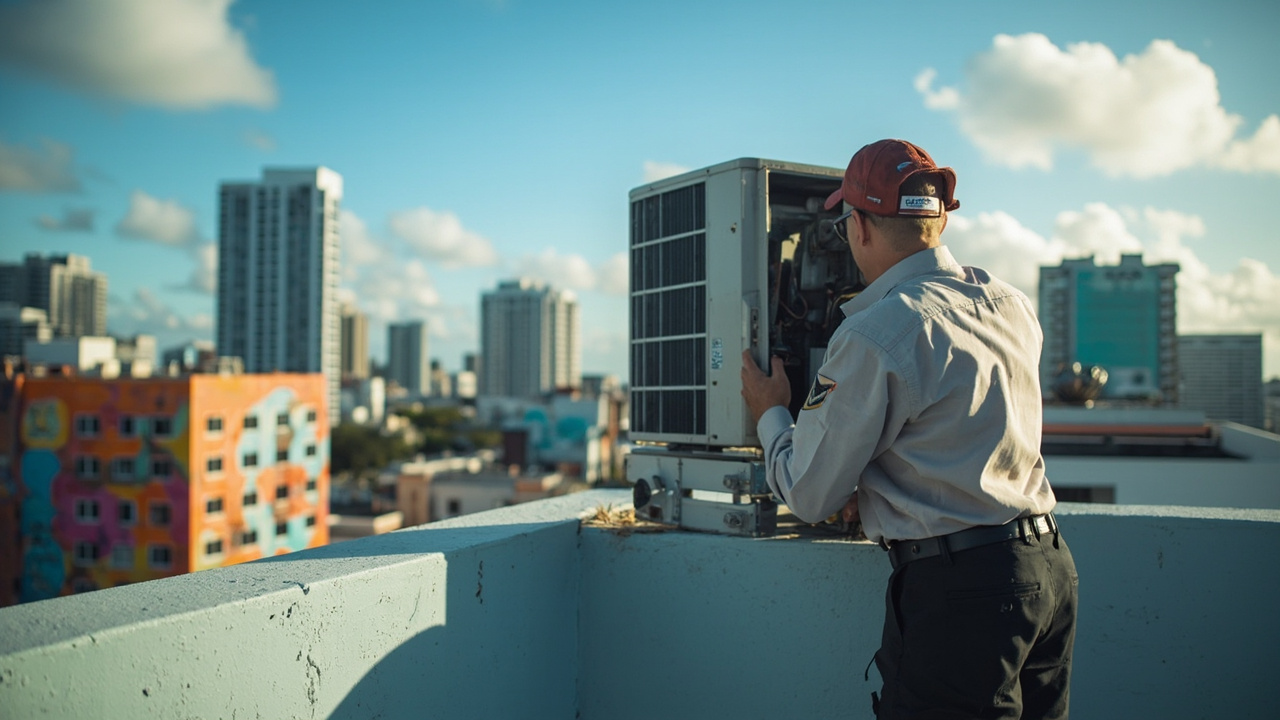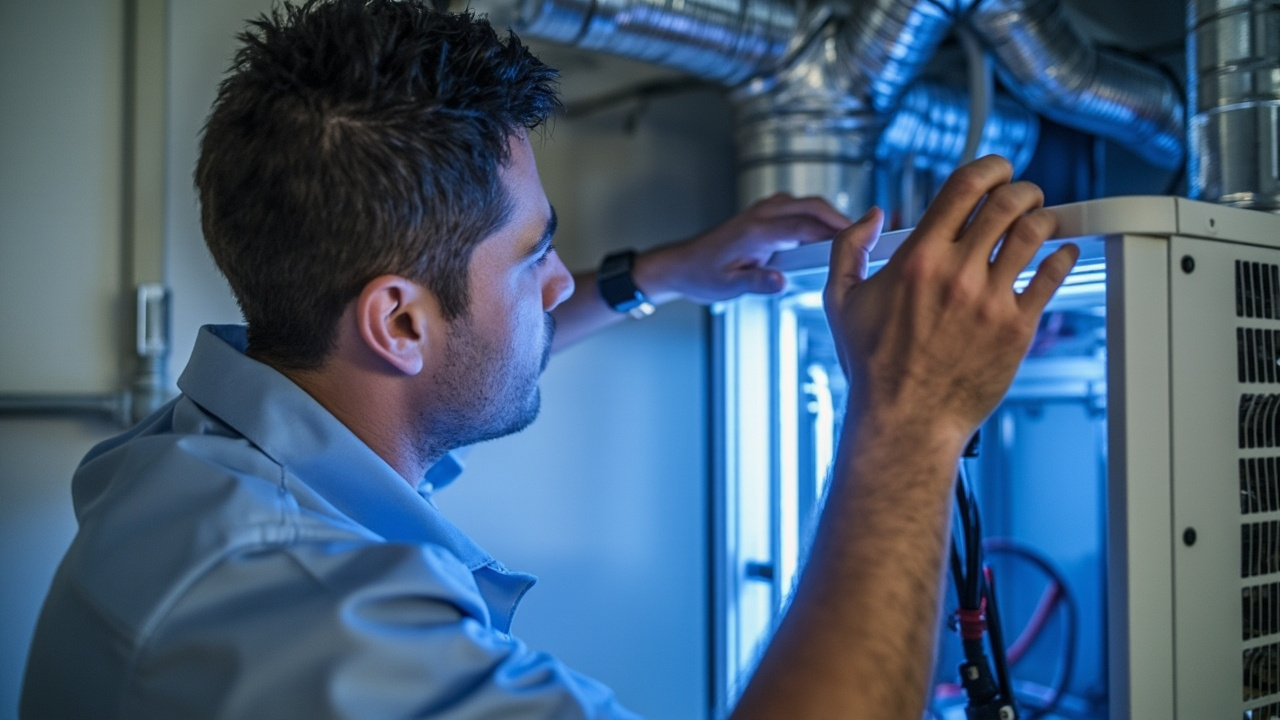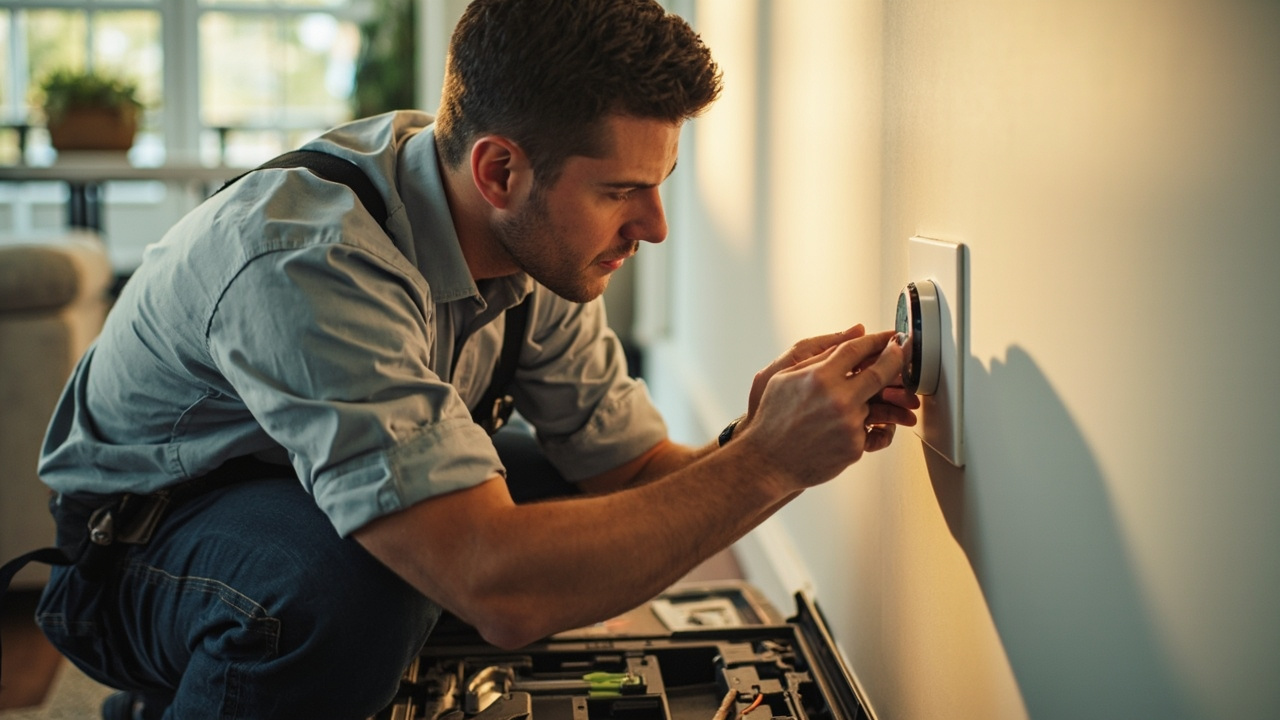
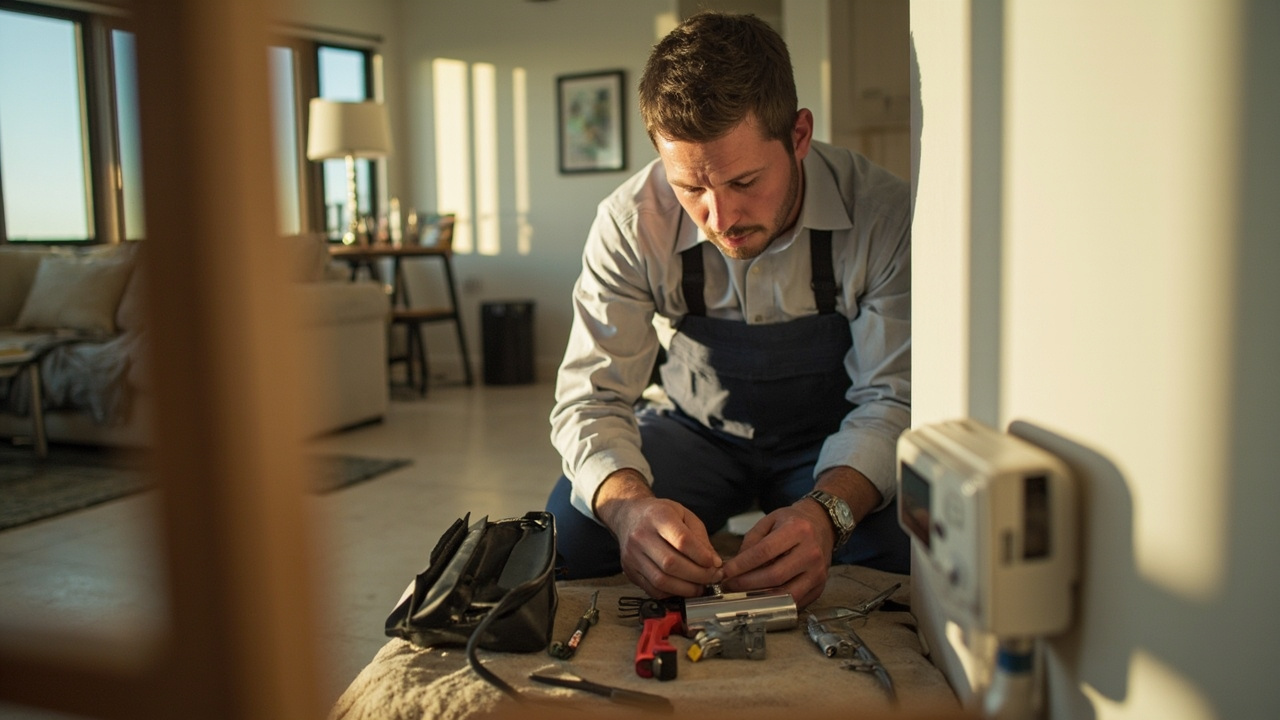
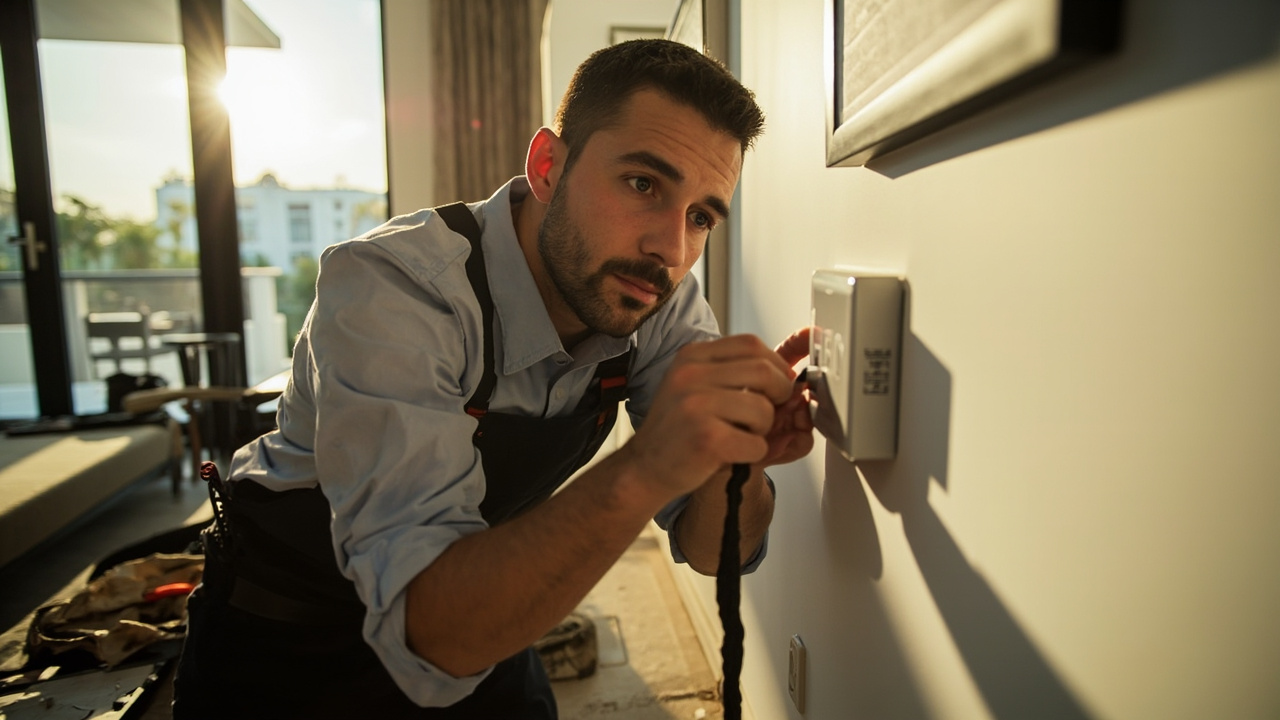
Miami's coastal environment accelerates corrosion on thermostat terminals and low-voltage wiring. Homes within three miles of Biscayne Bay or the Atlantic experience salt-laden air that oxidizes copper connections, creating high-resistance faults that interrupt smart thermostat communication. These failures mimic Wi-Fi connectivity problems, leading homeowners to reset routers when the real issue is a corroded wire nut inside the air handler. Professional smart thermostat setup includes treating all wire connections with dielectric grease and using corrosion-resistant terminals rated for marine environments. We also seal wall penetrations against moisture intrusion, which is critical in below-grade installations common in Miami Beach condos and waterfront properties.
Miami-Dade County enforces strict electrical codes for low-voltage wiring, particularly in flood-prone zones designated by FEMA maps. Smart thermostat installations must route wiring above the base flood elevation and use weatherproof junction boxes if any portion of the circuit is exposed to exterior conditions. Our technicians carry current flood zone maps and verify your property's elevation requirements before running new thermostat cable. This attention to code compliance protects you during insurance inspections after storm damage and prevents failed permitting if you sell your home. Local expertise in these regulations separates professional installations from DIY attempts that can jeopardize your coverage or resale value.