menu

Furnace Maintenance Checklist Miami – Keep Your System Running Through Hurricane Season and Year-Round Heat

Get a complete annual furnace inspection list and preventative heating maintenance guide tailored to Miami's tropical climate, humidity challenges, and seasonal storm threats that put unique stress on your HVAC system.

Slider Image 1
Slider Image 2
Slider Image 3
Slider Image 4
Slider Image 5
Slider Image 7
Slider Image 8
Slider Image 9
Slider Image 10
Slider Image 11

Why Miami Furnaces Need Different Maintenance Than the Rest of the Country

You live in a city where the AC runs 10 months a year and the heating system sits dormant until a cold front finally rolls through Biscayne Bay. That inactivity creates problems most northern homeowners never face.

Miami's salt air corrodes electrical connections faster than inland climates. The humidity breeds mold inside ductwork and on heat exchangers during the summer months when your furnace sits idle. When you flip the switch in January, you are asking a system that has been dormant for eight months to fire up instantly.

Most generic furnace tune-up checklists ignore these regional realities. They assume your system runs regularly during a northern winter. They do not account for the corrosive marine environment in Coral Gables or the microscopic salt particles that drift inland from South Beach and settle on your equipment.

A proper heating system maintenance steps protocol for Miami addresses these specific threats. Your annual furnace inspection list must include corrosion checks on electrical terminals, mold assessment in the heat exchanger, and condensate drain verification since humidity never stops here.

The preventative heating maintenance guide you follow should reflect the fact that your furnace spends more time off than on. Seals dry out. Pilot assemblies corrode. Ignition systems fail from disuse, not overuse. Your seasonal furnace service schedule needs to happen before that first cold snap when everyone in Kendall and Pinecrest simultaneously discovers their heat does not work.

Why Miami Furnaces Need Different Maintenance Than the Rest of the Country
The 12-Point Miami Furnace Maintenance Protocol

The 12-Point Miami Furnace Maintenance Protocol

A complete furnace inspection in Miami goes beyond the filter change your neighbor does once a year. You need a systematic approach that addresses both standard wear points and the environmental factors unique to South Florida.

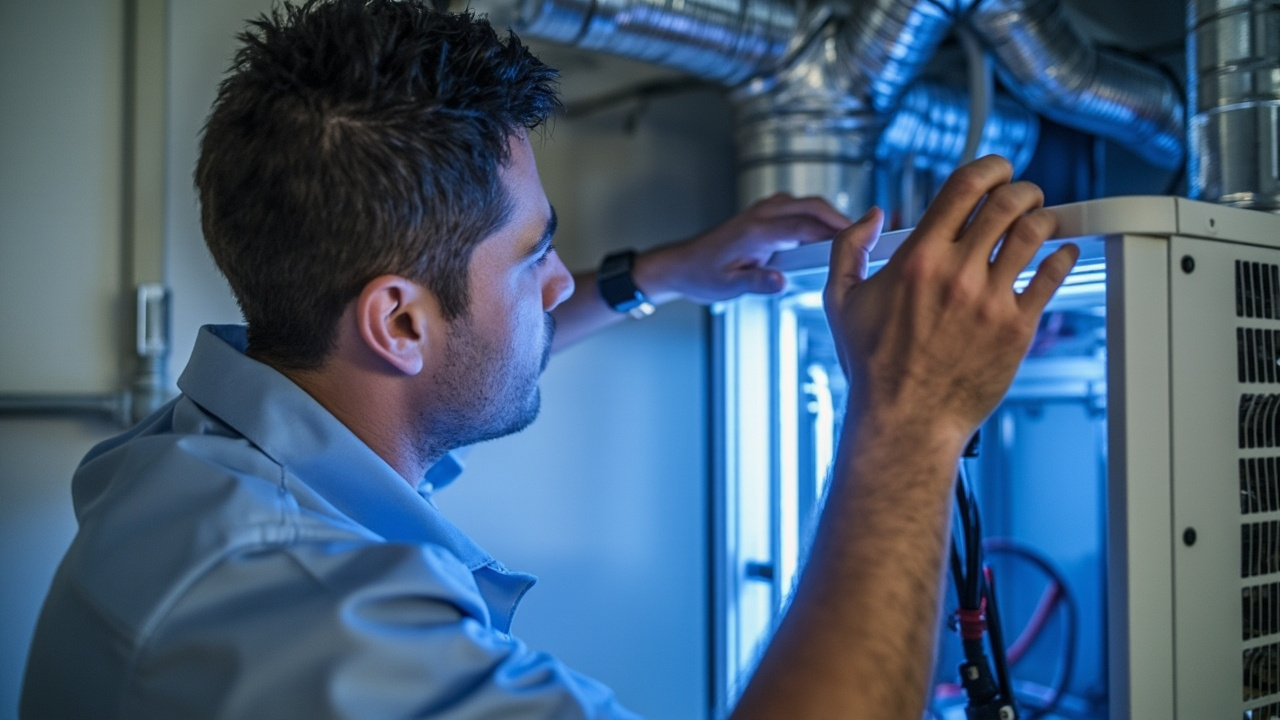
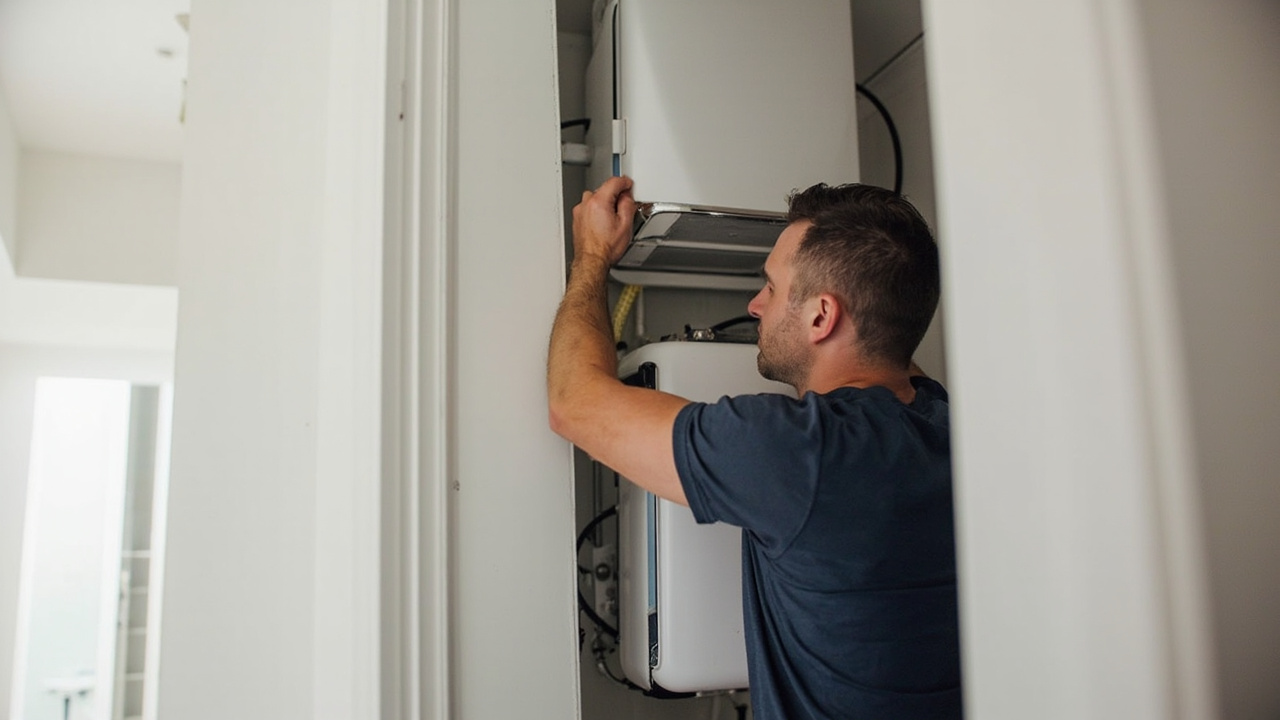
Start with the heat exchanger. Cracks here release carbon monoxide into your living space. In Miami, humidity accelerates metal fatigue. You need a visual inspection with a flashlight and mirror, looking for rust spots, hairline fractures, or discoloration that signals stress points. A camera scope inspection catches what the naked eye misses.

Check every electrical connection for corrosion. Salt air from the Atlantic creates a green oxidation layer on terminals that increases resistance and generates heat. Tighten connections, apply dielectric grease, and replace any corroded wire terminals before they fail.

Verify ignition system operation. Modern electronic ignition systems use a hot surface igniter or spark igniter. Both fail more frequently in high-humidity environments. Test the igniter for proper glow or spark. Measure voltage drop across connections. Clean the flame sensor rod that detects whether ignition actually occurred.

Inspect the condensate drain system even though you are checking a furnace. High-efficiency furnaces produce condensate, and Miami humidity means that drain line clogs faster than in dry climates. Flush the drain, check the trap, and verify the safety switch that shuts down the system if water backs up.

Test the blower motor and capacitor. The capacitor that starts your blower motor degrades faster in heat and humidity. Measure capacitance with a multimeter. Replace it if readings fall outside the rated range printed on the component.

How Your Furnace Maintenance Appointment Actually Works

Furnace Maintenance Checklist Miami – Keep Your System Running Through Hurricane Season and Year-Round Heat
01

Initial System Evaluation

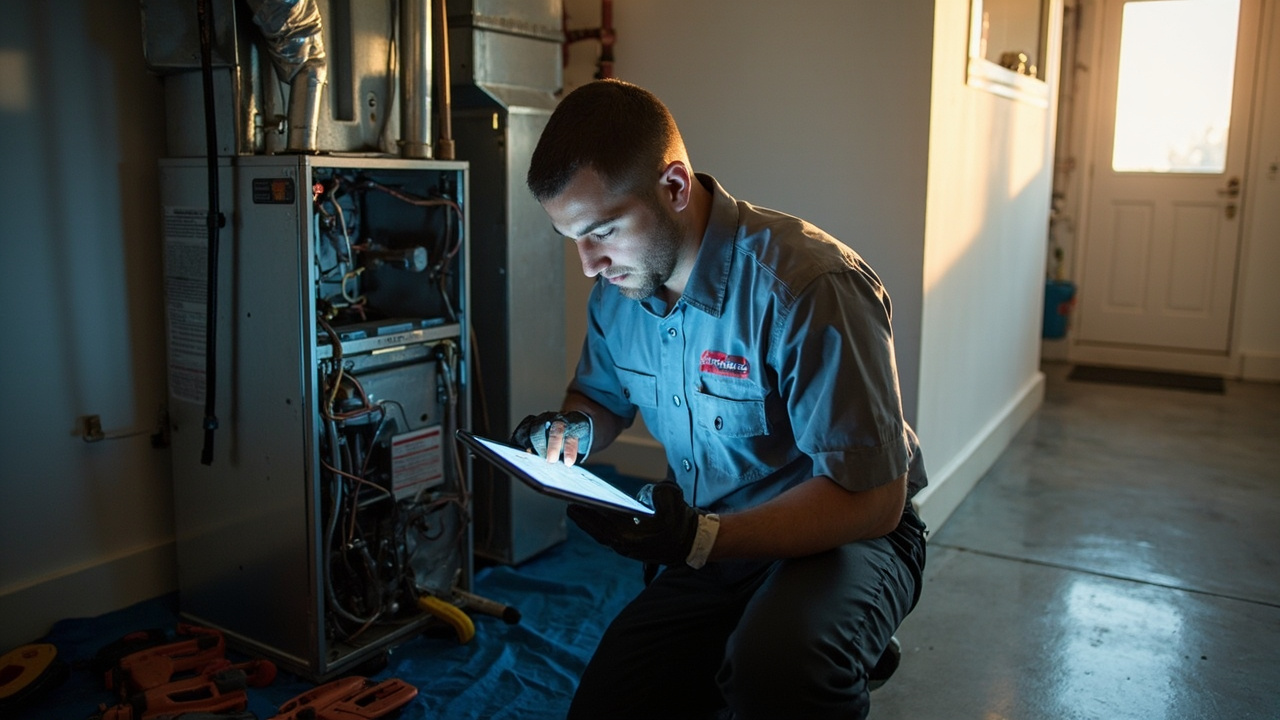
The technician starts by running your system through a complete heating cycle while monitoring temperature rise, ignition sequence, and flame characteristics. This reveals performance issues that do not show up when the system is off. You see real-time diagnostics before any tools come out of the truck. This baseline test catches problems your system compensates for but will not handle much longer.
02

Component-Level Inspection

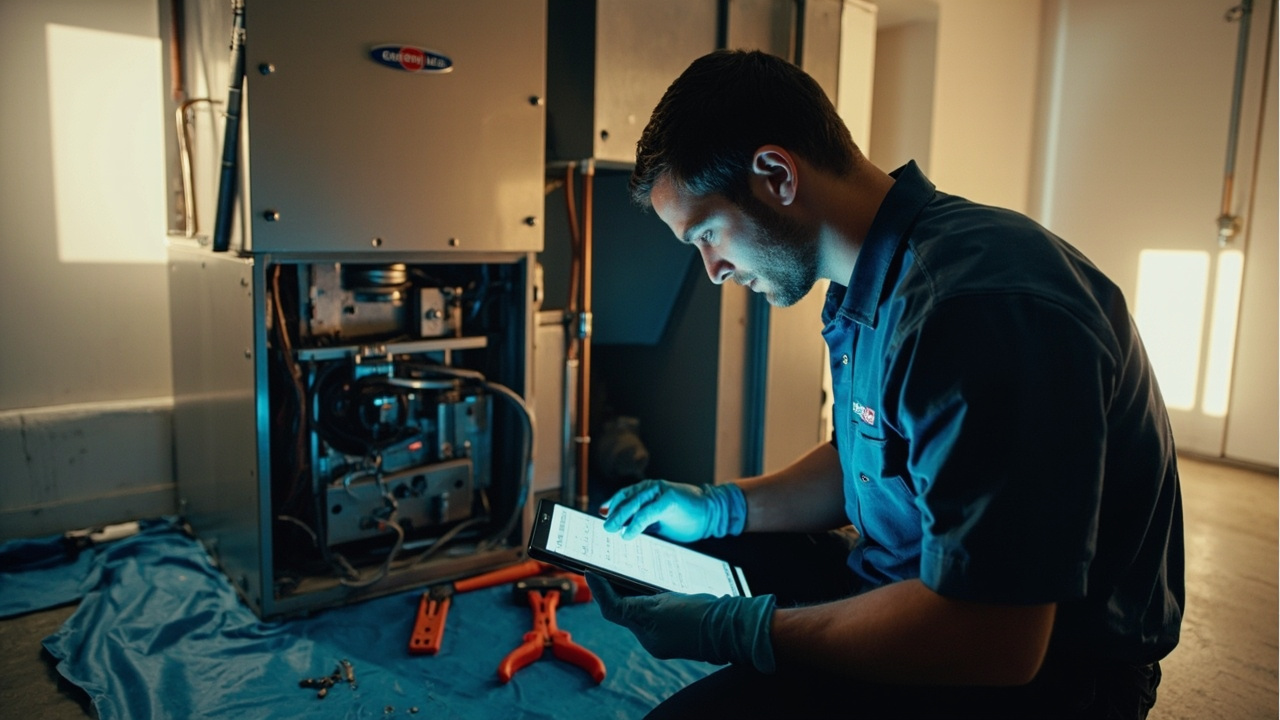
Each mechanical and electrical component gets individual attention. The technician measures voltage and amperage at the blower motor, tests the pressure switch that monitors venting, inspects the flame sensor for carbon buildup, and examines every gas connection with leak detection solution. You get a written report showing which components are within spec and which need attention before the next heating season arrives.
03

Performance Optimization

After inspection, the technician fine-tunes your system for peak efficiency. This includes adjusting gas pressure to manufacturer specifications, calibrating the thermostat, balancing airflow across all zones, and programming any smart thermostat features you are not using. You walk away knowing your system will fire reliably when that rare Miami cold front arrives, not leave you scrambling for space heaters.

Why You Need a Miami-Based Technician Who Knows Local HVAC Challenges

Technicians trained in northern climates approach furnace maintenance with assumptions that do not apply here. They expect regular seasonal use. They do not think about salt air corrosion. They have never seen a heat exchanger fail from humidity-accelerated rust instead of thermal stress.

Crestline HVAC Miami technicians deal with the specific failure modes that affect heating systems in Dade and Broward counties. We know that gas valves stick from lack of use. We know that electronic ignition systems fail faster here because humidity creates micro-arcing across circuit boards. We understand that your furnace competes with AC condensate for drain capacity and that salt air turns electrical connections into resistors.

Miami-Dade County has specific ventilation codes that differ from northern jurisdictions. Your furnace venting system must account for the fact that temperature differentials are smaller here. The draft your system creates is weaker than in cold climates. That affects proper venting and carbon monoxide safety. A technician unfamiliar with local code requirements might miss venting issues that become dangerous in our climate.

The company you hire should understand the building materials common to South Florida construction. Many Miami homes have concrete block walls and tile roofs. HVAC installations in these structures differ from wood-frame northern homes. Ductwork configurations are different. Access points are different. Equipment mounting considerations change when you are dealing with concrete instead of wood studs.

You need someone who has worked on systems in Coconut Grove's historic homes, dealt with the unique HVAC configurations in Brickell high-rises, and understands how equipment behaves differently three blocks from the ocean versus 10 miles inland.

What You Get During a Professional Furnace Maintenance Visit

Same-Day Service Availability

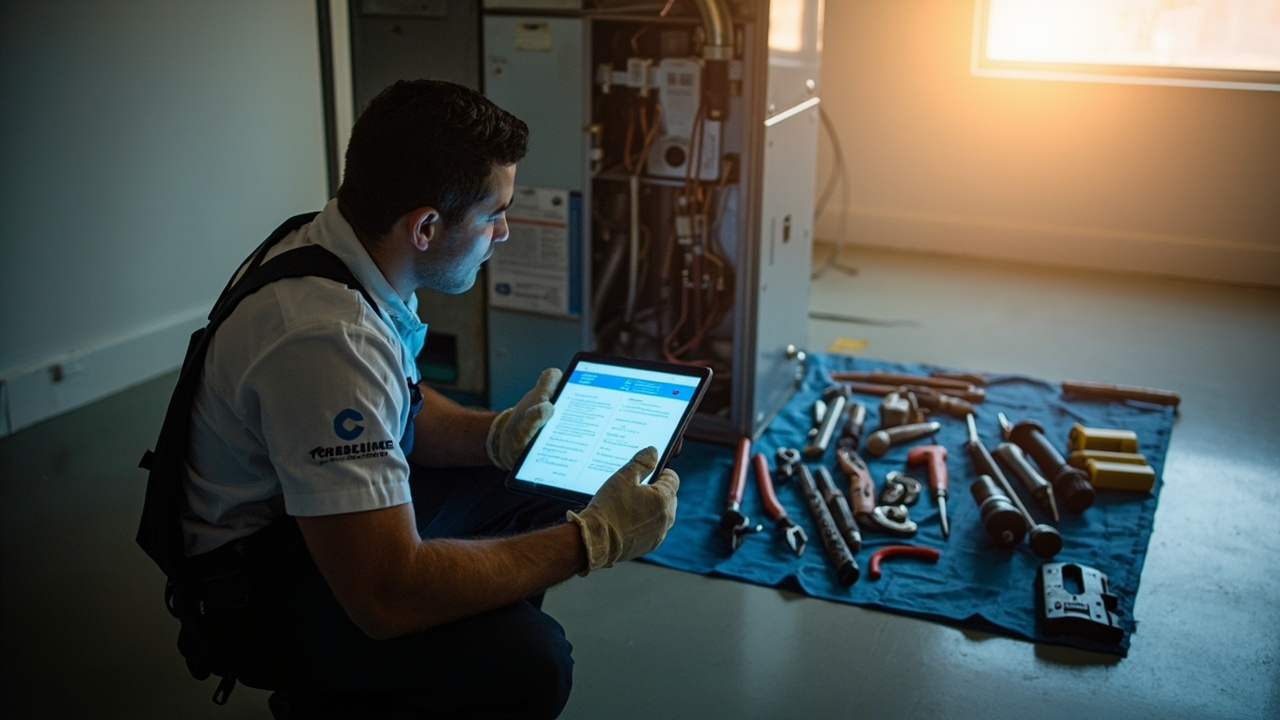
Schedule your annual furnace inspection during the fall before heating season begins and we can typically accommodate same-day or next-day appointments. Miami's heating season is compressed compared to northern climates, so when cold weather hits, everyone calls at once. Book your preventative maintenance in October or November when our schedule has flexibility. The appointment takes 90 minutes to two hours depending on your system complexity and any issues we discover during inspection. You do not need to be home the entire time, but someone should be present to grant access and receive the detailed findings report.

Complete Diagnostic Assessment

The inspection starts with a combustion analysis using digital meters that measure oxygen levels, carbon monoxide output, and combustion efficiency. You see exactly how your system performs compared to manufacturer specifications. The technician photographs any concerning components so you can see corrosion, cracks, or wear patterns yourself. You receive a written report listing every component tested, measurements taken, and recommendations prioritized by urgency. No surprises. No high-pressure upsells. Just objective data about your equipment condition and what needs attention now versus what can wait.

Restored Peak Performance

After maintenance, your furnace operates as close to new specifications as possible given its age. You get faster ignition, quieter operation, and more consistent temperature control. The system cycles less frequently because it heats efficiently instead of struggling to reach setpoint. Your energy consumption drops because the burner combusts fuel completely instead of wasting gas through incomplete combustion. Most importantly, you eliminate the carbon monoxide risk that comes from a deteriorating heat exchanger or blocked venting system. You sleep better knowing your heating system is safe and reliable.

Year-Round System Protection

Your maintenance visit includes recommendations for protecting your system during the long Miami summer when it sits unused. This might include installing a vent cover to keep humid air out of the heat exchanger, applying corrosion inhibitor to electrical terminals, or setting up a maintenance reminder before next heating season. We document your system's baseline performance so future technicians can track degradation over time. If you join a maintenance plan, you get priority scheduling during peak season, discounted repair rates, and automatic annual service reminders so your furnace stays ready regardless of how rarely you use it.

Frequently Asked Questions

You Have Questions,
We Have Answers

What maintenance should be done on a furnace? +

Furnace maintenance includes inspecting and cleaning the heat exchanger, checking the burner assembly for proper combustion, testing the ignition system, and examining all electrical connections. A technician will also inspect the flue pipe for blockages, test the thermostat calibration, and measure airflow across the system. In Miami, humidity control integration is critical, so checking the humidistat and dehumidifier connections matters. The blower motor gets lubricated, filters get replaced, and gas pressure gets measured to ensure safe operation. Carbon monoxide testing and safety control verification complete a thorough maintenance visit.

What is included in furnace tune-up? +

A furnace tune-up covers filter replacement, burner cleaning, and flame sensor inspection to ensure proper ignition. The technician tests the heat exchanger for cracks, checks gas connections for leaks, and measures manifold pressure. Electrical components get tightened, the blower assembly gets cleaned, and belt tension gets adjusted if needed. In Miami's humid climate, condensate drain lines also get flushed to prevent mold growth. The thermostat gets calibrated, safety switches get tested, and airflow gets balanced. You receive a detailed report showing system efficiency and any concerns that need attention before the heating season.

What is the average cost to service a furnace? +

Furnace service in Miami typically costs between $80 and $150 for a standard maintenance visit. This price includes filter replacement, system inspection, and minor adjustments. If repairs are needed, costs increase based on parts and labor. Miami's limited heating season means some companies bundle furnace maintenance with air conditioning service at a reduced rate. Service contracts often lower the per-visit cost. Complex repairs like heat exchanger replacement or control board issues run higher. Geographic factors and company overhead affect pricing. Get written estimates before authorizing any repair work beyond basic maintenance.

What parts of a furnace need to be cleaned? +

The blower assembly collects the most dust and requires thorough cleaning during maintenance. Burners accumulate carbon deposits that reduce efficiency and need scrubbing. The flame sensor gets coated with oxidation and must be cleaned for proper ignition. Heat exchangers need inspection and cleaning to prevent carbon monoxide risks. In Miami's dusty conditions near coastal areas, air filters clog faster and need regular replacement. The condensate drain pan and lines require flushing to prevent algae buildup. Flue pipes need checking for blockages. Electrical components get cleaned of debris to prevent shorts and failures.

What is the $5000 rule? +

The $5000 rule suggests you multiply the furnace's age by the repair cost. If the result exceeds $5000, replacement makes more financial sense than repair. For example, a 15-year-old furnace needing a $400 repair equals $6000, indicating replacement is smarter. This guideline helps homeowners avoid pouring money into aging equipment. In Miami, where furnaces run less frequently than northern climates, this rule needs adjustment. A well-maintained furnace here can last 20-plus years. Factor in energy efficiency gains from newer models and refrigerant phaseouts when making your decision.

Can I do furnace maintenance myself? +

You can handle basic tasks like filter replacement and keeping vents clear, but professional maintenance requires specialized tools and training. Checking gas connections demands leak detection equipment and safety knowledge. Testing carbon monoxide levels requires calibrated meters. Heat exchanger inspection needs visual expertise to spot cracks. In Miami, humidity interactions with HVAC systems add complexity that DIY approaches miss. Improper maintenance voids warranties and creates safety hazards. Gas furnaces involve combustion risks that require licensed technicians. You risk missing early warning signs that professionals catch. Schedule annual professional service and handle simple upkeep between visits.

What is the average cost of a full tune-up? +

A full furnace tune-up in Miami costs $90 to $175 depending on system complexity and company pricing. This includes comprehensive inspection, cleaning, testing, and minor adjustments. Some companies charge more for older systems or multi-stage furnaces. Service agreements reduce costs by bundling annual maintenance at discounted rates. Emergency or after-hours service commands premium pricing. Companies serving the greater Miami metro may charge travel fees for distant neighborhoods. The investment prevents breakdowns and maintains efficiency. Compare quotes from licensed contractors, but prioritize thoroughness over cheap pricing. Low-cost tune-ups often skip critical steps.

What is the most expensive part to fix on a furnace? +

The heat exchanger represents the most expensive furnace component to replace. A cracked heat exchanger requires immediate replacement due to carbon monoxide risks. Costs range from $1000 to $2500 including labor. Control boards run $400 to $800 installed. Variable-speed blower motors cost $600 to $1200. In Miami's climate, heat exchangers last longer due to less thermal stress from limited runtime. Gas valves and ignition systems also carry significant repair costs. When facing heat exchanger replacement on a furnace over 15 years old, total replacement often makes better financial sense than repair.

Is it necessary to get a furnace tune-up every year? +

Annual furnace tune-ups prevent breakdowns and maintain efficiency, making them necessary even in Miami's mild climate. Limited runtime does not eliminate the need for inspection. Burners still accumulate deposits, filters still clog, and electrical connections still corrode. Carbon monoxide risks exist regardless of usage frequency. Manufacturer warranties often require documented annual maintenance. In Miami, bundling furnace service with air conditioning maintenance makes practical sense since both systems share components. Skipping maintenance leads to premature failures and safety hazards. One annual visit catches small issues before they become expensive emergencies during the few cold nights you need heat.

How Miami's Tropical Marine Climate Accelerates Furnace Component Failure

The same ocean breeze that makes your lanai comfortable carries microscopic salt particles that infiltrate your HVAC system. Salt deposits on electrical connections create galvanic corrosion between dissimilar metals. This accelerates the failure of ignition modules, flame sensors, and gas valve operators. Your furnace experiences more environmental stress sitting idle in Miami humidity for eight months than a Chicago furnace gets running daily through a northern winter. The seasonal furnace service schedule that works in temperate climates fails here because corrosion does not stop when your system is off. You need preventative heating maintenance that addresses humidity-related deterioration, not just mechanical wear from operation.

Heating contractors serving Miami understand the difference between textbook maintenance and what your equipment actually needs in this climate. Crestline HVAC Miami technicians see the same failure patterns repeatedly because we specialize in this coastal environment. We know which components fail first in Coral Gables versus Homestead. We stock the parts that fail most frequently in marine climates, so we fix problems during the initial visit instead of ordering components that generic suppliers do not carry. When you work with a company that focuses on Miami-area HVAC, you get maintenance based on local experience, not generic procedures written for climates that bear no resemblance to South Florida.
HVAC Services in The Miami Area

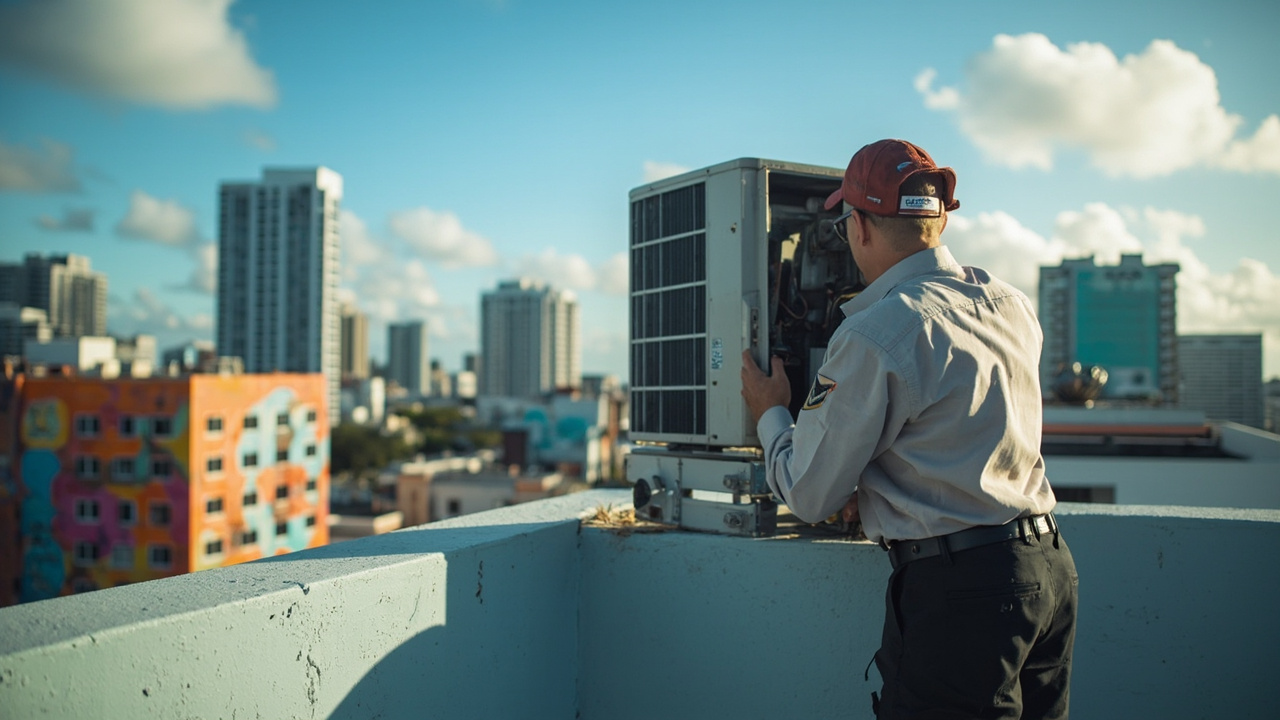
We proudly serve homeowners and businesses throughout Miami and nearby communities with dependable HVAC services. Whether you're in the heart of downtown or in the surrounding suburbs, our team is just a call away. Check the map below to see our service coverage. If your area isn’t listed, don’t worry—give us a call. We frequently accommodate special requests and go the extra mile to ensure our customers receive expert heating and cooling solutions, no matter where they are located.

Address:
Crestline HVAC Miami, 2332 Galiano St, Miami, FL, 33134

Additional Services We Offer

Our news updates

Latest Articles & News from The Blogs

Commercial HVAC Services for Business Owners in Wynwood Who Can't Afford DowntimeRunning a business in the heart of Wynwood requires…

Commercial HVAC Services for Business Owners in Wynwood Who Can't Afford Downtime

Commercial HVAC Services for Business Owners in Wynwood Who Can't Afford DowntimeRunning a business in the heart of Wynwood requires…

Choosing Between Air Scrubbers and UV Lights for Your Home in the Sunset Neighborhood

Choosing Between Air Scrubbers and UV Lights for Your Home in the Sunset NeighborhoodLiving in the Sunset neighborhood near South…

Protecting Your Outdoor AC Unit During a Tropical Storm in Virginia Key

Virginia Key residents face unique challenges during the Atlantic hurricane season. The proximity to the ocean and low elevation make…

Contact Us

Do not wait until your heat fails on the coldest morning of the year. Call Crestline HVAC Miami at (645) 231-4777 to schedule your annual furnace maintenance now. Get your system inspected, cleaned, and tuned before heating season arrives.