


Palmetto Bay sits in a climate zone that punishes air conditioning systems year-round. Salt air from Biscayne Bay corrodes outdoor condenser units faster than inland areas. Humidity levels above 70 percent for eight months straight create mold growth in ductwork and drain lines. Your system runs nearly 300 days per year, compared to 180 days in northern states.
The village's mature tree canopy drops debris that clogs condensers in neighborhoods like Cutler Cay and Palmetto Bay Estates. Afternoon thunderstorms flood low-lying areas near Coral Reef Park, damaging ground-level equipment. Miami-Dade County requires permits for most HVAC work, and installations must meet strict wind load requirements for hurricane resistance.
Older homes built before 2002 often have undersized systems that struggle with modern insulation standards. Many split-level homes near Old Cutler Road have zoning issues where the second floor runs 10 degrees warmer than the first. Pool equipment on the same electrical panel can trip breakers during peak cooling demand. These are not problems you solve with generic advice from a national chain. You need a technician who understands how South Florida weather and Palmetto Bay's specific conditions affect your system.
Crestline HVAC Miami has served Miami-Dade County for over 15 years, with hundreds of installations and repairs completed in Palmetto Bay alone. We are not a franchise operation following a corporate script. Our technicians live in the area, understand the challenges of coastal climate control, and recognize the architectural differences between neighborhoods.
We stock parts for every major brand on our trucks because we know most failures happen during the hottest days when you cannot wait for an order. Our average response time for emergency calls in Palmetto Bay is under two hours. We arrive with diagnostic equipment that identifies problems other companies miss, like refrigerant leaks caused by formicary corrosion or compressor failures from dirty coils.
Our pricing is straightforward. You get a written estimate before any work begins. We explain what failed, why it failed, and what you can do to prevent it next time. No pressure tactics about replacing your entire system when a repair will work fine. We have maintained relationships with suppliers that let us offer competitive pricing on new installations without cutting corners on quality.
When we install a new system, we perform Manual J load calculations to size it correctly for your home. We do not guess based on square footage like some competitors. We check ductwork for leaks, verify refrigerant charge with digital gauges, and test airflow at every register. Our installations pass Miami-Dade County inspections the first time because we follow Florida Building Code exactly. We service what we install, and we stand behind our work with real warranties that we actually honor.

We answer emergency calls 24 hours a day, seven days a week. Most Palmetto Bay service calls get a technician to your door within two hours. We carry parts for the 30 most common failures on every truck, which means we fix most problems the same day without a return visit. No waiting three days in the heat.

You get a written estimate before we touch your system. No hidden diagnostic fees, no surprise charges after the work is done. We explain what needs to be fixed, what can wait, and what preventive maintenance will save you money later. Our goal is to earn your trust for the next repair, not maximize profit on this one.
Every technician holds a State of Florida HVAC license and carries liability insurance. We pull permits for installations and major repairs as required by Miami-Dade County. Our work passes inspection the first time because we follow code exactly. You get documentation for your home records and future resale value.
We have worked in every neighborhood from Coral Reef Drive to the Deering Bay Yacht and Country Club. We know which homes have undersized ductwork, which areas flood during heavy rain, and how salt air affects equipment near the bay. Local knowledge means faster diagnosis and better solutions for your specific property.
Crestline HVAC Miami handles everything from emergency breakdowns to complete system replacements. We service all major brands including Carrier, Trane, Lennox, Rheem, Goodman, and American Standard. Our technicians diagnose problems using electronic leak detectors, refrigerant analyzers, and airflow meters instead of guessing based on symptoms.
We separate our services into three main categories based on what Palmetto Bay homeowners need most. Emergency repairs get you back to comfort fast when something breaks. Preventive maintenance keeps systems running efficiently and catches small problems before they become expensive failures. New installations and replacements give you modern efficiency and reliability when repair costs no longer make sense. Each service category requires different skills, equipment, and response times. We staff accordingly so you get the right technician for your specific situation. Whether you need a quick fix at midnight or a carefully planned system upgrade, we have the team and tools to handle it correctly.
When your AC stops cooling or your heater fails on a cold night, we respond fast. Emergency service means a technician arrives within hours, not tomorrow or next week. We diagnose the problem, explain your options, and fix it the same day whenever possible. Common emergency repairs include compressor failures, refrigerant leaks, electrical issues, frozen coils, and blower motor replacements. We stock parts on our trucks to avoid delays. You get your home comfortable again without waiting days for an appointment.
When repair costs exceed half the value of your system or your unit is over 15 years old, replacement makes more financial sense. We perform Manual J load calculations to size your new system correctly for your home's square footage, insulation, and layout. We install high-efficiency units that lower your electric bills and qualify for utility rebates. Installation includes new ductwork if needed, proper refrigerant charging, airflow testing, and county permits. You get a warranty on parts and labor, plus documentation for your home records.
Regular maintenance extends system life and prevents breakdowns during peak summer heat. Our tune-up includes cleaning coils, checking refrigerant levels, testing electrical connections, lubricating motors, inspecting ductwork for leaks, and replacing filters. We catch small problems like a failing capacitor before it damages your compressor. Maintenance customers get priority scheduling and discounts on repairs. Most systems need service twice a year in South Florida because they run constantly. Skipping maintenance voids most manufacturer warranties and costs you more in emergency repairs and higher electric bills.
South Florida's climate and Palmetto Bay's coastal location create specific problems you will not find in other parts of the country. Salt air from Biscayne Bay corrodes metal components faster than normal wear and tear. Humidity breeds mold in ductwork and drain lines. Afternoon thunderstorms cause power surges that damage circuit boards and compressors. Your system runs nearly every day of the year, which means parts wear out faster.
Older homes in neighborhoods near Old Cutler Road were built when air conditioning was less powerful and energy codes were looser. Adding insulation or closing in a carport changes your cooling load but the original system stays undersized. Two-story homes struggle with temperature imbalances because hot air rises and ductwork was poorly designed. These problems compound over time until small inefficiencies become complete system failures. Recognizing these issues early saves you thousands in emergency repairs and wasted energy costs.
Salt air causes formicary corrosion in copper refrigerant lines, creating pinhole leaks that slowly drain your system. You notice reduced cooling and higher electric bills before the system stops working completely. Simply adding more refrigerant without fixing the leak wastes money and damages the compressor. We use electronic leak detectors to find the exact location, then repair or replace the damaged section permanently.
High humidity causes condensation that drains from your indoor unit through a PVC line. Algae and mold grow in the line and create clogs that back water into your home or shut down the system. You see water pooling near the air handler or smell musty odors from vents. Regular drain line cleaning with proper biocide treatment prevents clogs and keeps indoor air quality healthy.
Homes built before 2002 often have air conditioning systems sized for lower insulation standards and smaller square footage. Adding a room, enclosing a patio, or upgrading insulation changes your cooling load but the old system cannot keep up. The unit runs constantly, never reaches the thermostat setting, and drives up your electric bill. Proper load calculation determines if you need a larger system or better ductwork.
Outdoor condenser coils collect dirt, leaves, and pollen that block airflow and force your compressor to work harder. Over time, this extra strain causes the compressor to overheat and fail. Replacing a compressor costs as much as a new system in many cases. Annual coil cleaning during preventive maintenance prevents this expensive failure and keeps your system running efficiently for its full lifespan.
When your HVAC system fails, you need clear communication and fast action. We answer our phone during business hours, and an on-call technician responds to emergencies after hours. You talk to a real person who asks specific questions about your problem to dispatch the right technician with the right parts.
Our service calls follow a consistent process designed to fix your problem correctly the first time. You get an arrival window, not an all-day wait. The technician calls 30 minutes before arrival so you are not stuck at home wondering when we will show up. Once on site, we diagnose the problem, explain what failed and why, then provide a written estimate before starting any work. You approve the repair and the cost before we touch your system. After the repair, we test the system completely to make sure it runs correctly and efficiently. You get an invoice that clearly lists what we did, what parts we used, and what warranty covers the work. This is not complicated. It is basic customer service that many companies skip when they get busy.
You will not chase us for updates or wonder when we will arrive. We provide a specific arrival window and call 30 minutes before the technician gets to your home. During the visit, we explain what we find in plain language without technical jargon meant to confuse you. You get photos of the problem when relevant, a written estimate before any work starts, and a detailed invoice when we finish. If we need to order a part, we tell you exactly when it will arrive and schedule the installation immediately.
Our technicians wear shoe covers, use drop cloths, and clean up completely before they leave. We do not track dirt through your house or leave a mess in your yard. We arrive in clean uniforms driving clearly marked trucks so you know who is at your door. Most repairs take one to three hours depending on complexity. We work efficiently because we have the right tools and parts, not because we rush and make mistakes. Your time matters, and we respect that.
Every repair comes with a warranty on parts and labor. If something we installed fails prematurely, we come back and fix it at no charge. We do not use cheap aftermarket parts that save us money but fail quickly. We install OEM manufacturer parts or high-quality equivalents that last. After the repair, we test the entire system to make sure it cools efficiently, moves air properly, and will not fail again from a related issue we could have caught. You get documentation for your records including what we replaced and what warranty covers it.
We keep our process simple because HVAC repair should not be complicated. Three clear steps get your system running again without confusion or surprise costs.
The technician arrives within your scheduled window, introduces himself, and asks you to describe the problem. He inspects your system using diagnostic tools like refrigerant gauges, electrical meters, and airflow meters to identify the exact cause of failure. He explains what failed, why it failed, and what repair options you have. You receive a written estimate that includes parts, labor, and any permits required. Nothing happens until you approve the price and the work.
Once you approve the estimate, the technician completes the repair using parts from his truck or orders specialty components if needed. He replaces the failed part, reassembles the system, and tests it under full load to make sure it cools properly and runs efficiently. He checks airflow at registers, verifies refrigerant charge, and inspects related components that could cause future problems. You watch the system run and confirm it works correctly before he leaves.
You receive a detailed invoice listing exactly what we repaired, what parts we installed, and what warranty covers the work. The technician explains any maintenance recommendations to prevent future problems and answers your questions about operating your system efficiently. We follow up within a week to make sure everything still works correctly. You keep our contact information for future service, and we keep your system information on file so the next technician knows your equipment history.
Professional HVAC installation and repair in Miami-Dade County requires more than basic mechanical skills. Every technician must hold a State of Florida HVAC license issued by the Department of Business and Professional Regulation. This means passing exams on refrigeration theory, electrical systems, and Florida Building Code requirements specific to our climate zone.
Palmetto Bay falls under the Florida Building Code, which incorporates stricter wind load requirements than standard national codes. Outdoor condensers must be anchored to concrete pads designed to withstand 175 mph sustained winds. Refrigerant lines require secondary protection in areas subject to storm debris. Electrical disconnects must be positioned where they remain accessible after hurricane damage. These requirements exist because we live in a hurricane zone where equipment failures can cause serious property damage and safety hazards.
Manual J load calculations are required by code for new installations and major renovations, though many contractors skip this step to save time. A proper calculation accounts for your home's square footage, insulation levels, window types, orientation, and internal heat loads from appliances and occupants. Undersizing a system by even half a ton means it runs constantly and never dehumidifies properly. Oversizing causes short cycling that wastes energy and wears out components faster.
Refrigerant handling follows EPA Section 608 regulations that require recovery and proper disposal of old refrigerant. Simply venting refrigerant to the atmosphere carries federal fines up to $37,500 per violation. We use recovery machines and certified recycling to comply with federal law and protect the environment. Newer refrigerants like R-410A operate at higher pressures than older R-22, which means different gauges, hoses, and installation techniques. Mixing refrigerants or using improper charging methods damages compressors and voids warranties.
Ductwork installation and modification requires understanding airflow dynamics that most handymen get wrong. Ducts must be sized correctly for the air volume your system moves, sealed at every joint to prevent loss, and insulated to prevent condensation in unconditioned spaces like attics. Miami-Dade County requires duct pressure testing for new installations to verify less than 6 percent leakage. Poor ductwork wastes 30 percent of your cooling capacity and drives up electric bills even when the equipment runs perfectly.
Florida requires HVAC contractors to hold a state license issued by the DBPR after passing exams on mechanical systems, electrical theory, and building codes. Technicians must also hold EPA Section 608 certification to handle refrigerants legally. Many companies hire unlicensed helpers who lack the training to diagnose problems correctly or follow code requirements. Always verify your technician carries proper credentials before allowing work on your system.
Repair costs depend on which component failed and how difficult it is to access. A simple capacitor replacement costs under $200 while a compressor replacement can exceed $2,000. New system costs vary based on efficiency rating, brand reputation, system size, and installation complexity. A basic 14 SEER system costs less than a high-efficiency 18 SEER model, but the efficient unit saves money on electric bills over its lifetime. Financing options and utility rebates offset upfront costs.
Most repairs take one to three hours once the technician diagnoses the problem and has parts available. Complete system replacements take one to two days depending on ductwork modifications and permit inspections. We schedule installations to minimize disruption and complete the work as quickly as possible without rushing and making mistakes. Emergency repairs get priority scheduling, often same-day service if you call before noon. Preventive maintenance visits take 60 to 90 minutes per system.
Miami-Dade County requires permits for new installations, system replacements, and major repairs involving refrigerant lines or electrical work. We pull permits as part of our service and coordinate inspections with the county building department. Permitted work protects your home value and ensures insurance coverage in case of damage. Skipping permits saves a few hundred dollars upfront but creates problems when you sell your home or file an insurance claim after a hurricane.
This video explains common HVAC problems affecting Palmetto Bay homes including refrigerant leaks from salt air corrosion, clogged drain lines from humidity, undersized systems in older construction, and compressor failure from dirty coils. It covers the professional repair process, Miami-Dade County permit requirements, and how to choose a qualified HVAC contractor. Crestline HVAC Miami provides emergency air conditioning repair and heating service throughout Palmetto Bay with licensed technicians and same-day service availability.
Crestline HVAC Miami serves the entire Palmetto Bay community from Coral Reef Drive in the north to the Cutler Bay border in the south. We know the unique characteristics of every neighborhood because we have worked in these areas for over 15 years. Homes along Old Cutler Road face increased salt air exposure from Biscayne Bay, which accelerates corrosion on outdoor condenser units. We recommend more frequent coil cleaning and protective coatings for systems in these coastal areas.
The Palmetto Bay Estates neighborhood features larger homes built in the 1970s and 1980s with original HVAC systems reaching the end of their service life. Many of these properties have undersized ductwork for modern cooling loads and benefit from zone control upgrades when replacing aging equipment. Cutler Cay residents deal with dense tree canopy that drops leaves and seeds into condenser units, requiring more frequent outdoor coil maintenance to prevent airflow restriction.
Properties near Coral Reef Park and the village center often sit in lower elevation areas that collect water during heavy afternoon thunderstorms. Ground-level condensers in these locations risk flood damage and benefit from elevated mounting platforms. We have installed dozens of systems in this area and understand the drainage challenges specific to these streets.
East Palmetto Bay homes closer to US-1 and the Deering Bay area typically feature newer construction with modern HVAC systems, but they face humidity challenges from proximity to the waterfront. These properties need careful attention to ductwork sealing and dehumidification capacity to prevent mold growth in air handlers and supply ducts. West Palmetto Bay neighborhoods near SW 87th Avenue often have older homes with split-level designs that create hot spots on upper floors, requiring proper system sizing and damper controls for balanced comfort.
We also serve surrounding communities including Pinecrest to the north, Cutler Bay to the south, and Kendall to the west. Our service area extends throughout Miami-Dade County, but Palmetto Bay remains a core focus because we understand the specific challenges this coastal village presents for HVAC systems. Whether you live in a waterfront estate or a traditional single-family home in the interior neighborhoods, we have experience with your property type and the problems it faces.
Replace your air filter every 30 to 45 days in Palmetto Bay. The humid climate creates more airborne particles and mold spores. Your system works harder in this environment, pulling more contaminants through the filter. Check your filter monthly. If you see visible dirt buildup, replace it immediately. Homes with pets or allergy sufferers need more frequent changes. A clean filter improves air quality, reduces energy consumption, and prevents system breakdowns. Set a phone reminder to check your filter on the first day of each month.
Most Palmetto Bay homes need 2.5 to 5 tons of cooling capacity. A typical 1,500 square foot home needs about 3 tons. Your actual needs depend on ceiling height, insulation quality, window placement, and sun exposure. South-facing homes with poor insulation need more capacity. A professional load calculation accounts for these factors. Oversized units cycle on and off too frequently, failing to remove humidity. Undersized units run continuously without reaching comfortable temperatures. Request a Manual J calculation before purchasing any new equipment.
Replacement expenses vary based on system size, efficiency rating, and installation complexity. A standard residential system typically ranges from several thousand to over ten thousand dollars. Higher SEER ratings increase upfront investment but lower monthly operating expenses. Two-story homes or homes requiring ductwork modifications add to the total. Get three written estimates from licensed contractors. Compare equipment brands, SEER ratings, and what each proposal includes. Financing options help spread the investment over time. Focus on long-term value, not just the lowest initial quote.
Replace your air filter every 30 to 45 days in Palmetto Bay. The humid climate creates more airborne particles and mold spores. Your system works harder in this environment, pulling more contaminants through the filter. Check your filter monthly. If you see visible dirt buildup, replace it immediately. Homes with pets or allergy sufferers need more frequent changes. A clean filter improves air quality, reduces energy consumption, and prevents system breakdowns. Set a phone reminder to check your filter on the first day of each month.
Most Palmetto Bay homes need 2.5 to 5 tons of cooling capacity. A typical 1,500 square foot home needs about 3 tons. Your actual needs depend on ceiling height, insulation quality, window placement, and sun exposure. South-facing homes with poor insulation need more capacity. A professional load calculation accounts for these factors. Oversized units cycle on and off too frequently, failing to remove humidity. Undersized units run continuously without reaching comfortable temperatures. Request a Manual J calculation before purchasing any new equipment.
Replacement expenses vary based on system size, efficiency rating, and installation complexity. A standard residential system typically ranges from several thousand to over ten thousand dollars. Higher SEER ratings increase upfront investment but lower monthly operating expenses. Two-story homes or homes requiring ductwork modifications add to the total. Get three written estimates from licensed contractors. Compare equipment brands, SEER ratings, and what each proposal includes. Financing options help spread the investment over time. Focus on long-term value, not just the lowest initial quote.
Your AC freezes when airflow drops below what the evaporator coil needs. Dirty filters block air movement. Low refrigerant levels reduce pressure and temperature inside the coil. Blocked return vents or closed registers restrict airflow. Dirty evaporator coils accumulate dust and reduce heat transfer. A failing blower motor moves less air across the coil. Turn off your system immediately when you see ice. Let it thaw completely before restarting. Call a technician to diagnose the root cause. Running a frozen system damages your compressor.
Most modern AC systems handle humidity adequately when properly sized and maintained. You need a separate dehumidifier if indoor humidity stays above 60 percent when your AC runs. Oversized air conditioners cool quickly but remove less moisture. Homes with poor ventilation or frequent door openings struggle with humidity. Whole-home dehumidifiers integrate with your HVAC system. They remove moisture without overcooling your space. Portable units work for specific rooms. Monitor humidity with an inexpensive hygrometer. Keep levels between 40 and 50 percent for comfort and mold prevention.
A straightforward AC replacement takes 6 to 8 hours for most Palmetto Bay homes. This includes removing the old unit, installing the new equipment, and testing the system. Complex installations requiring ductwork modifications or electrical upgrades take one to two days. Two-story homes need more time. Your contractor should complete most work in a single day. Some situations require a second visit for final testing. Ask your contractor for a specific timeline during the estimate. Plan to be home during installation to answer questions and approve the work.
Choose a SEER rating between 16 and 18 for South Florida. The climate demands year-round cooling, making efficiency crucial for long-term savings. Systems rated 16 SEER offer good efficiency at reasonable investment levels. Higher ratings like 18 to 20 SEER reduce operating expenses further. Each SEER point above 14 reduces energy consumption by roughly 7 percent. Your home's insulation and ductwork condition affect real-world performance. Match your investment to how long you plan to stay in your home. Higher efficiency pays back faster in hot climates.
Your bill climbs when your system works harder than necessary. Dirty filters restrict airflow, forcing longer run times. Refrigerant leaks reduce cooling capacity. Air leaks in ductwork waste cooled air. Poor insulation lets heat enter your home faster. An aging system loses efficiency over time. Blocked outdoor units restrict heat release. Set your thermostat to 78 degrees when home. Use ceiling fans to improve comfort. Schedule annual maintenance to keep efficiency high. Check for air leaks around windows and doors. Replace systems older than 15 years.
Low refrigerant causes ice buildup on indoor coils and weak cooling. You'll see frost on refrigerant lines. The system runs constantly without reaching set temperatures. A tune-up addresses dirty coils, worn belts, and filter issues. Your system cools adequately but works harder than normal. Listen for hissing sounds indicating refrigerant leaks. Check for ice on copper lines near the outdoor unit. A technician measures refrigerant levels and system pressures. Refrigerant leaks need immediate repair. Regular maintenance prevents most refrigerant issues and extends equipment life.
Salt air accelerates corrosion on outdoor AC units near Biscayne Bay. Coastal homes experience faster deterioration of metal components. Aluminum fins on condensers corrode and reduce efficiency. Salt deposits block airflow and trap moisture. Rinse your outdoor unit monthly with fresh water from a garden hose. Spray from inside the unit outward to push debris away. Apply corrosion-resistant coating during installation. Choose units with enhanced coastal protection. Keep vegetation trimmed back for better airflow and easier rinsing. Schedule annual professional cleaning. Homes within a mile of the bay need extra attention.
Your AC freezes when airflow drops below what the evaporator coil needs. Dirty filters block air movement. Low refrigerant levels reduce pressure and temperature inside the coil. Blocked return vents or closed registers restrict airflow. Dirty evaporator coils accumulate dust and reduce heat transfer. A failing blower motor moves less air across the coil. Turn off your system immediately when you see ice. Let it thaw completely before restarting. Call a technician to diagnose the root cause. Running a frozen system damages your compressor.
Most modern AC systems handle humidity adequately when properly sized and maintained. You need a separate dehumidifier if indoor humidity stays above 60 percent when your AC runs. Oversized air conditioners cool quickly but remove less moisture. Homes with poor ventilation or frequent door openings struggle with humidity. Whole-home dehumidifiers integrate with your HVAC system. They remove moisture without overcooling your space. Portable units work for specific rooms. Monitor humidity with an inexpensive hygrometer. Keep levels between 40 and 50 percent for comfort and mold prevention.
A straightforward AC replacement takes 6 to 8 hours for most Palmetto Bay homes. This includes removing the old unit, installing the new equipment, and testing the system. Complex installations requiring ductwork modifications or electrical upgrades take one to two days. Two-story homes need more time. Your contractor should complete most work in a single day. Some situations require a second visit for final testing. Ask your contractor for a specific timeline during the estimate. Plan to be home during installation to answer questions and approve the work.
Choose a SEER rating between 16 and 18 for South Florida. The climate demands year-round cooling, making efficiency crucial for long-term savings. Systems rated 16 SEER offer good efficiency at reasonable investment levels. Higher ratings like 18 to 20 SEER reduce operating expenses further. Each SEER point above 14 reduces energy consumption by roughly 7 percent. Your home's insulation and ductwork condition affect real-world performance. Match your investment to how long you plan to stay in your home. Higher efficiency pays back faster in hot climates.
Your bill climbs when your system works harder than necessary. Dirty filters restrict airflow, forcing longer run times. Refrigerant leaks reduce cooling capacity. Air leaks in ductwork waste cooled air. Poor insulation lets heat enter your home faster. An aging system loses efficiency over time. Blocked outdoor units restrict heat release. Set your thermostat to 78 degrees when home. Use ceiling fans to improve comfort. Schedule annual maintenance to keep efficiency high. Check for air leaks around windows and doors. Replace systems older than 15 years.
Low refrigerant causes ice buildup on indoor coils and weak cooling. You'll see frost on refrigerant lines. The system runs constantly without reaching set temperatures. A tune-up addresses dirty coils, worn belts, and filter issues. Your system cools adequately but works harder than normal. Listen for hissing sounds indicating refrigerant leaks. Check for ice on copper lines near the outdoor unit. A technician measures refrigerant levels and system pressures. Refrigerant leaks need immediate repair. Regular maintenance prevents most refrigerant issues and extends equipment life.
Salt air accelerates corrosion on outdoor AC units near Biscayne Bay. Coastal homes experience faster deterioration of metal components. Aluminum fins on condensers corrode and reduce efficiency. Salt deposits block airflow and trap moisture. Rinse your outdoor unit monthly with fresh water from a garden hose. Spray from inside the unit outward to push debris away. Apply corrosion-resistant coating during installation. Choose units with enhanced coastal protection. Keep vegetation trimmed back for better airflow and easier rinsing. Schedule annual professional cleaning. Homes within a mile of the bay need extra attention.
We proudly serve homeowners and businesses throughout Miami and nearby communities with dependable HVAC services. Whether you're in the heart of downtown or in the surrounding suburbs, our team is just a call away. Check the map below to see our service coverage. If your area isn’t listed, don’t worry—give us a call. We frequently accommodate special requests and go the extra mile to ensure our customers receive expert heating and cooling solutions, no matter where they are located.
Address:
Palmetto Bay, FL, 33158
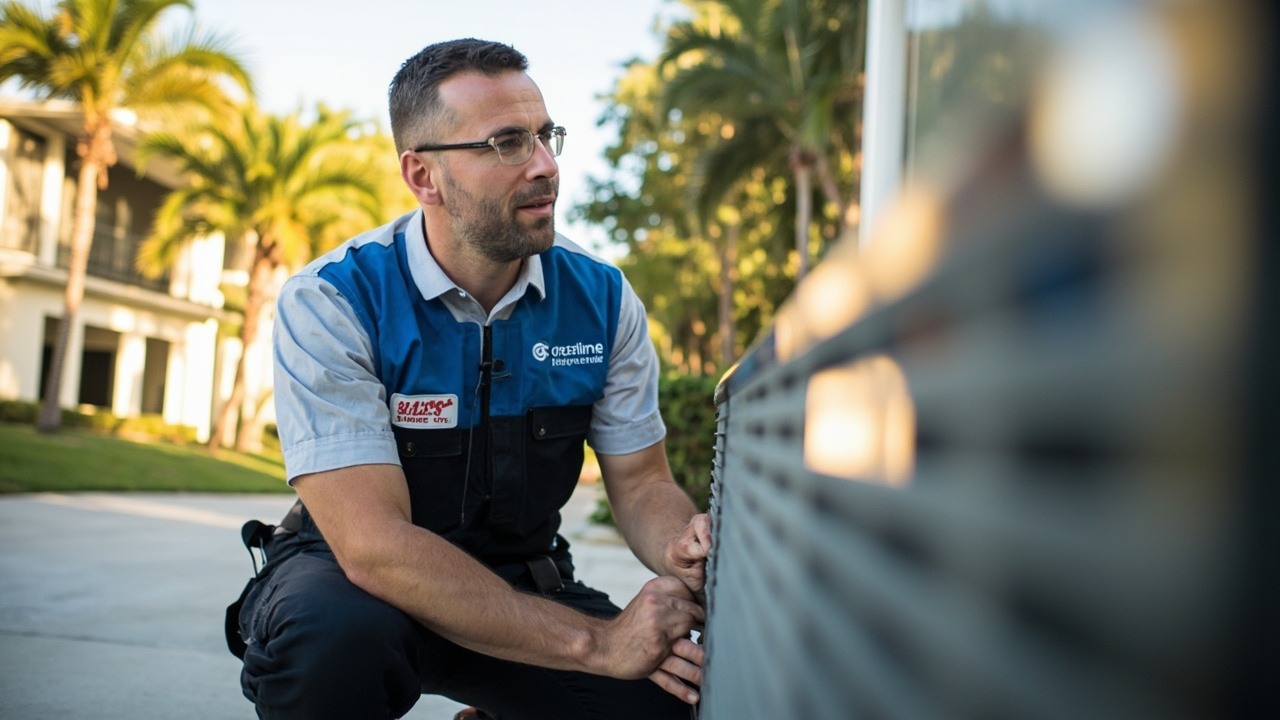
Expert AC Tune-Up and Maintenance in Hialeah FLHialeah heat is relentless in 2026. If you live near Palm Springs North or the busy streets of West 4th Avenue, you know your air conditioner runs almost…
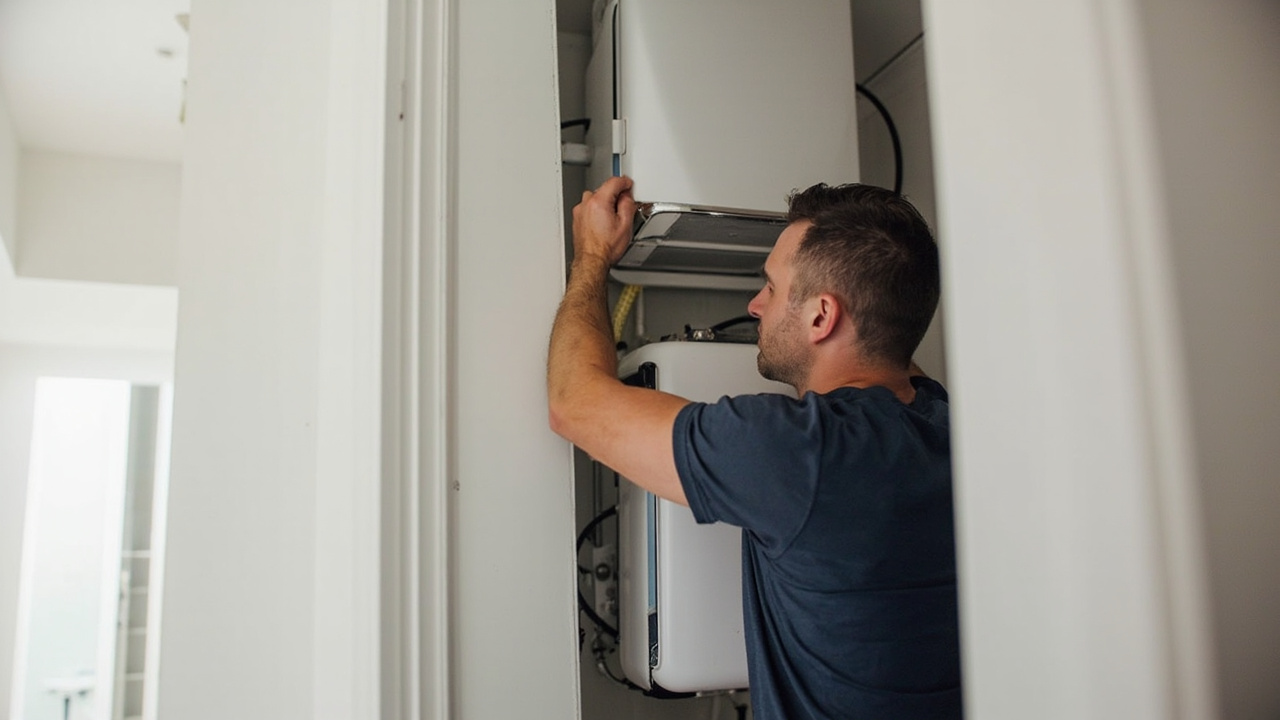
Whole House Dehumidifier Installation in Miami Florida Miami residents face unique challenges when managing indoor…
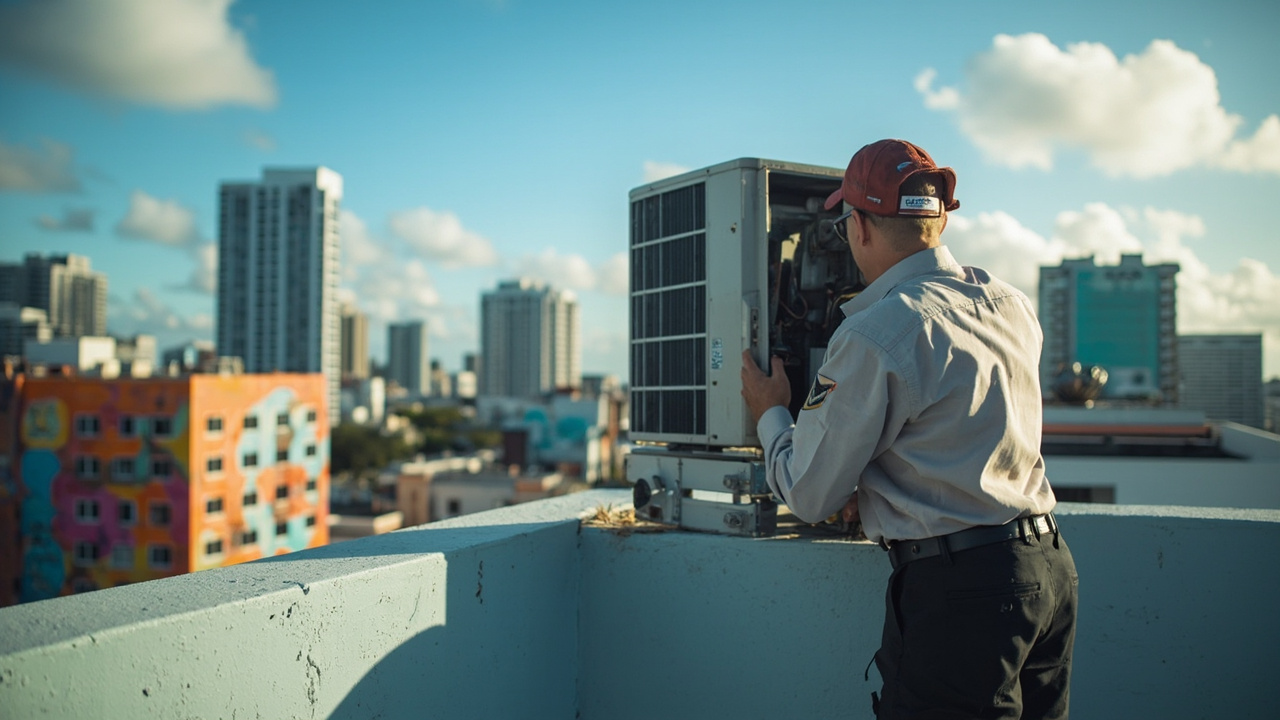
Commercial HVAC Services for Business Owners in Wynwood Who Can't Afford DowntimeRunning a business in…
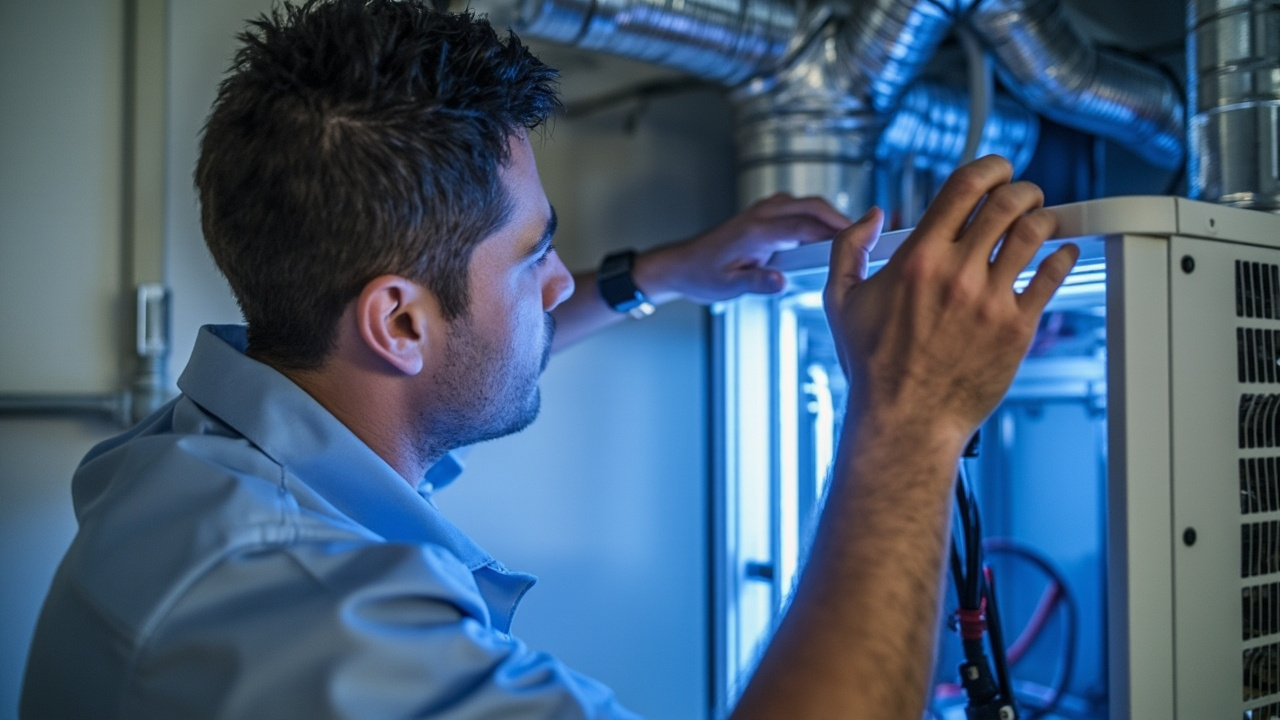
Choosing Between Air Scrubbers and UV Lights for Your Home in the Sunset NeighborhoodLiving in…
Your comfort matters. Call Crestline HVAC Miami at (645) 231-4777 right now for same-day service in Palmetto Bay. Our technicians are ready to fix your air conditioning or heating problem fast with upfront pricing and guaranteed repairs.