


Miami Beach sits on a barrier island where salt air, constant humidity, and year-round heat create brutal conditions for air conditioning systems. The Atlantic Ocean breeze carries corrosive salt that degrades condenser coils and electrical components faster than systems located inland. Humidity levels regularly exceed 75 percent, forcing HVAC units to run longer cycles to remove moisture, which accelerates wear on compressors and fan motors.
The sandy soil and high water table beneath Miami Beach create foundation settling that can damage refrigerant lines and ductwork. Art Deco buildings in South Beach often have outdated electrical systems that struggle to support modern high-efficiency units. Mid-Beach high-rises face roof exposure challenges where condensers endure direct sun and wind loads that can reach 140 mph during hurricanes.
Local building codes require hurricane-rated equipment installations and specific tie-down protocols that differ from mainland Miami-Dade County standards. Systems must withstand storm surge flooding in coastal areas near Ocean Drive and Collins Avenue. Crestline HVAC Miami understands these unique Miami Beach conditions and installs systems designed to survive this harsh island environment.
Crestline HVAC Miami has served Miami Beach island residents and businesses for over two decades, building a reputation for rapid response when systems fail in extreme heat. We maintain fully stocked service vehicles that carry the parts needed for 90 percent of repairs, which means we fix your system on the first visit instead of making you wait days in the heat for parts to arrive.
Our technicians receive specialized training in coastal HVAC challenges, from treating salt air corrosion to selecting materials that resist Miami Beach's humid environment. We know which condenser coatings last longest near the ocean, which ductwork sealants prevent mold growth in humid crawlspaces, and which refrigerants perform best in systems that run 12 months a year.
When you call Crestline HVAC Miami, you reach our Miami Beach dispatch center, not an answering service in another state. We answer emergency calls 24 hours a day because we understand that losing air conditioning at 2 AM in July is a genuine emergency in South Florida. Our average response time for urgent calls is under 90 minutes throughout Miami Beach.
We provide upfront pricing before starting work, written warranties on all repairs, and financing options for system replacements. Our technicians respect your home, wearing shoe covers and laying down floor protection. We explain what failed, why it failed, and what you can do to prevent future breakdowns. Miami Beach customers appreciate straight talk without pressure tactics or inflated repair bills.

We dispatch technicians to Miami Beach locations within 90 minutes for emergency calls. Our trucks carry extensive parts inventory, which means we complete most repairs during the first visit. You get cool air restored fast, not promises about callbacks tomorrow.

Our technicians receive specialized training in salt air corrosion, hurricane-rated installations, and moisture management for island properties. We understand how Miami Beach's ocean environment attacks HVAC systems and install equipment designed to survive these conditions.
We diagnose your system and provide written pricing before starting any work. No surprises, no hidden fees, no pressure tactics. You make informed decisions about repairs versus replacement with complete cost information.
Our service center operates on Miami Beach, which means faster response times and technicians who understand island building codes, Art Deco retrofits, and high-rise challenges. We live and work in the community we serve.
Crestline HVAC Miami handles everything from emergency breakdowns to planned system replacements for Miami Beach homes and businesses. Our service range covers central air repair, heat pump service, ductwork replacement, thermostat upgrades, indoor air quality improvements, and complete system installations. We work on all equipment brands and maintain manufacturer certifications for warranty service on Carrier, Trane, Lennox, Rheem, and Goodman systems.
Whether you need a compressor replaced in a South Beach Art Deco building, ductwork sealed in a Sunset Harbour townhouse, or a complete system installed in a North Beach high-rise, our technicians bring the expertise and equipment to complete the job correctly. We pull permits for all work requiring inspection, coordinate with building management in condominiums, and provide documentation for warranty claims and insurance requirements.
System failures happen without warning, often during the hottest days when units run continuously. Crestline HVAC Miami provides 24-hour emergency repair service throughout Miami Beach. We diagnose compressor failures, refrigerant leaks, electrical issues, frozen coils, and blower motor problems. Our technicians carry diagnostic equipment and common replacement parts to restore cooling during the first visit. We service residential and commercial systems of all sizes.
When repair costs approach replacement value or your system exceeds 15 years old, installing new equipment makes financial sense. We perform load calculations to size systems correctly for Miami Beach's climate, recommend high-efficiency models that reduce electric bills, and handle permit applications and inspections. Our installers follow hurricane tie-down requirements and use marine-grade materials that resist salt air corrosion. Financing options available.
Regular maintenance extends system life and prevents unexpected breakdowns. Our service plans include biannual inspections, coil cleaning, refrigerant level checks, electrical connection testing, condensate drain clearing, and filter replacement. Miami Beach's salt air and humidity require more frequent maintenance than inland locations. Members receive priority scheduling, discounted repairs, and extended warranties. Maintenance plans pay for themselves by preventing expensive emergency repairs.
Miami Beach's island location creates specific HVAC challenges that mainland properties avoid. The constant salt spray corrodes outdoor condensers, particularly on oceanfront buildings along Collins Avenue and Ocean Drive where units face direct Atlantic exposure. Hurricane winds damage poorly secured equipment, and storm surge floods ground-level condensers in low-lying areas. The hot, humid climate forces systems to run year-round without seasonal breaks, which accelerates component wear.
Art Deco buildings in the historic district present retrofit challenges when installing modern equipment in structures designed before central air conditioning existed. High-rise buildings in Mid-Beach and North Beach deal with rooftop condenser installations that must withstand extreme wind loads and provide cooling for 20-plus floors. Understanding these Miami Beach-specific issues helps homeowners and property managers make informed decisions about repairs, upgrades, and system replacements.
Ocean salt attacks condenser coils, electrical connections, and cabinet panels. Corrosion develops faster on Miami Beach than inland locations, requiring specialized coatings and marine-grade components. Without protection, condensers fail prematurely, often requiring complete replacement rather than repair.
Miami Beach humidity stays above 75 percent most of the year, forcing air conditioners to remove moisture continuously. Oversized systems cycle too quickly to dehumidify properly, leaving homes feeling clammy. Undersized systems run constantly without catching up. Proper sizing and equipment selection prevents humidity problems.
Improperly secured condensers become projectiles during hurricanes. Miami Beach building codes require specific tie-down methods and impact-rated electrical disconnects. Ground-level units in flood zones need elevation or protection. Post-storm damage often results from installations that did not follow hurricane protocols.
When your air conditioning stops working in Miami Beach's heat, you need help fast without surprises or runarounds. Crestline HVAC Miami provides transparent service from your first call through final payment. You speak directly with our Miami Beach dispatch team who schedules service based on urgency. Emergency calls receive same-day response, while maintenance and non-urgent repairs get scheduled at your convenience.
Our technicians arrive in marked vehicles with your appointment confirmed by text message. They assess your system thoroughly, explain what failed in plain language, and provide written pricing before starting repairs. You decide whether to proceed based on complete information about repair costs, system condition, and expected lifespan. We respect your home, complete work efficiently, and clean up before leaving. Follow-up calls ensure your satisfaction and system performance.
Emergency calls receive dispatch within 90 minutes throughout Miami Beach. You get text confirmation with technician name, photo, and arrival window. Our technicians call 15 minutes before arriving and show identification at your door. We answer our phones 24 hours daily because recorded messages do not help when your air conditioning fails at midnight in July.
Our technicians use diagnostic equipment to identify problems accurately rather than guessing. We explain what component failed, why it failed, and whether repair makes sense given your system's age and condition. When replacement makes more financial sense than expensive repairs, we say so directly. You receive honest recommendations based on your best interest, not our profit margin.
All repairs include written warranties on parts and labor. System installations carry manufacturer equipment warranties plus our installation workmanship guarantee. We return for warranty service immediately if problems develop. Our work meets Miami Beach building codes and passes inspection the first time. Quality installations last longer and require fewer repairs over system life.
Getting your Miami Beach air conditioning repaired should not involve hassles, delays, or surprises. Crestline HVAC Miami streamlines the process into three straightforward steps.
Contact Crestline HVAC Miami at (645) 231-4777 anytime day or night. Explain your system problem to our dispatcher who schedules service based on urgency. Emergency calls receive same-day response, typically within 90 minutes. You get text confirmation with technician details and arrival window. No waiting days in the heat for service appointments.
Our technician inspects your system, tests components, and identifies the failure cause. You receive a clear explanation of what broke, why it happened, and written pricing for repair options. We discuss whether repair makes sense given your system's age or if replacement provides better value. You approve the work before we start, with complete cost transparency.
We complete repairs using quality parts and proper techniques, then test system operation thoroughly. You feel cool air flowing before we leave. We explain what we fixed, provide maintenance recommendations, and answer questions about preventing future problems. Written warranties cover parts and labor. Follow-up calls confirm your satisfaction.
Miami Beach enforces specific HVAC codes that differ from mainland Miami-Dade County requirements due to hurricane exposure and coastal location. All new installations and system replacements require permits from the Miami Beach Building Department. Equipment must meet Florida Building Code High Velocity Hurricane Zone standards, which mandate impact-rated electrical disconnects and engineered tie-down systems for condensers.
Refrigerant handling follows EPA Section 608 regulations requiring certified technicians for repairs involving refrigerant recovery, evacuation, and recharging. Miami Beach properties built before 1995 often contain R-22 refrigerant systems that now face severe supply shortages and price increases since R-22 production ended in 2020. Converting these systems to R-410A refrigerant requires complete replacement, not just refrigerant substitution, because components operate at different pressures.
Load calculations following ACCA Manual J standards determine proper system sizing for Miami Beach's climate zone. Oversized systems waste energy and fail to dehumidify properly in humid conditions. Undersized systems run continuously without maintaining comfortable temperatures. Proper sizing accounts for building orientation, window exposure, insulation levels, and occupancy patterns specific to each property.
Ductwork installations must follow ACCA Manual D standards for proper airflow and efficiency. Leaking ducts waste 20 to 30 percent of cooling capacity and create humidity problems in attic spaces. Miami Beach's humid climate makes duct sealing and insulation critical for system performance and preventing mold growth. All ductwork in unconditioned spaces requires minimum R-6 insulation with vapor barriers to prevent condensation.
Condensate drain systems require proper sizing, slope, and trap configuration to remove moisture generated by air conditioning. Miami Beach's high water table and frequent flooding necessitate auxiliary drain pans with separate drain lines on systems installed in attics or above occupied spaces. Building codes require float switches that shut down systems if primary drains clog, preventing water damage.
Miami Beach requires engineered tie-down systems for all outdoor condensers rated for 175 mph wind loads. Equipment installations need impact-rated electrical disconnects and protected refrigerant line penetrations. Rooftop units require additional structural calculations and anchoring systems. Ground-level installations in flood zones need elevation or flood-resistant construction methods.
Proper equipment sizing requires Manual J load calculations accounting for Miami Beach's hot, humid climate and building characteristics. Installing minimum 16 SEER systems reduces electric bills substantially compared to older 10 SEER units. Variable-speed systems provide better humidity control than single-stage equipment, which matters in humid coastal environments.
Complete system replacements typically require one to two days for residential properties, longer for commercial installations. Timeline includes permit approval, equipment delivery, installation, and final inspection. Historic district properties may need architectural review board approval. High-rise installations require building management coordination and elevator scheduling.
Manufacturer equipment warranties require proper installation and regular maintenance to remain valid. Extended warranties need registration within 90 days of installation. Coastal installations may have specific requirements for corrosion-resistant coatings or marine-grade components. Maintaining service records proves warranty compliance if claims become necessary.
Miami Beach HVAC repair and air conditioning service video covering emergency repair response, system replacement considerations, and coastal installation requirements. Explains salt air corrosion challenges, hurricane code compliance, and proper system sizing for humid tropical climate. Discusses Art Deco building retrofit techniques, high-rise installation methods, and maintenance requirements specific to barrier island properties. Provides guidance on selecting reliable HVAC contractors and understanding repair versus replacement decisions.
Crestline HVAC Miami provides complete air conditioning repair, maintenance, and installation service throughout Miami Beach island, from South Pointe to North Beach. We understand the unique HVAC challenges each neighborhood faces based on building types, proximity to the ocean, and property age.
South Beach properties between Fifth Street and Twenty-Third Street often involve Art Deco buildings requiring specialized retrofit installations that preserve architectural character while providing modern cooling. These structures present challenges with limited mechanical space, outdated electrical systems, and strict historic preservation requirements. Our technicians have extensive experience working with historic district regulations and condo association architectural review processes.
Mid-Beach neighborhoods from Twenty-Fourth Street to Forty-Seventh Street include numerous high-rise condominiums and hotels where rooftop equipment installations require crane access and building management coordination. Oceanfront properties along Collins Avenue face severe salt air exposure requiring marine-grade components and protective coatings. We schedule service during building-approved hours and coordinate with property managers for access.
North Beach areas above Sixty-Third Street include single-family homes, townhouses, and smaller apartment buildings where ground-level installations face hurricane flooding risks. Properties near Normandy Shores and Biscayne Bay deal with both Atlantic and bay-side moisture exposure. We recommend elevation platforms or flood-resistant installations for vulnerable locations and ensure all work meets current flood zone requirements.
Sunset Harbour and the western neighborhoods near Biscayne Bay require special attention to drainage because the water table sits just feet below the surface. Condensate disposal becomes challenging when standard gravity drains cannot slope properly. We install condensate pumps when needed and ensure proper drainage prevents standing water around foundations.
The Venetian Islands and surrounding waterfront properties present access challenges requiring boat transport for equipment and materials to certain locations. Salt exposure from all directions attacks HVAC systems aggressively. We factor in marine environment conditions when recommending equipment specifications and maintenance schedules for these exclusive island properties.
Flamingo Park, South of Fifth, and Sunset Islands neighborhoods include diverse property types from historic cottages to modern luxury estates. Each location presents distinct challenges requiring customized solutions based on building characteristics, mechanical space limitations, and aesthetic considerations. Crestline HVAC Miami maintains relationships throughout Miami Beach that help us navigate permitting, historic preservation requirements, and condo association approval processes efficiently.
The $5000 rule is a calculation method used by HVAC technicians to decide between repairing or replacing your system. You multiply the age of your unit by the repair cost. If the result exceeds $5000, replacement makes better financial sense. For example, a 12-year-old system needing $500 in repairs equals $6000, suggesting replacement. In Miami Beach's humid coastal climate, older systems work harder and fail faster due to salt air corrosion and constant cycling. This rule helps you avoid throwing money at a dying unit that will fail again soon.
Installing central AC in a 2000 square foot Miami Beach home typically involves multiple factors. Unit size, efficiency rating, ductwork condition, and coastal corrosion protection all affect pricing. Most 2000 square foot homes need a 3 to 4 ton system. High-efficiency models handle Miami Beach's humidity better and reduce monthly bills. Coastal properties often require corrosion-resistant coil coatings due to salt air exposure. Older Art Deco buildings in South Beach may need custom ductwork modifications. Get three quotes from licensed contractors familiar with Miami Beach's building codes and coastal installation requirements.
The best HVAC system for Florida weather is a high-efficiency heat pump with superior dehumidification capability. Miami Beach's year-round humidity and moderate winters make heat pumps ideal because they cool efficiently and provide occasional heating without a separate furnace. Look for SEER2 ratings above 16 and units with two-stage compressors that handle humidity better than single-stage models. Corrosion-resistant coil coatings are essential for Miami Beach's salt air. Variable-speed air handlers improve moisture removal, preventing mold growth common in coastal properties. Proper sizing matters more than brand names in this climate.
The $5000 rule is a calculation method used by HVAC technicians to decide between repairing or replacing your system. You multiply the age of your unit by the repair cost. If the result exceeds $5000, replacement makes better financial sense. For example, a 12-year-old system needing $500 in repairs equals $6000, suggesting replacement. In Miami Beach's humid coastal climate, older systems work harder and fail faster due to salt air corrosion and constant cycling. This rule helps you avoid throwing money at a dying unit that will fail again soon.
Installing central AC in a 2000 square foot Miami Beach home typically involves multiple factors. Unit size, efficiency rating, ductwork condition, and coastal corrosion protection all affect pricing. Most 2000 square foot homes need a 3 to 4 ton system. High-efficiency models handle Miami Beach's humidity better and reduce monthly bills. Coastal properties often require corrosion-resistant coil coatings due to salt air exposure. Older Art Deco buildings in South Beach may need custom ductwork modifications. Get three quotes from licensed contractors familiar with Miami Beach's building codes and coastal installation requirements.
The best HVAC system for Florida weather is a high-efficiency heat pump with superior dehumidification capability. Miami Beach's year-round humidity and moderate winters make heat pumps ideal because they cool efficiently and provide occasional heating without a separate furnace. Look for SEER2 ratings above 16 and units with two-stage compressors that handle humidity better than single-stage models. Corrosion-resistant coil coatings are essential for Miami Beach's salt air. Variable-speed air handlers improve moisture removal, preventing mold growth common in coastal properties. Proper sizing matters more than brand names in this climate.
Replacing HVAC in Miami Beach typically depends on home size, system efficiency, and coastal installation requirements. A standard 2.5 to 3 ton system for smaller homes costs less than 4 to 5 ton units needed for larger properties. High-efficiency systems with SEER2 ratings above 18 cost more upfront but reduce monthly electric bills significantly in Florida's climate. Coastal installations require corrosion-resistant components due to salt air exposure. Ductwork replacement or modification adds to the total. Historic district properties in Miami Beach may need special permits or architectural review board approval before installation.
HVAC systems may qualify for federal tax credits in 2025 under the Energy Efficient Home Improvement Credit if they meet specific efficiency requirements. Heat pumps and central AC units with SEER2 ratings of 16 or higher typically qualify. The Inflation Reduction Act extended these credits through 2032, allowing up to 30 percent credit on qualifying equipment and installation costs. Miami Beach homeowners should verify current IRS guidelines because requirements change annually. Keep all receipts and manufacturer certification statements. Consult a tax professional familiar with Florida property improvements to confirm eligibility based on your specific installation and income level.
The 3 minute rule for AC means you should wait at least three minutes after your system shuts off before restarting it. This delay allows refrigerant pressure to equalize throughout the system, preventing compressor damage. Starting the compressor while pressure remains high strains the motor and shortens its lifespan. Most modern thermostats include a built-in time delay for protection. In Miami Beach's climate where systems run constantly during summer months, compressors face heavy workloads. Respecting this rule during manual resets or power outages protects your investment and prevents premature compressor failure in coastal humidity conditions.
Replacing HVAC in Miami Beach typically depends on home size, system efficiency, and coastal installation requirements. A standard 2.5 to 3 ton system for smaller homes costs less than 4 to 5 ton units needed for larger properties. High-efficiency systems with SEER2 ratings above 18 cost more upfront but reduce monthly electric bills significantly in Florida's climate. Coastal installations require corrosion-resistant components due to salt air exposure. Ductwork replacement or modification adds to the total. Historic district properties in Miami Beach may need special permits or architectural review board approval before installation.
HVAC systems may qualify for federal tax credits in 2025 under the Energy Efficient Home Improvement Credit if they meet specific efficiency requirements. Heat pumps and central AC units with SEER2 ratings of 16 or higher typically qualify. The Inflation Reduction Act extended these credits through 2032, allowing up to 30 percent credit on qualifying equipment and installation costs. Miami Beach homeowners should verify current IRS guidelines because requirements change annually. Keep all receipts and manufacturer certification statements. Consult a tax professional familiar with Florida property improvements to confirm eligibility based on your specific installation and income level.
The 3 minute rule for AC means you should wait at least three minutes after your system shuts off before restarting it. This delay allows refrigerant pressure to equalize throughout the system, preventing compressor damage. Starting the compressor while pressure remains high strains the motor and shortens its lifespan. Most modern thermostats include a built-in time delay for protection. In Miami Beach's climate where systems run constantly during summer months, compressors face heavy workloads. Respecting this rule during manual resets or power outages protects your investment and prevents premature compressor failure in coastal humidity conditions.
We proudly serve homeowners and businesses throughout Miami and nearby communities with dependable HVAC services. Whether you're in the heart of downtown or in the surrounding suburbs, our team is just a call away. Check the map below to see our service coverage. If your area isn’t listed, don’t worry—give us a call. We frequently accommodate special requests and go the extra mile to ensure our customers receive expert heating and cooling solutions, no matter where they are located.
Address:
Miami Beach, FL, 33140
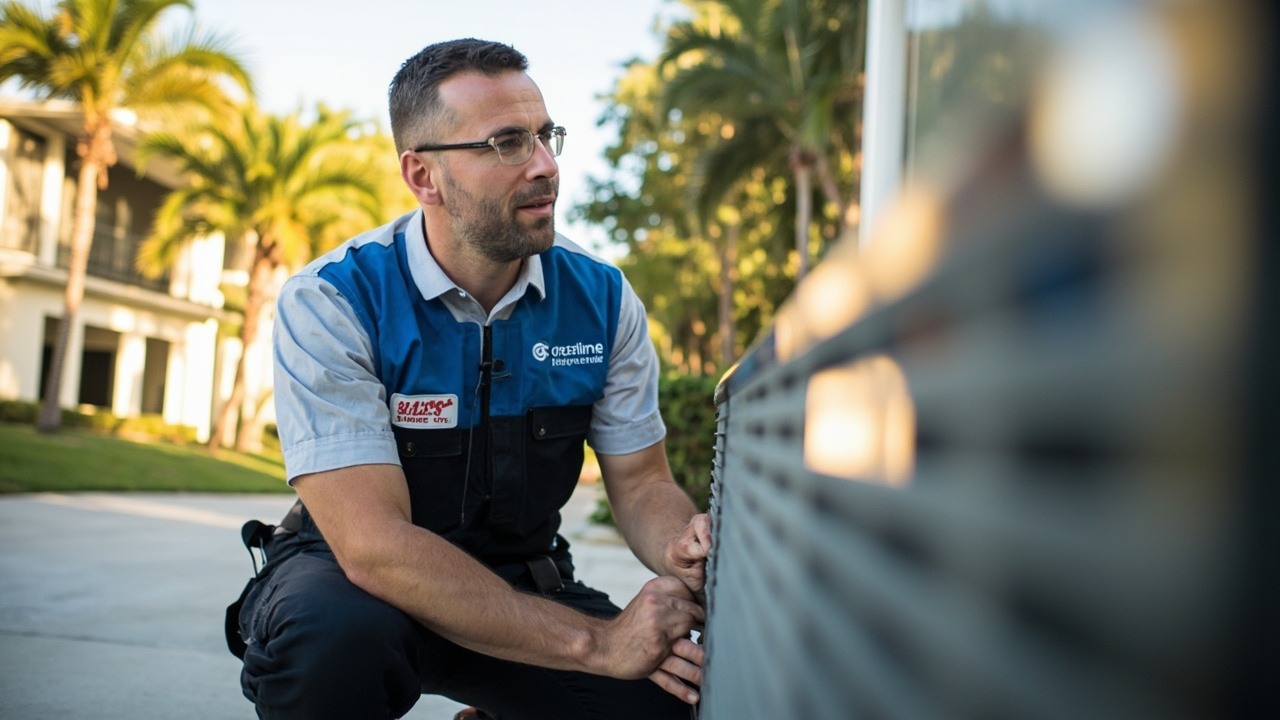
Expert AC Tune-Up and Maintenance in Hialeah FLHialeah heat is relentless in 2026. If you live near Palm Springs North or the busy streets of West 4th Avenue, you know your air conditioner runs almost…
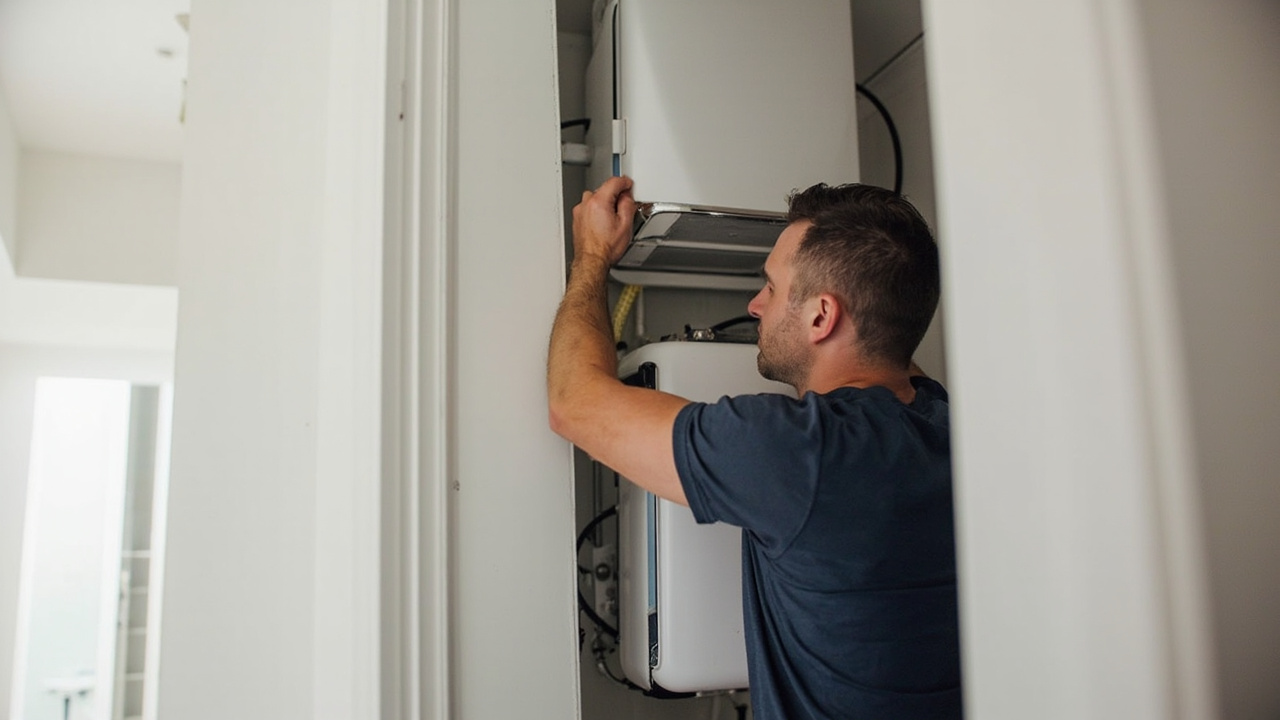
Whole House Dehumidifier Installation in Miami Florida Miami residents face unique challenges when managing indoor…
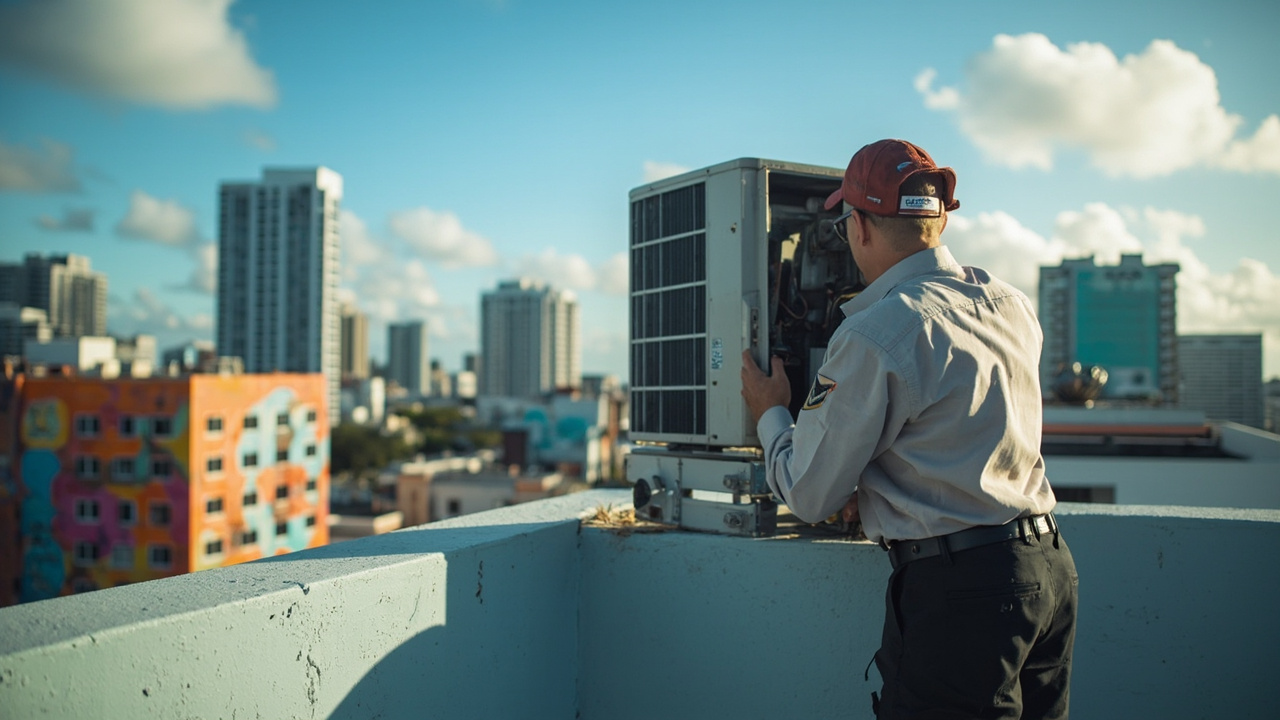
Commercial HVAC Services for Business Owners in Wynwood Who Can't Afford DowntimeRunning a business in…
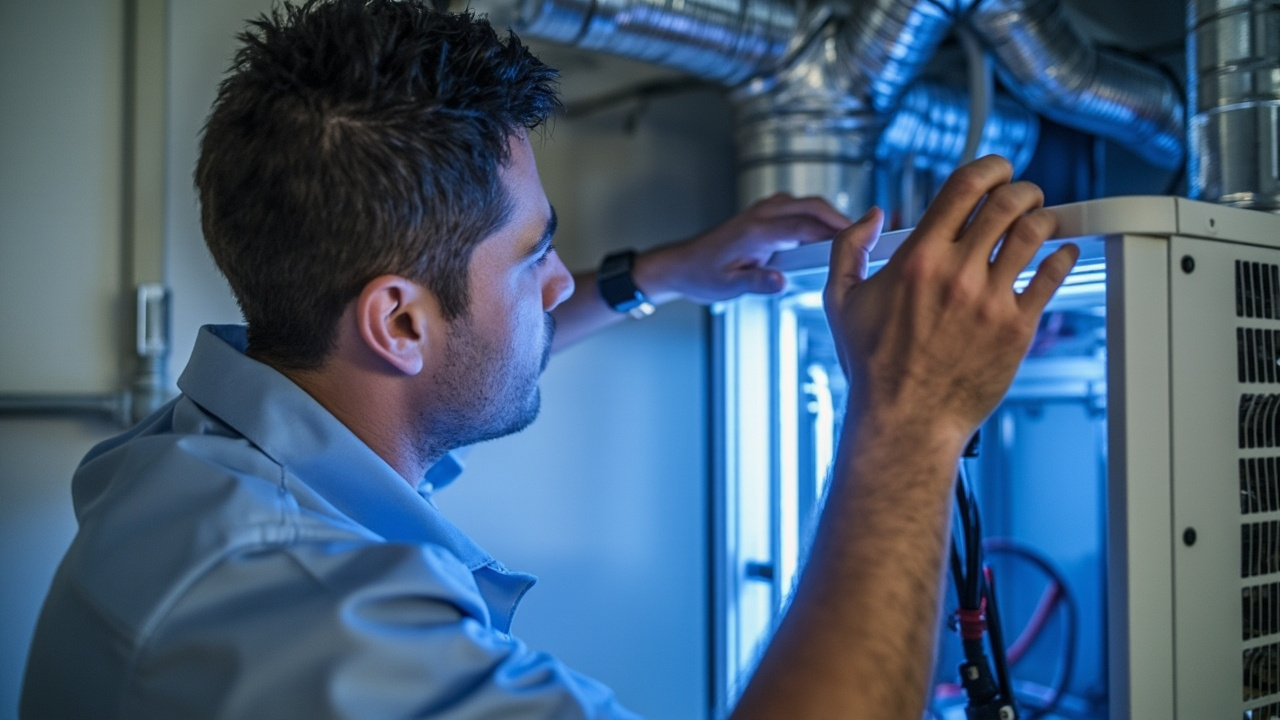
Choosing Between Air Scrubbers and UV Lights for Your Home in the Sunset NeighborhoodLiving in…
Stop suffering in the heat. Call Crestline HVAC Miami now at (645) 231-4777 for same-day emergency service throughout Miami Beach. Our technicians respond fast with the parts and expertise to restore cool air quickly.