menu

Air Purification Systems in Miami – Whole-House Solutions That Stop Mold, Allergens, and Humidity Damage at the Source

Peak HVAC Tampa installs integrated air purification systems engineered for Miami's tropical climate, removing airborne mold spores, salt air particles, and volatile organic compounds before they cycle through your ductwork and compromise indoor air quality.

Slider Image 1
Slider Image 2
Slider Image 3
Slider Image 4
Slider Image 5
Slider Image 7
Slider Image 8
Slider Image 9
Slider Image 10
Slider Image 11

Why Miami Homes Face Unique Indoor Air Quality Challenges

Miami's subtropical climate creates a perfect breeding ground for mold, mildew, and bacterial growth inside your HVAC system. When outdoor humidity hovers between 60 and 90 percent year-round, condensation forms inside ductwork and on evaporator coils. That moisture feeds mold colonies that release spores into every room you cool.

Salt air from the Atlantic and Biscayne Bay carries corrosive particles that infiltrate homes near Coconut Grove, South Beach, and Brickell. These particles settle on surfaces and circulate through standard filtration systems that were not designed for coastal environments. You breathe them in every time your system cycles.

Construction booms in Doral and Kendall mean more volatile organic compounds off-gassing from new building materials, paint, and furniture. Standard pleated filters capture dust but allow microscopic pollutants, pollen from melaleuca trees, and diesel particulates from I-95 traffic to pass through unchecked.

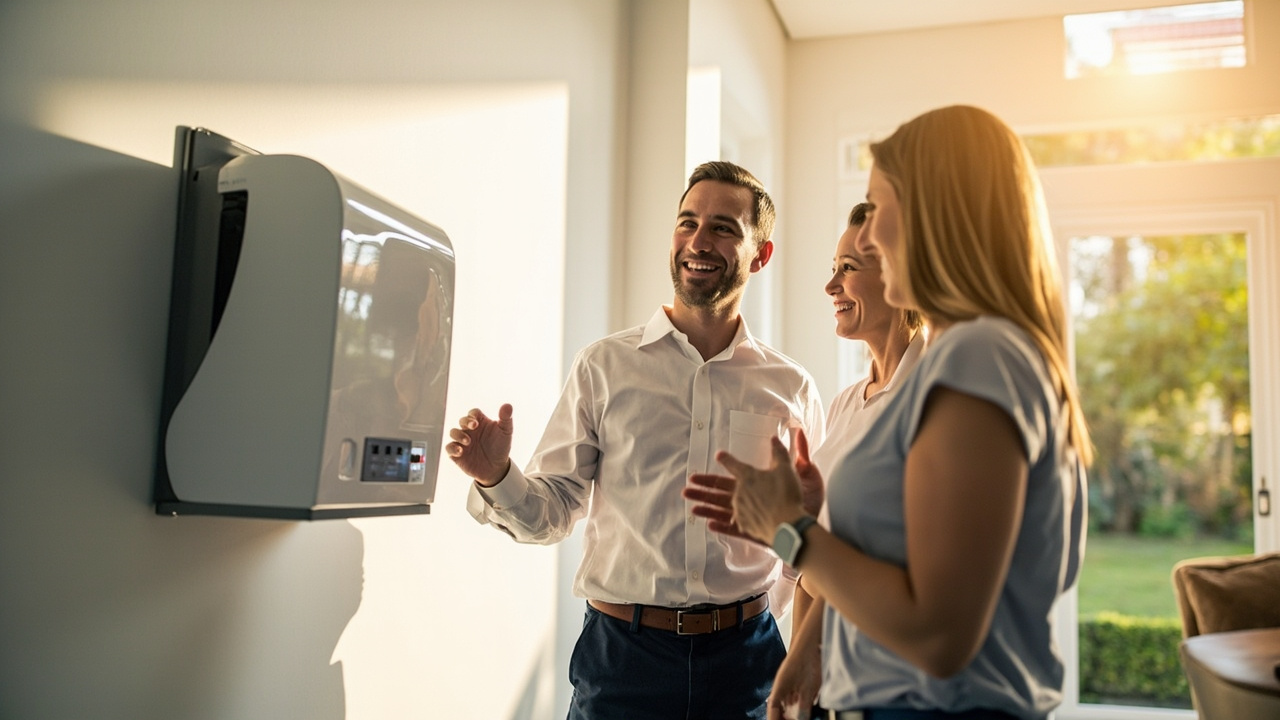
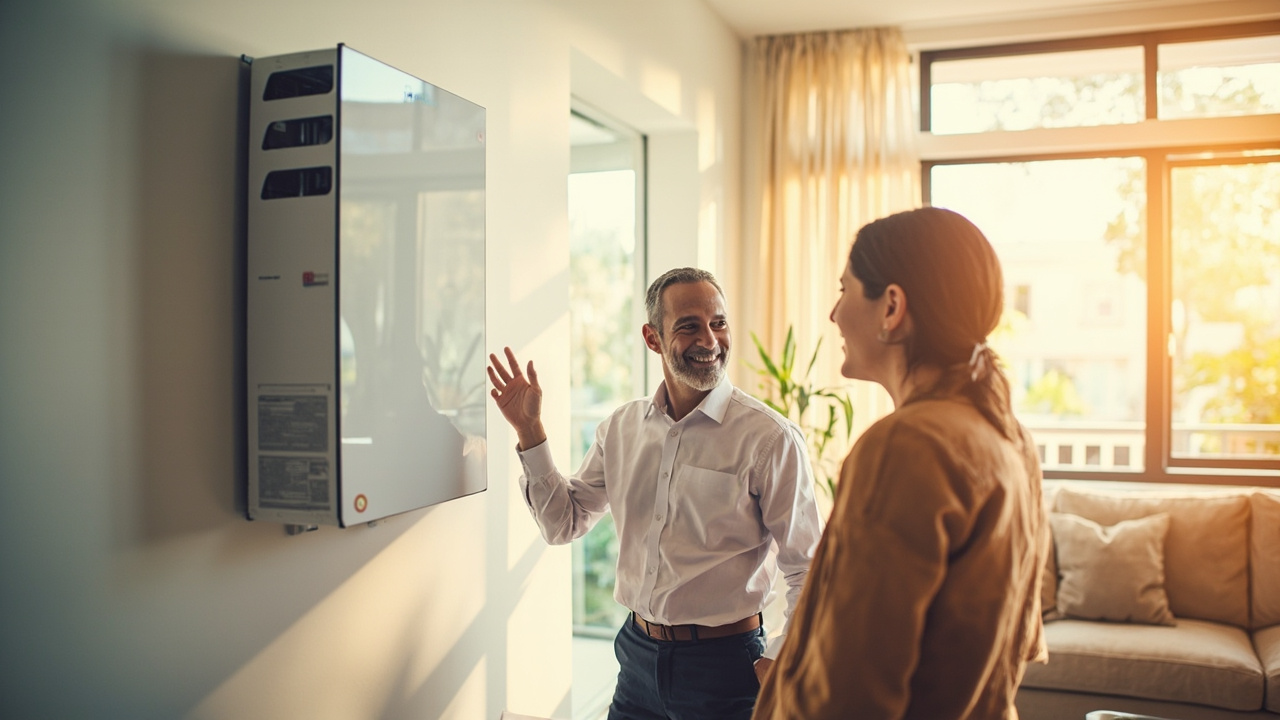
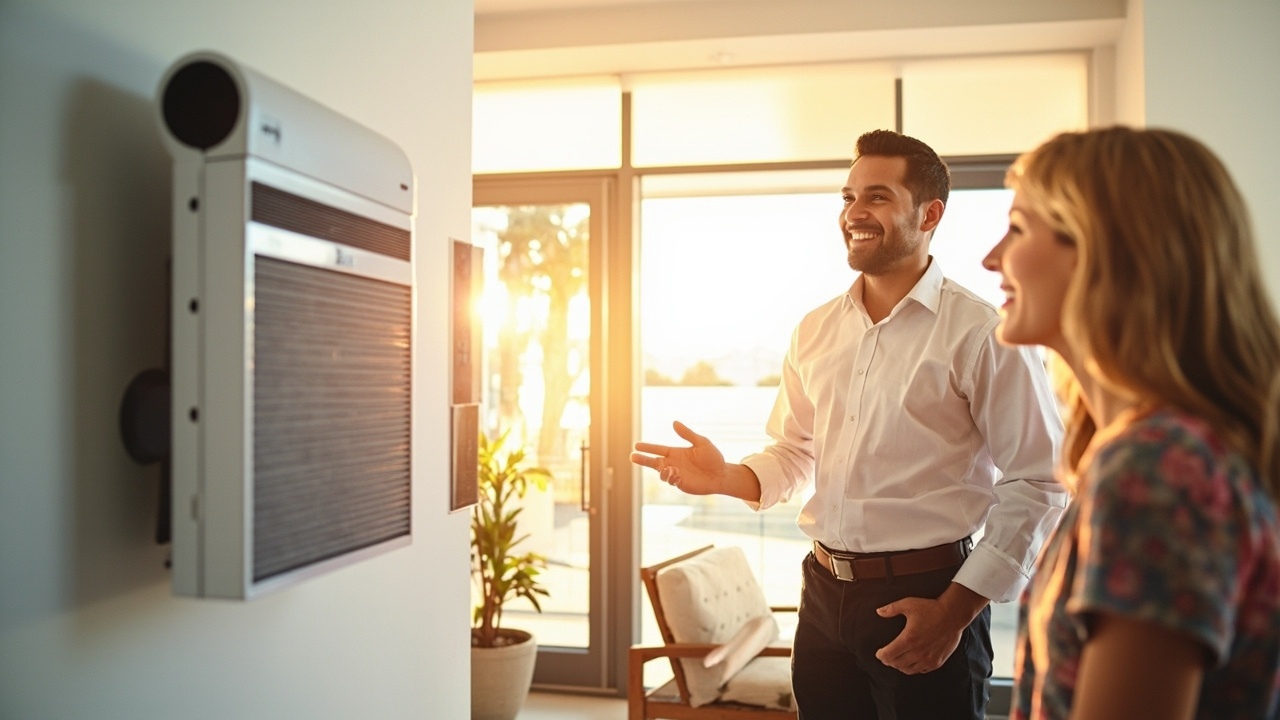
Central air cleaners and whole-house air purifiers integrate directly into your HVAC system to address these problems at the source. Air filtration systems remove particles as small as 0.3 microns before conditioned air reaches your living spaces. HVAC air purifiers use ionization or UV-C light to neutralize pathogens and break down chemical compounds that trigger respiratory issues.

You cannot fix Miami's air quality with portable units or basic filters. You need air cleaning systems engineered for high-humidity, high-pollutant environments.

Why Miami Homes Face Unique Indoor Air Quality Challenges
How Integrated Air Purification Systems Work With Your HVAC

How Integrated Air Purification Systems Work With Your HVAC

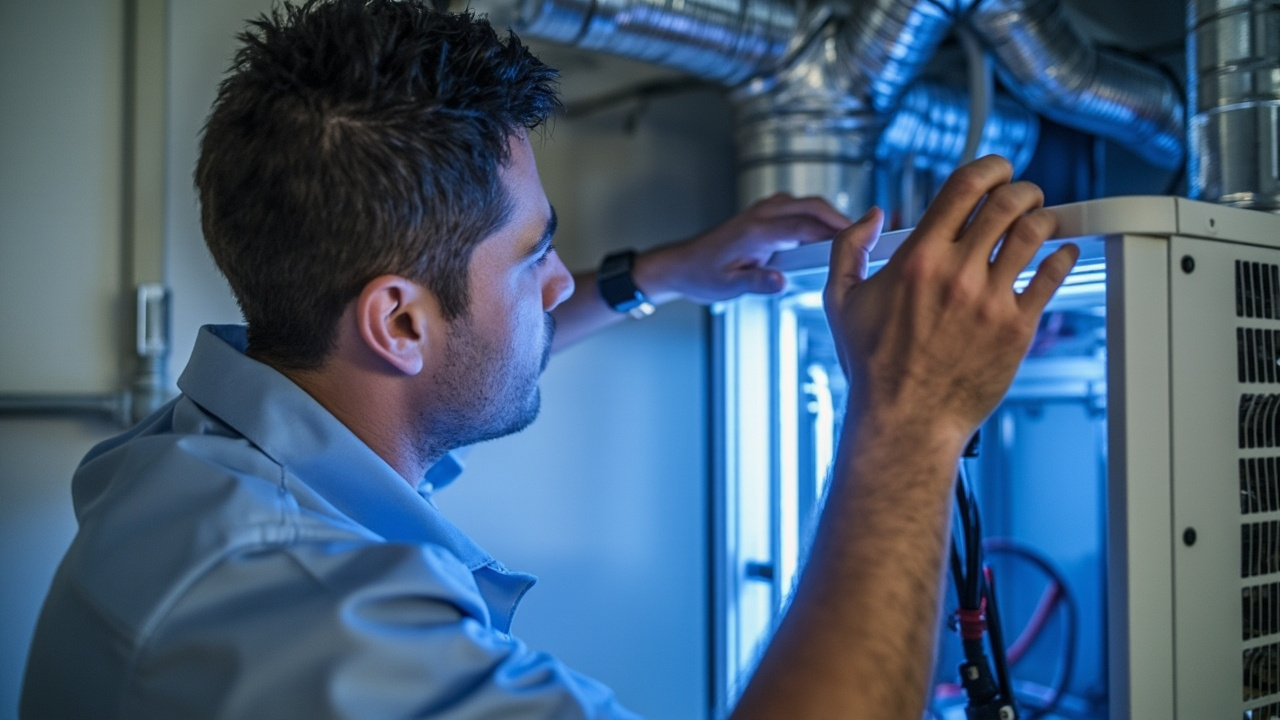
Whole-house air purifiers mount directly into your existing ductwork or air handler cabinet, treating 100 percent of the air your system moves. Every cubic foot of air passes through multiple filtration stages before it enters your home.

MERV-rated mechanical filters form the first line of defense, capturing particles down to 0.3 microns. Higher MERV ratings remove more pollutants but increase static pressure on your blower motor. We calculate your system's capacity and match filter density to your equipment's specifications to prevent strain on the compressor.

Electronic air cleaners use an ionization chamber to charge particles with a positive or negative voltage. Charged particles stick to collection plates inside the unit instead of circulating through your home. You wash the plates every few months instead of replacing disposable media.

UV-C germicidal lamps mount near the evaporator coil and use ultraviolet light at 254 nanometers to destroy DNA in mold spores, bacteria, and viruses. This prevents microbial growth on the wet coil surface where condensation forms during cooling cycles.

Activated carbon cells absorb volatile organic compounds, cooking odors, and chemical off-gassing that mechanical filters cannot capture. Carbon media lasts 6 to 12 months depending on pollutant concentration and system runtime.

We integrate these technologies based on your specific air quality concerns. A home near PortMiami with salt air intrusion needs different filtration than a house in Pinecrest surrounded by pollen-producing live oaks. Central air cleaners work only when matched correctly to your HVAC system and local environmental conditions.

Our Air Purification Installation Process

Air Purification Systems in Miami – Whole-House Solutions That Stop Mold, Allergens, and Humidity Damage at the Source
01

Indoor Air Quality Assessment

We test your existing air for particulate concentration, humidity levels, and volatile organic compounds using calibrated meters. We inspect your ductwork for mold growth, measure static pressure at the air handler, and calculate cubic feet per minute to determine which air cleaning systems will integrate without overloading your blower motor. We identify your primary pollutant sources before recommending filtration technology.
02

System Integration and Installation

We cut access panels in your return plenum or supply trunk and mount the air purification unit using vibration-dampening hardware. We wire electronic air cleaners and UV-C lamps into your existing 24-volt control circuit or install dedicated transformers for higher-power units. We seal all duct penetrations with mastic to prevent bypass air from circumventing your new filtration stages. Installation takes 2 to 4 hours depending on system complexity.
03

Testing and Calibration

We verify airflow velocity post-installation and confirm static pressure remains within manufacturer specifications. We test electronic air cleaners for proper ionization voltage and verify UV-C lamps produce the correct wavelength using a spectrometer. We run your system through multiple cooling cycles and retest indoor air quality to document improvement. You receive baseline readings and follow-up benchmarks for ongoing monitoring.

Why Miami Property Owners Choose Peak HVAC Tampa for Air Filtration Systems

Miami's building stock ranges from 1920s coral rock bungalows in Coral Gables to glass-walled high-rises in Edgewater. Each building type presents different challenges for integrating whole-house air purifiers without disrupting architectural features or violating condo association restrictions.

We understand Miami-Dade County's mechanical code requirements for air handler modifications and duct alterations. We pull permits when required for electrical work on UV-C lamp installations and coordinate inspections to keep your project compliant. We know which purification technologies work in buildings with limited plenum space and which systems require dedicated electrical circuits.

Coastal properties face accelerated corrosion from salt air. We install air cleaning systems with corrosion-resistant housings and marine-grade electrical components that withstand humidity without degrading. We avoid galvanized steel cabinets that rust out within three years near the waterfront.

Our technicians carry replacement media for every major air filtration system brand, so we can service units other contractors installed. We stock MERV 11, MERV 13, and MERV 16 filters sized for residential and light commercial applications. We maintain inventory of UV-C lamps, ionization cells, and activated carbon cartridges for same-day replacement when your system needs maintenance.

We explain how each technology works and what maintenance you can expect. Electronic air cleaners require monthly plate washing. UV-C lamps lose effectiveness after 12 months even if they still glow. HEPA filters clog faster in homes with pets or during Saharan dust events that blanket Miami every summer. You will know exactly what you are maintaining before we install anything.

What to Expect When You Install Air Purification Systems

Installation Timeline and Availability

Most residential air purification installations take between 2 and 4 hours once we verify your HVAC system can handle the additional static pressure load. We schedule installations Monday through Saturday and coordinate around your availability. If your air handler cabinet lacks space for internal mounting, we fabricate custom ductwork extensions to house the purification unit externally. Complex installations requiring electrical panel upgrades or extensive duct modifications may extend to a full day. We complete all work in a single visit unless permitting delays require a two-stage process.

Pre-Installation System Evaluation

We inspect your existing HVAC equipment before recommending specific air cleaning systems. We measure your blower motor's rated capacity and calculate external static pressure to determine if your system can accommodate additional filtration resistance. We check for duct leaks that would allow unfiltered air to bypass your new purification stages. We test your thermostat wiring to confirm it can control electronic air cleaners or UV-C lamp relays. If your system needs upgrades to support air purification, we explain exactly what modifications are required and why.

Air Quality Improvement Results

You will notice reduced dust accumulation on furniture and vents within the first week after installation. Respiratory irritation from mold spores and pollen decreases as whole-house air purifiers remove allergens from circulation. Musty odors from microbial growth on evaporator coils disappear once UV-C lamps sterilize the coil surface. Electronic air cleaners eliminate smoke and cooking odors that standard filters cannot capture. We document baseline particulate readings before installation and retest 30 days later to quantify improvement in parts per million.

Maintenance Requirements and Longevity

MERV-rated disposable filters require replacement every 60 to 90 days depending on system runtime and pollutant load. Electronic air cleaners need monthly plate washing with dish soap and water to maintain collection efficiency. UV-C lamps lose germicidal effectiveness after 9,000 operating hours and require annual replacement regardless of visible light output. Activated carbon cells saturate after 6 to 12 months and stop absorbing volatile organic compounds. We offer service plans that include scheduled media replacement, system testing, and performance verification to maintain peak air cleaning efficiency.

Frequently Asked Questions

You Have Questions,
We Have Answers

What is the best home air purifying system? +

The best home air purifying system depends on your specific needs in Miami. HEPA filtration systems capture 99.97% of particles, making them ideal for allergens and mold spores common in high-humidity climates. UV light purifiers kill bacteria and viruses, which thrive in tropical conditions. Activated carbon filters remove odors and volatile organic compounds. For Miami homes, a combination system that addresses humidity, mold, and outdoor pollutants works best. Whole-home systems integrate with your HVAC, while portable units target specific rooms. Consider your square footage, existing ductwork, and whether you face issues like pet dander or seasonal pollen from South Florida vegetation.

Is there a downside to air purifiers? +

Yes, some downsides exist. Ozone generators, often marketed as air purifiers, can irritate lungs and worsen asthma. HEPA filters require regular replacement every 6-12 months, adding maintenance costs. Units produce white noise, which bothers light sleepers. Poorly sized purifiers waste energy without cleaning air effectively. In Miami's humidity, some purifiers struggle with mold spores if you do not control moisture at the source. Ionic purifiers create trace ozone and require frequent plate cleaning. UV systems lose effectiveness as bulbs age. Budget models often lack adequate filtration for Miami's outdoor pollution and allergens. Choose certified units and match capacity to room size.

Are air purification systems worth it? +

Air purification systems are worth it for Miami residents dealing with specific air quality problems. High humidity breeds mold and dust mites. Seasonal pollen from tropical plants triggers allergies. Saltwater corrosion and industrial emissions near port areas degrade indoor air. If you have asthma, allergies, or immune concerns, purifiers reduce symptoms and improve sleep quality. They remove pet dander, cooking odors, and VOCs from furniture. However, they do not replace proper ventilation or humidity control. Systems pay for themselves through reduced medical visits and HVAC strain. Expect cleaner surfaces, fewer respiratory flare-ups, and better overall comfort in South Florida's challenging climate.

What is an air purification system? +

An air purification system removes contaminants from indoor air. It pulls air through filters or treatment chambers, trapping or neutralizing particles, gases, and microorganisms before recirculating clean air. HEPA filters capture dust, pollen, and mold spores. Activated carbon absorbs odors and chemicals. UV-C light kills bacteria and viruses. Some systems use ionization or electrostatic precipitation. Whole-home units integrate with your HVAC ductwork, treating air throughout your house. Portable units serve individual rooms. In Miami, these systems combat humidity-related mold, outdoor allergens, and pollutants from traffic and industry. They improve respiratory health and protect HVAC equipment from particle buildup.

Which air purifier do doctors recommend? +

Doctors recommend HEPA-certified air purifiers for medical-grade filtration. Brands like Blueair, IQAir, and Honeywell consistently earn recommendations for asthma and allergy patients. Medical professionals prefer units with true HEPA filters, not HEPA-type imitations. For Miami's high humidity, doctors suggest models with antimicrobial coatings to prevent mold growth on filters. Units certified by AHAM (Association of Home Appliance Manufacturers) provide verified Clean Air Delivery Rates. Allergists often recommend combining HEPA filtration with activated carbon for chemical sensitivity. Avoid ozone generators, which medical associations warn against. Choose purifiers sized appropriately for your room square footage to achieve the air changes per hour doctors consider effective.

How much does a whole-house air purification system cost? +

Whole-house air purification systems vary widely in cost based on technology and Miami installation factors. HEPA filtration units integrated into existing HVAC ductwork start lower, while UV light systems with ionization cost more. Installation complexity depends on your ductwork configuration and electrical requirements. Miami's concrete block construction may increase labor costs. Ongoing expenses include filter replacements every 6-12 months and UV bulb changes annually. Energy consumption adds to your electric bill. System size depends on square footage and ductwork runs. Get multiple quotes from licensed Miami contractors. Factor in humidity control needs, which affect system selection for South Florida homes.

What are signs you need an air purifier? +

You need an air purifier if you experience persistent allergy symptoms, frequent coughing, or morning congestion in Miami's humid climate. Visible dust accumulation within days of cleaning indicates poor air filtration. Musty odors suggest mold growth, common in South Florida homes. Asthma flare-ups, especially during high pollen seasons, signal airborne irritants. If family members have respiratory conditions or compromised immunity, purification helps. Pets create dander that circulates through HVAC systems. Smokers or homes near busy roads face elevated particle counts. Black residue around air vents shows excessive dust. Seasonal algae blooms and Saharan dust events worsen Miami air quality, triggering the need for filtration.

Is it okay to sleep with an air purifier on all night? +

Yes, running an air purifier all night is safe and beneficial. Continuous operation maintains consistent air quality while you sleep, when you spend 6-8 hours breathing bedroom air. Most modern units operate quietly on low settings. HEPA filters and activated carbon do not produce harmful byproducts. In Miami's humidity, overnight operation prevents mold spore accumulation. You breathe slower and deeper during sleep, making clean air more important. Energy consumption remains minimal on efficient models. Avoid ozone generators at night, as prolonged exposure irritates lungs. Position the unit properly for airflow without direct drafts. Regular filter changes prevent reduced effectiveness and motor strain.

What to avoid when buying an air purifier? +

Avoid air purifiers without true HEPA certification, as HEPA-type filters underperform. Skip ozone generators, which harm lungs despite marketing claims. Do not buy undersized units for your room square footage, wasting money without cleaning air effectively. Avoid models without CADR (Clean Air Delivery Rate) ratings, which verify performance. Cheap filters that need monthly replacement create ongoing costs. Units without activated carbon miss odors and chemicals. In Miami, avoid purifiers without humidity resistance, as moisture damages electronics. Skip ionizers that produce ozone as a byproduct. Do not ignore filter replacement indicators. Avoid placing purifiers against walls or furniture, which blocks airflow and reduces effectiveness.

Where is the best place to put an air purifier in your home? +

Place air purifiers in rooms where you spend the most time. Bedrooms benefit from nighttime placement, positioned 3-6 feet from your bed for optimal breathing zone coverage. Living areas with high traffic need purifiers in open spaces, not corners. Avoid placing units against walls or behind furniture, which restricts airflow. Keep purifiers away from windows where outdoor air influx overwhelms filtration capacity. In Miami homes, avoid humid bathrooms unless the unit has moisture resistance. Elevate portable units 3-5 feet off the floor for better circulation. Do not place near electronics that produce heat. Position intake and output vents for unobstructed airflow through the room.

How Miami's Year-Round Humidity Makes Air Purification Systems Essential

Miami averages 76 percent relative humidity, creating constant condensation inside air handlers and ductwork. This moisture feeds mold colonies that release spores every time your blower motor runs. Standard pleated filters capture less than 20 percent of mold spores because the particles are too small to trap in conventional media. Whole-house air purifiers with HEPA-grade filtration or electronic ionization remove 99.97 percent of airborne mold before it circulates through your home. Properties in Coconut Grove, Coral Gables, and Pinecrest built with concrete block construction trap humidity inside, making air cleaning systems critical for preventing respiratory issues and structural damage from unchecked microbial growth.

Miami-Dade County's mechanical code requires proper ventilation rates and air filtration for new construction, but existing homes often operate with minimal outdoor air intake to reduce cooling costs. This traps pollutants inside and concentrates volatile organic compounds from cleaning products, building materials, and furniture. Local HVAC contractors who understand Florida's building code and ASHRAE ventilation standards can integrate air filtration systems that meet indoor air quality guidelines without forcing your AC system to overcool to compensate for increased outdoor air mixing. We work with property managers in Brickell and Downtown Miami who need commercial-grade air cleaning systems that comply with LEED certification requirements and Miami 21 zoning code provisions for mixed-use buildings.
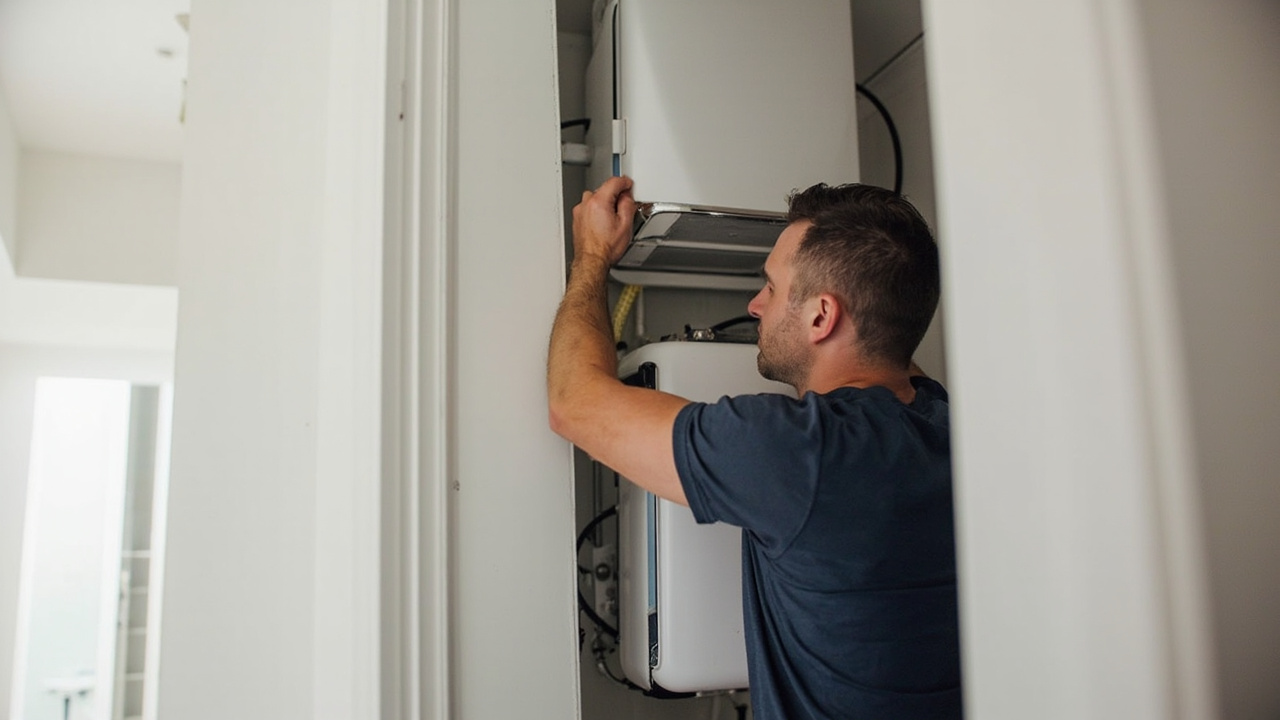
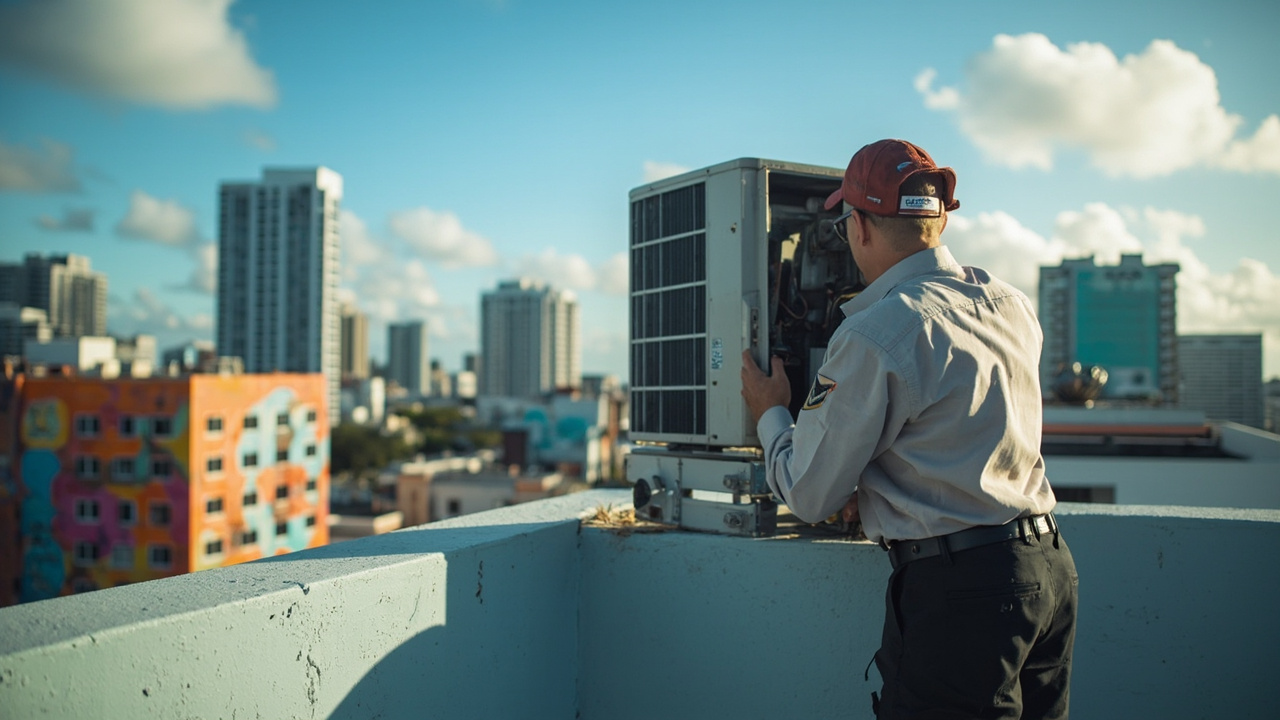
HVAC Services in The Miami Area

We proudly serve homeowners and businesses throughout Miami and nearby communities with dependable HVAC services. Whether you're in the heart of downtown or in the surrounding suburbs, our team is just a call away. Check the map below to see our service coverage. If your area isn’t listed, don’t worry—give us a call. We frequently accommodate special requests and go the extra mile to ensure our customers receive expert heating and cooling solutions, no matter where they are located.

Address:
Crestline HVAC Miami, 2332 Galiano St, Miami, FL, 33134

Additional Services We Offer

Our news updates

Latest Articles & News from The Blogs

Commercial HVAC Services for Business Owners in Wynwood Who Can't Afford DowntimeRunning a business in the heart of Wynwood requires…

Commercial HVAC Services for Business Owners in Wynwood Who Can't Afford Downtime

Commercial HVAC Services for Business Owners in Wynwood Who Can't Afford DowntimeRunning a business in the heart of Wynwood requires…

Choosing Between Air Scrubbers and UV Lights for Your Home in the Sunset Neighborhood

Choosing Between Air Scrubbers and UV Lights for Your Home in the Sunset NeighborhoodLiving in the Sunset neighborhood near South…

Protecting Your Outdoor AC Unit During a Tropical Storm in Virginia Key

Virginia Key residents face unique challenges during the Atlantic hurricane season. The proximity to the ocean and low elevation make…

Contact Us

Call Peak HVAC Tampa at (645) 231-4777 to schedule your indoor air quality assessment. We test your air, evaluate your HVAC system, and install the right air purification solution for your Miami property. Same-week installation available.