


North Miami sits in a climate zone that destroys air conditioning systems faster than almost anywhere else in America. Your AC runs 10 to 11 months per year, fighting 90% humidity and temperatures that hit 95 degrees from May through October. Salt air from Biscayne Bay corrodes outdoor units in neighborhoods like Sans Souci Estates and Keystone Islands. Hurricane season brings power surges that fry circuit boards and compressors. The limestone bedrock under North Miami holds water, which creates ground moisture that rusts ductwork and breeds mold in air handlers.
Systems installed near the Oleta River face additional moisture problems. The constant humidity makes coils freeze, drains clog, and refrigerant lines leak. Your HVAC system cycles on and off hundreds of times per month in this climate, wearing out contactors, capacitors, and fan motors at triple the rate seen in dry climates. A system rated for 15 years in Arizona might last 8 years in North Miami before major components fail. This means residents from Biscayne Gardens to Griffing Park need technicians who understand how coastal Florida climate kills HVAC equipment and how to prevent early failure.
Most HVAC companies send undertrained technicians who guess at problems and push unnecessary replacements. We do not operate that way. Every technician on our team completes 200 hours of advanced diagnostics training specific to coastal Florida HVAC failure patterns. We know the difference between a compressor that needs replacement and one that is failing because of a bad capacitor or refrigerant restriction. This precision saves you thousands of dollars in avoided equipment replacement.
We have served North Miami for over a decade, which means we have seen every failure pattern in every brand of equipment installed in this area. We stock our trucks with the parts that actually fail in this climate, from reversing valves damaged by salt air to drain pans cracked by UV exposure. When we arrive at your home in Keystone Point or Sans Souci, we carry what we need to complete the repair immediately.
Our company does not use high-pressure sales tactics or push financing on emergency calls. We diagnose the problem, explain what failed and why, give you the repair cost, and let you decide. If your system needs replacement, we explain exactly why continued repairs make no financial sense. We provide written estimates that break down equipment costs, labor, and warranty terms. No hidden fees or surprise charges after the work is done.
We answer our phone 24 hours per day, every day of the year. When you call at 2 AM because your house is 85 degrees, a real person answers and dispatches a technician to your address. We do not use answering services or make you wait until morning. Emergency HVAC failure in South Florida is dangerous, especially for elderly residents and young children, and we treat every call with the urgency it deserves.

We send technicians to your North Miami address within 60 minutes of your call, day or night. Our trucks stay distributed across service zones from Biscayne Gardens to Arch Creek, which cuts response time. When your AC fails in the middle of a heat wave, you cannot wait eight hours for help. We arrive fast, diagnose the failure, and restore cooling before your home becomes unsafe.

Our service vehicles carry over 400 parts specific to coastal Florida HVAC failures. Compressor capacitors, contactor relays, thermostatic expansion valves, drain float switches, and blower motors are already on the truck. We complete most repairs in one visit without ordering parts or scheduling return trips. This gets your system running the same day, which matters in North Miami heat.
Every technician completes advanced training in refrigerant circuit analysis, electrical diagnostics, and airflow measurement. We use calibrated instruments to measure superheat, subcooling, amperage draw, and static pressure. This data tells us exactly what component failed and why. Guesswork leads to wrong repairs and wasted money. Precision diagnostics fix the problem correctly the first time.
We have repaired thousands of systems across North Miami, from Keystone Islands to West Dixie corridor. We know which brands hold up in salt air, which ductwork designs fail in your attic humidity, and which installation mistakes local builders make. This area-specific knowledge means faster diagnosis and repairs that account for the unique conditions that destroy HVAC equipment along Biscayne Bay.
Crestline HVAC Miami handles every type of air conditioning repair, maintenance, and installation needed in North Miami residential and commercial properties. Our service range covers emergency breakdowns that need immediate attention, planned equipment replacement when systems reach end of life, and preventive maintenance that stops failures before they happen. We work on all major brands including Carrier, Trane, Lennox, Rheem, Goodman, and American Standard.
Our technicians service central air systems, heat pumps, ductless mini-splits, and packaged rooftop units. We repair refrigerant leaks, replace failed compressors, fix electrical failures, clear clogged drain lines, and restore airflow restricted by dirty coils or damaged ductwork. Every service call includes a full system evaluation, so we catch developing problems before they cause breakdowns.
We separate our services into three main categories based on what North Miami property owners actually need. Emergency repair handles failures that need same-day resolution. System replacement covers equipment that has reached the end of reliable service life. Maintenance programs prevent failures through scheduled inspections and tune-ups that keep systems running through the brutal summer months.
When your air conditioner stops cooling, makes loud noises, or shuts off on safety lockout, we dispatch immediately. Our emergency service covers compressor failures, refrigerant leaks, electrical malfunctions, frozen evaporator coils, and blower motor burnout. We arrive with diagnostic equipment and repair parts, identify the failed component, and restore your system to operation. Most emergency repairs finish within two to three hours of our arrival at your North Miami property. We provide upfront pricing before starting work, so you know the exact cost before we touch your system.
Air conditioners older than 12 years in North Miami climate often cost more to repair than they are worth. When compressors fail, coils leak, or multiple components need replacement, we provide honest assessments about whether continued repair makes financial sense. Our replacement service includes load calculation to size equipment correctly, ductwork evaluation and modification if needed, proper refrigerant charging, and airflow verification. We install high-efficiency systems that lower your electric bills while providing better humidity control. Every installation includes manufacturer warranty and our labor guarantee.
Scheduled maintenance extends equipment life and prevents failures during peak cooling season. Our tune-up service includes coil cleaning, refrigerant charge verification, electrical connection tightening, drain line clearing, and component testing. We measure amperage draw on the compressor and blower motor to catch bearing wear before motors fail. We test capacitors and contactors for degradation. We check thermostat calibration and verify proper airflow across the evaporator coil. This service catches small problems before they become expensive failures. Most breakdowns happen in July and August when you need AC most. Maintenance in April and May prevents summer emergencies.
North Miami residents face specific air conditioning failures caused by the coastal subtropical environment. The combination of extreme heat, constant humidity, salt air from Biscayne Bay, and frequent electrical storms creates failure patterns different from inland areas. Systems run almost continuously from April through November, which means components wear out faster. The problems below hit North Miami homes repeatedly, and most property owners will experience at least three of these issues during the life of their HVAC system.
Understanding these common failures helps you recognize problems early, before they cause complete system shutdown or expensive secondary damage. A small refrigerant leak costs a few hundred dollars to repair when caught early. If ignored, low refrigerant destroys the compressor, which costs thousands to replace. The same pattern applies to most HVAC problems. Early detection and repair prevents bigger failures.
Salt air corrodes copper refrigerant lines, especially where they connect to outdoor units. Small leaks reduce cooling capacity and make the system run constantly without reaching the set temperature. Low refrigerant also damages the compressor by reducing oil circulation. We locate leaks using electronic detectors, repair the line, and recharge the system to factory specifications. Ignored leaks lead to compressor failure that costs ten times more to fix.
Your indoor air handler produces gallons of condensation daily in North Miami humidity. This water drains through PVC pipes that clog with algae, mold, and debris. When drains clog, water overflows into ceilings, walls, and ductwork. We clear drains using pressurized nitrogen and treat them with algaecide tablets that prevent regrowth. Most water damage insurance claims trace back to clogged AC drains that property owners did not notice until ceilings collapsed.
Capacitors provide the electrical boost that starts your compressor and blower motor. Florida heat and power surges degrade capacitors quickly, often within three to five years. When capacitors fail, your system will not start or will shut off randomly. We test capacitors on every service call and replace degraded units before they fail completely. A failed capacitor that is not replaced quickly burns out motors and creates much larger repair bills.
When airflow drops below design specifications, your evaporator coil freezes solid with ice. This stops all cooling and can damage the compressor. Restricted airflow comes from clogged filters, dirty coils, closed supply vents, or failed blower motors. We measure static pressure to identify restrictions, clean coils, and verify proper airflow. Running a system with a frozen coil causes liquid refrigerant to flood back to the compressor and destroy internal components.
We run service calls differently than most HVAC companies in North Miami. When you call us, you talk to someone who understands air conditioning systems and can assess urgency. If your home is 90 degrees with no cooling and you have young children or elderly family members, we prioritize your call and dispatch immediately. If your system is cooling but not reaching set temperature, we schedule you for the next available opening, usually within 24 hours.
Our technicians arrive in marked trucks with your scheduled appointment time, not a four-hour window. We call 20 minutes before arrival so you know exactly when we will show up. The technician introduces himself, puts on shoe covers, and asks you to describe the problem in detail. He listens to what you have noticed because your observations often point directly to the failure.
The diagnostic process takes 30 to 45 minutes for most problems. We do not guess. We measure voltages, amperages, refrigerant pressures, temperatures, and airflows using calibrated instruments. This data tells us exactly what failed. After diagnosis, we explain the problem in plain terms, show you the failed component if possible, and provide the repair cost in writing before starting work. You approve the price, we complete the repair, and we test the system to verify proper operation before we leave. You receive a detailed invoice showing exactly what we did and what parts we installed.
You will never wonder what is happening with your HVAC repair. Our technician explains what he is testing and why during the diagnostic process. After identifying the failure, he explains what happened, what caused it, and what needs replacement. He provides the price before touching tools. If we find additional problems during the repair, we stop and get your approval before proceeding. You receive photos of failed components and a written summary of all work completed.
We provide written estimates before starting any repair work. The price includes parts, labor, and diagnostic fees with no surprises after completion. If the repair takes longer than expected or we encounter complications, we absorb the extra labor cost. You pay the quoted price. We do not add trip charges, weekend fees, or after-hours premiums to emergency calls. The price we quote is the price you pay, and we accept all major credit cards and payment plans for larger repairs.
Every repair includes a labor warranty and parts warranty clearly stated on your invoice. If the same problem returns within the warranty period, we come back and fix it at no charge. We follow up three days after major repairs to verify your system is still operating correctly. If you have questions about thermostat settings, filter changes, or system operation, you can call us anytime. We support the work we do and stand behind every repair completed by our technicians.
Our three-step process ensures fast, accurate repairs without wasted time or unnecessary charges. Most emergency repairs finish in two to four hours from initial dispatch to restored cooling.
When you call, we gather information about your symptoms and dispatch a technician to your North Miami address. He arrives with diagnostic equipment and tests your system using voltage meters, refrigerant gauges, temperature probes, and airflow instruments. He measures actual performance against design specifications to identify exactly what failed. This precision diagnosis takes 30 to 45 minutes and eliminates guesswork. You receive a clear explanation of the problem and written repair cost before any work begins.
After you approve the repair price, our technician retrieves the needed parts from his truck and completes the work. Most repairs take 60 to 90 minutes once parts are in hand. We replace failed components, reassemble the system, and restore refrigerant charge or electrical connections to factory specifications. We clean our work area and remove all packaging and old parts. Your property looks exactly as it did before we arrived, except your AC works correctly.
We never leave until we verify proper system operation. The technician runs your AC through multiple cooling cycles, measures supply air temperature, checks refrigerant pressures, and verifies correct amperage draw on motors. He adjusts your thermostat to ensure it communicates properly with the system. You watch the system run and feel cold air flowing from your vents before we pack up. We provide a detailed invoice, explain warranty coverage, and answer any questions about system operation or maintenance.
Air conditioning systems in North Miami operate under conditions that demand specific installation standards and maintenance protocols. The Florida Building Code requires higher wind load ratings for outdoor units in coastal zones within three miles of Biscayne Bay. Equipment must withstand 160 mph wind speeds, which means reinforced mounting brackets and concrete pads that exceed inland requirements. Refrigerant lines require protective coating in salt air exposure zones to prevent corrosion-induced leaks.
Electrical installations must comply with National Electrical Code article 440, which covers room air conditioning and refrigeration equipment. Disconnect boxes must be visible from the outdoor unit and within sight of the indoor air handler. Circuit breakers must match the maximum overcurrent protection listed on the equipment nameplate, not the wire size. Undersized breakers cause nuisance tripping. Oversized breakers allow motors to overheat and fail without protection.
Refrigerant charging requires precise measurement of superheat and subcooling temperatures to verify proper charge. Most system failures trace back to incorrect refrigerant charge from improper installation or leaks that went undetected. R-410A systems operate at pressures 60% higher than older R-22 equipment, which means connections must be tighter and leak-tested with nitrogen pressure before charging. We use digital manifolds with temperature compensation to achieve accurate charging in ambient temperatures from 75 to 105 degrees.
Ductwork in North Miami attics faces extreme conditions. Summer attic temperatures exceed 140 degrees, which degrades duct insulation and air seals over time. Building code requires minimum R-6 insulation on supply ducts and R-4.2 on return ducts, but most existing homes have degraded insulation that drops system efficiency by 20% or more. We measure supply and return static pressure to identify duct leakage and restriction. Static pressure above 0.5 inches of water column indicates problems that reduce airflow and damage equipment.
Condensate drain systems must include primary and secondary drains with overflow switches that shut down the system before water damages ceilings. Primary drains require P-traps to prevent negative pressure from pulling air through the drain line. The trap must be properly sized and primed with water during installation. We install float switches in the secondary drain pan that trigger system shutdown if the primary drain clogs, which prevents the water damage that causes most homeowner insurance claims related to HVAC equipment.
Proper equipment sizing requires Manual J load calculation that accounts for your home's square footage, insulation levels, window areas, and orientation. Systems sized by square footage alone usually run oversized, which causes short cycling, poor humidity control, and premature failure. Undersized equipment runs constantly and never reaches comfortable temperature. We perform room-by-room calculations using ACCA Manual J software to determine exact tonnage needed for North Miami climate conditions and your specific property characteristics.
Repair costs depend on which component failed, system age, and refrigerant type. Compressor replacement ranges from $1,800 to $3,500 depending on tonnage and efficiency rating. Evaporator coil replacement costs $1,200 to $2,200 including refrigerant recovery and recharge. Smaller repairs like capacitors, contactors, or thermostats cost $150 to $400. Systems older than 12 years with major component failure often make more financial sense to replace than repair because additional failures will follow quickly.
Emergency repairs usually complete within two to four hours from dispatch to restored cooling. System replacements take one to two days depending on whether ductwork modifications are needed. We complete most residential changeouts in eight to ten hours of on-site work. Custom installations with extensive duct modifications or zoning systems take two to three days. We provide specific timelines during the estimate process based on your project scope and any complications we identify.
Florida law requires state certified or registered contractors to perform HVAC work. Our company holds an active state license and pulls permits for all installations and major repairs. Permits ensure work meets Florida Building Code and triggers mandatory inspections. Systems installed without permits can void your homeowner's insurance and cause problems during property sale. We handle all permit applications and coordinate inspections so your installation meets legal requirements and protects your property value.
This video explains common HVAC system failures that occur in North Miami's coastal climate and how professional technicians diagnose and repair them. Topics include refrigerant leaks from salt air corrosion, capacitor degradation from heat and voltage fluctuations, clogged condensate drains causing water damage, and frozen evaporator coils from restricted airflow. The video covers proper diagnostic procedures, repair processes, and preventive maintenance strategies for central air conditioning systems in South Florida's humid subtropical environment.
Crestline HVAC Miami provides air conditioning repair and installation throughout North Miami and adjacent neighborhoods. We maintain fast response times across the entire service area by positioning service vehicles strategically and routing calls efficiently. Our technicians know the area well, which means they navigate to your address quickly without delays.
We serve the established neighborhoods along the Biscayne corridor including Keystone Point, where waterfront homes face additional HVAC challenges from salt air exposure. The homes in Keystone Islands and Sans Souci Estates often have older ductwork that needs modification during system replacement. We have completed hundreds of installations in these communities and understand the specific requirements of mid-century Florida construction.
The Arch Creek area presents different challenges, with newer construction that often includes improperly sized equipment from builders focused on minimizing installation costs. We work extensively along West Dixie Highway and throughout Biscayne Gardens, where homes built in the 1950s and 1960s need careful evaluation before equipment replacement. The ductwork in these older homes often runs through unconditioned attic space with degraded insulation that reduces efficiency.
Properties near the Oleta River and Biscayne Bay deal with higher humidity loads that require proper equipment sizing and dehumidification capacity. We have installed numerous systems in the neighborhoods bordering Griffing Park and along NE 6th Avenue, where homes face persistent moisture problems from proximity to water and high water tables. Our experience in these microclimates means we specify equipment that handles both temperature and humidity effectively.
We also serve the commercial corridor along Biscayne Boulevard and the residential areas extending west toward I-95. The diversity of building types across North Miami, from single-family homes to low-rise condominiums to small commercial buildings, means our technicians encounter every type of HVAC system configuration. This breadth of experience translates into faster diagnosis and more effective repairs regardless of your property type or system age.
Our service area extends into adjacent communities including North Miami Beach, Aventura, and the eastern sections of Miami Gardens. We respond to calls throughout Miami-Dade County's northeastern corridor, which allows us to serve customers who need reliable HVAC service without limiting ourselves to arbitrary service boundaries. If you are located within 15 miles of downtown North Miami, we will respond to your service call and provide the same quality work we deliver to our core service area.
Florida's extreme humidity and heat demand high-efficiency systems. In North Miami, a two-stage or variable-speed air conditioner paired with a multi-speed air handler delivers optimal performance. Look for units with a SEER rating above 16 and enhanced dehumidification features to combat coastal moisture. Heat pumps work year-round in South Florida's mild winters. Your system needs proper sizing for the square footage and insulation quality. Undersized units run constantly in summer heat, while oversized units short-cycle and fail to remove humidity. A manual J load calculation ensures correct sizing for North Miami's subtropical climate and salt air exposure.
North Miami's median household income is approximately $42,000 to $45,000, below both Miami-Dade County and Florida state averages. The city shows income diversity, with some neighborhoods experiencing revitalization while others face economic challenges. This range impacts HVAC decisions for residents. Many homeowners prioritize energy-efficient systems to reduce monthly utility costs, which can exceed $200 during summer months. Financing options and energy rebates through Florida Power and Light help residents afford necessary cooling system replacements. Understanding local income levels helps HVAC contractors offer payment plans that fit North Miami budgets without sacrificing quality or safety.
HVAC systems in Florida last 10 to 15 years, shorter than the national average of 15 to 20 years. North Miami's salt air, high humidity, and constant runtime accelerate wear. Coastal corrosion attacks condenser coils and electrical components. Your AC runs 8 to 10 months yearly compared to 4 to 6 months in northern states. This extended use strains compressors and fan motors. Regular maintenance extends lifespan by preventing refrigerant leaks, dirty coils, and clogged condensate drains. Skipping annual service cuts years off your investment. Quality installation and proper sizing also determine longevity in Florida's demanding climate.
Florida's extreme humidity and heat demand high-efficiency systems. In North Miami, a two-stage or variable-speed air conditioner paired with a multi-speed air handler delivers optimal performance. Look for units with a SEER rating above 16 and enhanced dehumidification features to combat coastal moisture. Heat pumps work year-round in South Florida's mild winters. Your system needs proper sizing for the square footage and insulation quality. Undersized units run constantly in summer heat, while oversized units short-cycle and fail to remove humidity. A manual J load calculation ensures correct sizing for North Miami's subtropical climate and salt air exposure.
North Miami's median household income is approximately $42,000 to $45,000, below both Miami-Dade County and Florida state averages. The city shows income diversity, with some neighborhoods experiencing revitalization while others face economic challenges. This range impacts HVAC decisions for residents. Many homeowners prioritize energy-efficient systems to reduce monthly utility costs, which can exceed $200 during summer months. Financing options and energy rebates through Florida Power and Light help residents afford necessary cooling system replacements. Understanding local income levels helps HVAC contractors offer payment plans that fit North Miami budgets without sacrificing quality or safety.
HVAC systems in Florida last 10 to 15 years, shorter than the national average of 15 to 20 years. North Miami's salt air, high humidity, and constant runtime accelerate wear. Coastal corrosion attacks condenser coils and electrical components. Your AC runs 8 to 10 months yearly compared to 4 to 6 months in northern states. This extended use strains compressors and fan motors. Regular maintenance extends lifespan by preventing refrigerant leaks, dirty coils, and clogged condensate drains. Skipping annual service cuts years off your investment. Quality installation and proper sizing also determine longevity in Florida's demanding climate.
Several national companies operate extensively in Florida, including Service Experts, Filtration Group-owned brands, and Nexstar Network members. These companies handle residential and commercial projects statewide. For North Miami residents, size does not guarantee better service. Local contractors understand specific coastal challenges like salt air corrosion and tropical storm preparation. They respond faster during emergencies and know Miami-Dade building codes. Large contractors offer brand recognition and financing options, but smaller firms provide personalized attention and competitive pricing. Choose based on licensing verification, customer reviews, and experience with Florida's unique HVAC demands, not just company size.
The $5,000 rule guides repair versus replacement decisions. If your repair cost multiplied by your system's age in years exceeds $5,000, replace the unit instead of repairing it. Example: a $400 repair on a 10-year-old system equals $4,000, so repair makes sense. A $600 repair on a 12-year-old system equals $7,200, so replacement is smarter. This formula helps North Miami homeowners avoid throwing money at dying equipment. Factor in rising energy bills from inefficient old systems. A new high-efficiency unit often pays for itself through lower monthly costs while providing reliable cooling during brutal summer months.
Carrier, Trane, Lennox, and Rheem consistently rank as reliable brands. Your reliability depends more on proper installation and maintenance than brand name alone. A premium unit installed incorrectly fails faster than a mid-tier system installed properly. North Miami's salt air demands corrosion-resistant coatings available across multiple brands. Look for units with coastal protection packages. Match equipment to your home's specific load requirements through proper sizing. Your contractor's expertise matters more than brand loyalty. Choose an installer who performs manual load calculations, follows manufacturer specifications, and offers maintenance plans. Quality installation trumps brand prestige every time in Florida's harsh environment.
A $70,000 annual salary equals approximately $33.65 per hour based on a standard 40-hour work week and 52 weeks yearly. Florida has no state income tax, which increases take-home pay compared to other states. This calculation assumes full-time employment without overtime. For North Miami residents, this income level supports homeownership and allows for HVAC system maintenance and upgrades. Understanding hourly equivalents helps you budget for home expenses like cooling costs, which run high during long summer months. This salary provides breathing room for emergency repairs or planned system replacements without financial strain in Miami-Dade County's cost-of-living environment.
A $120,000 salary is comfortable in Miami but not wealthy. You can afford homeownership, reliable transportation, and savings. Miami's cost of living exceeds the national average, with housing consuming 30 to 40 percent of income. In North Miami, this salary supports a middle-class lifestyle with room for HVAC system investments and energy-efficient upgrades. You can handle unexpected repairs without panic. South Florida's lack of state income tax stretches this income further than equivalent salaries in other states. This income level allows you to prioritize home maintenance, including regular HVAC service that prevents costly breakdowns during peak summer heat.
Miami's wealthy concentrate in Coral Gables, Coconut Grove, Key Biscayne, Pinecrest, and Miami Beach neighborhoods like Star Island and Fisher Island. Brickell attracts high-income professionals in luxury condos. These areas feature waterfront properties, gated communities, and premium amenities. North Miami sits outside these wealth corridors but offers more affordable housing with access to Miami's job market. The wealthy invest in high-efficiency HVAC systems with smart home integration and zoned cooling. They prioritize indoor air quality with advanced filtration and humidity control. Understanding wealth distribution helps HVAC contractors tailor services from budget-conscious repairs in North Miami to luxury installations in premium neighborhoods.
The 3-minute rule prevents compressor damage by requiring a 3-minute wait between shut-off and restart. Modern air conditioners have built-in time delay relays that enforce this automatically. Refrigerant pressure needs time to equalize between the high and low sides of your system. Restarting too quickly forces the compressor to work against high pressure, causing mechanical stress and premature failure. You notice this during power outages or when rapidly adjusting your thermostat. North Miami's frequent summer thunderstorms make this protection critical. Surge protectors and whole-home backup generators help protect HVAC equipment during Florida's volatile weather patterns and power fluctuations.
Several national companies operate extensively in Florida, including Service Experts, Filtration Group-owned brands, and Nexstar Network members. These companies handle residential and commercial projects statewide. For North Miami residents, size does not guarantee better service. Local contractors understand specific coastal challenges like salt air corrosion and tropical storm preparation. They respond faster during emergencies and know Miami-Dade building codes. Large contractors offer brand recognition and financing options, but smaller firms provide personalized attention and competitive pricing. Choose based on licensing verification, customer reviews, and experience with Florida's unique HVAC demands, not just company size.
The $5,000 rule guides repair versus replacement decisions. If your repair cost multiplied by your system's age in years exceeds $5,000, replace the unit instead of repairing it. Example: a $400 repair on a 10-year-old system equals $4,000, so repair makes sense. A $600 repair on a 12-year-old system equals $7,200, so replacement is smarter. This formula helps North Miami homeowners avoid throwing money at dying equipment. Factor in rising energy bills from inefficient old systems. A new high-efficiency unit often pays for itself through lower monthly costs while providing reliable cooling during brutal summer months.
Carrier, Trane, Lennox, and Rheem consistently rank as reliable brands. Your reliability depends more on proper installation and maintenance than brand name alone. A premium unit installed incorrectly fails faster than a mid-tier system installed properly. North Miami's salt air demands corrosion-resistant coatings available across multiple brands. Look for units with coastal protection packages. Match equipment to your home's specific load requirements through proper sizing. Your contractor's expertise matters more than brand loyalty. Choose an installer who performs manual load calculations, follows manufacturer specifications, and offers maintenance plans. Quality installation trumps brand prestige every time in Florida's harsh environment.
A $70,000 annual salary equals approximately $33.65 per hour based on a standard 40-hour work week and 52 weeks yearly. Florida has no state income tax, which increases take-home pay compared to other states. This calculation assumes full-time employment without overtime. For North Miami residents, this income level supports homeownership and allows for HVAC system maintenance and upgrades. Understanding hourly equivalents helps you budget for home expenses like cooling costs, which run high during long summer months. This salary provides breathing room for emergency repairs or planned system replacements without financial strain in Miami-Dade County's cost-of-living environment.
A $120,000 salary is comfortable in Miami but not wealthy. You can afford homeownership, reliable transportation, and savings. Miami's cost of living exceeds the national average, with housing consuming 30 to 40 percent of income. In North Miami, this salary supports a middle-class lifestyle with room for HVAC system investments and energy-efficient upgrades. You can handle unexpected repairs without panic. South Florida's lack of state income tax stretches this income further than equivalent salaries in other states. This income level allows you to prioritize home maintenance, including regular HVAC service that prevents costly breakdowns during peak summer heat.
Miami's wealthy concentrate in Coral Gables, Coconut Grove, Key Biscayne, Pinecrest, and Miami Beach neighborhoods like Star Island and Fisher Island. Brickell attracts high-income professionals in luxury condos. These areas feature waterfront properties, gated communities, and premium amenities. North Miami sits outside these wealth corridors but offers more affordable housing with access to Miami's job market. The wealthy invest in high-efficiency HVAC systems with smart home integration and zoned cooling. They prioritize indoor air quality with advanced filtration and humidity control. Understanding wealth distribution helps HVAC contractors tailor services from budget-conscious repairs in North Miami to luxury installations in premium neighborhoods.
The 3-minute rule prevents compressor damage by requiring a 3-minute wait between shut-off and restart. Modern air conditioners have built-in time delay relays that enforce this automatically. Refrigerant pressure needs time to equalize between the high and low sides of your system. Restarting too quickly forces the compressor to work against high pressure, causing mechanical stress and premature failure. You notice this during power outages or when rapidly adjusting your thermostat. North Miami's frequent summer thunderstorms make this protection critical. Surge protectors and whole-home backup generators help protect HVAC equipment during Florida's volatile weather patterns and power fluctuations.
We proudly serve homeowners and businesses throughout Miami and nearby communities with dependable HVAC services. Whether you're in the heart of downtown or in the surrounding suburbs, our team is just a call away. Check the map below to see our service coverage. If your area isn’t listed, don’t worry—give us a call. We frequently accommodate special requests and go the extra mile to ensure our customers receive expert heating and cooling solutions, no matter where they are located.
Address:
North Miami, FL, 33168
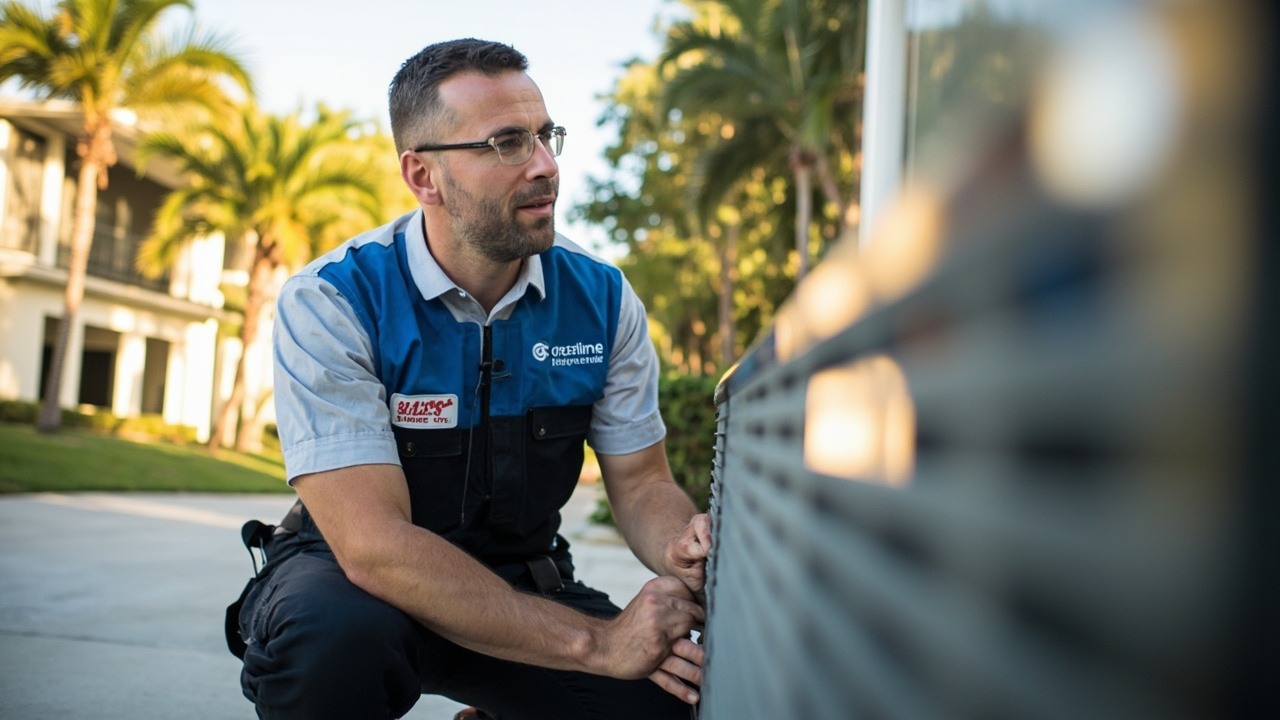
Expert AC Tune-Up and Maintenance in Hialeah FLHialeah heat is relentless in 2026. If you live near Palm Springs North or the busy streets of West 4th Avenue, you know your air conditioner runs almost…
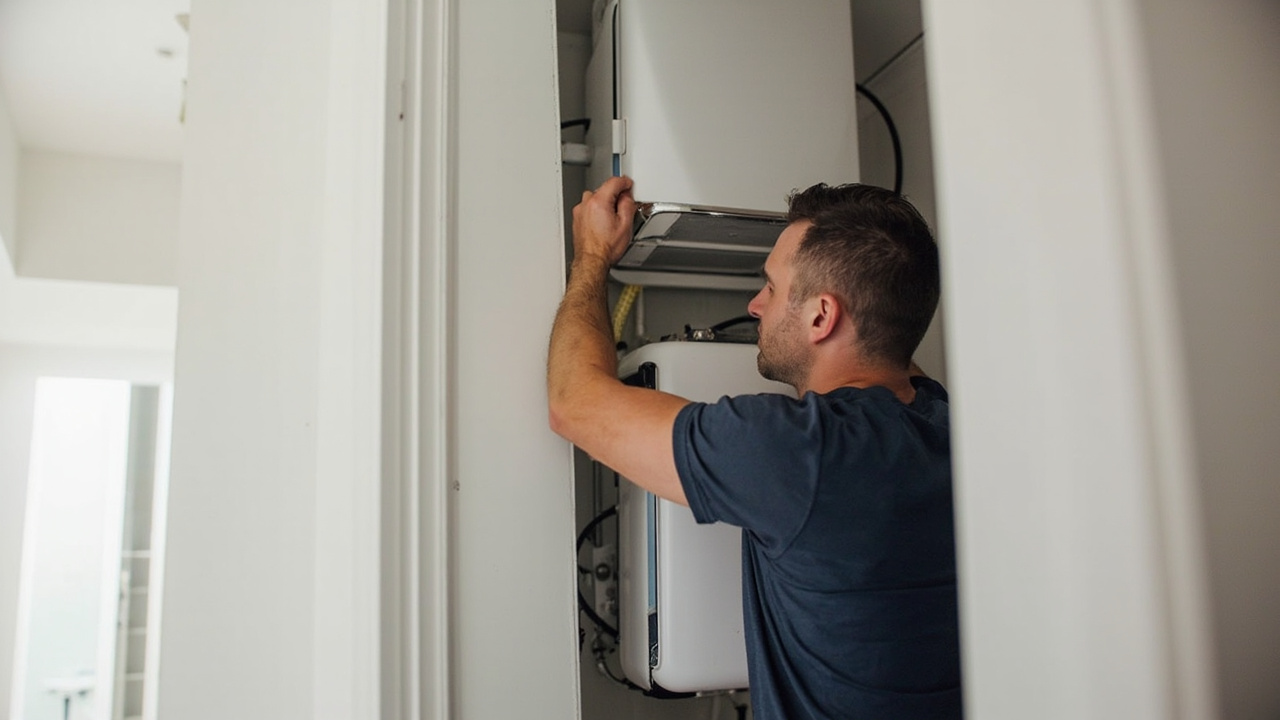
Whole House Dehumidifier Installation in Miami Florida Miami residents face unique challenges when managing indoor…
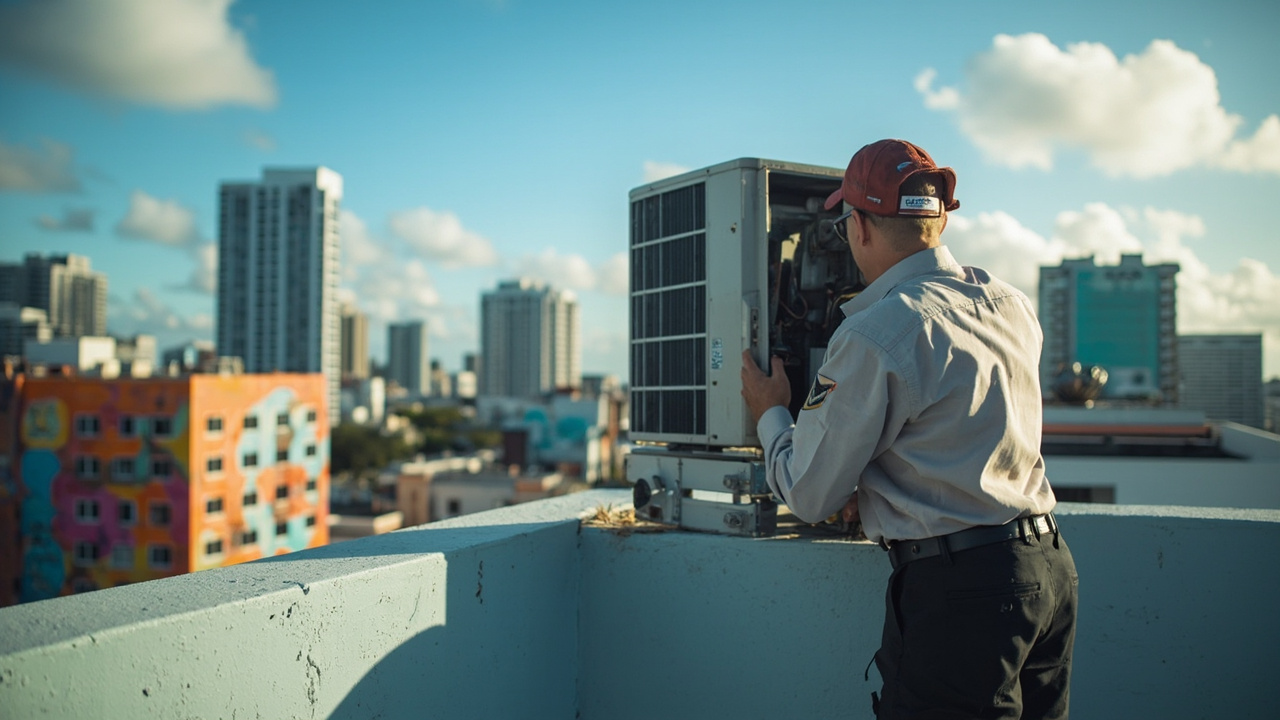
Commercial HVAC Services for Business Owners in Wynwood Who Can't Afford DowntimeRunning a business in…
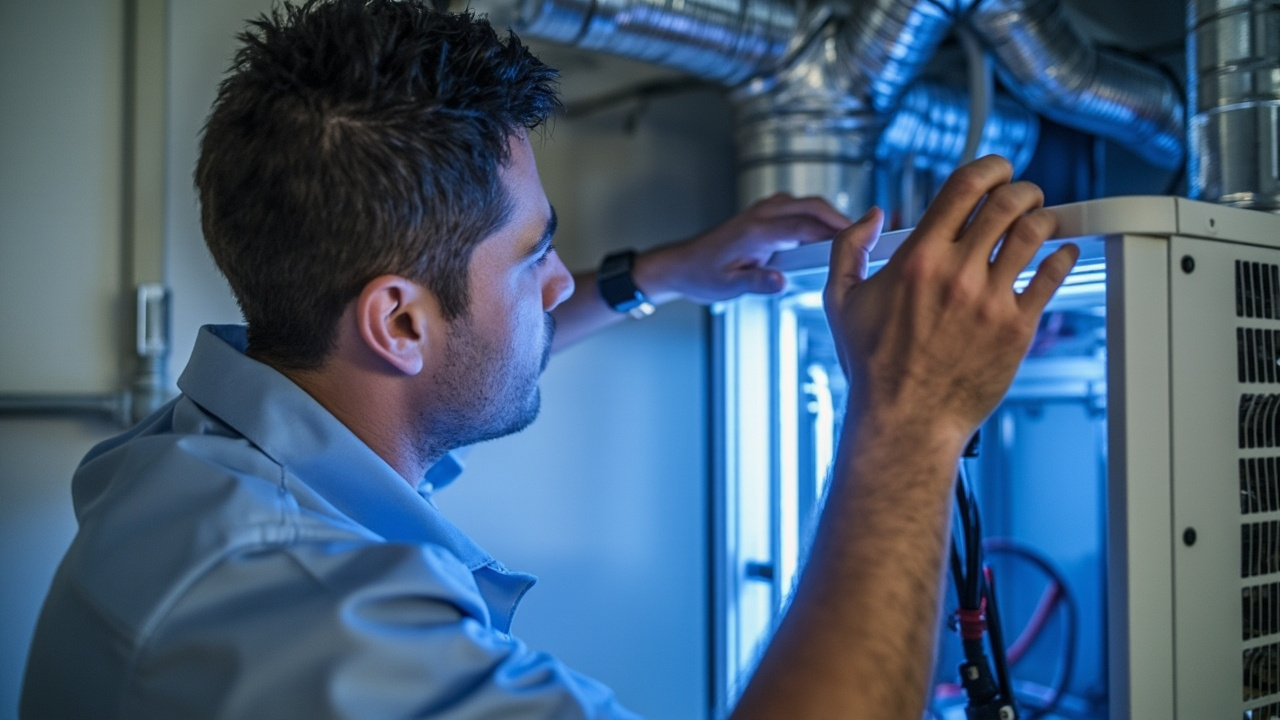
Choosing Between Air Scrubbers and UV Lights for Your Home in the Sunset NeighborhoodLiving in…
Your comfort matters. Call Crestline HVAC Miami now at (645) 231-4777 for fast response to HVAC emergencies. We dispatch technicians immediately and restore your cooling within hours, not days.