


Miami Lakes sits in the humid subtropical zone where air conditioners run nine months per year. Summer temperatures reach 95 degrees with humidity levels that make indoor air feel suffocating without proper cooling. Your system works harder here than in almost any other part of the country.
The area's proximity to the Everglades creates unique moisture challenges. Condensation accumulates faster in ductwork, promoting mold growth and reducing air quality. Salt air from the Atlantic Ocean corrodes outdoor condenser units, shortening their lifespan by several years compared to inland locations.
Homes near Main Street and along Ludlam Road face additional stress from afternoon thunderstorms that cause power surges. These electrical spikes damage compressors and circuit boards. Properties in the Royal Oaks and Miami Lakes Village neighborhoods often have aging HVAC systems installed during the development boom of the 1970s and 1980s. These units consume excessive energy and break down frequently.
Miami-Dade County building codes require specific SEER ratings and wind-load calculations for equipment installation. Improper installation voids warranties and creates safety hazards during hurricane season. Your HVAC system protects your family's health and your home's structural integrity in this climate.
Crestline HVAC Miami has served Miami Lakes for over 15 years, building our reputation on same-day repairs and honest diagnostics. We employ only NATE-certified technicians who undergo continuous training on new refrigerant regulations and equipment technology. Our trucks stock parts for Carrier, Trane, Lennox, Rheem, and Goodman systems, eliminating delays for common repairs.
We understand Miami Lakes geography. Our dispatch system prioritizes calls based on location, ensuring technicians arrive within 60 minutes for emergency service across neighborhoods from Windmill Gate to the industrial corridor near Northwest 138th Street. We know which homes have original builder-grade equipment that needs replacement versus newer systems worth repairing.
Unlike national chains that push expensive replacements, we provide transparent assessments. If your compressor failed but your air handler functions perfectly, we tell you the truth about repair costs versus replacement value. We explain options in plain language and let you decide. Our technicians never work on commission, so recommendations focus on your needs, not their paychecks.
We guarantee all repairs for one full year, covering both parts and labor. If the same problem returns within 12 months, we fix it at no charge. We also offer flexible financing through approved lenders, making major repairs and system replacements affordable for families on any budget. When you call Crestline HVAC Miami, you reach a local dispatcher who schedules service immediately, not an offshore call center that takes messages.

Our technicians reach Miami Lakes properties within 60 minutes during business hours and within 90 minutes for after-hours emergencies. We carry diagnostic equipment and common parts on every truck, completing most repairs during the first visit without scheduling return appointments.

Every Crestline technician holds North American Technician Excellence certification and completes annual training on EPA refrigerant regulations. We diagnose problems accurately using digital manifold gauges and thermal imaging cameras, preventing misdiagnosis that leads to unnecessary part replacements.
We provide written estimates before starting any repair work. Our pricing includes labor, parts, and disposal fees with no hidden charges. If we discover additional problems during diagnosis, we contact you for approval before proceeding. You never receive surprise bills.
We live and work in Miami Lakes, servicing homes and businesses throughout the community. Our technicians understand local building codes, HOA requirements, and the specific HVAC challenges that South Florida humidity and salt air create for cooling equipment.
Crestline HVAC Miami provides comprehensive air conditioning repair, installation, and maintenance services throughout Miami Lakes. We service residential properties from single-family homes to condominiums, plus commercial buildings including retail spaces and office complexes. Our service range covers central air systems, ductless mini-splits, heat pumps, and commercial rooftop units.
We handle emergency breakdowns, scheduled maintenance agreements, full system replacements, and indoor air quality improvements. Our technicians diagnose refrigerant leaks, compressor failures, frozen evaporator coils, thermostat malfunctions, and ductwork problems. We also perform load calculations for new construction and home additions, ensuring proper system sizing for optimal efficiency.
Whether you need a quick capacitor replacement or a complete system upgrade to meet new SEER requirements, Crestline HVAC Miami delivers professional service. We work with homeowners, property managers, and general contractors, coordinating installations around construction schedules and tenant occupancy. Our service categories address the full spectrum of heating and cooling needs in South Florida's demanding climate.
When your air conditioner stops working during a heat wave, we respond immediately. Our emergency service covers compressor failures, refrigerant leaks, electrical problems, and blower motor issues. We diagnose the problem using digital testing equipment and complete most repairs within two hours. Our trucks carry capacitors, contactors, thermostats, and other common parts for immediate fixes. We service all major brands including older systems that other companies refuse to repair.
We install energy-efficient central air systems, ductless mini-splits, and heat pumps that reduce electricity bills by up to 40 percent. Our installation process includes load calculations, ductwork inspection, electrical system evaluation, and proper refrigerant charging. We pull all required Miami-Dade County permits and coordinate inspections. Installations typically complete within one to two days. We offer financing through approved lenders with competitive rates for qualified buyers.
Regular maintenance extends equipment life and prevents emergency failures. Our tune-up service includes cleaning condenser coils, checking refrigerant levels, testing electrical connections, lubricating moving parts, and replacing air filters. We identify potential problems before they cause system breakdowns. Maintenance customers receive priority emergency service and discounted repair rates. We recommend biannual service for Miami Lakes properties due to heavy system usage and harsh environmental conditions.
Miami Lakes properties experience specific HVAC problems related to South Florida's climate and environmental conditions. High humidity accelerates wear on mechanical components while salt air corrodes metal parts faster than in inland areas. Afternoon thunderstorms cause power surges that damage circuit boards and compressors. Understanding these common issues helps you identify problems early and prevent complete system failures.
Homes near the Shula's Athletic Club and along the golf course face additional challenges from landscaping irrigation that saturates ground-level condenser units. Properties in older neighborhoods like Lake Patricia often have undersized ductwork from original construction, reducing system efficiency and increasing energy costs. Commercial buildings along Northwest 57th Avenue deal with heavy equipment loads that stress rooftop units. Recognizing warning signs allows you to schedule service before minor problems become expensive emergencies.
Dirty air filters and blocked return vents restrict airflow across evaporator coils, causing ice buildup that stops cooling. This problem occurs frequently during summer months when systems run continuously. Ice formation damages the coil and can crack refrigerant lines, requiring expensive repairs beyond simple filter replacement.
Salt air accelerates corrosion in copper refrigerant lines, especially at brazed joints and flare connections. Systems lose cooling capacity gradually as refrigerant escapes. Low refrigerant levels cause compressors to overheat and fail. Repairs require leak detection using electronic sensors, brazing the leak point, and recharging the system to manufacturer specifications.
Lightning strikes and grid fluctuations during thunderstorms send voltage spikes through electrical systems. These surges damage compressor windings and capacitors. Compressor replacement represents the most expensive repair, often costing half the price of a new system. Surge protectors provide essential protection for outdoor condenser units in Florida.
High humidity causes air conditioners to remove gallons of water daily. Algae and mold grow in condensate drain lines, creating blockages that overflow drain pans. Water spills damage ceilings, walls, and flooring. Regular drain line cleaning with proper biocide treatment prevents these clogs and protects your property from moisture damage.
We designed our service process to eliminate the frustration that comes with typical HVAC repairs. When you call Crestline HVAC Miami, you speak directly with a local dispatcher who schedules your appointment immediately. We provide specific arrival windows rather than vague timeframes, and our technicians call 30 minutes before arriving at your property.
Our service vans display clear company branding and identification. Technicians wear uniforms with name badges and carry photo ID. Before starting work, they put on shoe covers to protect your floors and lay down drop cloths around the work area. This attention to detail reflects our commitment to professional service that respects your home. You can expect clear communication, transparent pricing, and quality workmanship from arrival to completion.
Our technicians arrive with digital manifold gauges, thermal imaging cameras, and electrical testing equipment. They perform complete system diagnostics to identify the root cause of problems, not just surface symptoms. You receive a clear explanation of what failed, why it happened, and what repair options exist. We show you the failed component and explain how it affects system operation. This diagnostic process takes 30 to 45 minutes and prevents misdiagnosis that leads to unnecessary part replacements.
After diagnosis, we provide a written estimate that breaks down labor costs, parts prices, and any additional fees. The estimate includes warranty information for both parts and labor. If we discover multiple problems, we prioritize repairs based on urgency and explain which issues need immediate attention versus what can wait. You approve the estimate before we start work. No surprises appear on your final bill. If additional problems emerge during repairs, we stop and contact you for authorization before proceeding.
After completing repairs, our technicians test system operation for at least 20 minutes. They measure temperature differentials, verify proper refrigerant charge, check electrical amperage, and confirm thermostat calibration. You receive documentation showing system performance metrics that prove your air conditioner operates within manufacturer specifications. We explain what we repaired, how to prevent similar problems, and when to schedule your next maintenance service. Our work area is cleaned completely before we leave your property.
We keep the repair process simple and predictable. From your first call to final system testing, every step follows a proven sequence that ensures quality results and customer satisfaction.
Call our Miami Lakes office at (645) 231-4777 to speak with a dispatcher who schedules your appointment immediately. We offer same-day emergency service and next-day standard appointments. You receive a specific arrival window and the technician's name. Our dispatch system tracks technician location, and we call 30 minutes before arrival. For emergency calls, we prioritize based on severity and location to ensure the fastest possible response time throughout Miami Lakes neighborhoods.
The technician performs complete system diagnostics using professional testing equipment, then explains the problem in plain language. You receive a written estimate showing all costs before work begins. Most repairs complete during the initial visit because our trucks stock common parts. For specialized components, we order parts for next-day delivery. The technician answers all questions about the repair process, warranty coverage, and preventive measures to avoid future problems.
After repairs, the technician runs your system through complete operational testing, measuring performance metrics to verify proper function. You receive documentation showing temperature readings, refrigerant pressures, and electrical measurements. We explain your one-year warranty coverage and answer any remaining questions. A customer service representative calls within 48 hours to confirm your satisfaction. If any issues arise during the warranty period, we return immediately at no charge to make it right.
Miami-Dade County enforces the most stringent building codes in the continental United States due to hurricane exposure. The Florida Building Code with Miami-Dade amendments governs all HVAC installations and major repairs. These regulations mandate specific equipment ratings, installation methods, and safety features that protect your property during extreme weather events.
All air conditioning equipment must meet minimum SEER ratings established by federal efficiency standards. As of 2023, new systems require a 15 SEER rating or higher for installation in South Florida. Higher SEER ratings reduce electricity consumption but increase equipment costs. The investment typically pays back through lower utility bills within five to seven years.
Wind load calculations determine proper equipment anchoring specifications. Outdoor condenser units require concrete pads and hurricane straps rated for 175 mph winds. Roof-mounted commercial units need additional structural support and reinforced curb adapters. Improper installation creates dangerous projectiles during hurricanes and voids manufacturer warranties.
Refrigerant regulations changed significantly with the phaseout of R-22 refrigerant. New systems use R-410A or R-32 refrigerant, which operate at higher pressures and require different components. Technicians must hold EPA Section 608 certification to purchase, handle, and recover refrigerants legally. Mixing refrigerant types or using uncertified technicians damages equipment and violates federal environmental laws.
Electrical installations must comply with National Electrical Code requirements as adopted by Miami-Dade County. This includes proper circuit sizing, disconnect switches within sight of equipment, and ground fault protection. Many older homes need electrical panel upgrades to support modern high-efficiency HVAC systems.
Permit requirements apply to system replacements and major component repairs like compressor or air handler replacement. The permitting process includes plan review, inspection during installation, and final approval before energizing new equipment. Operating without proper permits risks citations and complicates future property sales.
Seasonal Energy Efficiency Ratio measures cooling output per unit of electricity consumed. A 16 SEER system uses approximately 30 percent less electricity than a minimum 13 SEER system. For Miami Lakes homes running air conditioning eight months yearly, this difference equals $40 to $80 monthly savings on electric bills.
Repair costs depend on component failure location, refrigerant type, and system accessibility. Compressor replacement represents the highest expense, often ranging from half to two-thirds the cost of complete system replacement. Age matters significantly. Systems over 12 years old with major component failures usually make better candidates for replacement than repair.
Residential system replacement typically requires one to two days. Day one includes removing old equipment, installing new air handler and condenser, running refrigerant lines, and making electrical connections. Day two covers final connections, vacuum testing, refrigerant charging, and operational verification. Complex installations with ductwork modifications or electrical upgrades may need three days.
Most manufacturers provide 10-year parts warranties on compressors and major components when registered within 90 days of installation. Labor coverage varies by contractor, typically ranging from one to five years. Warranties require proof of annual maintenance by licensed technicians. Missing maintenance voids warranty coverage and leaves you paying full price for component failures.
Licensed HVAC technician explains common air conditioning problems affecting Miami Lakes properties and demonstrates diagnostic techniques for identifying system failures. Covers refrigerant leaks, compressor issues, frozen evaporator coils, and electrical problems caused by South Florida's humid climate and salt air exposure. Shows proper repair methods, discusses Miami-Dade building code requirements, and provides maintenance tips that extend equipment life in harsh coastal environments.
Crestline HVAC Miami provides comprehensive air conditioning service throughout Miami Lakes and neighboring areas of northwest Miami-Dade County. Our service territory extends from the Palmetto Expressway east to Interstate 75, covering residential neighborhoods, commercial districts, and industrial properties across this growing region.
We service homes in the Royal Oaks community near Northwest 154th Street, where many properties feature original HVAC systems from the 1980s that need replacement. The Miami Lakes Village Center area along Northwest 67th Avenue includes both residential and commercial customers who depend on our rapid emergency response. Properties near Main Street and Ludlam Road call us frequently for repairs on systems damaged by power surges during afternoon thunderstorms.
The Windmill Gate neighborhood and adjacent properties around Lake Patricia benefit from our preventive maintenance programs that address humidity-related problems common in homes near water features. We serve businesses throughout the commercial corridor along Northwest 57th Avenue, including retail spaces, medical offices, and restaurant locations that require reliable climate control.
Homes in the Shenandoah subdivision and along Northwest 138th Street represent our largest residential service area. These properties range from single-story ranch homes to two-story executive residences, each with unique cooling requirements based on square footage and sun exposure. We also service condominiums and townhomes throughout the area, working with property management companies and individual unit owners.
Our technicians know Miami Lakes geography intimately. We understand that properties on the east side near the expressway face higher traffic pollution that clogs air filters faster. Homes near the golf course deal with irrigation overspray that corrodes outdoor units. Commercial buildings in the industrial area north of Northwest 170th Street require different service approaches than residential properties.
We extend service to adjacent communities including Hialeah Gardens to the east, Opa-locka to the southeast, and Palm Springs North to the west. This broader coverage area allows us to serve customers who work in Miami Lakes but live in nearby neighborhoods, plus businesses with multiple locations throughout northwest Miami-Dade County.
HVAC systems in Miami Lakes face unique challenges due to high humidity and heat. Your air conditioner runs most of the year, placing extra strain on components. Regular maintenance prevents breakdowns during peak summer months. Change filters monthly during heavy use. Schedule professional tune-ups twice yearly. Miami Lakes homes need properly sized systems to handle moisture removal and cooling demands. Undersized units struggle to dehumidify, while oversized systems cycle too frequently. Look for SEER ratings of 16 or higher for energy efficiency. Local contractors understand Florida building codes and salt air concerns near the coast.
Air conditioning maintenance in Miami Lakes should happen every six months. Spring checkups prepare your system for summer heat. Fall inspections ensure reliable heating during cooler months. Technicians clean coils, check refrigerant levels, and test electrical connections. They inspect drain lines for clogs caused by algae growth in humid conditions. Regular maintenance extends equipment life by three to five years. You'll notice lower energy bills and fewer emergency repairs. Most service plans include priority scheduling and discounts on repairs. Keep records of all maintenance visits for warranty purposes.
Replace your HVAC system when repairs exceed 50 percent of replacement value. Most systems last 12 to 15 years in Miami Lakes due to constant use. Warning signs include rising energy bills, uneven cooling, and frequent repairs. Units older than 10 years use outdated refrigerants and consume more electricity. Modern systems offer better humidity control and programmable features. Consider replacement if your system uses R-22 refrigerant, which is being phased out. New installations qualify for utility rebates and manufacturer warranties. Schedule replacement during off-peak seasons for better availability and attention to detail.
HVAC systems in Miami Lakes face unique challenges due to high humidity and heat. Your air conditioner runs most of the year, placing extra strain on components. Regular maintenance prevents breakdowns during peak summer months. Change filters monthly during heavy use. Schedule professional tune-ups twice yearly. Miami Lakes homes need properly sized systems to handle moisture removal and cooling demands. Undersized units struggle to dehumidify, while oversized systems cycle too frequently. Look for SEER ratings of 16 or higher for energy efficiency. Local contractors understand Florida building codes and salt air concerns near the coast.
Air conditioning maintenance in Miami Lakes should happen every six months. Spring checkups prepare your system for summer heat. Fall inspections ensure reliable heating during cooler months. Technicians clean coils, check refrigerant levels, and test electrical connections. They inspect drain lines for clogs caused by algae growth in humid conditions. Regular maintenance extends equipment life by three to five years. You'll notice lower energy bills and fewer emergency repairs. Most service plans include priority scheduling and discounts on repairs. Keep records of all maintenance visits for warranty purposes.
Replace your HVAC system when repairs exceed 50 percent of replacement value. Most systems last 12 to 15 years in Miami Lakes due to constant use. Warning signs include rising energy bills, uneven cooling, and frequent repairs. Units older than 10 years use outdated refrigerants and consume more electricity. Modern systems offer better humidity control and programmable features. Consider replacement if your system uses R-22 refrigerant, which is being phased out. New installations qualify for utility rebates and manufacturer warranties. Schedule replacement during off-peak seasons for better availability and attention to detail.
Miami Lakes homes need 400-500 square feet of coverage per ton of cooling capacity. A 2,000 square foot home typically requires a four-ton system. Ceiling height, insulation quality, and window placement affect sizing calculations. Rooms facing west need extra capacity due to afternoon sun exposure. Older homes with single-pane windows require more cooling power. Contractors perform Manual J load calculations to determine exact requirements. Oversized systems waste energy and fail to remove humidity properly. Undersized systems run continuously without reaching comfortable temperatures. Proper sizing ensures efficient operation and consistent comfort throughout your home.
High energy bills signal HVAC problems in Miami Lakes homes. Your system works harder when filters are dirty or coils are blocked. Check for air leaks around windows and doors. Programmable thermostats reduce runtime when you're away. Set temperatures to 78 degrees for optimal efficiency and comfort. Ceiling fans help circulate cool air, allowing higher thermostat settings. Replace old ductwork with cracks or poor insulation. Seal and insulate attics to prevent heat transfer. Plant shade trees on the south and west sides of your property. Schedule professional maintenance to keep your system running at peak efficiency.
Indoor air quality suffers in sealed Miami Lakes homes. High humidity promotes mold growth in ductwork and on surfaces. Install HEPA filters to remove allergens, dust, and pollen. UV lights in air handlers kill bacteria and mold spores. Dehumidifiers work alongside air conditioners to maintain 40-50 percent humidity levels. Change filters every 30 days during peak seasons. Clean supply and return vents monthly. Professional duct cleaning removes accumulated debris every three to five years. Ventilation systems bring fresh outdoor air inside without losing cooling efficiency. Better air quality reduces respiratory problems and allergy symptoms for your family.
Emergency HVAC service in Miami Lakes costs more than scheduled repairs. Systems often fail during extreme heat when demand is highest. Prevent emergencies with regular maintenance and prompt attention to small problems. Strange noises, weak airflow, and warm air from vents signal developing issues. Keep your technician's contact information accessible. Know how to reset circuit breakers and change filters yourself. Stock emergency supplies like backup filters. Many companies offer 24-hour service with faster response times for maintenance plan members. Address minor repairs before they become major failures. Schedule non-urgent work during slower winter months for better rates and availability.
Smart thermostats learn your schedule and adjust temperatures automatically. You control settings remotely through smartphone apps. Track energy usage patterns to identify waste. Geofencing features detect when you leave home and adjust accordingly. Voice control works with popular home automation systems. Miami Lakes residents save 10-20 percent on cooling bills with smart thermostats. Set different temperatures for various zones in larger homes. Receive maintenance reminders and system alerts. Installation takes one to two hours for most homes. Rebates from utility companies offset purchase expenses. Choose models compatible with your existing HVAC equipment and voltage requirements.
Ductwork problems waste up to 30 percent of cooled air in Miami Lakes homes. Leaks occur at joints and connections over time. Poor insulation allows heat transfer in attics and crawl spaces. Crushed or disconnected ducts prevent proper airflow to rooms. You'll notice hot spots, high energy bills, and excessive dust. Professional duct testing uses pressure measurements to find leaks. Sealing with mastic compound stops air loss better than standard tape. Insulated ducts maintain temperature during air travel. Properly designed duct systems balance airflow throughout your home. Consider duct replacement when installing new HVAC equipment for maximum efficiency.
Heat pumps provide efficient cooling and heating for Miami Lakes homes. They move heat instead of generating it, using less energy than traditional systems. Mild winters make heat pumps ideal for South Florida. Modern units operate quietly and maintain consistent temperatures. Look for two-stage or variable speed compressors for better humidity control. Heat pumps last 15-20 years with proper maintenance. They work well with solar panel systems to reduce operating expenses further. Choose units with high SEER and HSPF ratings for maximum efficiency. Backup heat strips provide extra warmth during rare cold snaps. Professional installation ensures proper refrigerant charge and airflow balance.
Miami Lakes homes need 400-500 square feet of coverage per ton of cooling capacity. A 2,000 square foot home typically requires a four-ton system. Ceiling height, insulation quality, and window placement affect sizing calculations. Rooms facing west need extra capacity due to afternoon sun exposure. Older homes with single-pane windows require more cooling power. Contractors perform Manual J load calculations to determine exact requirements. Oversized systems waste energy and fail to remove humidity properly. Undersized systems run continuously without reaching comfortable temperatures. Proper sizing ensures efficient operation and consistent comfort throughout your home.
High energy bills signal HVAC problems in Miami Lakes homes. Your system works harder when filters are dirty or coils are blocked. Check for air leaks around windows and doors. Programmable thermostats reduce runtime when you're away. Set temperatures to 78 degrees for optimal efficiency and comfort. Ceiling fans help circulate cool air, allowing higher thermostat settings. Replace old ductwork with cracks or poor insulation. Seal and insulate attics to prevent heat transfer. Plant shade trees on the south and west sides of your property. Schedule professional maintenance to keep your system running at peak efficiency.
Indoor air quality suffers in sealed Miami Lakes homes. High humidity promotes mold growth in ductwork and on surfaces. Install HEPA filters to remove allergens, dust, and pollen. UV lights in air handlers kill bacteria and mold spores. Dehumidifiers work alongside air conditioners to maintain 40-50 percent humidity levels. Change filters every 30 days during peak seasons. Clean supply and return vents monthly. Professional duct cleaning removes accumulated debris every three to five years. Ventilation systems bring fresh outdoor air inside without losing cooling efficiency. Better air quality reduces respiratory problems and allergy symptoms for your family.
Emergency HVAC service in Miami Lakes costs more than scheduled repairs. Systems often fail during extreme heat when demand is highest. Prevent emergencies with regular maintenance and prompt attention to small problems. Strange noises, weak airflow, and warm air from vents signal developing issues. Keep your technician's contact information accessible. Know how to reset circuit breakers and change filters yourself. Stock emergency supplies like backup filters. Many companies offer 24-hour service with faster response times for maintenance plan members. Address minor repairs before they become major failures. Schedule non-urgent work during slower winter months for better rates and availability.
Smart thermostats learn your schedule and adjust temperatures automatically. You control settings remotely through smartphone apps. Track energy usage patterns to identify waste. Geofencing features detect when you leave home and adjust accordingly. Voice control works with popular home automation systems. Miami Lakes residents save 10-20 percent on cooling bills with smart thermostats. Set different temperatures for various zones in larger homes. Receive maintenance reminders and system alerts. Installation takes one to two hours for most homes. Rebates from utility companies offset purchase expenses. Choose models compatible with your existing HVAC equipment and voltage requirements.
Ductwork problems waste up to 30 percent of cooled air in Miami Lakes homes. Leaks occur at joints and connections over time. Poor insulation allows heat transfer in attics and crawl spaces. Crushed or disconnected ducts prevent proper airflow to rooms. You'll notice hot spots, high energy bills, and excessive dust. Professional duct testing uses pressure measurements to find leaks. Sealing with mastic compound stops air loss better than standard tape. Insulated ducts maintain temperature during air travel. Properly designed duct systems balance airflow throughout your home. Consider duct replacement when installing new HVAC equipment for maximum efficiency.
Heat pumps provide efficient cooling and heating for Miami Lakes homes. They move heat instead of generating it, using less energy than traditional systems. Mild winters make heat pumps ideal for South Florida. Modern units operate quietly and maintain consistent temperatures. Look for two-stage or variable speed compressors for better humidity control. Heat pumps last 15-20 years with proper maintenance. They work well with solar panel systems to reduce operating expenses further. Choose units with high SEER and HSPF ratings for maximum efficiency. Backup heat strips provide extra warmth during rare cold snaps. Professional installation ensures proper refrigerant charge and airflow balance.
We proudly serve homeowners and businesses throughout Miami and nearby communities with dependable HVAC services. Whether you're in the heart of downtown or in the surrounding suburbs, our team is just a call away. Check the map below to see our service coverage. If your area isn’t listed, don’t worry—give us a call. We frequently accommodate special requests and go the extra mile to ensure our customers receive expert heating and cooling solutions, no matter where they are located.
Address:
Miami Lakes, FL, 33014
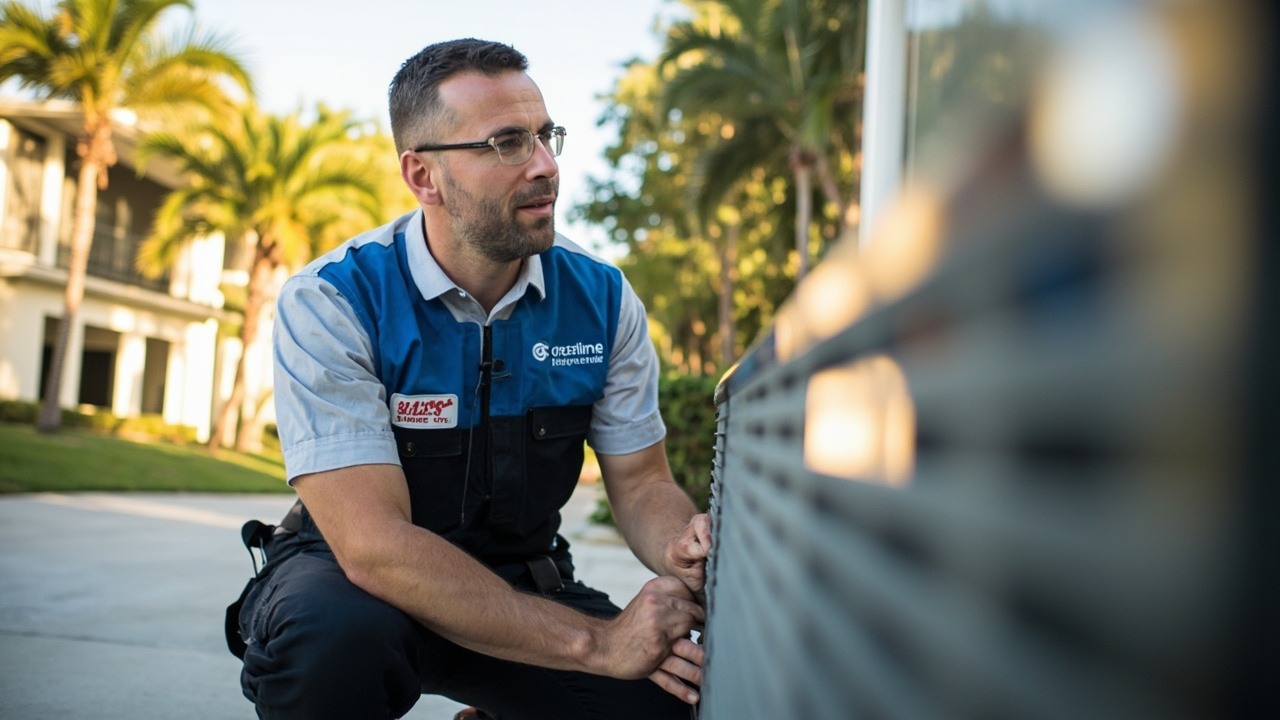
Expert AC Tune-Up and Maintenance in Hialeah FLHialeah heat is relentless in 2026. If you live near Palm Springs North or the busy streets of West 4th Avenue, you know your air conditioner runs almost…
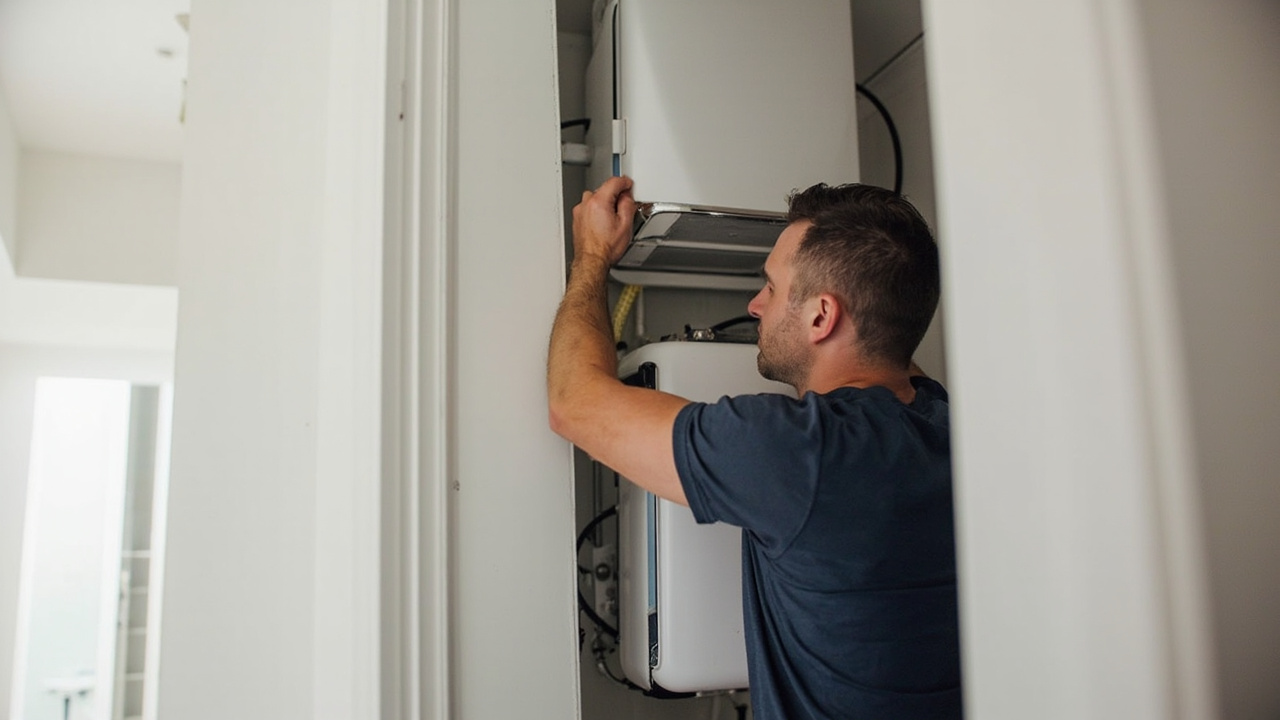
Whole House Dehumidifier Installation in Miami Florida Miami residents face unique challenges when managing indoor…
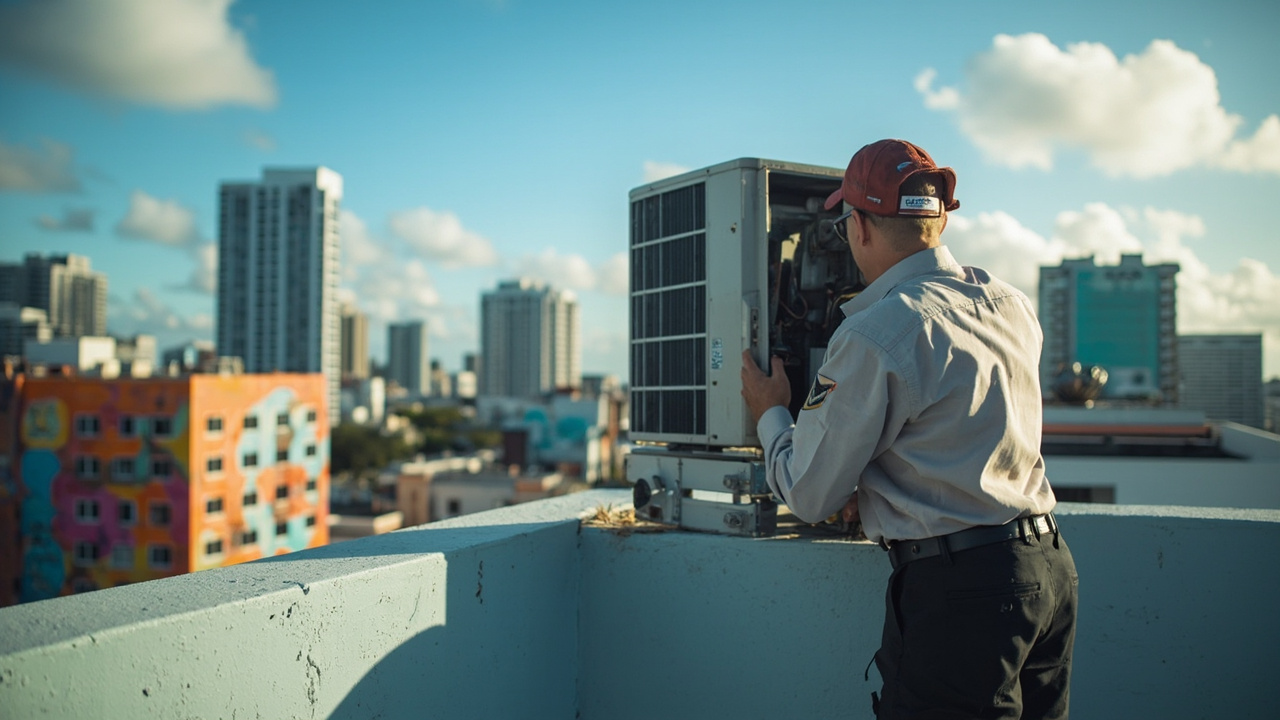
Commercial HVAC Services for Business Owners in Wynwood Who Can't Afford DowntimeRunning a business in…
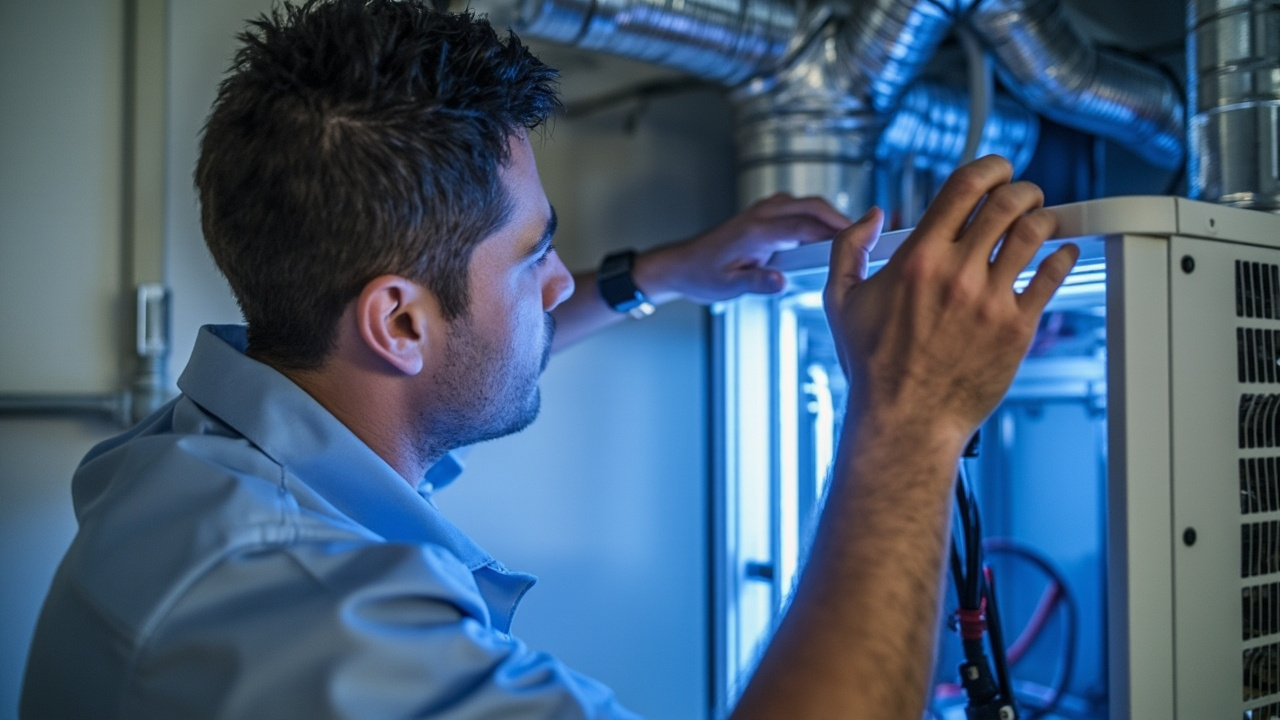
Choosing Between Air Scrubbers and UV Lights for Your Home in the Sunset NeighborhoodLiving in…
Your comfort matters. Call Crestline HVAC Miami now at (645) 231-4777 for same-day emergency service throughout Miami Lakes. Our technicians are ready to diagnose and repair your air conditioning system within hours. No waiting, no excuses, just fast professional service when you need it most.