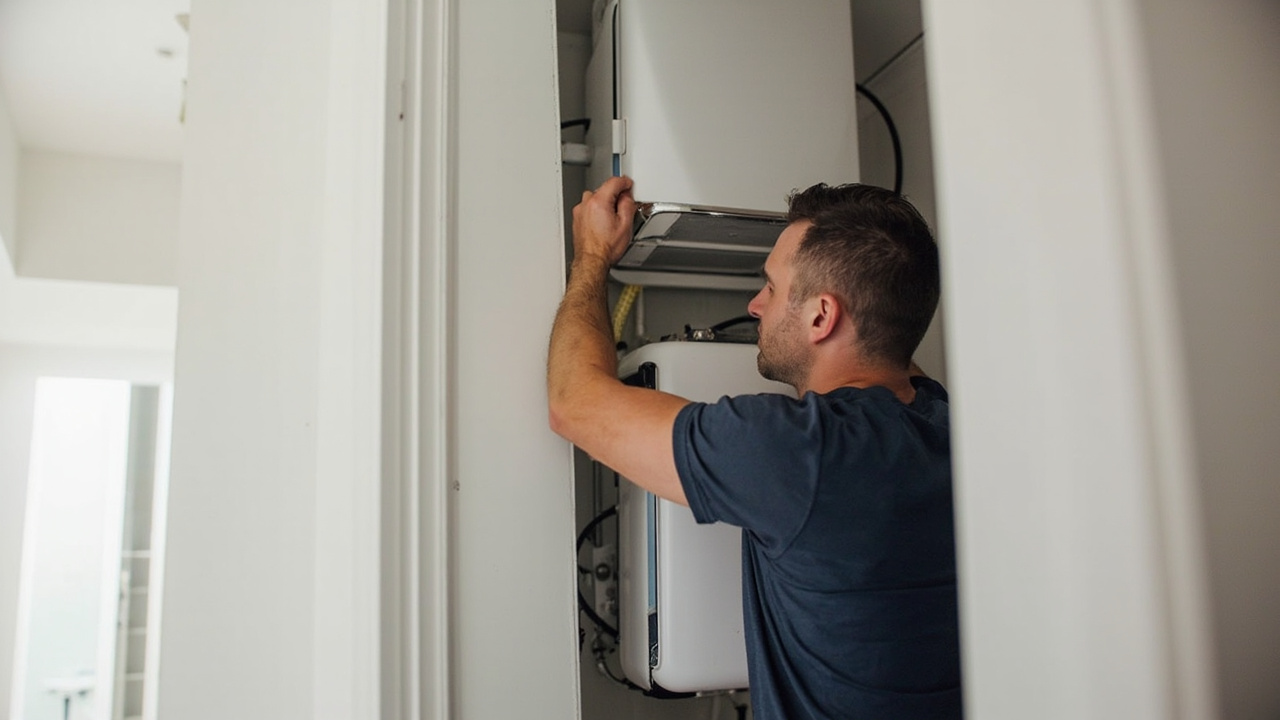
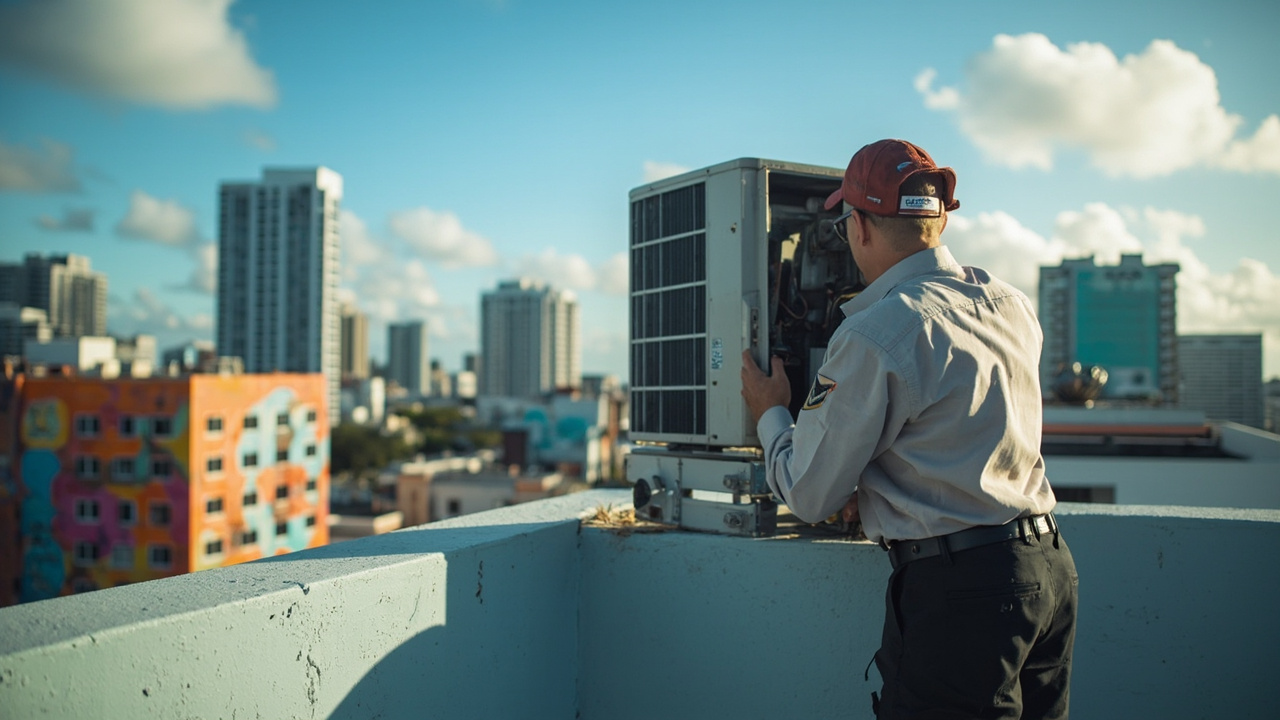
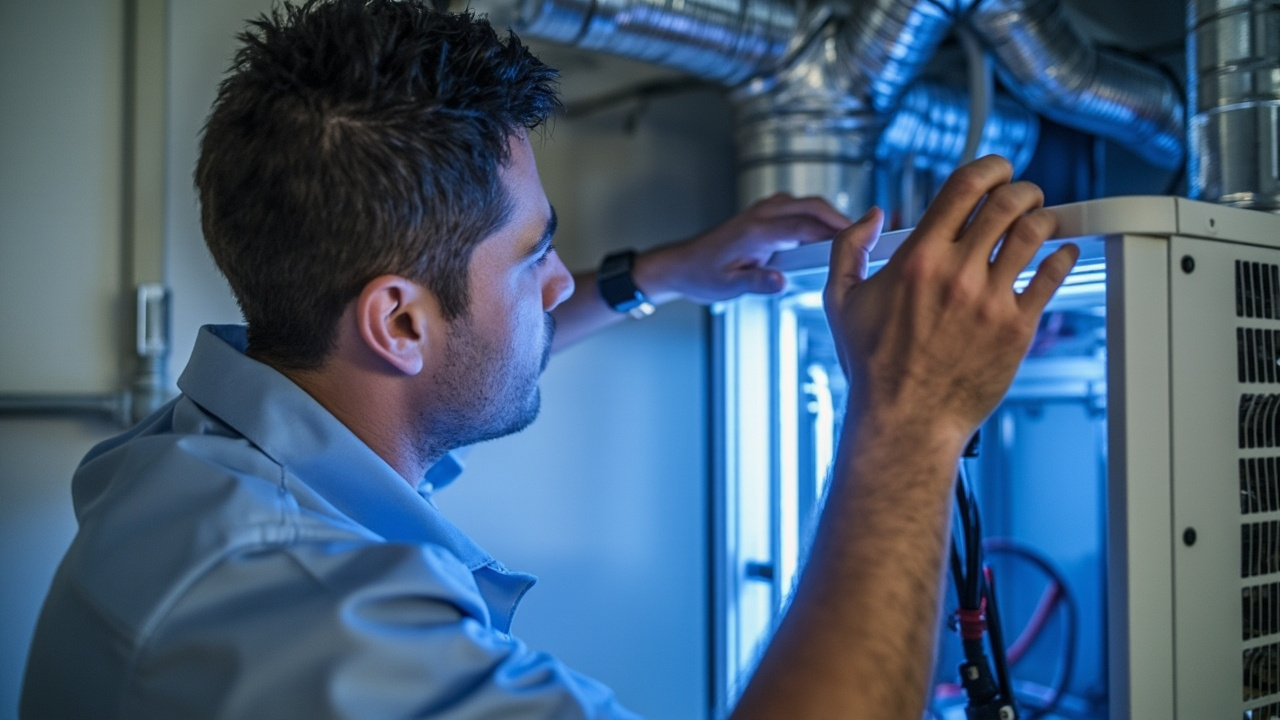
The salt air and high humidity near Biscayne Bay and the Atlantic coast accelerate corrosion on furnace components faster than inland areas. Heat exchangers, burner assemblies, and vent pipes develop rust and deterioration more quickly in Miami than in dry climates. This coastal exposure means components that typically last 15 years may fail after 10 years in Miami. Our technicians inspect for corrosion patterns specific to saltwater environments and understand when surface rust poses a genuine safety risk versus cosmetic concerns. We also see more condensation-related issues because Miami's temperature swings, even mild ones, create moisture inside ductwork and furnace cabinets.
Miami's heating needs differ significantly from northern markets, which means local expertise matters for urgent heating repair. We understand that Miami homes often have undersized heating systems because builders prioritize cooling capacity. When these systems fail during rare cold snaps, replacement parts may not be readily available from national suppliers focused on northern markets. Peak HVAC Tampa maintains local inventory specifically for Miami's heating equipment mix. We also understand local building codes for furnace venting and combustion air requirements, which changed significantly in Miami-Dade County after Hurricane Andrew. This local knowledge ensures repairs meet current safety standards and pass inspection if needed.