


Miami's subtropical climate creates brutal operating conditions for air conditioning systems. Units run nearly 365 days per year with minimal downtime, accumulating stress that shortens component life. The combination of intense UV exposure, salt air corrosion near coastal areas like South Beach and Brickell, and constant high humidity degrades outdoor equipment faster than systems in other regions.
Miami-Dade County building codes require specific SEER ratings and hurricane-rated outdoor units in coastal zones. These regulations exist because standard equipment fails under the sustained heat loads and wind events common to South Florida. Systems must handle indoor humidity levels that regularly exceed 70 percent during summer months, requiring properly sized dehumidification capacity beyond basic cooling.
The coral limestone bedrock under Miami creates drainage challenges that affect condensate lines. These lines clog frequently with algae growth in the humid environment, causing water damage and system shutdowns. Older neighborhoods like Little Havana and Coral Gables contain homes with outdated ductwork that leaks conditioned air into attics and walls, wasting energy and creating comfort problems. Understanding these local factors separates competent HVAC service from guesswork.
Crestline HVAC Miami built its reputation responding to emergency breakdowns when families need help most. We understand that a failed air conditioner in Miami is not an inconvenience but a genuine health risk, especially for elderly residents and young children. Our dispatch system prioritizes same-day service, and we staff technicians around the clock because AC emergencies don't wait for business hours.
Every Crestline service vehicle stocks manufacturer-specific parts for the brands most common in Miami homes. This inventory strategy means we complete most repairs in a single visit rather than scheduling return trips after ordering parts. Our technicians train continuously on the latest variable-speed systems and smart thermostats entering the market, maintaining certifications from major manufacturers including Carrier, Trane, Lennox, and Rheem.
We price repairs transparently before starting work. You receive a detailed quote explaining what failed, why it failed, and what the fix involves. No surprise charges appear after we finish. This honesty matters because HVAC repairs can be expensive, and families deserve to make informed decisions about their investments.
Our relationship with Miami extends beyond service calls. We maintain systems for property management companies throughout downtown Miami and Coconut Grove, handling preventive maintenance that keeps rental units habitable. We've diagnosed mold issues caused by oversized AC systems in Pinecrest homes and redesigned ductwork in Wynwood lofts converted from industrial spaces. This breadth of experience means we've seen virtually every problem Miami's climate creates and know how to solve it permanently.

We dispatch technicians to most Miami locations within two hours of your call during daytime hours. Evening and overnight emergencies receive response by morning. Our GPS routing directs the closest available technician to your location, minimizing your discomfort. When it's 95 degrees outside, every hour without AC matters.

Our service vehicles carry capacitors, contactors, fan motors, and circuit boards for systems commonly installed in Miami. This eliminates the delay between diagnosis and repair. Most breakdowns involve component failures we can fix immediately rather than complex issues requiring special orders. You get cooling restored the same day we arrive.
Crestline technicians maintain factory certifications from leading manufacturers, accessing technical bulletins and warranty protocols unavailable to general repair companies. This expertise matters when diagnosing problems in newer high-efficiency systems with complex controls. We understand how these systems should perform in Miami's climate and what adjustments optimize their operation.
We navigate Miami-Dade County permitting requirements for system replacements and major modifications. Our installations meet current building codes including wind load requirements for coastal properties and energy efficiency standards. This knowledge protects your investment and ensures your system passes inspection without delays or expensive rework.
Crestline HVAC Miami handles every aspect of residential and commercial cooling systems. Our service range extends from urgent breakdown repairs to planned system replacements and ongoing maintenance contracts. We separate our offerings into distinct categories because different situations require different responses and pricing structures.
Emergency repairs address immediate failures requiring quick restoration of cooling. Preventive maintenance involves scheduled inspections that catch problems before they cause breakdowns. System replacements apply when existing equipment reaches end of life or proves too inefficient to justify continued operation. Each service type follows different protocols and timelines matched to the situation's urgency.
Miami's HVAC needs span older single-family homes in neighborhoods like Coral Gables with aging central air systems, modern high-rise condos in Brickell with split systems, and commercial properties requiring rooftop package units. We staff technicians with specialized experience in residential service, commercial HVAC, and new construction installations. This specialization ensures you work with someone who understands your specific system type and its typical failure patterns in Miami's climate.
When your air conditioner stops cooling, we respond fast. Our emergency service handles complete system failures, refrigerant leaks, failed compressors, and electrical problems causing safety concerns. We diagnose the root cause using digital testing equipment and thermal imaging to verify repairs before leaving your property. Emergency repairs receive priority dispatch with technicians arriving prepared to restore cooling immediately. We stock critical components on every truck specifically for Miami's most common system brands and failure types.
Regular maintenance extends system life and prevents emergency failures during Miami's hottest months. Our tune-up service includes coil cleaning, refrigerant level verification, electrical connection inspection, condensate drain treatment, and airflow testing. We identify worn components before they fail and recommend replacement on your schedule rather than during an emergency. Maintenance customers receive priority scheduling and discounted repair rates. Most plans include two annual visits timed for spring and fall when systems face their highest demands.
When repair costs approach replacement value or your system exceeds 15 years old, new equipment makes financial sense. We calculate accurate cooling loads specific to your home's size, insulation, and window exposure rather than simply matching existing tonnage. Our installations include proper ductwork sizing, refrigerant line sets rated for Miami's heat, and programmable thermostats that reduce energy waste. We handle all permitting with Miami-Dade County and coordinate inspections. New systems come with manufacturer warranties and our installation guarantee.
Miami's year-round cooling demand and harsh environmental conditions create predictable failure patterns in residential HVAC systems. Understanding these common problems helps homeowners recognize warning signs before minor issues become expensive emergencies. The subtropical climate accelerates wear on components designed for less demanding conditions, and the salt air near coastal neighborhoods corrodes metal parts faster than inland locations experience.
Humidity control represents Miami's biggest challenge beyond basic temperature management. Systems must remove moisture from indoor air while maintaining comfortable temperatures, requiring properly functioning condensers and correctly sized equipment. When dehumidification fails, homes feel clammy even when thermostats show acceptable temperatures. The following issues appear repeatedly in Miami service calls, each requiring specific diagnostic approaches and repair strategies. Recognizing these symptoms early allows for planned repairs during mild weather rather than emergency service during heat waves.
Ice forming on indoor coils stops cooling and damages components. This happens when airflow drops due to dirty filters, blocked returns, or failed blower motors. Low refrigerant from leaks also causes freezing. We inspect the entire air path and pressure-test refrigerant circuits to identify the root cause. Simply thawing ice without fixing the underlying problem guarantees the issue returns.
AC systems in Miami remove gallons of water daily from humid air. This moisture drains through pipes that clog with algae and slime in the warm, dark environment. Blocked drains cause water damage to ceilings and walls or trigger safety shutoffs that stop cooling. We clear blockages and treat lines with tablets that prevent biological growth between service visits.
Pinhole leaks develop in refrigerant lines from vibration and corrosion. Systems lose cooling capacity gradually as refrigerant escapes. Simply adding refrigerant without repairing leaks wastes money and damages the environment. We use electronic leak detectors and UV dye to locate leaks, then repair or replace the damaged section. Proper repairs include evacuating the system and recharging to manufacturer specifications.
These electrical components start compressors and fan motors. Miami's heat degrades capacitors faster than cooler climates, causing motors to fail or not start. Contactors develop pitted contacts from repeated cycling under high loads. We test these components during maintenance visits and replace them before failure. Carrying these parts on every truck allows same-visit repairs when they fail unexpectedly.
Calling for HVAC service during a breakdown is stressful. Your home is uncomfortable, you don't know what's wrong, and you're worried about the cost. Crestline HVAC Miami follows a consistent process designed to restore your cooling quickly while keeping you informed at every step. We answer calls with real people, not automated systems, because emergencies require immediate human attention.
Our dispatch coordinator asks specific questions about your symptoms to help the assigned technician prepare before arriving. Knowing whether your outdoor unit is running, whether you hear unusual sounds, or whether circuit breakers tripped helps us bring the right parts and tools. We provide accurate arrival windows and call ahead when we're en route so you're not left wondering when help will arrive.
Once on-site, our technicians focus first on diagnosis, then on explaining options clearly. We want you to understand what failed and why so you can make informed decisions about repairs. The following elements define every Crestline service call in Miami, whether we're handling an emergency repair or performing routine maintenance.
Our technicians arrive with digital manifolds for precise refrigerant pressure readings, thermal imaging cameras to identify airflow problems, and electrical testing equipment to verify voltage and amperage. These tools eliminate guesswork. We test systematically rather than swapping parts randomly. You'll see exactly what our instruments reveal and receive a clear explanation of what those readings mean. Most diagnoses take 30 to 45 minutes depending on system complexity and accessibility.
After diagnosis, we provide detailed written quotes showing labor costs, parts costs, and total investment required. We explain what each component does and why replacement is necessary. If multiple solutions exist, we present options with different price points and trade-offs. You authorize work by signing the estimate. We never start repairs based on verbal approvals or surprise you with additional charges. Emergency situations receive the same transparent pricing as scheduled appointments.
We don't consider a job complete until we verify proper operation under actual load conditions. After repairs, we run systems through complete cooling cycles, measuring temperature splits across coils and verifying proper refrigerant pressures. You'll see the system working correctly before we leave. We explain any maintenance recommendations for preventing future problems and answer questions about operating your system efficiently. Our work includes a service guarantee covering both parts and labor.
Getting your AC fixed shouldn't be complicated. We've streamlined our process to three clear phases that move from initial contact to completed repair efficiently.
Call (645) 231-4777 to speak with our dispatch team. We'll ask about your symptoms and schedule a technician visit. Emergency calls receive same-day service in most Miami areas. Routine maintenance and non-urgent repairs can be scheduled at your convenience. We provide arrival windows rather than all-day waits, and we call ahead when the technician is en route. You'll know your technician's name and receive their direct contact number.
Our technician inspects your system thoroughly using diagnostic equipment to identify the exact problem. You'll receive a clear explanation of what failed and a written estimate for repairs. Once you approve the quote, we complete repairs using parts from our truck inventory. Most common failures are fixed the same visit. Complex problems requiring special parts are scheduled for completion as soon as components arrive, typically within 48 hours.
After repairs, we test your system under operating conditions to verify proper function. You'll see temperature readings, pressure measurements, and airflow verification confirming everything works correctly. We clean up our work area and review any maintenance recommendations. You receive written documentation of all work performed including warranty information. We follow up within a few days to ensure your system continues operating properly and answer any additional questions.
Miami-Dade County enforces some of the strictest building codes in the nation due to hurricane exposure and tropical climate challenges. These regulations govern HVAC installations, replacements, and major repairs to ensure systems withstand wind events and operate efficiently under sustained cooling loads. Understanding these requirements separates professional installations from shortcuts that fail inspections or void warranties.
The Florida Building Code requires minimum SEER ratings of 14 for new central air conditioners, but practical experience in Miami suggests 16 SEER or higher for acceptable efficiency. Systems run nearly year-round here, making efficiency ratings more critical than in seasonal climates. Equipment must also meet Miami-Dade County's High Velocity Hurricane Zone approvals for wind resistance. These units feature reinforced cabinets and secured components designed to survive 175 mph winds without becoming projectiles.
Ductwork installations must follow Manual D calculations for proper sizing based on actual cooling loads and static pressure requirements. Undersized ducts create velocity noise and reduce system efficiency. Oversized ducts allow temperature stratification and inadequate dehumidification. We perform room-by-room load calculations using Manual J protocols rather than estimating based on square footage alone. This precision matters because Miami's solar heat gain through windows and walls varies dramatically based on orientation and shading.
Refrigerant regulations continue evolving with R-410A systems dominating current installations. Proper charging requires measuring subcooling or superheat under actual operating conditions, not just adding refrigerant by weight. Miami's high ambient temperatures during summer push systems to their design limits, making precise refrigerant charge critical for compressor longevity. We follow manufacturer charging charts adjusted for local conditions rather than generic rules of thumb that produce incorrect results.
Electrical installations must meet National Electrical Code standards with proper disconnect sizing, wire gauge selection, and breaker coordination. Inadequate wire gauge causes voltage drop that damages compressor motors. Incorrectly sized breakers fail to protect equipment from electrical faults. We verify electrical installations meet code requirements and test voltage under load to identify problems with existing wiring that affect AC performance.
Proper AC sizing requires Manual J load calculations accounting for Miami's solar heat gain, building orientation, insulation values, and window specifications. Oversized systems short-cycle and fail to dehumidify. Undersized systems run constantly without maintaining comfort. We measure and calculate rather than guessing based on existing equipment size, which may have been wrong originally.
Repair costs depend on component prices, labor complexity, and refrigerant type. Compressor replacements represent major investments often approaching 60 percent of new system costs. Accessibility affects labor time significantly, with rooftop units and tight attic installations requiring more time than ground-level equipment. We provide detailed breakdowns so you understand what drives the total investment.
Emergency repairs using stocked parts complete in two to four hours from arrival. Special-order components add one to three days depending on distributor inventory. Complete system replacements require permit approval from Miami-Dade County, adding three to five business days before installation. We schedule work to minimize disruption and keep you informed of progress throughout the timeline.
Miami-Dade County requires permits for system replacements, refrigerant line modifications, and electrical work. We handle all permitting paperwork and coordinate inspections with county officials. Our installations consistently pass inspection the first time because we follow code requirements exactly as written. Proper permitting protects your property value and ensures warranty coverage.
Professional HVAC technician explains common air conditioning problems specific to Miami's subtropical climate and year-round cooling demands. Video covers diagnostic approaches for frozen evaporator coils, refrigerant leaks, condensate drain clogs, and electrical component failures. Includes information on Miami-Dade County building codes, proper system sizing using Manual J load calculations, and when repairs make financial sense versus system replacement. Discusses environmental factors affecting AC performance including salt air corrosion, high humidity, and intense UV exposure across different Miami neighborhoods.
Crestline HVAC Miami provides air conditioning repair and installation throughout Miami-Dade County. Our service area extends from the beaches of South Beach and Miami Beach inland through downtown Miami's Brickell financial district to residential neighborhoods across the greater metro region. We dispatch technicians from centrally located facilities ensuring rapid response to emergency calls regardless of your location.
The diverse architecture across Miami creates varied HVAC challenges. Historic homes in Coral Gables feature older central air systems with outdated ductwork requiring careful evaluation during service calls. These properties often need duct sealing and insulation upgrades to improve efficiency. The tree-canopied streets provide shade that reduces cooling loads compared to newer developments, but mature landscaping can block airflow to outdoor units requiring strategic placement during replacements.
Coconut Grove's bayside location exposes HVAC equipment to salt air that accelerates corrosion on outdoor units. We recommend marine-grade coatings and more frequent maintenance for systems near the water. The area's mix of single-family homes and low-rise condos requires technicians experienced with both residential central air and split systems common in multi-family buildings.
Downtown Miami and Brickell present unique challenges with high-rise condos using individual split systems or centralized chilled water plants. Service requires building access coordination and familiarity with commercial-grade equipment. The urban heat island effect in these dense neighborhoods increases cooling loads compared to suburban areas, pushing systems harder and requiring robust equipment selections.
Little Havana's compact lots and older housing stock often have minimal attic access and tight equipment placement. Our technicians are experienced working in confined spaces and navigating the logistical challenges these properties present. Many homes in this neighborhood would benefit from ductless mini-split systems that avoid extensive ductwork modifications.
Pinecrest and Palmetto Bay feature larger homes on substantial lots with complex zoning requirements. These properties often have multiple AC units serving different floors or wings. Our experience with multi-zone systems ensures balanced cooling across all areas. The inland location slightly reduces salt air exposure but intense sun exposure still degrades outdoor equipment requiring proper placement and shade considerations.
We also serve Kendall, Doral, Aventura, and North Miami Beach communities. Each area presents specific challenges based on building age, proximity to the coast, and typical system types. Our technicians receive ongoing training on regional variations so they arrive prepared for the conditions your neighborhood presents. This geographic expertise allows faster diagnosis and ensures repairs account for local environmental factors affecting system performance.
The $5000 rule helps you decide between repair and replacement. If your AC is over 15 years old and the repair cost multiplied by its age exceeds $5000, replace the unit. For example, a $400 repair on a 10-year-old system equals $4000, so you repair. A $350 repair on a 16-year-old system equals $5600, so you replace. In Miami's brutal heat and humidity, older systems work harder and fail more often. This rule prevents you from throwing good money after bad on a dying AC that will fail again.
HVAC technicians in Miami earn between $38,000 and $65,000 annually, with experienced techs pulling $55,000 to $75,000. Master technicians or those with EPA certifications and specialized skills in commercial systems can exceed $80,000. Miami's year-round cooling demand drives strong wages compared to seasonal markets. Techs working emergency calls, weekends, or hurricane recovery periods earn more through overtime. Commercial specialists who service high-rises in Brickell or hotels in Miami Beach command premium rates. Your pay reflects your certifications, experience, and willingness to handle after-hours emergencies.
A 2000 square foot house in Miami needs a 3.5 to 5-ton AC system, costing $5,500 to $12,000 installed. Variables include your home's insulation, window quality, ceiling height, and ductwork condition. Miami's heat and humidity require properly sized units. Undersized systems run constantly and fail early. Oversized systems short-cycle and leave your home humid. Split systems with variable-speed compressors cost more upfront but cut your FPL bill by 30 percent. Get three quotes and verify each contractor performs a Manual J load calculation before sizing your system.
The $5000 rule helps you decide between repair and replacement. If your AC is over 15 years old and the repair cost multiplied by its age exceeds $5000, replace the unit. For example, a $400 repair on a 10-year-old system equals $4000, so you repair. A $350 repair on a 16-year-old system equals $5600, so you replace. In Miami's brutal heat and humidity, older systems work harder and fail more often. This rule prevents you from throwing good money after bad on a dying AC that will fail again.
HVAC technicians in Miami earn between $38,000 and $65,000 annually, with experienced techs pulling $55,000 to $75,000. Master technicians or those with EPA certifications and specialized skills in commercial systems can exceed $80,000. Miami's year-round cooling demand drives strong wages compared to seasonal markets. Techs working emergency calls, weekends, or hurricane recovery periods earn more through overtime. Commercial specialists who service high-rises in Brickell or hotels in Miami Beach command premium rates. Your pay reflects your certifications, experience, and willingness to handle after-hours emergencies.
A 2000 square foot house in Miami needs a 3.5 to 5-ton AC system, costing $5,500 to $12,000 installed. Variables include your home's insulation, window quality, ceiling height, and ductwork condition. Miami's heat and humidity require properly sized units. Undersized systems run constantly and fail early. Oversized systems short-cycle and leave your home humid. Split systems with variable-speed compressors cost more upfront but cut your FPL bill by 30 percent. Get three quotes and verify each contractor performs a Manual J load calculation before sizing your system.
Commercial HVAC service managers and master technicians earn the highest wages, ranging from $85,000 to $120,000 annually. Specialized roles like chiller technicians, building automation specialists, and industrial HVAC engineers can exceed $100,000. In Miami, commercial techs servicing downtown high-rises, hospitals, or data centers command premium rates due to complex systems and critical uptime requirements. Self-employed contractors with established client bases and multiple crews earn significantly more. Advanced certifications in refrigeration, controls, and energy management systems boost earning potential. The highest earners combine technical expertise with business skills and emergency availability.
Your new HVAC system qualifies for federal tax credits if it meets Energy Star efficiency standards. Through 2032, you can claim 30 percent of the cost, up to $2000 annually, for qualified heat pumps and central AC units. The system must have a SEER2 rating of 16 or higher. You need manufacturer certification statements and the product model number for your tax filing. Miami homeowners benefit most from high-efficiency systems because your AC runs 8 to 10 months yearly. Check IRS Form 5695 for current requirements and keep all receipts and certification documents for your return.
The 3-minute rule protects your compressor from damage. After your AC shuts off, wait at least 3 minutes before restarting. This lets refrigerant pressures equalize between the high and low sides of the system. Restarting too soon forces the compressor to start against high pressure, stressing internal components and shortening its lifespan. Modern thermostats have built-in time delays to prevent short cycling. In Miami's constant-run environment, this protection matters. If your system short cycles repeatedly, you have an underlying problem like refrigerant issues, a failing thermostat, or an oversized unit that needs professional diagnosis.
Yes, HVAC technicians can earn $100,000 yearly through overtime, emergency calls, and specialized skills. In Miami, techs who work hurricane recovery, handle commercial accounts, or run emergency services reach six figures. Self-employed contractors with steady client bases and efficient operations exceed this figure. The path requires EPA certification, ongoing training in new technologies, and strong customer service skills. Miami's year-round demand and constant construction provide steady work. Techs who specialize in high-efficiency systems, commercial refrigeration, or building automation systems command higher rates. Willingness to work nights, weekends, and holidays accelerates income growth significantly.
A $90,000 salary in Miami is comfortable but not extravagant. Miami's cost of living runs 20 percent above the national average, driven by housing costs. You can afford a decent apartment or modest home, reliable transportation, and occasional dining out. However, you will budget carefully for savings and discretionary spending. Areas like Kendall, Westchester, or North Miami offer better value than Brickell or Coral Gables. Factor in Florida's lack of state income tax, which stretches your paycheck. For a single person, $90,000 provides financial stability. For families, you will need disciplined budgeting to cover childcare and education costs.
HVAC work is physically demanding and deadline-driven, which creates stress. You crawl through attics in 130-degree heat, work on roofs in Miami's summer sun, and handle emergency calls during family time. Customer pressure runs high when systems fail in July heat. Commercial work involves strict deadlines and building manager expectations. The physical toll from lifting equipment, repetitive motions, and awkward positions adds up over years. However, many techs find satisfaction in problem-solving and helping people. Strong troubleshooting skills, good time management, and setting boundaries between work and home life reduce stress significantly.
Buy your HVAC system in fall or early winter, October through December, in Miami. Demand drops after summer, so contractors offer better pricing and faster installation schedules. You avoid the summer rush when wait times stretch to weeks and prices peak. Spring is your second-best window before the brutal heat arrives. Never wait for failure during June through September when you will pay premium pricing and wait days in the heat. If your system is over 12 years old, replace it proactively during the off-season. You get better attention, more installation time slots, and negotiating leverage on pricing.
Commercial HVAC service managers and master technicians earn the highest wages, ranging from $85,000 to $120,000 annually. Specialized roles like chiller technicians, building automation specialists, and industrial HVAC engineers can exceed $100,000. In Miami, commercial techs servicing downtown high-rises, hospitals, or data centers command premium rates due to complex systems and critical uptime requirements. Self-employed contractors with established client bases and multiple crews earn significantly more. Advanced certifications in refrigeration, controls, and energy management systems boost earning potential. The highest earners combine technical expertise with business skills and emergency availability.
Your new HVAC system qualifies for federal tax credits if it meets Energy Star efficiency standards. Through 2032, you can claim 30 percent of the cost, up to $2000 annually, for qualified heat pumps and central AC units. The system must have a SEER2 rating of 16 or higher. You need manufacturer certification statements and the product model number for your tax filing. Miami homeowners benefit most from high-efficiency systems because your AC runs 8 to 10 months yearly. Check IRS Form 5695 for current requirements and keep all receipts and certification documents for your return.
The 3-minute rule protects your compressor from damage. After your AC shuts off, wait at least 3 minutes before restarting. This lets refrigerant pressures equalize between the high and low sides of the system. Restarting too soon forces the compressor to start against high pressure, stressing internal components and shortening its lifespan. Modern thermostats have built-in time delays to prevent short cycling. In Miami's constant-run environment, this protection matters. If your system short cycles repeatedly, you have an underlying problem like refrigerant issues, a failing thermostat, or an oversized unit that needs professional diagnosis.
Yes, HVAC technicians can earn $100,000 yearly through overtime, emergency calls, and specialized skills. In Miami, techs who work hurricane recovery, handle commercial accounts, or run emergency services reach six figures. Self-employed contractors with steady client bases and efficient operations exceed this figure. The path requires EPA certification, ongoing training in new technologies, and strong customer service skills. Miami's year-round demand and constant construction provide steady work. Techs who specialize in high-efficiency systems, commercial refrigeration, or building automation systems command higher rates. Willingness to work nights, weekends, and holidays accelerates income growth significantly.
A $90,000 salary in Miami is comfortable but not extravagant. Miami's cost of living runs 20 percent above the national average, driven by housing costs. You can afford a decent apartment or modest home, reliable transportation, and occasional dining out. However, you will budget carefully for savings and discretionary spending. Areas like Kendall, Westchester, or North Miami offer better value than Brickell or Coral Gables. Factor in Florida's lack of state income tax, which stretches your paycheck. For a single person, $90,000 provides financial stability. For families, you will need disciplined budgeting to cover childcare and education costs.
HVAC work is physically demanding and deadline-driven, which creates stress. You crawl through attics in 130-degree heat, work on roofs in Miami's summer sun, and handle emergency calls during family time. Customer pressure runs high when systems fail in July heat. Commercial work involves strict deadlines and building manager expectations. The physical toll from lifting equipment, repetitive motions, and awkward positions adds up over years. However, many techs find satisfaction in problem-solving and helping people. Strong troubleshooting skills, good time management, and setting boundaries between work and home life reduce stress significantly.
Buy your HVAC system in fall or early winter, October through December, in Miami. Demand drops after summer, so contractors offer better pricing and faster installation schedules. You avoid the summer rush when wait times stretch to weeks and prices peak. Spring is your second-best window before the brutal heat arrives. Never wait for failure during June through September when you will pay premium pricing and wait days in the heat. If your system is over 12 years old, replace it proactively during the off-season. You get better attention, more installation time slots, and negotiating leverage on pricing.
We proudly serve homeowners and businesses throughout Miami and nearby communities with dependable HVAC services. Whether you're in the heart of downtown or in the surrounding suburbs, our team is just a call away. Check the map below to see our service coverage. If your area isn’t listed, don’t worry—give us a call. We frequently accommodate special requests and go the extra mile to ensure our customers receive expert heating and cooling solutions, no matter where they are located.
Address:
Miami, FL, 33131
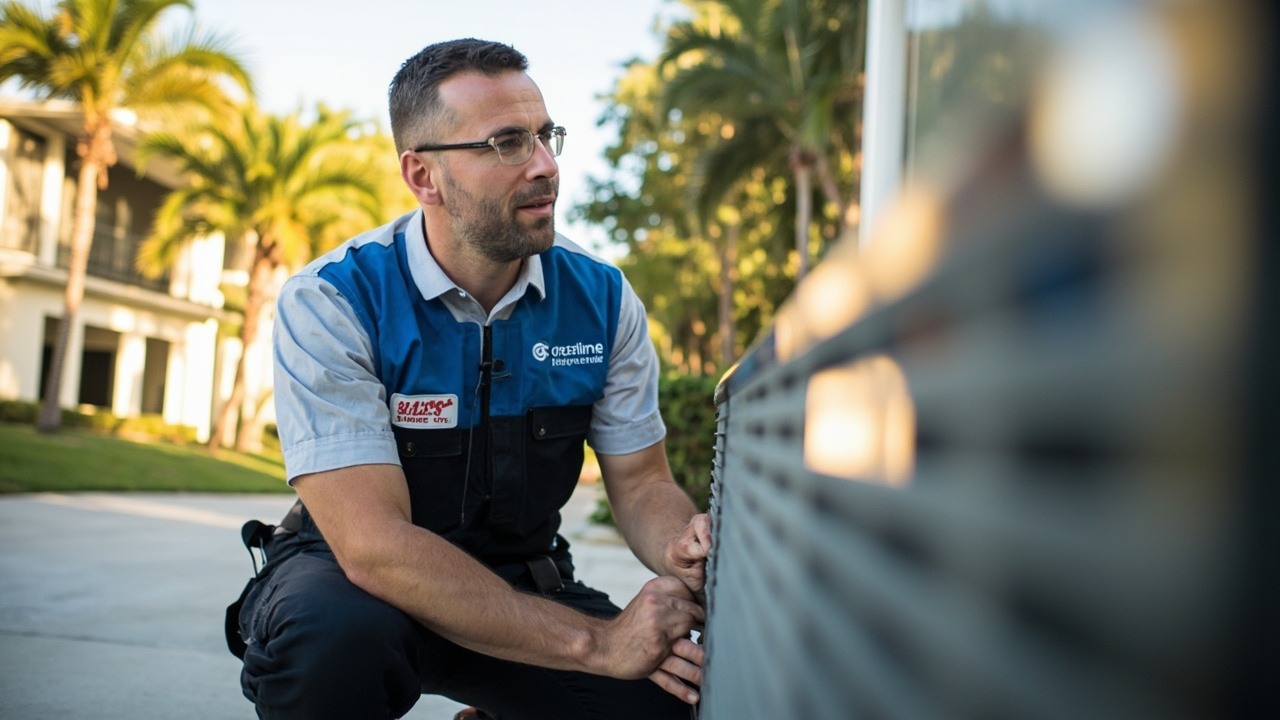
Expert AC Tune-Up and Maintenance in Hialeah FLHialeah heat is relentless in 2026. If you live near Palm Springs North or the busy streets of West 4th Avenue, you know your air conditioner runs almost…
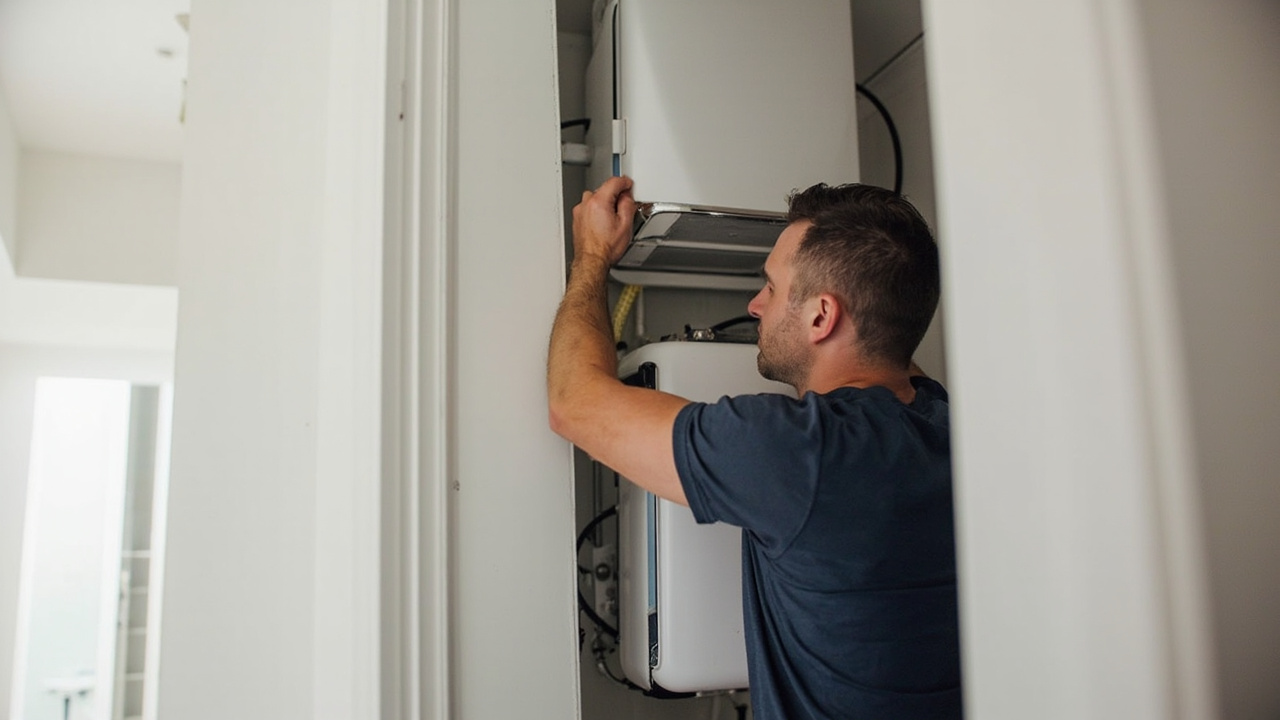
Whole House Dehumidifier Installation in Miami Florida Miami residents face unique challenges when managing indoor…
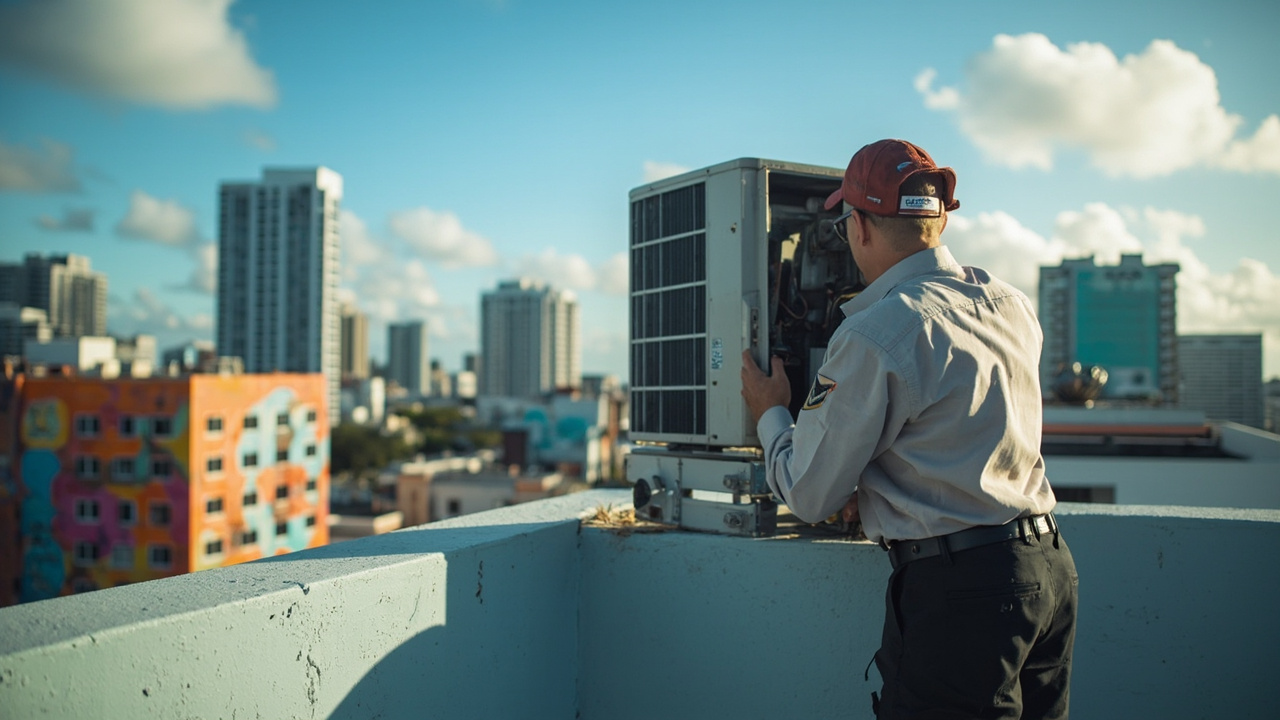
Commercial HVAC Services for Business Owners in Wynwood Who Can't Afford DowntimeRunning a business in…
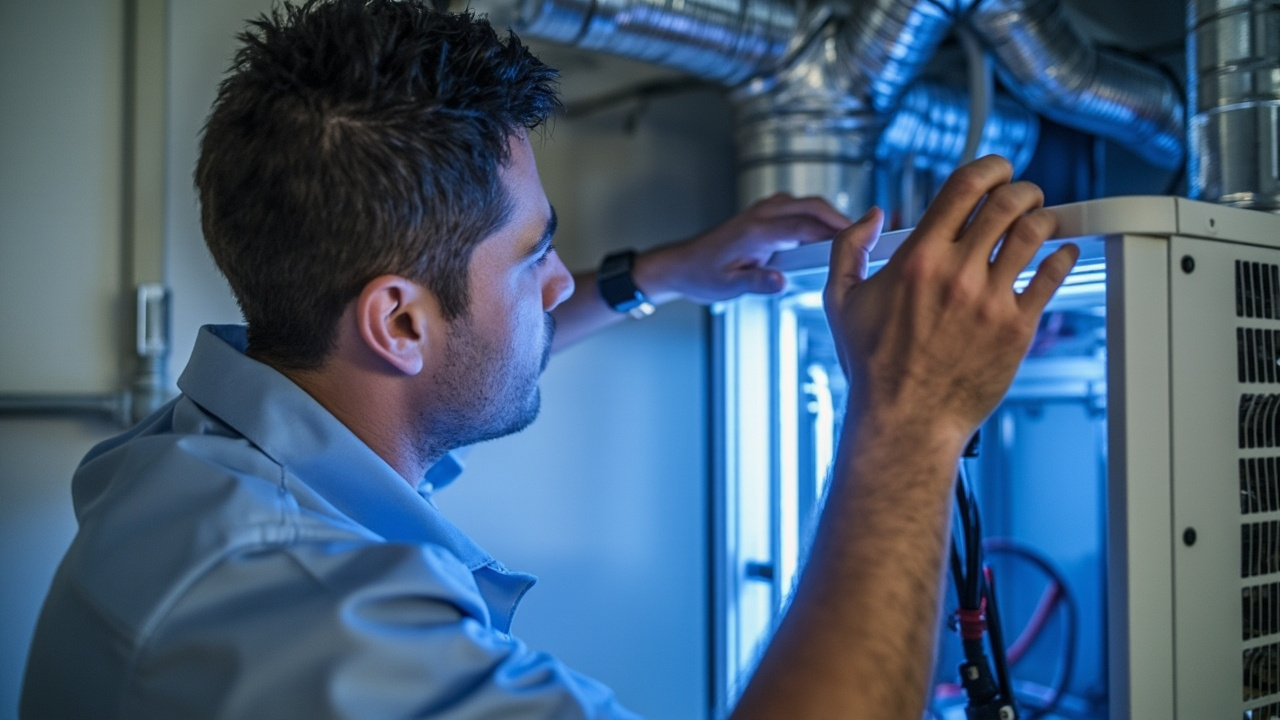
Choosing Between Air Scrubbers and UV Lights for Your Home in the Sunset NeighborhoodLiving in…
Don't suffer through Miami heat with a broken air conditioner. Call Crestline HVAC Miami now at (645) 231-4777 for same-day emergency service. Our technicians are ready to diagnose and repair your system quickly. We answer calls 24/7 because AC emergencies don't wait.