menu

HVAC Maintenance & Tune-Ups in Miami – Prevent Breakdowns Before Summer Heat Hits

Comprehensive seasonal HVAC check ups designed for Miami's year-round cooling demands, high humidity loads, and saltwater corrosion risks that silently degrade system performance and spike your energy bills.

Slider Image 1
Slider Image 2
Slider Image 3
Slider Image 4
Slider Image 5
Slider Image 7
Slider Image 8
Slider Image 9
Slider Image 10
Slider Image 11

Why Miami HVAC Systems Fail Without Regular Maintenance

Your air conditioner runs nearly 24/7 in Miami. The strain is relentless. High humidity saturates coils, saltwater air corrodes copper lines, and limestone dust clogs filters faster than in almost any other climate. Without HVAC preventative maintenance, small issues become expensive failures. A clogged condensate drain line causes water damage. A dirty evaporator coil drops efficiency by 20 percent and spikes your electric bill. Refrigerant leaks go unnoticed until your compressor overheats and dies.

Miami's subtropical environment demands more from your heating and cooling system than temperate climates. You are not cycling your system seasonally. You are running continuous load management in 90-degree heat and 80 percent humidity. The difference between a unit that lasts 10 years and one that fails at six often comes down to whether you invested in seasonal HVAC check ups.

Residential systems in neighborhoods like Coral Gables, Coconut Grove, and Kendall face the same risk. Commercial properties near the coast, especially in Brickell and Miami Beach, deal with accelerated salt corrosion on condenser fins and electrical contacts. AC and furnace maintenance is not optional here. It is survival. You either maintain the system proactively or replace it prematurely. Most Miami homeowners learn this the hard way during a July heatwave when repair calls surge and wait times stretch to days.

Why Miami HVAC Systems Fail Without Regular Maintenance
How Professional HVAC System Inspections Extend Equipment Life

How Professional HVAC System Inspections Extend Equipment Life

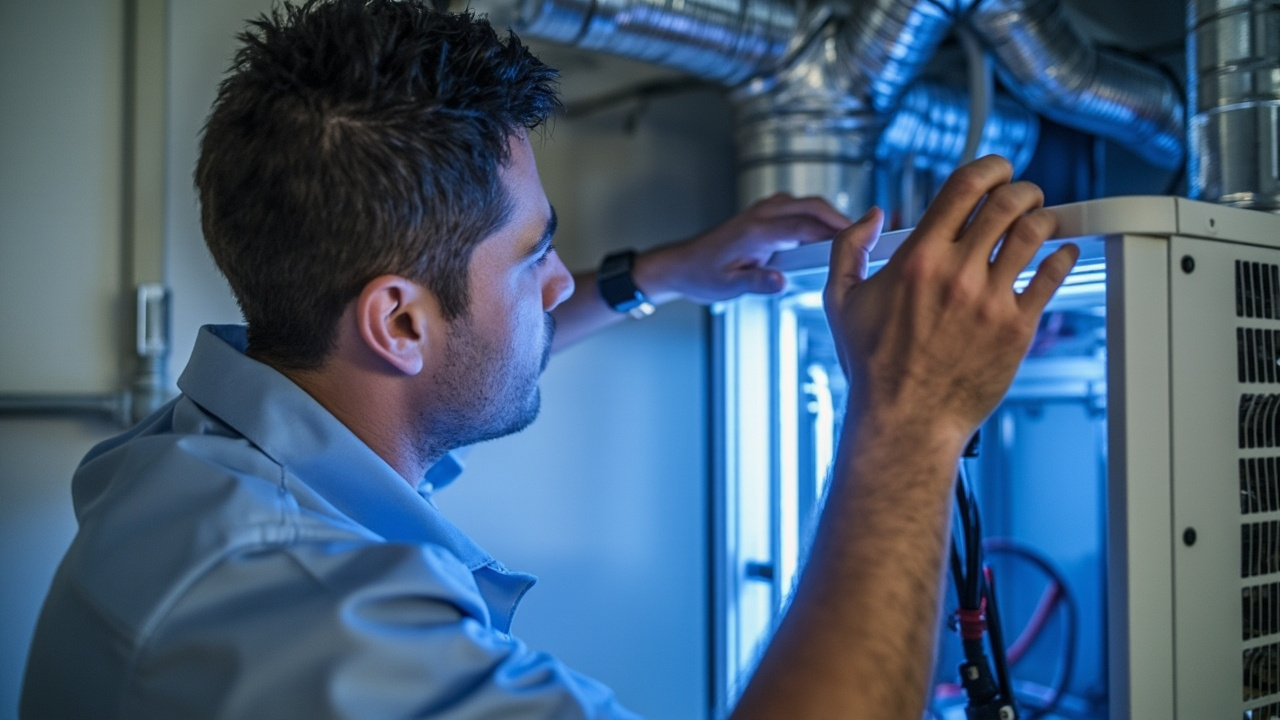
An HVAC system inspection is not a visual glance and a filter swap. It is a methodical evaluation of every load-bearing and efficiency-critical component. Technicians measure refrigerant charge using superheat and subcooling calculations. They test capacitor microfarad ratings with a multimeter to detect weakening start components before they fail. They inspect contactor pitting, measure amp draw on the compressor, and verify that the blower motor is not pulling excessive current due to bearing wear.

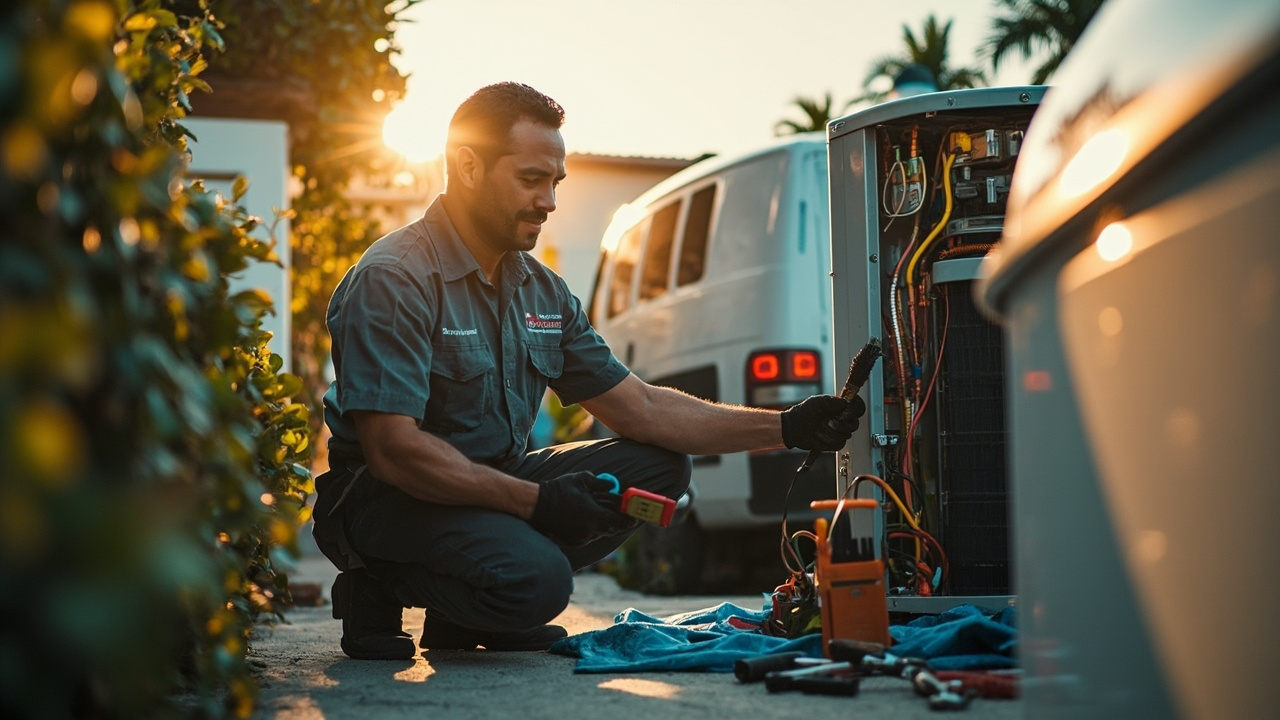
Coil cleaning is not cosmetic. Dirty evaporator coils reduce heat transfer, forcing the compressor to run longer cycles and increasing wear. Condenser coils caked with pollen, salt residue, and organic debris restrict airflow and cause high head pressure, which shortens compressor lifespan. A heating and cooling tune up includes chemical coil treatment, not just a garden hose rinse.

Drain line maintenance prevents the most common service call in South Florida: water damage from clogged condensate lines. Algae growth thrives in Miami humidity. Technicians flush lines with a wet-dry vacuum, treat them with biocide tablets, and verify that the float switch activates properly. Ductwork inspection identifies leaks that waste 20 to 30 percent of conditioned air in attics where temperatures hit 140 degrees.

Crestline HVAC Miami uses digital manometers to measure static pressure across the system. High static pressure indicates duct restrictions or undersized return air paths, both common in older Miami homes with retrofit central air. Thermostat calibration, blower wheel cleaning, and electrical connection torque checks round out a complete system tune up. This level of detail separates preventative maintenance from a parts-selling upsell visit.

What Happens During Your Miami HVAC Tune-Up Appointment

HVAC Maintenance & Tune-Ups in Miami – Prevent Breakdowns Before Summer Heat Hits
01

System Diagnostics and Safety Check

The technician begins with a full system startup test, measuring voltage, amperage, and capacitance on all motors. Carbon monoxide testing on gas furnaces, even in Miami where heating use is minimal, catches cracked heat exchangers before they become a safety hazard. Refrigerant pressures are logged to establish a performance baseline. Electrical connections are inspected for corrosion, a chronic issue in coastal humidity.
02

Component Cleaning and Calibration

Evaporator and condenser coils are chemically cleaned using foaming coil cleaner that breaks down biological growth and mineral deposits. The blower wheel is removed and scrubbed to restore airflow. Drain lines are cleared with high-pressure flush methods. Thermostat accuracy is tested with a calibrated thermometer. Ductwork is inspected for leaks using visual inspection and static pressure readings that reveal hidden inefficiencies.
03

Performance Testing and Report

After cleaning and adjustments, the system is run through a full cooling cycle. Supply air temperature, return air temperature, and temperature split are measured to confirm proper refrigerant charge and heat exchange. The technician provides a written report with findings, photos of problem areas, and prioritized recommendations. You receive a maintenance sticker with the service date and next recommended tune up interval.

Why Miami Homeowners and Property Managers Choose Local HVAC Experts

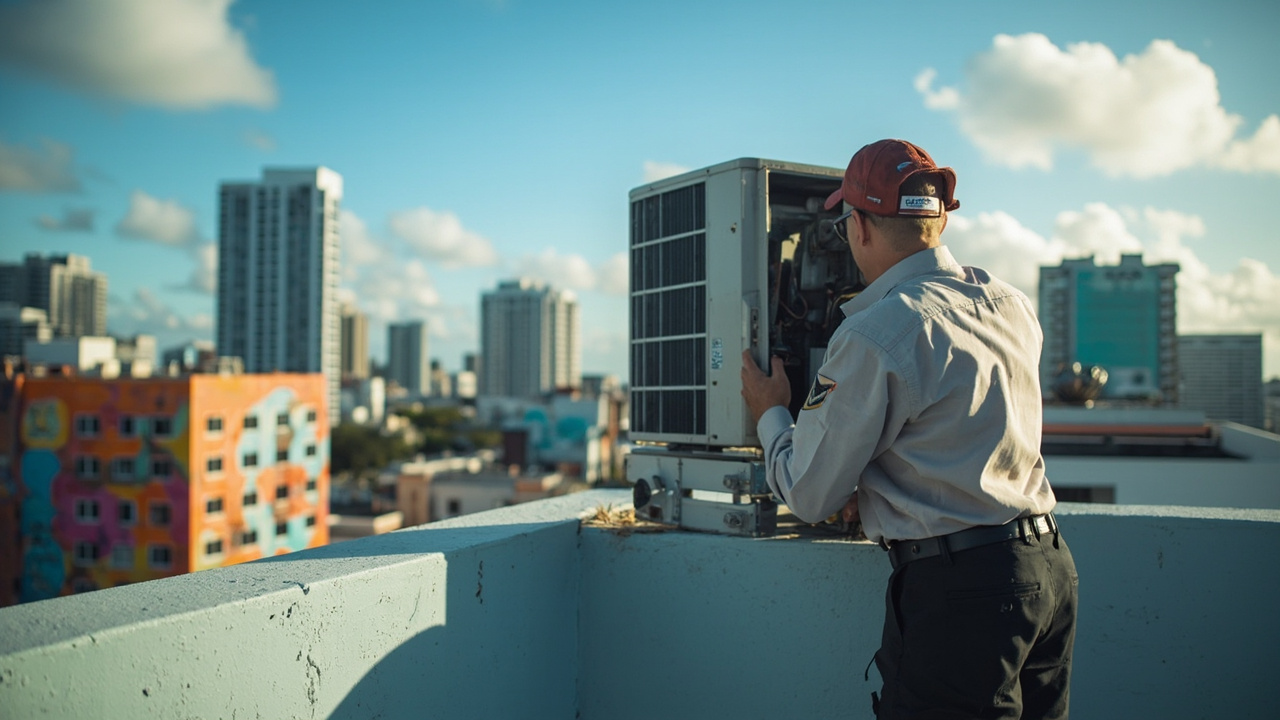
Miami-Dade and Broward County building codes require specific HVAC installation practices that out-of-state or transient contractors often miss. Condensate drain termination rules, hurricane tie-down requirements for rooftop units, and electrical code compliance for coastal installations are not optional. Crestline HVAC Miami knows these codes because we work under them daily. We know which inspectors cover which zones and what they flag during rough-in and final inspections.

Local expertise also means understanding the architectural quirks of Miami construction. Concrete block homes with flat roofs and attic air handlers face different challenges than wood-frame houses with vented attics. Mid-century homes in areas like North Miami and Hialeah often have undersized ductwork retrofitted during the central air conversion in the 1980s. Modern luxury condos in Edgewater and Wynwood have VRF systems and smart thermostats that require specialized diagnostic tools.

You want a company that has seen the failure patterns unique to this region. Compressor failures from power surges during summer thunderstorms. Corrosion on outdoor disconnect boxes from saltwater mist. Mold growth inside ductwork from improperly sealed returns pulling humid attic air. These are not textbook problems. They are Miami problems.

Choosing a provider with a local track record also means faster response when something does go wrong. We stock parts for the brands most common in South Florida: Carrier, Trane, Lennox, and Rheem. We know the supply houses, the local distributor lead times, and which components are worth repairing versus replacing. That knowledge saves you days of downtime and prevents the runaround that comes from dealing with a national franchise call center routing your service request to whoever is available.

What You Can Expect from a Complete HVAC Maintenance Visit

Same-Day and Next-Day Scheduling

Most maintenance appointments are scheduled within 48 hours of your call. Peak season in Miami runs from April through October, so booking your seasonal HVAC check up in early spring or late fall gives you the most flexibility. Appointments are scheduled in two-hour windows, and technicians call 30 minutes before arrival. A standard residential tune up takes 90 minutes to two hours depending on system complexity and how long it has been since the last service. Commercial maintenance on multi-zone or rooftop package units requires more time and is typically scheduled during off-hours to avoid disrupting business operations.

Transparent Diagnostics and Recommendations

You receive a printed or digital inspection report detailing every measurement taken, every component tested, and every issue identified. Photos document problem areas like rusted electrical panels, damaged ductwork, or coil deterioration. Recommendations are prioritized into three categories: immediate safety concerns, efficiency improvements, and long-term preventative actions. You are never pressured into same-day repairs. If a part needs replacement, you receive a written estimate before any work begins. The goal is to give you the information to make smart decisions about your system, not to manufacture urgency.

Measurable Efficiency and Comfort Gains

After a complete tune up, most customers notice a 10 to 15 percent drop in their monthly electric bill due to restored airflow and optimized refrigerant charge. Indoor humidity levels stabilize as the evaporator coil operates at peak efficiency. Hot spots in bedrooms or second floors diminish as balanced airflow is restored through cleaned ductwork. The system runs quieter because worn contactors and loose mounting hardware have been addressed. These are not subjective improvements. They are measurable changes that translate to lower operating costs and better indoor air quality.

Annual Maintenance Plans and Priority Service

Enrolling in a maintenance plan locks in two tune ups per year at a reduced rate and gives you priority scheduling during peak demand. Plan members also receive discounts on repairs and extended labor coverage on certain components. Annual agreements include automatic appointment reminders so you do not have to track service intervals. If your system does fail between maintenance visits, plan members move to the front of the dispatch queue. For commercial properties managing multiple units, maintenance agreements include detailed service logs and compliance documentation for property management reporting.

Frequently Asked Questions

You Have Questions,
We Have Answers

What does a HVAC tune-up include? +

A professional HVAC tune-up includes cleaning or replacing air filters, inspecting refrigerant levels, checking electrical connections, lubricating moving parts, and testing thermostat accuracy. Technicians clean condenser coils, inspect ductwork for leaks, and measure airflow. In Miami's humid climate, they also check condensate drain lines for blockages caused by algae buildup. The blower motor gets inspected, and safety controls are tested. You can expect a full system performance evaluation to catch small problems before they become expensive repairs. This preventive work keeps your unit running efficiently during Miami's demanding cooling season when AC failures happen most often.

How much should a HVAC tune-up cost? +

HVAC tune-up pricing varies based on system type, age, and service scope. Most maintenance visits range from budget-friendly basic inspections to comprehensive packages. The cost depends on whether you need a simple filter change or full coil cleaning. Miami's saltwater air accelerates corrosion, so coastal properties may need more intensive cleaning. Many companies offer maintenance agreements that reduce per-visit costs. You pay less than emergency repair calls that happen when you skip tune-ups. Factor in your system size and accessibility when budgeting. Annual maintenance costs less than replacing parts that fail from neglect in Miami's extreme heat.

What is the $5000 rule for HVAC? +

The $5000 rule helps you decide between repair and replacement. Multiply your system's age by the repair cost estimate. If the result exceeds $5000, replacement makes more financial sense. For example, a $400 repair on a 10-year-old unit equals $4000, so repair it. But a $600 repair on a 12-year-old system equals $7200, suggesting replacement. This rule accounts for diminishing returns on aging equipment. Miami's constant AC usage means units wear faster than northern climates. You also consider efficiency improvements in newer models that reduce electric bills. The rule provides a practical framework for major HVAC decisions.

Is a HVAC tune-up worth it? +

Yes. Annual tune-ups prevent 95% of breakdowns and extend equipment life by years. You avoid emergency repairs during Miami's brutal summer when AC failure becomes dangerous. Dirty coils and low refrigerant force your system to work harder, spiking energy bills by 20-30%. Regular maintenance catches small problems before they cascade into expensive failures. Miami's humidity and salt air accelerate wear, making preventive care necessary, not optional. Clean systems cool faster and maintain consistent temperatures. You also preserve manufacturer warranties that require documented maintenance. The tune-up cost pays for itself through lower energy bills and avoided repairs within one cooling season.

What is the average cost of a full tune up? +

Full HVAC tune-up costs depend on system complexity and condition. Single-zone residential units typically cost less than multi-zone or commercial systems. Comprehensive service includes both indoor and outdoor unit inspection, refrigerant check, electrical testing, and cleaning. Miami homeowners with older systems or coastal properties may need additional corrosion treatment. Dual-fuel systems or heat pumps require more time and expertise, affecting pricing. Package deals covering multiple visits throughout the year offer better value than one-time service. You invest more upfront but save on emergency calls. Most providers offer transparent pricing before starting work. Annual maintenance costs significantly less than replacing a compressor.

How often should I get an HVAC tune up? +

Get HVAC tune-ups twice yearly in Miami's climate. Schedule one before cooling season starts in March and another before winter. Your AC runs nearly year-round here, creating more wear than seasonal climates. Spring service prepares your system for brutal summer demand when failures spike. Fall maintenance ensures heating components work during occasional cold snaps. Miami's humidity promotes mold growth in ductwork and drain lines, requiring frequent inspection. Older systems or those in saltwater environments need quarterly checks. Commercial properties with constant operation should follow manufacturer recommendations. Consistent maintenance prevents the breakdowns that leave you sweating in August heat.

How long does an HVAC tune up take? +

Standard HVAC tune-ups take 60-90 minutes for residential systems. Technicians need time to thoroughly inspect both indoor and outdoor units, test all components, and clean necessary parts. Miami's humid conditions often require extra time for condensate line flushing and coil cleaning. Larger homes with multiple zones or commercial buildings need several hours. If your tech finds problems during inspection, repair time extends the visit. First-time service on neglected systems takes longer than routine maintenance. Accessible units in garages or ground-level locations go faster than attic installations. Plan to be home during service, but you can work or do other tasks while technicians complete the tune-up.

What is the 3 minute rule for AC? +

The 3 minute rule protects your compressor from damage. After your AC shuts off, wait at least 3 minutes before restarting it. This pause lets refrigerant pressure equalize throughout the system. Restarting too quickly forces the compressor to start against high pressure, causing mechanical stress and potential failure. Miami homeowners who constantly adjust thermostats risk compressor damage. Modern thermostats include built-in delay features, but manual overrides bypass this protection. Power outages create the same risk when electricity returns suddenly. The compressor is your most expensive component, so respecting this rule prevents premature failure. Let the system rest between cycles for maximum equipment life.

What is the most expensive part in an HVAC unit? +

The compressor costs the most to replace, often representing 40-50% of a new system's price. This component pumps refrigerant through your AC system, creating the cooling effect. Compressors fail from electrical issues, refrigerant problems, or mechanical wear. Miami's year-round operation accelerates compressor fatigue compared to seasonal climates. When compressors fail on older units, replacement often makes more sense than repair due to labor costs and related component wear. Heat exchangers and evaporator coils also carry high replacement costs. Regular maintenance prevents most compressor failures by catching problems early. Dirty coils and low refrigerant force compressors to overwork, shortening their life significantly.

What is the average lifespan of an HVAC? +

HVAC systems last 12-15 years with proper maintenance in Miami's demanding climate. Northern systems often reach 20 years, but constant operation here shortens equipment life. Heat and humidity stress components more than seasonal use. Coastal properties face accelerated corrosion from salt air, reducing lifespan further. Your system's longevity depends on installation quality, maintenance frequency, and usage patterns. Units that cool large spaces or run constantly wear faster. Newer high-efficiency models may last longer due to better materials and engineering. Regular tune-ups extend life by preventing cascading failures. Most manufacturers design systems for Miami's climate, but neglect still causes premature replacement.

How Miami's Year-Round Cooling Load Accelerates HVAC Wear

Most of the country cycles HVAC systems seasonally. Miami runs air conditioning 12 months a year. Even in January, daytime highs reach the low 80s, and indoor humidity control remains critical. This continuous operation means compressors, blower motors, and capacitors accumulate wear at triple the rate of systems in temperate climates. A unit in Chicago might run 1,200 hours per year. A Miami system logs 4,000 to 5,000 hours annually. Without AC and furnace maintenance, components fail prematurely. The saltwater proximity in coastal zones like Miami Beach, Key Biscayne, and Aventura adds another layer of corrosion risk to outdoor condenser units and electrical connections.

Local building codes in Miami-Dade County are among the strictest in the nation due to hurricane wind load requirements and flood zone regulations. HVAC installations must meet High Velocity Hurricane Zone standards, which dictate condenser tie-down specifications and electrical disconnect box weatherproofing. Contractors unfamiliar with these codes install systems that fail inspections or suffer catastrophic damage during storms. Crestline HVAC Miami operates under these codes daily. We understand the permit process, the inspection requirements, and the engineering details that keep your system compliant and operational during extreme weather events that define life in South Florida.
HVAC Services in The Miami Area

We proudly serve homeowners and businesses throughout Miami and nearby communities with dependable HVAC services. Whether you're in the heart of downtown or in the surrounding suburbs, our team is just a call away. Check the map below to see our service coverage. If your area isn’t listed, don’t worry—give us a call. We frequently accommodate special requests and go the extra mile to ensure our customers receive expert heating and cooling solutions, no matter where they are located.

Address:
Crestline HVAC Miami, 2332 Galiano St, Miami, FL, 33134

Additional Services We Offer

Our news updates

Latest Articles & News from The Blogs

Commercial HVAC Services for Business Owners in Wynwood Who Can't Afford DowntimeRunning a business in the heart of Wynwood requires…

Commercial HVAC Services for Business Owners in Wynwood Who Can't Afford Downtime

Commercial HVAC Services for Business Owners in Wynwood Who Can't Afford DowntimeRunning a business in the heart of Wynwood requires…

Choosing Between Air Scrubbers and UV Lights for Your Home in the Sunset Neighborhood

Choosing Between Air Scrubbers and UV Lights for Your Home in the Sunset NeighborhoodLiving in the Sunset neighborhood near South…

Protecting Your Outdoor AC Unit During a Tropical Storm in Virginia Key

Virginia Key residents face unique challenges during the Atlantic hurricane season. The proximity to the ocean and low elevation make…

Contact Us

Do not wait until your system fails during peak cooling season. Call (645) 231-4777 now to book your heating and cooling tune up. We offer same-week appointments, transparent pricing, and detailed diagnostics that give you control over your comfort and your budget.