


Doral's subtropical climate creates brutal conditions for air conditioning systems. Summer temperatures stay in the 90s for months, and humidity regularly hits 80 percent or higher. Your AC runs longer cycles trying to remove moisture from the air, which wears down compressors and fan motors faster than in drier climates.
The proximity to coastal areas means salt-laden air corrodes outdoor condenser units. Coils pit and degrade, reducing efficiency and causing refrigerant leaks. Doral sits at low elevation with poor drainage in many areas, so flooding during heavy rain can damage electrical components and control boards.
Neighborhoods near the Palmetto Expressway deal with construction dust that clogs filters and coats coils. Areas around Miami International Airport experience constant vibration that loosens electrical connections. Properties built during Doral's rapid growth in the 2000s often have undersized ductwork or poorly installed systems that struggle to keep up with cooling demands.
Florida building codes require specific SEER ratings and proper load calculations, but shortcuts during installation create problems years later. Your system works against Doral's climate every day, which is why regular maintenance and fast repairs matter so much.
Crestline HVAC Miami has spent years learning how South Florida's climate destroys air conditioning systems. Our technicians don't just fix the immediate problem. We identify what caused the failure and prevent it from happening again. When a compressor burns out, we check voltage levels, airflow restrictions, and refrigerant charge to find out why it failed early.
We stock parts for the brands Doral homeowners actually own. Our trucks carry compressors, control boards, contactors, and capacitors for Carrier, Trane, Lennox, Rheem, and Goodman systems. You don't wait three days for a part to arrive while your house bakes in 95-degree heat.
Our diagnostic process catches problems most companies miss. We measure airflow at registers, check duct leakage, verify proper refrigerant charge with superheat and subcooling calculations, and inspect electrical connections under load. Quick fixes that ignore root causes just mean we'll be back in six months for another breakdown.
We give you honest assessments about repair versus replacement. If your 18-year-old system with a cracked heat exchanger needs a $2,000 compressor, we'll tell you that money goes further toward a new efficient system. We don't sell you repairs that don't make financial sense.
Our pricing stays consistent. You get the same rate whether you call at 2 PM or 2 AM. No surprise charges, no inflated emergency fees. We quote the work before starting, and that's what you pay.

We answer calls 24 hours a day across Doral. Our dispatch system routes the closest available technician to your location, usually within 90 minutes. Trucks stay stocked with common parts so repairs happen on the first visit. You're not sitting in a hot house waiting for appointments or parts orders.

Our team completes manufacturer certification programs for major brands. We understand how modern variable-speed systems, smart thermostats, and two-stage compressors actually work. This means accurate diagnosis instead of parts-swapping guesswork. Your system gets fixed right because we know what we're looking at.
We show you what failed and explain why it happened. You see the burned contactor, the frozen coil, or the shorted capacitor. We walk through what caused the damage and what prevents it next time. No confusing technical jargon, just clear explanations about your system.
Years working in Doral taught us how salt air, humidity, and flooding affect HVAC systems in different neighborhoods. We know which parts fail first in coastal areas versus inland properties. This experience means faster diagnosis and repairs that last in South Florida's harsh conditions.
Crestline HVAC Miami handles every air conditioning need from emergency breakdowns to planned replacements. We repair all major brands and models, from basic single-stage systems to complex variable-speed heat pumps with zone controls. Our service range covers residential properties, commercial buildings, and light industrial facilities across Doral.
Emergency repairs get priority response because we know South Florida heat is dangerous, not just uncomfortable. Maintenance programs catch small problems before they cause breakdowns. When systems reach end of life, we guide you through replacement options that fit your budget and cooling needs.
We separate services into three main categories based on urgency and scope. Emergency repairs address immediate failures that leave you without cooling. Preventive maintenance keeps systems running efficiently and prevents unexpected breakdowns. System replacement and installation covers new construction, aging equipment, and efficiency upgrades. Each category requires different expertise, parts inventory, and scheduling approaches.
Your air conditioner stops working at the worst times. Compressors fail during heat waves, coils freeze during overnight temperature drops, and electrical components burn out when systems run hardest. We respond fast with diagnostic tools and common parts already on the truck. Our technicians identify the actual problem, not just symptoms, so repairs last. We fix refrigerant leaks, replace failed compressors, repair electrical failures, and restore cooling quickly.
Regular maintenance catches problems while they're still cheap to fix. We clean coils that reduce efficiency, tighten electrical connections before they arc and burn, check refrigerant charge before compressors work too hard, and replace worn parts before they fail completely. Maintenance visits include filter changes, drain line cleaning, thermostat calibration, and airflow verification. Systems that get regular service last years longer and break down far less often than neglected equipment.
Old systems eventually cost more to repair than they're worth. We perform load calculations to size replacement systems correctly for your home, not just match the old tonnage. Modern high-efficiency equipment cuts electric bills substantially compared to 10-year-old systems. We handle permits, inspections, proper refrigerant recovery, and warranty registration. Installation includes new linesets, updated electrical connections, proper ductwork modifications, and thermostat upgrades.
Doral's climate and building characteristics create predictable air conditioning problems. Salt air from proximity to the coast corrodes outdoor units. High humidity overworks compressors trying to remove moisture. Afternoon thunderstorms flood low-lying areas and damage electrical components. Construction quality varies widely across Doral's rapid development, so some homes have undersized systems or poor ductwork.
Understanding these common problems helps you recognize warning signs before minor issues become expensive failures. Strange noises, weak airflow, short cycling, and rising electric bills all signal developing problems. Catching these early saves money and prevents complete system failures during the hottest months. These four issues represent the most frequent service calls we handle in Doral neighborhoods.
Dirty filters, closed vents, or blocked return air grilles restrict airflow across the indoor coil. The coil temperature drops below freezing, and ice builds up. Your system runs constantly but produces little cooling. The ice must melt completely before we can diagnose the root cause, which costs you hours without AC.
Florida's voltage fluctuations and afternoon thunderstorms stress compressor motors. Contactors weld shut, capacitors weaken, and windings burn out. A failed compressor often means system replacement on older units because the repair cost approaches new equipment prices. Regular electrical inspections catch problems before compressors fail.
Salt air pits and corrodes aluminum coils on outdoor condensers. Small leaks develop that slowly drain refrigerant charge. Your system runs longer cycles, struggles to cool, and eventually stops working entirely. Finding and fixing leaks, then recharging the system properly, requires specialized tools and training.
High humidity means your AC removes gallons of water from the air daily. Drain lines clog with algae and debris, causing water to back up and overflow the drain pan. This floods your ceiling, damages drywall, and can destroy the air handler. Regular drain line cleaning prevents thousands in water damage repairs.
Working with Crestline HVAC Miami follows a clear process designed to get your cooling restored fast without surprises. From your first call to final payment, you know what's happening and why. We answer questions directly, explain technical issues in plain language, and give you control over repair decisions.
Our approach focuses on accurate diagnosis first, then clear communication about options and costs. You approve the work before we start. We don't add hidden charges or sell unnecessary services. These three expectations define every service call we run across Doral. When you understand what to expect, the repair process creates less stress during an already frustrating situation.
When you call, a real person answers and gathers information about your problem. We give you an arrival window, not an all-day appointment range. Our dispatch system tracks technician locations to provide accurate timing. You get a call when the technician is 20 minutes away. Emergency calls get prioritized based on severity, with vulnerable residents like elderly homeowners or families with young children moved to the front of the queue.
Our technician diagnoses the problem completely before quoting repair costs. We show you the failed part and explain what caused the failure. You receive a written quote that includes parts, labor, and any additional work needed to prevent repeat failures. We explain repair versus replacement tradeoffs honestly. You decide whether to proceed. No pressure, no surprise charges after the work is done.
Repairs come with labor guarantees and manufacturer parts warranties. We test the system thoroughly before leaving to verify proper operation. You get documentation of all work performed, parts installed, and warranty information. If problems develop related to our work, we return and fix them at no charge. Our goal is permanent repairs, not callbacks.
We keep the repair process simple and transparent. You know what's happening at each stage, and you control the decision to proceed. This three-step approach gets your cooling restored quickly while giving you confidence the problem is actually fixed.
Our technician arrives with diagnostic tools and begins troubleshooting immediately. We test electrical components, measure refrigerant pressures, check airflow, and inspect all system parts. We identify the failed component and determine what caused the failure. This takes 30 to 45 minutes on average. You get a clear explanation of what broke and why it happened, along with a written repair quote.
Once you approve the quote, we complete the repair using quality parts from our truck inventory. Most common repairs finish within two hours. We replace failed components, make necessary adjustments, and address the root cause to prevent repeat failures. You're not paying for a temporary fix that breaks again next month.
After repairs, we test the complete system under load. We verify proper temperatures, check electrical draws, measure airflow, and confirm correct refrigerant charge. The system must operate correctly before we leave. You receive documentation showing all work performed, parts installed with serial numbers, and warranty information. We answer questions about operating your system efficiently.
Proper air conditioning system sizing matters more than most homeowners realize. An oversized system costs more upfront, cycles on and off too frequently, and fails to remove humidity effectively. An undersized system runs constantly, never cools adequately, and burns out from overwork. Both situations waste money and create comfort problems.
Florida building code requires Manual J load calculations for all new installations and replacements. This calculation accounts for home square footage, insulation levels, window types and orientation, ceiling heights, ductwork design, and occupant load. The calculation determines the actual cooling capacity needed measured in BTUs per hour, which converts to tonnage.
Many older Doral homes have incorrectly sized systems. Builders during the rapid construction boom often used rules of thumb like 400 square feet per ton instead of performing actual load calculations. This created oversized systems in well-insulated homes and undersized systems in poorly insulated properties with lots of windows.
Modern variable-speed systems change the sizing equation. These units modulate capacity between 40 and 100 percent, so they can handle varying loads more efficiently than single-stage equipment. A properly sized variable-speed system often uses less tonnage than the old single-stage unit it replaces because it runs longer at lower capacity, which improves humidity control.
Ductwork design affects system performance as much as equipment sizing. Undersized ducts restrict airflow, reducing capacity and efficiency. Leaky ducts in attics waste 20 to 30 percent of cooled air before it reaches living spaces. Proper system design includes duct sizing calculations, pressure drop measurements, and leak testing to verify the complete system delivers rated capacity.
Florida building code mandates Manual J calculations for system replacements and new construction. This room-by-room analysis determines actual cooling needs based on insulation, windows, orientation, and internal heat gains. Proper calculations prevent oversizing that causes short cycling and poor humidity control. We provide load calculations with every system replacement to ensure correct equipment selection.
System prices vary based on efficiency rating, brand, capacity, and installation complexity. Higher SEER ratings cost more upfront but reduce electric bills substantially. Two-stage and variable-speed systems cost more than single-stage equipment but provide better comfort and efficiency. Installation costs increase with difficult attic access, required electrical upgrades, or extensive ductwork modifications.
Air conditioning systems in South Florida last 12 to 15 years on average, shorter than the 20-year lifespan in milder climates. Constant operation, high humidity, and salt air accelerate wear. Systems with regular maintenance reach the upper end of this range. Neglected equipment often fails before 10 years. Plan for replacement when systems reach 12 years old.
Miami-Dade County requires permits for system replacements, major repairs involving refrigerant work, and all new installations. Permitted work includes inspections to verify proper installation, correct refrigerant charge, adequate airflow, and code compliance. Unpermitted work voids manufacturer warranties and creates problems when selling your home. We handle all permit applications and inspection scheduling.
This video explains common air conditioning failures in Doral, Florida, and what causes systems to break down in South Florida's climate. Topics include proper AC system sizing through Manual J load calculations, the effect of salt air and humidity on equipment lifespan, warning signs of developing problems, and questions to ask HVAC contractors before approving repairs. Viewers learn to distinguish between systems worth repairing and equipment needing replacement.
Crestline HVAC Miami serves all Doral neighborhoods, from established communities near the Palmetto Expressway to newer developments west of the Florida Turnpike. We know this area well because we've worked here for years, responding to service calls across different property types and construction eras.
Downtown Doral around City Hall and the Doral Central Park area includes mixed-use developments with commercial spaces and high-rise residential buildings. These properties need commercial-grade HVAC service and fast response when systems fail in occupied office spaces or retail locations. The older single-family neighborhoods east of the Palmetto, including portions near the Miami International Mall area, contain homes built in the 1980s and 1990s with aging air conditioning systems approaching replacement age.
West Doral developments along NW 107th Avenue feature newer construction from the 2000s building boom. These homes often have builder-grade HVAC systems that are now reaching the 15-year mark where major components start failing. The Costa Del Sol and Doral Isles communities contain larger homes with multiple AC zones that require specialized diagnostic skills when problems develop.
Properties near Miami International Airport deal with unique challenges including constant noise vibration that loosens electrical connections and construction dust from ongoing airport expansion projects. The industrial areas along NW 72nd Avenue house businesses that depend on climate control for inventory protection and employee comfort.
We service communities along the eastern border near Fountainebleau and Sweetwater, where proximity to the coast increases salt air corrosion on outdoor condenser units. The southern neighborhoods bordering the Town of Medley include warehouse and light industrial facilities needing commercial HVAC service. Our coverage extends north into areas near the Miami Lakes border, where residential subdivisions mix with commercial corridors along NW 138th Street.
Each Doral neighborhood presents different HVAC challenges based on construction age, building types, and environmental factors. Our experience across these varied areas means we diagnose and fix problems efficiently regardless of where you're located in the greater Doral area.
Your AC freezes when airflow drops or refrigerant levels fall too low. In Doral's humidity, dirty filters are the main culprit. They block air from flowing over the evaporator coil, causing ice buildup. Closed vents, dirty coils, or refrigerant leaks also trigger freezing. Check your filter first and replace it if dirty. Make sure all vents stay open. If the problem continues after changing the filter, you need a technician to check refrigerant levels and inspect the coil for damage or blockage.
Replace your filter every 30 to 45 days during summer months in Doral. The constant heat forces your system to run longer, pushing more air through the filter. This traps more dust, pollen, and humidity-related particles faster than in cooler months. Homes with pets, smokers, or allergy sufferers need monthly replacements. Check your filter at 30 days. If it looks gray or clogged, swap it immediately. Clean filters keep your system efficient and prevent breakdowns when you need cooling most.
A 2000 square foot home in Doral needs a 3.5 to 5 ton AC unit. The exact size depends on your ceiling height, insulation quality, window count, and sun exposure. Doral's heat and humidity demand proper sizing. An undersized unit runs constantly and never cools properly. An oversized unit cycles too frequently, wasting energy and failing to remove humidity. A professional load calculation factors in your specific home details to determine the right tonnage for efficient cooling and comfort.
Your AC freezes when airflow drops or refrigerant levels fall too low. In Doral's humidity, dirty filters are the main culprit. They block air from flowing over the evaporator coil, causing ice buildup. Closed vents, dirty coils, or refrigerant leaks also trigger freezing. Check your filter first and replace it if dirty. Make sure all vents stay open. If the problem continues after changing the filter, you need a technician to check refrigerant levels and inspect the coil for damage or blockage.
Replace your filter every 30 to 45 days during summer months in Doral. The constant heat forces your system to run longer, pushing more air through the filter. This traps more dust, pollen, and humidity-related particles faster than in cooler months. Homes with pets, smokers, or allergy sufferers need monthly replacements. Check your filter at 30 days. If it looks gray or clogged, swap it immediately. Clean filters keep your system efficient and prevent breakdowns when you need cooling most.
A 2000 square foot home in Doral needs a 3.5 to 5 ton AC unit. The exact size depends on your ceiling height, insulation quality, window count, and sun exposure. Doral's heat and humidity demand proper sizing. An undersized unit runs constantly and never cools properly. An oversized unit cycles too frequently, wasting energy and failing to remove humidity. A professional load calculation factors in your specific home details to determine the right tonnage for efficient cooling and comfort.
Replacement expenses vary based on system size, efficiency rating, and your home's specific needs. A complete system for a typical Doral home involves removing the old equipment and installing new indoor and outdoor units. Higher efficiency models reduce monthly bills. Two-stage or variable-speed systems offer better humidity control in our climate. Get three written estimates from licensed contractors. Compare equipment brands, efficiency ratings, and what each quote includes. Financing options make replacement more manageable for most homeowners.
Your AC runs but fails to cool when refrigerant leaks, the compressor malfunctions, or airflow drops too low. Dirty coils covered in Doral's dust and pollen block heat transfer. A failing compressor runs without pumping refrigerant properly. Low refrigerant from leaks prevents the system from absorbing heat. Blocked return vents or extremely dirty filters also stop cooling. Check your filter and vents first. If those look fine, call a technician to diagnose compressor health and refrigerant levels before the problem worsens.
Most modern AC systems handle Doral's humidity without a separate dehumidifier. Your AC removes moisture while cooling. If you notice condensation on windows, musty smells, or indoor humidity above 60 percent, your system needs help. Oversized AC units cycle too quickly to remove moisture properly. A whole-home dehumidifier works with your AC to maintain 40 to 50 percent humidity year-round. This protects your home from mold and improves comfort without overcooling. Portable units work for single rooms with moisture problems.
AC units in Doral last 10 to 15 years with proper maintenance. Our heat, humidity, and salt air from nearby coastal areas stress systems more than drier climates. Units running year-round wear faster than systems in seasonal climates. Regular maintenance extends lifespan. Annual inspections, clean coils, prompt repairs, and monthly filter changes add years to your system. Signs your unit nears the end include frequent repairs, weak cooling, strange noises, and rising energy bills. Plan replacement around year 12 to avoid emergency failures.
Inspect your outdoor unit for loose parts, debris, and secure mounting before hurricane season starts. Trim vegetation at least two feet away from the unit. Check that the concrete pad sits level and stable. Schedule professional maintenance to verify refrigerant levels and electrical connections. Take photos of your system serial numbers for records. Know how to shut off power at the breaker box. Never cover your outdoor unit during storms. Covers trap moisture and cause more damage than wind. Secure loose outdoor items around your property.
Summer bills spike when your AC runs constantly in Doral's heat. Temperatures above 95 degrees force your system to work harder. Poor insulation, air leaks around windows and doors, and dirty filters increase runtime. An aging system loses efficiency and consumes more power. Dirty coils reduce cooling capacity, making your system run longer. Check your thermostat setting. Each degree below 76 adds roughly 3 percent to your bill. Replace filters, seal air leaks, and schedule maintenance to improve efficiency and lower monthly expenses.
Heat pumps work well in Doral because they cool and heat efficiently. They move heat instead of generating it, saving energy year-round. Doral's mild winters need minimal heating, making heat pumps ideal. They remove humidity like traditional AC systems while using less electricity. Modern heat pumps include variable-speed technology for better comfort control. They perform the same cooling function as AC units while adding heating capability for occasional cold nights. Heat pumps offer lower operating expenses and work perfectly in South Florida's climate without needing backup heating systems.
Replacement expenses vary based on system size, efficiency rating, and your home's specific needs. A complete system for a typical Doral home involves removing the old equipment and installing new indoor and outdoor units. Higher efficiency models reduce monthly bills. Two-stage or variable-speed systems offer better humidity control in our climate. Get three written estimates from licensed contractors. Compare equipment brands, efficiency ratings, and what each quote includes. Financing options make replacement more manageable for most homeowners.
Your AC runs but fails to cool when refrigerant leaks, the compressor malfunctions, or airflow drops too low. Dirty coils covered in Doral's dust and pollen block heat transfer. A failing compressor runs without pumping refrigerant properly. Low refrigerant from leaks prevents the system from absorbing heat. Blocked return vents or extremely dirty filters also stop cooling. Check your filter and vents first. If those look fine, call a technician to diagnose compressor health and refrigerant levels before the problem worsens.
Most modern AC systems handle Doral's humidity without a separate dehumidifier. Your AC removes moisture while cooling. If you notice condensation on windows, musty smells, or indoor humidity above 60 percent, your system needs help. Oversized AC units cycle too quickly to remove moisture properly. A whole-home dehumidifier works with your AC to maintain 40 to 50 percent humidity year-round. This protects your home from mold and improves comfort without overcooling. Portable units work for single rooms with moisture problems.
AC units in Doral last 10 to 15 years with proper maintenance. Our heat, humidity, and salt air from nearby coastal areas stress systems more than drier climates. Units running year-round wear faster than systems in seasonal climates. Regular maintenance extends lifespan. Annual inspections, clean coils, prompt repairs, and monthly filter changes add years to your system. Signs your unit nears the end include frequent repairs, weak cooling, strange noises, and rising energy bills. Plan replacement around year 12 to avoid emergency failures.
Inspect your outdoor unit for loose parts, debris, and secure mounting before hurricane season starts. Trim vegetation at least two feet away from the unit. Check that the concrete pad sits level and stable. Schedule professional maintenance to verify refrigerant levels and electrical connections. Take photos of your system serial numbers for records. Know how to shut off power at the breaker box. Never cover your outdoor unit during storms. Covers trap moisture and cause more damage than wind. Secure loose outdoor items around your property.
Summer bills spike when your AC runs constantly in Doral's heat. Temperatures above 95 degrees force your system to work harder. Poor insulation, air leaks around windows and doors, and dirty filters increase runtime. An aging system loses efficiency and consumes more power. Dirty coils reduce cooling capacity, making your system run longer. Check your thermostat setting. Each degree below 76 adds roughly 3 percent to your bill. Replace filters, seal air leaks, and schedule maintenance to improve efficiency and lower monthly expenses.
Heat pumps work well in Doral because they cool and heat efficiently. They move heat instead of generating it, saving energy year-round. Doral's mild winters need minimal heating, making heat pumps ideal. They remove humidity like traditional AC systems while using less electricity. Modern heat pumps include variable-speed technology for better comfort control. They perform the same cooling function as AC units while adding heating capability for occasional cold nights. Heat pumps offer lower operating expenses and work perfectly in South Florida's climate without needing backup heating systems.
We proudly serve homeowners and businesses throughout Miami and nearby communities with dependable HVAC services. Whether you're in the heart of downtown or in the surrounding suburbs, our team is just a call away. Check the map below to see our service coverage. If your area isn’t listed, don’t worry—give us a call. We frequently accommodate special requests and go the extra mile to ensure our customers receive expert heating and cooling solutions, no matter where they are located.
Address:
Doral, FL, 33166
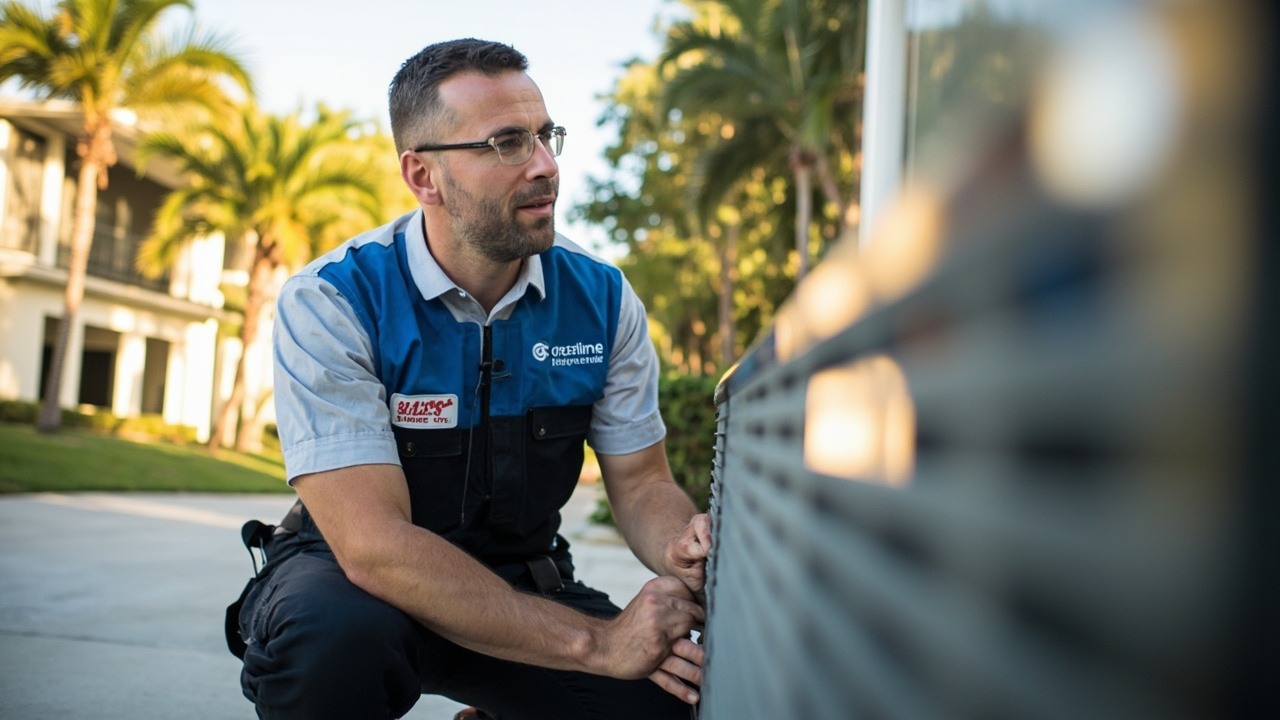
Expert AC Tune-Up and Maintenance in Hialeah FLHialeah heat is relentless in 2026. If you live near Palm Springs North or the busy streets of West 4th Avenue, you know your air conditioner runs almost…
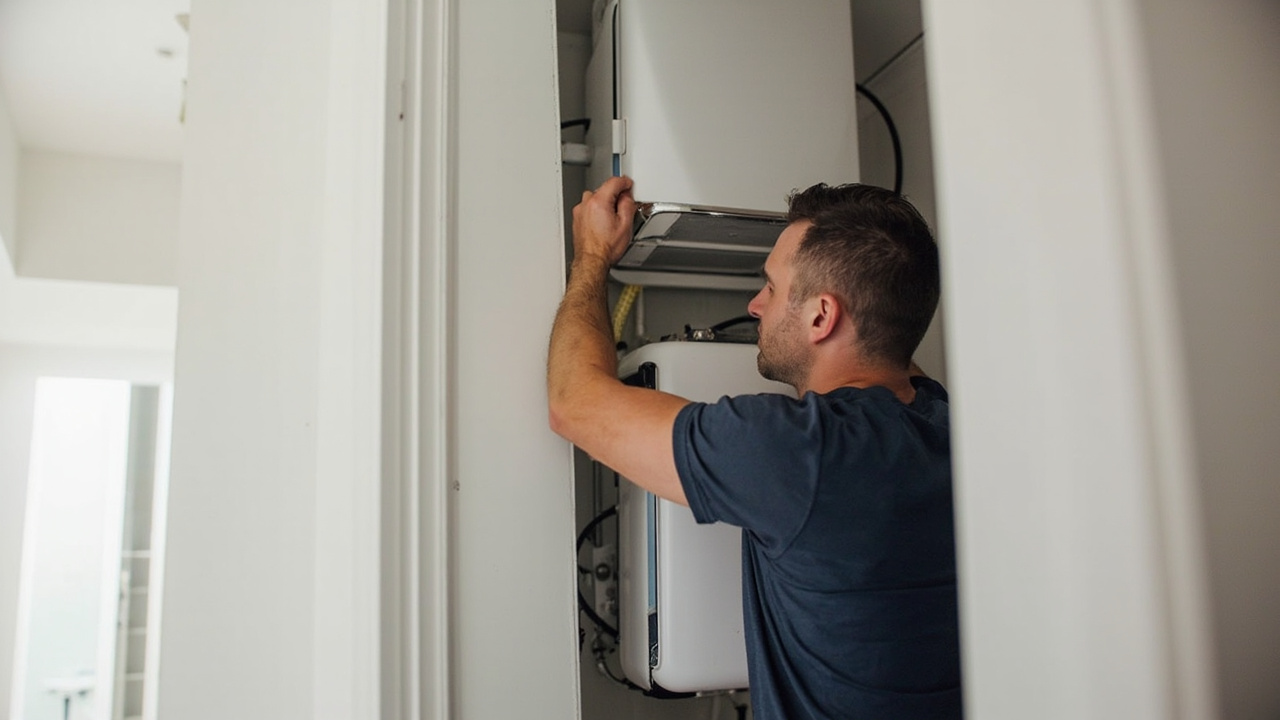
Whole House Dehumidifier Installation in Miami Florida Miami residents face unique challenges when managing indoor…
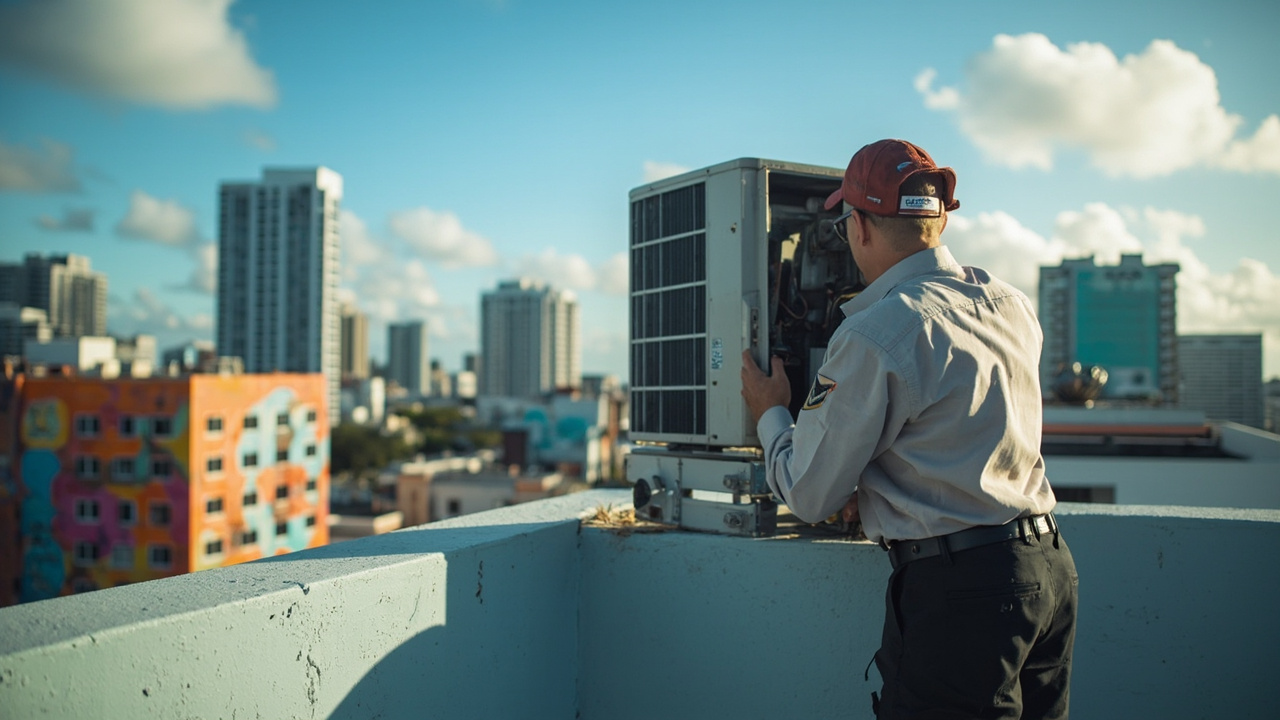
Commercial HVAC Services for Business Owners in Wynwood Who Can't Afford DowntimeRunning a business in…
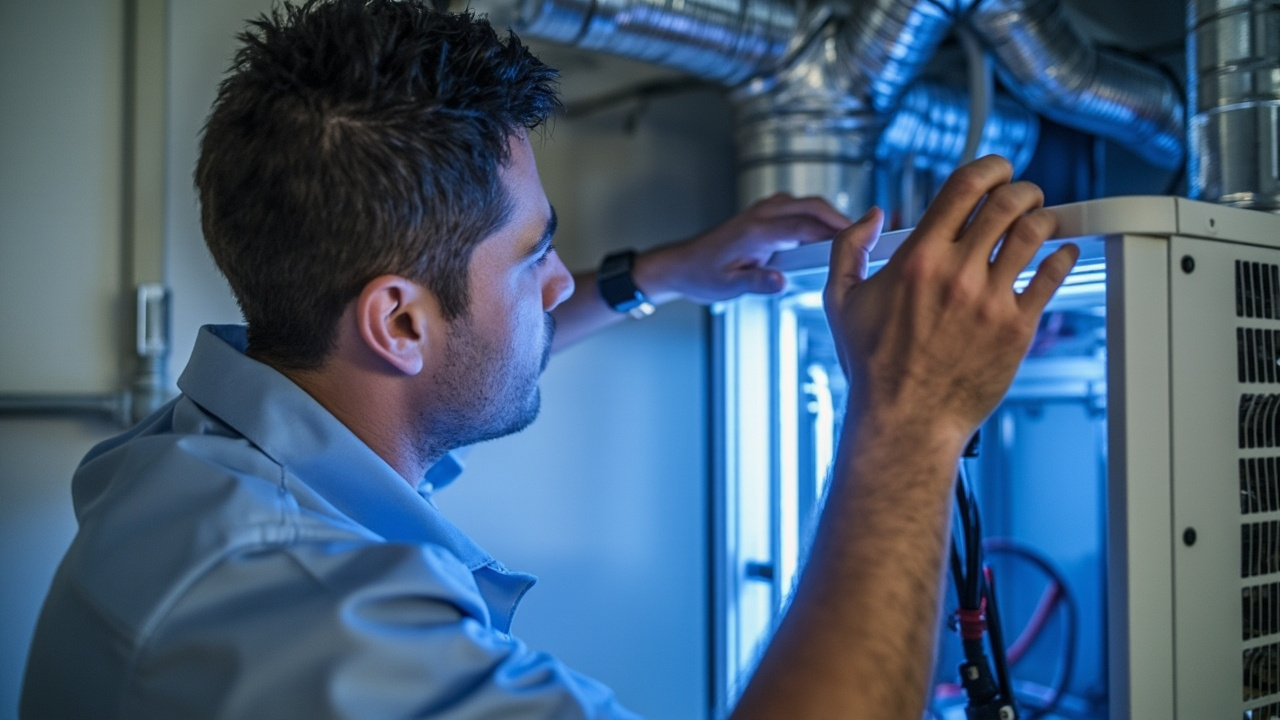
Choosing Between Air Scrubbers and UV Lights for Your Home in the Sunset NeighborhoodLiving in…
Your home shouldn't be hot for days waiting for repair appointments. Call Crestline HVAC Miami now at (645) 231-4777 for same-day service. Our technicians respond fast with the parts and skills to fix your system right. Stop sweating and start cooling today.