menu

Weird Smells from Vents in Miami – Expert Diagnosis and Fast Fixes for Your Home

Crestline HVAC Miami identifies the exact source of strange odors from air ducts and eliminates them with targeted repairs, so you can breathe clean air again without guessing or wasting money on temporary fixes.

Slider Image 1
Slider Image 2
Slider Image 3
Slider Image 4
Slider Image 5
Slider Image 7
Slider Image 8
Slider Image 9
Slider Image 10
Slider Image 11

Why Miami Homes Struggle with Foul Air Conditioner Odors

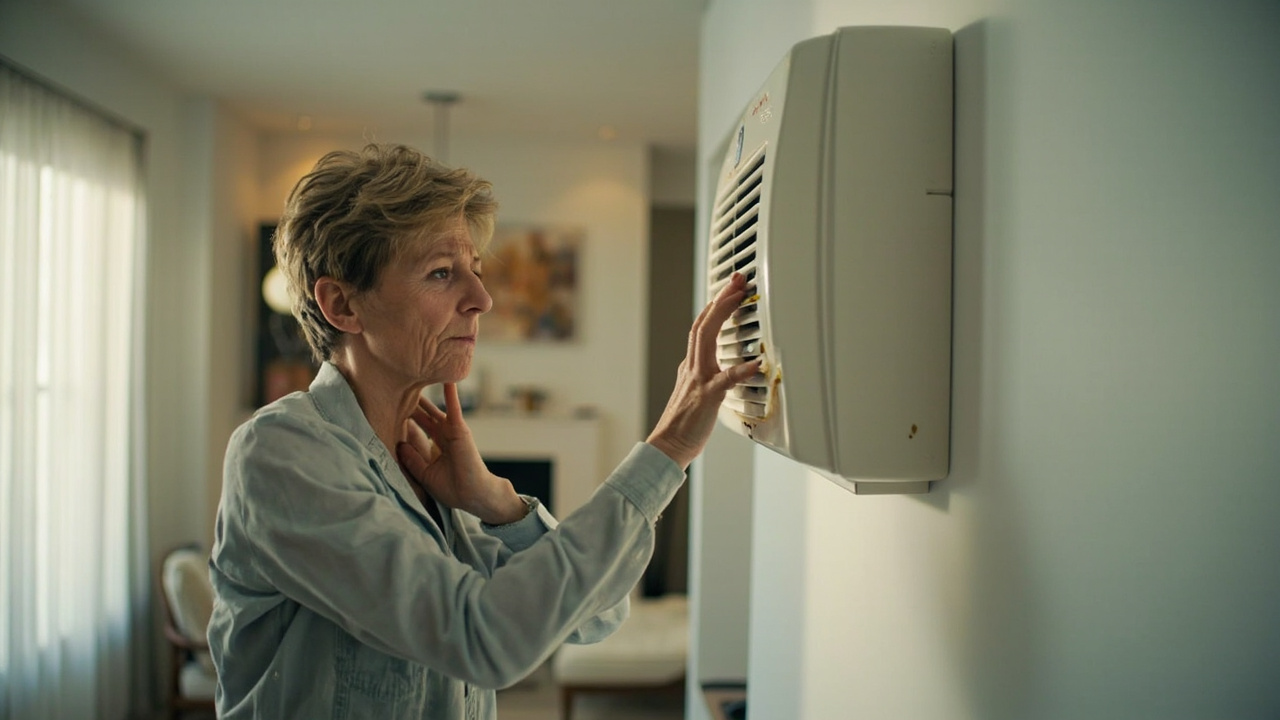
You walk into your living room and smell something off. It is not the trash. It is not the kitchen. It is coming from your vents. Odd smells from HVAC systems are frustrating because you cannot see the problem, but you know something is wrong.

Miami's year-round humidity creates the perfect environment for mold, mildew, and bacterial growth inside air ducts and evaporator coils. When moisture lingers in your system, organic material accumulates. That musty, sour, or rotten egg smell is not just unpleasant. It signals a breakdown in air quality and system efficiency.

Funny smells from heating systems can also point to electrical issues, overheating components, or even pest infiltration. In older Miami neighborhoods like Coconut Grove and Coral Gables, homes with original ductwork often harbor decades of dust, dander, and biological buildup. This creates a breeding ground for odor-causing bacteria.

Bad smells coming from vents also escalate during rainy season. When condensate drains clog or drip pans overflow, stagnant water sits inside your system. Combine that with high ambient temperatures, and you have a recipe for microbial growth that spreads through every room.

You should not ignore these odors. They indicate contamination, mechanical failure, or both. The longer you wait, the worse the air quality becomes and the harder it is to fix the root cause.

Why Miami Homes Struggle with Foul Air Conditioner Odors
How We Diagnose and Eliminate Strange Odors from Air Ducts

How We Diagnose and Eliminate Strange Odors from Air Ducts

Most homeowners assume the smell will go away on its own or try masking it with air fresheners. That does not work. You need a methodical approach that isolates the source and removes it completely.

We start with a full system inspection. This includes checking the evaporator coil, condensate drain pan, blower motor, ductwork, and return air registers. Each component is a potential odor source. We use thermal imaging to detect moisture pockets inside walls and duct runs. This reveals hidden leaks or condensation points that standard inspections miss.

Next, we test airflow and humidity levels. If your system is undersized or cycling too frequently, it cannot dehumidify effectively. That leaves moisture in the ducts. We measure static pressure to determine if blockages or dirty filters are restricting airflow and causing coil freeze-up.

Once we identify the source, we remove it. If mold is growing on the evaporator coil, we clean it with EPA-approved antimicrobial solutions. If the condensate drain is clogged, we clear it with a wet vac and flush the line. If ductwork is contaminated, we perform targeted cleaning or recommend sealing leaks that pull in attic air.

We also check for electrical issues. A burning smell often means a failing capacitor, loose wiring, or an overheating blower motor. We test voltage and amperage at each component to catch problems before they cause a breakdown.

This is not a one-size-fits-all process. Each home has unique variables. We adjust our approach based on your system age, duct layout, and Miami's specific climate challenges.

What Happens When You Call Us About a Vent Odor

Weird Smells from Vents in Miami – Expert Diagnosis and Fast Fixes for Your Home
01

Initial System Assessment

We arrive at your home and perform a full walkthrough to document where the smell is strongest and when it occurs. We inspect all supply and return vents, check the air handler, and examine the condensate drain system. This step takes 20 to 30 minutes and gives us a baseline for diagnosis.
02

Component-Level Diagnostics

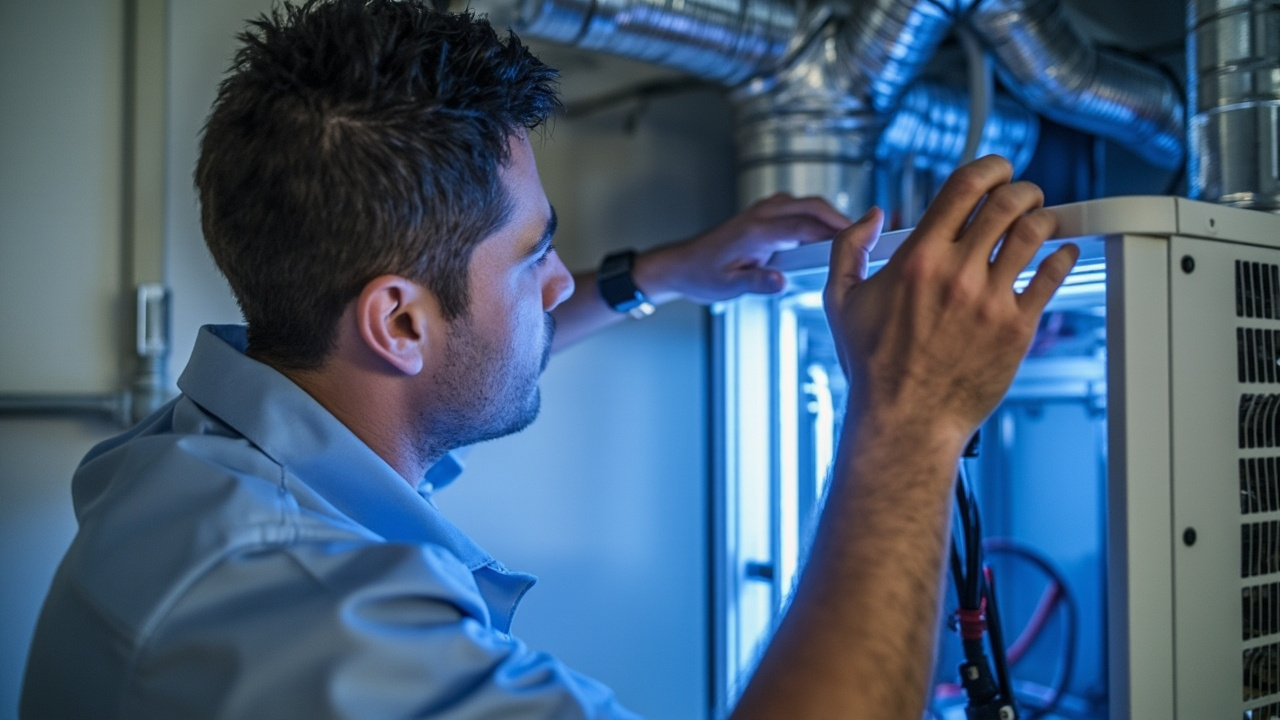
We remove access panels and inspect the evaporator coil, blower assembly, and ductwork for visible contamination. We use a borescope to look inside ducts without tearing them apart. We test electrical components for shorts or overheating. We measure airflow and refrigerant levels to rule out mechanical failure. This step identifies the exact cause of the odor.
03

Odor Removal and Prevention

Once we know the source, we eliminate it with antimicrobial cleaning, drain line flushing, or component replacement. We install UV lights or air scrubbers if needed to prevent future microbial growth. We reseal ductwork if leaks are pulling in contaminated air. You get a written report with photos and a maintenance plan to keep your system clean.

Why Crestline HVAC Miami Is Your Best Choice for HVAC Odor Problems

Most HVAC companies in Miami treat odor complaints like minor nuisances. They spray some deodorizer, replace the filter, and call it a day. That does not fix the problem. It just postpones it.

We take a forensic approach. We have worked in every Miami neighborhood, from Brickell high-rises to single-family homes in Pinecrest. We know how different building types respond to humidity. We understand how Miami-Dade County's building codes affect duct installation and air sealing. We know which systems are prone to condensate drain failures and which insulation types trap moisture.

We also know that Miami homeowners deal with unique variables. Coastal homes face salt air corrosion. Homes near the Everglades deal with higher pollen and organic debris. Older homes in Little Havana and Allapattah often have undersized ductwork that cannot handle modern HVAC loads. We account for these factors in every diagnosis.

Our technicians are trained to identify smells by type. Musty odors point to mold. Rotten egg smells suggest sulfur bacteria in the drain pan. Burning smells indicate electrical problems. Sweet, chemical odors can mean refrigerant leaks. We do not guess. We test, verify, and fix the root cause.

We also carry the tools and parts to handle repairs on the spot. We stock UV lights, condensate pumps, coil cleaners, and replacement drain pans. We do not need to order parts and come back next week. You get same-day results when possible.

You deserve a company that respects your time and your home. We show up on time, wear shoe covers, and leave your space cleaner than we found it. We explain what we found, what we fixed, and what you can do to prevent recurrence.

What You Can Expect When We Fix Your HVAC Odor Problem

Fast Response Times

We offer same-day and next-day appointments for odor complaints. We know that breathing contaminated air is not something you want to put off. Most diagnostics take less than an hour. If the fix is straightforward, like clearing a clogged drain or cleaning a coil, we complete it the same visit. For more complex repairs, we provide a detailed estimate and schedule the work within 48 hours. You will not wait a week to breathe clean air again.

Thorough Inspection Process

We do not just look at the obvious spots. We inspect the entire air path, from the return air grille to the supply registers. We check for duct leaks, insulation damage, and airflow restrictions. We test the condensate drain system to make sure it is draining properly and not backing up. We measure humidity levels in your home to determine if your system is dehumidifying effectively. You get a full picture of what is causing the smell and what it will take to fix it.

Permanent Odor Elimination

We do not mask odors. We remove the source. If your evaporator coil has mold, we clean it down to the metal fins. If your drain pan is cracked and leaking, we replace it. If your ductwork is pulling in attic air, we seal the leaks. You will notice the difference immediately. The air smells clean, not perfumed. We also provide recommendations for preventing future odor issues, like installing UV lights or upgrading to a whole-home dehumidifier.

Ongoing Maintenance Support

Once we fix the odor, we help you keep it from coming back. We offer maintenance plans that include coil cleaning, drain line flushing, and filter changes. These plans are designed for Miami's climate, where humidity and heat accelerate system wear. We schedule visits during shoulder seasons to catch problems before they become emergencies. You also get priority scheduling and discounted service rates as a maintenance customer. We want your system to stay clean and efficient year-round.

Frequently Asked Questions

You Have Questions,
We Have Answers

Why do my air vents smell weird? +

Weird smells from vents signal trapped contaminants in your ductwork or HVAC system. In Miami's humid climate, moisture builds up fast, creating perfect conditions for mold, mildew, and bacterial growth. Musty odors point to biological growth. Burning smells suggest overheating components or dust on heat strips. Rotten egg odors can mean dead rodents or pests in ducts. Chemical smells may indicate refrigerant leaks or electrical issues. The smell worsens when you run your AC because air pushes through contaminated ducts. You need professional inspection to identify the source and prevent health risks.

What does an electrical fire smell like before it starts? +

An electrical fire smells like burning plastic, melting insulation, or hot metal before flames appear. You might notice a sharp, acrid odor similar to burning rubber. In Miami homes, this often comes from overheated wiring, failing capacitors, or burnt-out blower motors in HVAC systems. The smell intensifies near the air handler or electrical panel. If you detect this odor, shut off your system immediately and call an HVAC technician. Electrical fires spread fast in ductwork. Do not ignore burning smells. This is an emergency requiring immediate professional attention to prevent property damage and injury.

Is strange smell coming from a vent a chemical hazard? +

Yes, strange chemical smells from vents can signal hazardous situations. Sweet or ether-like odors suggest refrigerant leaks, which displace oxygen and cause dizziness or nausea. Rotten egg smells may indicate natural gas leaks if you have gas heating. Solvent-like odors can mean VOCs from building materials or pest control chemicals entered your ductwork. In Miami's sealed homes with constant AC use, these chemicals concentrate quickly. Open windows, shut off your HVAC, and evacuate if you feel lightheaded or nauseous. Call a professional to test air quality and locate the source before running your system again.

What does mold in vents smell like? +

Mold in vents smells musty, earthy, or like damp socks. In Miami's high-humidity environment, mold thrives in dark, moist ductwork year-round. The smell intensifies when you first turn on your AC after it sits idle. Black mold produces a stronger, more pungent odor than common mildew. You might notice the smell concentrated in specific rooms where ducts have moisture problems. Visible black or green spots around vents confirm mold growth. This is not just unpleasant. Mold spores circulate through your home, triggering allergies and respiratory issues. Professional duct cleaning and moisture control solve the problem.

How to sanitize air ducts yourself? +

You cannot effectively sanitize air ducts yourself. Residential vacuums lack the power to reach deep into ductwork. Store-bought sanitizers do not address the root cause of contamination. In Miami homes, moisture and biological growth require professional equipment. Improper DIY cleaning spreads contaminants deeper into your system or damages duct seals. You can replace air filters monthly and vacuum visible dust around registers, but that is surface-level maintenance. Professional duct cleaning uses negative air machines, rotating brushes, and EPA-approved antimicrobials to remove built-up debris. Attempting DIY sanitization wastes money and risks your indoor air quality.

What does an HVAC refrigerant leak smell like? +

HVAC refrigerant leaks smell sweet, like ether or chloroform. Some describe it as a chemical, slightly fruity odor. Modern refrigerants like R-410A are less pungent than older R-22, but you will still notice an unusual chemical smell near your air handler or outdoor unit. In Miami's enclosed spaces with constant AC use, even small leaks become noticeable. You might also hear hissing sounds or notice ice buildup on refrigerant lines. Refrigerant displaces oxygen and causes headaches, dizziness, and breathing problems. Shut off your system and call a licensed technician immediately. Refrigerant leaks require professional repair and EPA-certified handling.

How Miami's Humidity and Rainy Season Make HVAC Odors Worse

Miami averages over 60 inches of rain per year, with most of it falling between May and October. During this time, outdoor humidity stays above 70 percent, and indoor humidity spikes if your HVAC system cannot keep up. When your evaporator coil stays wet for extended periods, mold and mildew form within days. This is why foul air conditioner odors spike in summer. The problem is compounded in homes near Biscayne Bay or the Miami River, where moisture infiltration is constant. If your ductwork has leaks, it pulls in humid attic air that condenses on cold metal surfaces. This creates a persistent moisture problem that feeds microbial growth and produces that unmistakable musty smell.

Crestline HVAC Miami understands the local codes and construction methods that affect air quality in South Florida homes. We know that many older Miami homes were built with aluminum ductwork that corrodes over time, creating rough surfaces where dust and mold collect. We also know that newer homes in developments like Doral and Kendall often have flex duct that sags and traps condensation. Our technicians are trained to spot these issues and recommend solutions that work long-term in Miami's climate. When you choose a local company, you get someone who has dealt with your exact problem hundreds of times before.
HVAC Services in The Miami Area

We proudly serve homeowners and businesses throughout Miami and nearby communities with dependable HVAC services. Whether you're in the heart of downtown or in the surrounding suburbs, our team is just a call away. Check the map below to see our service coverage. If your area isn’t listed, don’t worry—give us a call. We frequently accommodate special requests and go the extra mile to ensure our customers receive expert heating and cooling solutions, no matter where they are located.

Address:
Crestline HVAC Miami, 2332 Galiano St, Miami, FL, 33134

Additional Services We Offer

Our news updates

Latest Articles & News from The Blogs

Commercial HVAC Services for Business Owners in Wynwood Who Can't Afford DowntimeRunning a business in the heart of Wynwood requires…

Commercial HVAC Services for Business Owners in Wynwood Who Can't Afford Downtime

Commercial HVAC Services for Business Owners in Wynwood Who Can't Afford DowntimeRunning a business in the heart of Wynwood requires…

Choosing Between Air Scrubbers and UV Lights for Your Home in the Sunset Neighborhood

Choosing Between Air Scrubbers and UV Lights for Your Home in the Sunset NeighborhoodLiving in the Sunset neighborhood near South…

Protecting Your Outdoor AC Unit During a Tropical Storm in Virginia Key

Virginia Key residents face unique challenges during the Atlantic hurricane season. The proximity to the ocean and low elevation make…

Contact Us

Do not wait for the odor to get worse. Call Crestline HVAC Miami at (645) 231-4777 right now to schedule a diagnostic visit. We will find the source, fix it, and restore clean air to your home.