
How to Stop Miami Salt Air from Destroying Your Outdoor AC Unit
Living near the Atlantic Ocean in neighborhoods like South Beach or Key Biscayne provides incredible views but presents a massive challenge for your home comfort system. Salt air is a silent killer for air conditioning condensers. Without specific protection, a standard outdoor unit in a coastal Miami environment can fail in as little as three to five years. This rapid deterioration happens because the saline heavy atmosphere accelerates a chemical process that eats away at the sensitive metal components of your system. Understanding how to stop Miami salt air from destroying your outdoor AC unit is essential for every homeowner from Sunny Isles Beach down to Homestead.
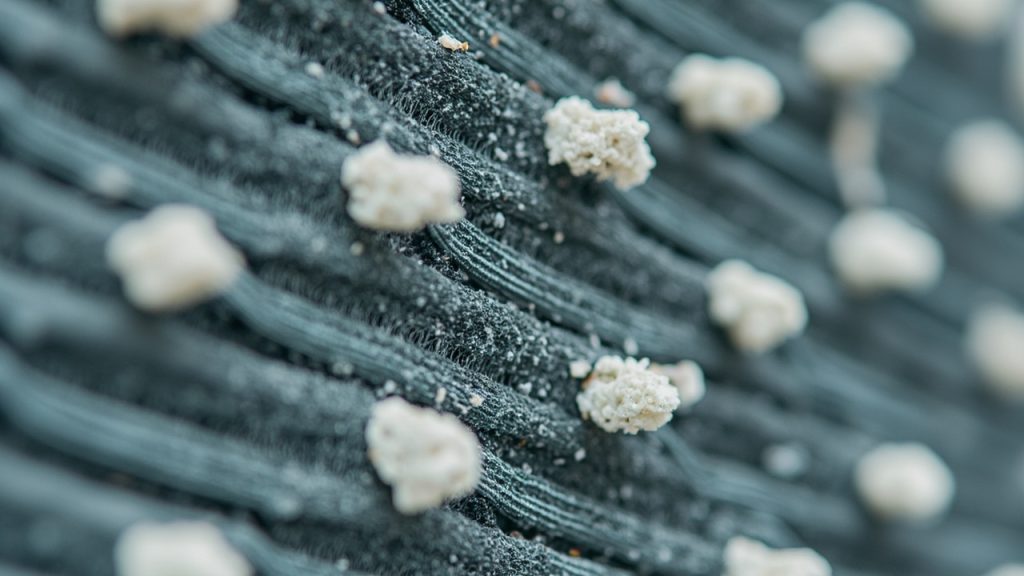
The high concentration of sodium chloride in the air near the coast creates a relentless corrosive environment. When salt spray settles on your aluminum condenser fins and copper tubing, it initiates galvanic corrosion. This process involves two dissimilar metals reacting in the presence of an electrolyte, which in this case is the salty moisture. If you live in high moisture areas like the Venetian Islands or along Brickell Avenue, your system is constantly under attack. You might notice white powdery residue or brittle fins that crumble when touched. These are signs that the structural integrity of your heat exchanger is already compromised. You should book a Brickell AC inspection if you see these symptoms.
The Science of Salt Spray and Coil Failure
Heat transfer is the primary job of your outdoor unit. When salt builds up on the coils, it acts as an insulator and restricts the ability of the system to release heat. This forces the compressor to work harder and run longer cycles. Over time, this leads to compressor failure repair needs that could have been avoided with proper coastal protection. The salt also creates pits in the copper refrigerant lines. Even a microscopic hole can lead to a complete loss of refrigerant, causing your system to blow warm air during a July heatwave. We see this often in Sunny Isles Beach where the sea spray is most intense.
Residents often ask why their neighbors in inland areas like Miami Lakes or West Kendall see their systems last twice as long. The answer lies in the distance from the shoreline. Properties within five miles of the ocean experience the highest rates of salt deposition. In 2026, we use advanced diagnostic tools to measure the salt load on your equipment to determine the exact level of protection required for your specific location. This technical approach ensures you are not overspending on protection you do not need while ensuring your oceanfront investment is fully shielded. For those in Miami Lakes, the risk is lower but still requires attention during the humid summer months.
Blygold versus Epoxy Technical Breakdown
When you look for professional protection, you will often choose between two main chemical technologies. The first is epoxy coating. This is a thermosetting polymer made from bisphenol A and epichlorohydrin. Manufacturers apply epoxy as a thick liquid that cures into a hard and plastic-like layer. It provides a strong physical barrier against chloride ions. But epoxy has a high thermal resistance, which means it can slightly slow down the heat transfer process. It can also become brittle over time because of the constant expansion and contraction of the coils during Miami heat cycles.
The second and more advanced option in 2026 is Blygold. This treatment uses a heat conductive pigmented polyurethane. Unlike standard epoxy, Blygold contains metallic aluminum flakes. These flakes are suspended in the polyurethane base. This chemical composition allows the coating to be much thinner than epoxy while providing better protection. The aluminum flakes create a sacrificial layer. This means the salt attacks the flakes in the coating instead of the metal in your coils. Blygold remains flexible and does not crack when the metal expands. It also maintains a higher level of cooling efficiency because the thin layer does not trap heat as much as a thick epoxy shell. Residents in Coconut Grove often prefer this method for its longevity.
Comparison of HVAC Corrosion Protection Methods
| Protection Type | Application Method | Lifespan Extension | Best For |
|---|---|---|---|
| Factory Phenolic Coating | Applied during manufacturing | 4 to 6 years | New installations near the coast |
| Field Epoxy Spray | Applied on site by technician | 2 to 4 years | Existing units in medium salt zones |
| Blygold Treatment | Technical dipping or precision spray | 7 to 10 years | Oceanfront high rise units |
| Clear Acrylic Sealant | Quick spray application | 1 to 2 years | Inland units with mild exposure |
Each method has a specific use case based on your proximity to the water. For example, a home in Coral Gables might only need a standard acrylic sealant if the property is inland. A condo in Sunny Isles requires the maximum protection available to prevent premature failure. According to current data from materials experts, properly coated materials can resist salt spray damage up to ten times longer than untreated metals in marine environments. This is why we focus so much on the chemical bond between the coating and the substrate. You can schedule a Coral Gables AC tune up to evaluate your current coating status.
The Coastal Exclusion Clause in Manufacturer Warranties
Many homeowners in Miami are surprised to find that their standard ten year warranty does not cover salt damage. In 2026, most major manufacturers include a coastal exclusion clause in their legal paperwork. This clause typically applies to any unit installed within five miles of the coast. If your home is in Edgewater, Coconut Grove, or Pinecrest, you are likely in this zone. The manufacturer argues that salt air is an environmental hazard rather than a factory defect. If a technician finds salt corrosion on your coils, the manufacturer may deny your claim for a free replacement part.
The coastal exclusion specifically targets the condenser coil and the outer cabinet. In some cases, the warranty for these parts drops from ten years to just one year the moment the unit is installed near the ocean. To combat this, you must choose a unit with a factory applied seacoast coating or pay for a professional aftermarket treatment. You must also keep a detailed log of every time you rinse the unit. If you cannot prove you maintained the unit properly, the manufacturer will use the salt presence as a reason to void your coverage. This can result in you paying thousands of dollars for a new coil that should have been covered by the warranty. Our Pinecrest HVAC team can help you document these maintenance steps for warranty compliance.
Impact of Salt Air on 2026 Smart HVAC Technology
The HVAC systems of 2026 are much smarter than older models. They use a wide array of exterior sensors and smart thermostats to optimize energy use. These components are extremely sensitive to salt air. Your outdoor unit now contains ambient temperature sensors, humidity sensors, and even air quality monitors. These sensors use micro-electro-mechanical systems or MEMS technology. When salt spray hits these tiny components, it creates a conductive crust. This crust can cause the sensor to send false data to the motherboard.
If the outdoor temperature sensor is covered in salt, it might report a temperature that is ten degrees higher than the actual air. This causes your system to work harder than necessary. Salt can also penetrate the seals on smart thermostats if they are near open windows or doors in coastal homes. The sodium chloride ions can bridge the gaps between the copper traces on the circuit board. This leads to short circuits and phantom button presses. We recommend that homeowners in areas like Aventura and Bal Harbour have their external sensors cleaned and treated with a specialized non-conductive dielectric spray twice a year. This prevents the smart features of your system from becoming a liability in the salty air.
Economic Benefits of Coastal Protection Over Ten Years
| Cost Factor | Standard Untreated Unit | Unit with Coastal Protection |
|---|---|---|
| Average System Lifespan | 4 to 6 years | 10 to 12 years |
| Energy Efficiency Loss | High 15 to 30 percent | Minimal 2 to 5 percent |
| Major Repair Frequency | Every 2 years | Every 5 years |
| Total Ownership Cost | Very High | Moderate |
Maintaining Your System in a Salt Air Environment
While coatings are the primary defense, regular maintenance is the secondary support system. You should never assume that a coating means you can ignore the unit. The environment in Miami Beach and North Miami Beach requires a more aggressive maintenance schedule than what you would find in a typical suburb. Rinsing your unit with fresh water is one of the simplest things you can do to help. A gentle rinse with a garden hose once a month can remove the accumulated salt crust before it has a chance to bond with the surface.
You must be careful not to use high pressure water. Intense pressure can bend the delicate aluminum fins. This restricts airflow and causes more problems than the salt itself. Professional HVAC maintenance and tune ups in coastal areas include specialized coil cleaning solutions that neutralize salt on a molecular level. These services are vital for residents in Sunny Isles Beach where the wind carries salt spray directly onto balconies and rooftops. The goal is to strip away the chloride ions before they can penetrate the protective oxide layer of the metal. If you are unsure how to rinse safely, contact our Miami Beach service center for a demonstration.
- Schedule professional inspections twice a year to check for early signs of pitting.
- Gently rinse the outdoor condenser with fresh water monthly to remove surface salt.
- Ensure the area around the unit is clear of salt trapping debris like leaves or sand.
- Verify that the drain lines are clear to prevent standing water near the base of the unit.
- Apply a high quality automotive wax to the outer cabinet to protect the paint finish.
- Check for any vibration issues that could cause metal to metal contact and friction.
- Clean the external smart sensors with a soft brush and approved electronic cleaner.
- Inspect the electrical disconnect box for signs of salt intrusion and corrosion.
Identifying When to Replace a Corroded Unit
Sometimes the damage is already too severe for a coating to be effective. If your unit is older and showing signs of significant fin loss, it might be time to replace the unit. Attempting to coat a heavily corroded coil can trap moisture and salt against the metal. This makes the destruction happen faster. We often see units in Aventura where the bottom two inches of the coils have completely dissolved. In these cases, the most cost effective solution is a full system replacement with a new coastal grade unit. You can explore replacement options on our Aventura AC installation page.
When selecting a new system, look for models that feature all aluminum coils. Historically, the junction between copper tubes and aluminum fins was the primary site for galvanic corrosion. Modern all aluminum designs remove this dissimilar metal contact. This makes them much more resistant to the Miami salt air. Combining an all aluminum coil with a factory applied epoxy coating or a Blygold treatment is the best choice for durability in 2026. This setup is effective for high exposure areas like Cutler Bay where sea breezes are constant and the air is thick with salt.
Strategic Placement for Waterfront Properties
For properties located directly on the ocean, standard residential equipment may not be enough. We often look at engineering solutions such as changing the location of the unit. If a condenser sits on the ground on the side of the house facing the wind, it gets blasted with salt. Moving it to the side of the house facing away from the wind or placing it behind a structural wall can reduce salt exposure by fifty percent. This type of strategic placement is a common practice for luxury homes in Palmetto Bay and along the Rickenbacker Causeway.
Another option involves the use of sacrificial anodes. Similar to how boats use zinc blocks to protect their hulls, we can install sacrificial anodes on the HVAC system. These anodes are made of a more reactive metal that will corrode first. This leaves the valuable aluminum and copper of your AC unit intact. This is an advanced technique that requires professional installation. It provides an extra layer of security for the most extreme environments in Homestead and coastal regions. In 2026, these integrated protection systems have become common for high end waterfront developments. If you need a specialized solution, our Homestead HVAC experts are ready to help.
Protecting Your Comfort Investment
Your air conditioning system is one of the most expensive appliances in your home. In a city like Miami, it is also the most hard working. Letting the salt air destroy your system prematurely is a preventable financial loss. Whether you are dealing with the intense spray of South Beach or the humid breezes of North Miami, there is a protection strategy that fits your needs. By combining professional coatings, regular maintenance, and smart equipment choices, you can ensure your home stays cool for many years to come.
If you have noticed white dust on your coils or your energy bills are rising, it is time to take action. Waiting until the system fails during a heatwave leads to urgent situations and limited options. Proactive corrosion management is the hallmark of a well maintained Miami home. If you suspect your unit is suffering from salt air damage, reach out for a comprehensive evaluation and a customized protection plan to keep your system running at peak performance. Protecting your unit today means you will not have to replace it years before its time.