
Living in Pinecrest means dealing with relentless heat and heavy humidity every single day. When your air conditioner finally gives out, the immediate concern is how much a new system will set you back. Investing in a new cooling system in 2026 involves more than just picking a unit off a shelf. You must account for new efficiency standards, the transition to modern refrigerants like R-454B, and the specific installation requirements mandated by Miami-Dade County building codes. For a residential property in this lush neighborhood, a full replacement is a significant home improvement that impacts your comfort and your monthly utility bills for the next decade.
Pinecrest homes often feature larger floor plans and unique architectural designs that require specialized HVAC configurations. Whether you live near the Fairchild Tropical Botanic Garden or closer to the shops at Suniland, your cooling needs are different from a small condo in a different part of the city. A standard 2400 square foot home here typically requires a 4 ton or 5 ton unit to maintain a consistent temperature when the heat index climbs. Understanding the variables that influence the final price tag helps you make an informed decision without overpaying for features you do not need.
Current Investment Ranges for Pinecrest Air Conditioning Systems
The total price for a full system replacement in 2026 fluctuates based on the size of your home and the efficiency level you choose. Most homeowners in our area find that their investment falls into predictable tiers based on the tonnage of the unit and its SEER2 rating. SEER2 stands for Seasonal Energy Efficiency Ratio 2, and it represents the current federal standard for measuring how much cooling a system provides for every watt of electricity it consumes. Higher ratings mean lower monthly bills but higher upfront equipment costs.
In the following table, you can see the typical investment ranges for common residential system sizes in Pinecrest. These figures include the indoor air handler, the outdoor condenser, basic hurricane tie-downs, and standard installation labor. Prices may vary if your home requires significant modifications to the existing infrastructure.
| Unit Capacity (Tons) | Standard Efficiency (14.3 to 16 SEER2) | High Efficiency Variable Speed (18+ SEER2) |
|---|---|---|
| 2.0 Tons | Moderate Investment Tier | Premium Investment Tier |
| 3.0 Tons | Mid-Range Investment Tier | High-End Investment Tier |
| 4.0 Tons | Upper Mid-Range Tier | Elite Performance Tier |
| 5.0 Tons | Full Residential Capacity Tier | Top-Tier Variable Capacity |
For many residents, the choice between a standard unit and a high-efficiency system comes down to how long they plan to stay in the home. If you want to maximize your savings over time, you should read our guide on energy saving tips for summer to see how modern hardware reduces waste. High-efficiency units also excel at removing moisture from the air, which is a critical function in our swampy South Florida environment.
Mandatory Southeast Region Efficiency Standards
As of 2026, the Department of Energy strictly enforces efficiency minimums for the Southeast region, which includes Florida. You can no longer install the low-efficiency units that were common a decade ago. Every new air conditioning installation must meet a minimum of 14.3 SEER2 for split systems. This ensures that even the most affordable options provide a baseline of energy conservation. If you are curious about how these numbers are calculated, you can view the official Energy.gov appliance standards for detailed information.
Modern systems also use the latest refrigerants designed to be more environmentally friendly. If your old unit used R-22 or R-410A, you cannot simply swap parts. The new systems in 2026 are designed for R-454B or R-32, which require specific components and safety sensors. This change has slightly increased the price of equipment compared to older models, but it ensures your system remains compliant with federal laws for its entire lifespan. If you are experiencing a compressor failure repair on an old R-410A system, a full replacement is often more cost-effective than trying to find obsolete parts.
Local Cost Drivers Unique to Pinecrest and Miami Dade
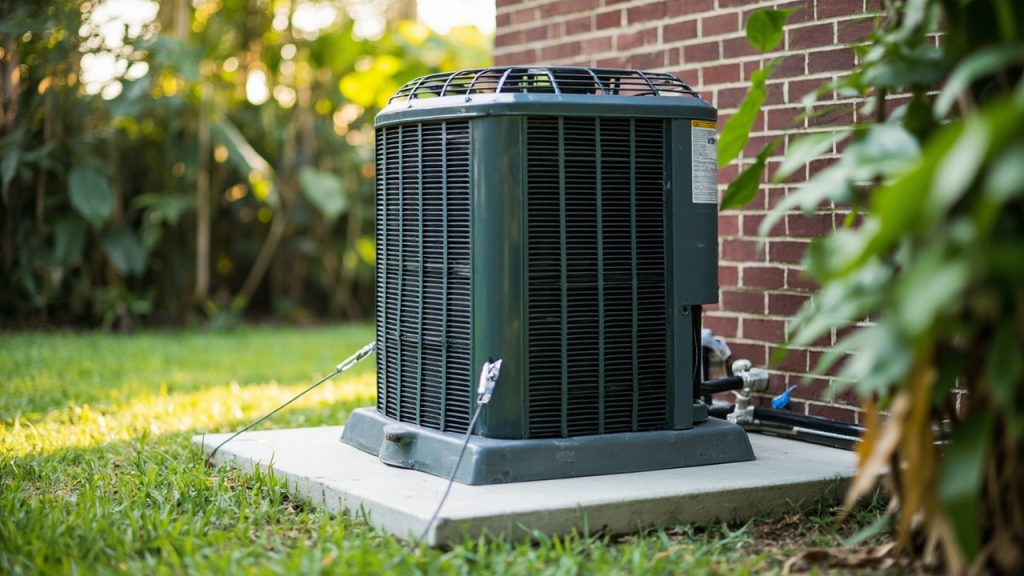
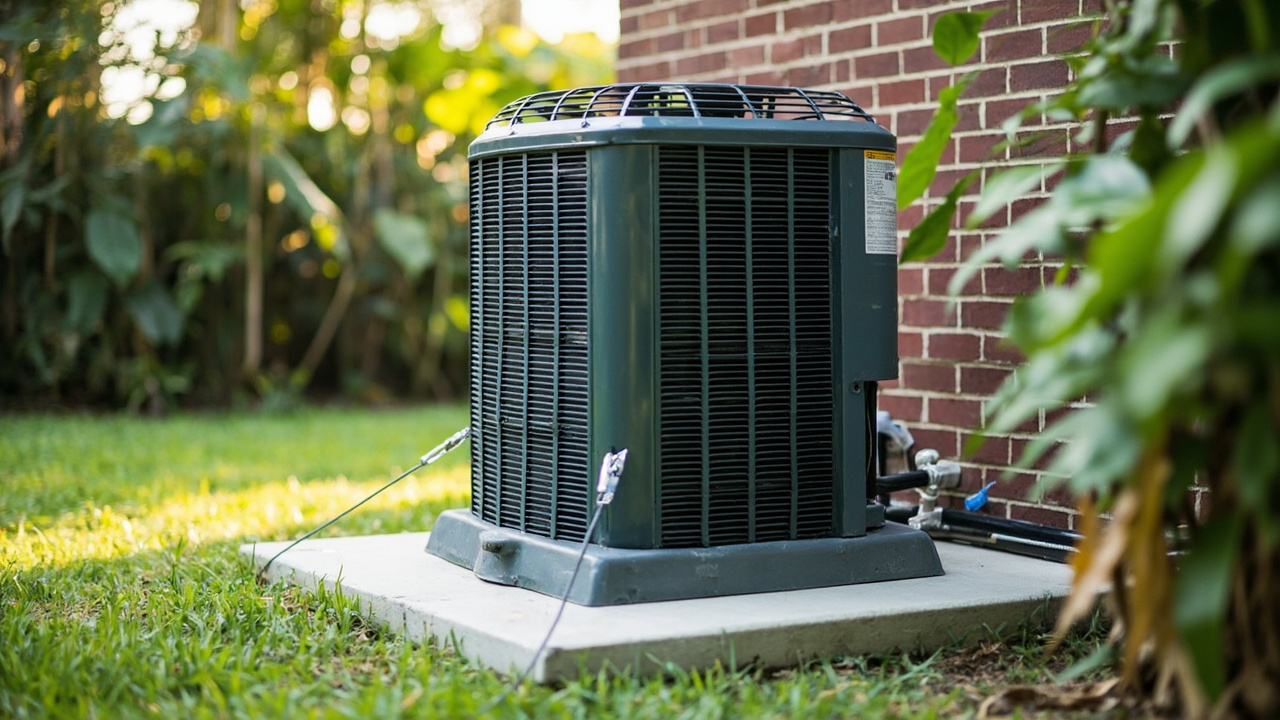
Replacing an AC unit in Pinecrest involves specific local requirements that do not apply in other parts of the country. Miami-Dade County has some of the strictest building codes in the United States due to our proximity to the coast and the threat of hurricanes. These codes add necessary safety but also influence the total labor and material costs. For example, the outdoor condenser must be secured to a concrete pad using heavy-duty hurricane tie-downs capable of withstanding high wind speeds.
Another factor is the salt-air corrosion that affects homes near Old Cutler Road or the coast. Standard aluminum fins on a condenser can degrade quickly in our salty atmosphere. We often recommend units with specialized coatings or all-copper coils to prevent premature leaks. While these features add to the initial price, they prevent you from needing an AC repair service just a few years after installation. Proper protection is essential for long-term reliability in the subtropics.

Necessary Infrastructure Upgrades and Labor Variables
A full replacement often uncovers hidden issues that must be addressed to ensure the new system functions correctly. If your ductwork is original to a home built in the late twentieth century, it might be undersized for a high-efficiency 2026 model. Leaky or poorly insulated ducts can waste up to thirty percent of your cooling capacity before the air ever reaches your living room. Addressing these issues might require emergency ductwork repair or a full cleaning to prevent excess dust in home environments.
Your electrical panel also needs to be compatible with the new equipment. Newer variable speed compressors have sensitive electronics that may require a dedicated circuit or a surge protector to shield the system from the frequent lightning strikes we experience in Miami. Here are several common additions that can impact your total project cost!
- Installation of a smart thermostat to optimize energy usage.
- Upgrading the float switch to prevent water damage from clogs.
- Replacing the copper line set if the old one is contaminated or the wrong size.
- Adding an indoor air quality solution such as a UV light or HEPA filter.
- Modifying the platform or closet space to fit modern, larger air handlers.
Labor costs in Pinecrest also reflect the expertise required to navigate these codes and technological changes. A proper installation takes a team of two technicians approximately six to ten hours to complete. This includes recovering the old refrigerant according to EPA standards, brazing the new lines, vacuuming the system to remove moisture, and performing a detailed startup sequence to verify the subcooling and superheat levels are perfect.
Financial Incentives and Utility Rebates for Miami Residents
The good news for homeowners in 2026 is that several programs exist to help offset the cost of a high-efficiency system. Florida Power and Light (FPL) continues to offer rebates for residential customers who install qualifying equipment. These rebates are usually applied directly to your account or issued as a check after the installation is verified. To qualify, the system must be installed by a participating independent contractor and meet specific SEER2 thresholds.
Additionally, federal tax credits under the Energy Efficient Home Improvement Credit allow you to claim a portion of the installation cost on your annual tax return. This credit is specifically designed for high-efficiency heat pumps and central air systems. When you combine these tax credits with local utility rebates, the net cost of a premium system often becomes comparable to a standard model. You can find more details on HVAC financing and rebates to see how these programs can fit into your budget.
| Incentive Type | Typical Benefit Amount | Primary Requirement |
|---|---|---|
| FPL Utility Rebate | Varies by SEER2 Rating | Must be an FPL customer and use an approved contractor |
| Federal Tax Credit | Up to $2,000 for Heat Pumps | Must meet CEE Highest Efficiency Tier |
| Manufacturer Rebates | Seasonal Promotions | Usually offered on full system replacements |
| Financing Programs | Low Interest Tiers | Available for qualified homeowners in Miami-Dade |
The Importance of Proper System Sizing
A common mistake in Pinecrest is assuming that a bigger unit is always better. If you install a 5 ton system in a home that only requires 3.5 tons, you will experience frequent short cycling. This means the unit turns on and off too quickly, which prevents it from removing humidity. You will end up with a cold but clammy house, which can lead to humidity issues indoors and even mold growth. A professional contractor should always perform a Manual J load calculation before giving you a final quote.
This calculation takes into account your home square footage, the number of windows, the quality of your insulation, and even the direction your house faces. Pinecrest is known for its beautiful, mature oak trees which provide significant shade. A shaded home might require a slightly different capacity than a home in a newer development with no tree cover. If you are noticing uneven heating or cooling in your current setup, it is likely because the original system was not sized correctly for the layout of your home.
Selecting a Qualified Miami HVAC Contractor
The company you choose to perform the replacement is just as important as the brand of equipment you buy. In Miami-Dade County, all HVAC contractors must be licensed and insured. You should always verify that the company holds a current Florida State Certified Mechanical or Air Conditioning Contractor license. This ensures they are familiar with the 2026 Florida Building Code and can pull the necessary permits for the job. You can verify licensing through the Florida Department of Business and Professional Regulation website.
A reputable contractor will provide a written estimate that details every aspect of the project. This should include the model numbers of the equipment, the scope of the work, the permit fees, and the specific warranty terms. Avoid any contractor who gives you a price over the phone without visiting your home first. Every installation in Pinecrest is unique, and a site visit is the only way to identify potential complications like cramped attic spaces or outdated electrical service. If your current unit is showing signs of trouble, it is better to start this process early rather than waiting for a total breakdown in the middle of a July heatwave.
We serve residents throughout the region, including those looking for HVAC in Coral Gables or HVAC in Palmetto Bay. Our team understands the specific needs of South Florida homeowners because we live and work in these communities every day. We know that a new AC is a major investment, and we are here to ensure you get the best value for your money. Whether you are interested in benefits of inverter technology or just need a reliable standard system, we can help you navigate the options available in 2026.
If you are ready to upgrade your home comfort and lower your energy bills, reach out to us today. We can provide a comprehensive assessment of your cooling needs and help you find a system that fits your budget and your lifestyle. Do not suffer through another Florida summer with an unreliable air conditioner when a modern, efficient solution is just a phone call away.