
Living in Bal Harbour offers some of the most beautiful ocean views in Miami-Dade County. Whether you reside in a high-rise condo at Oceana Bal Harbour on Collins Avenue or a private estate near the Bal Harbour Shops, the Atlantic breeze is a constant presence. While that breeze feels great on a patio, it carries a threat to your home comfort system. The salt air in this specific part of Miami is aggressive. Without a specialized corrosion coating, a standard air conditioning unit in a waterfront home can show signs of structural failure within just a few years of installation. Professional coil coatings are no longer an optional upgrade for coastal residents in 2026. They are a requirement for protecting a significant home investment.
The geography of Bal Harbour creates a high-chloride environment that is significantly more corrosive than inland areas like West Kendall or Doral. As waves break against the shoreline, they release tiny droplets of seawater called salt spray. These droplets stay suspended in the humid Miami air and travel directly into your outdoor condenser unit. When this salt-laden air hits the warm surfaces of your AC coils, the moisture evaporates and leaves behind concentrated salt deposits. These deposits pull even more moisture from the air, creating a permanent layer of corrosive liquid on the metal surfaces of your system. You can learn more about local environmental standards on the Bal Harbour Village official site.
Why Your Bal Harbour Home Needs a Specialized Corrosion Coating for the AC
Most modern AC units use aluminum fins pressed onto copper tubes. In the presence of salt water, these two different metals react through a process called galvanic corrosion. The aluminum acts as a sacrificial anode and begins to dissolve to protect the copper. This leads to a phenomenon known as white rust or formicary corrosion. As the aluminum fins turn to powder, they lose their ability to transfer heat. This forces your compressor to work harder, which raises your monthly Florida Power and Light bills and puts extreme stress on the entire system. Understanding how to stop Miami salt air from destroying your outdoor AC unit is the first step in avoiding a premature and expensive replacement.
Luxury developments like the St. Regis Bal Harbour Resort or the Ritz-Carlton Bal Harbour face challenges due to their height. Wind speeds increase as you move up the floors of a high-rise building. These higher winds carry salt spray further and force it deeper into the internal components of the HVAC system. A unit located on the 20th floor of a tower faces a much higher volume of salt exposure than a unit located at a ground-level residence. The constant pressure of the sea air ensures that salt particles find every crack and crevice in the metal fins. Without a barrier, the metal surfaces begin to pit and flake away, eventually leading to refrigerant leaks that cannot be repaired easily.
Current 2026 standards for home efficiency require much more from your air conditioner than in the past. If the unit loses even a small percentage of its heat transfer surface area to corrosion, it will fail to meet these efficiency requirements. This results in the system running for much longer cycles to cool your home. The increased run time leads to higher humidity levels indoors, which can damage expensive artwork, custom millwork, and high-end finishes common in Bal Harbour luxury properties. Protecting the exterior of the unit is just as important as maintaining the interior of your home through regular seasonal AC maintenance.
The coastal micro-climate of the 33154 zip code is unique. The air is thick with moisture and minerals that act as an electrolyte. When these minerals settle on the AC coils, they create a microscopic battery that eats away at the metal. This is why a standard unit installed on a Bal Harbour balcony often fails while the same model in a dryer climate lasts for over a decade. The cost of replacing these units is significant because of the logistical challenges of high-rise crane lifts and permit requirements in Miami-Dade County. A proactive coating is a financial safeguard against these recurring costs.

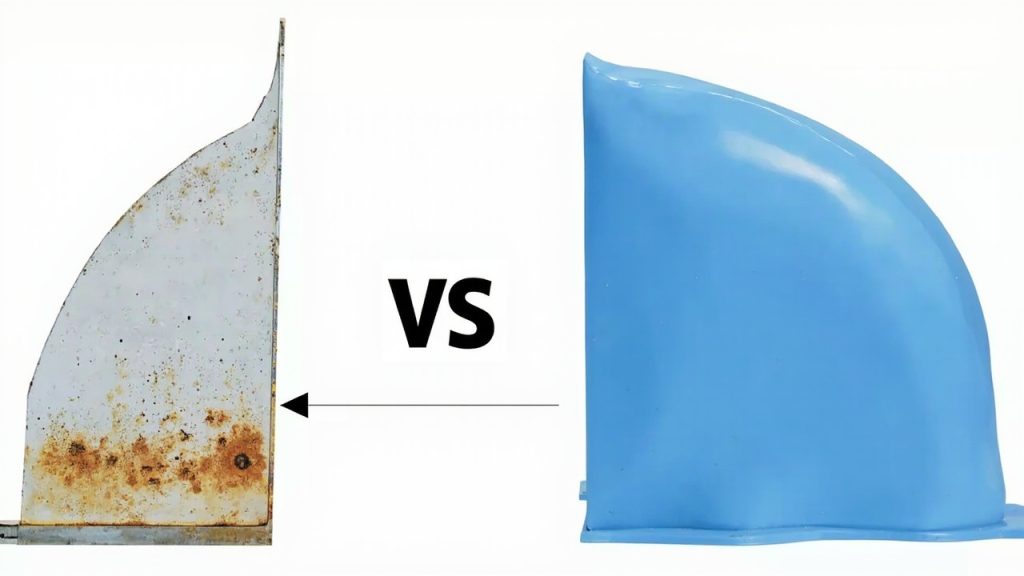
The image above demonstrates the physical degradation of metal surfaces when left exposed to the salt air on Collins Avenue. You can see how the untreated fins lose their structural integrity, while the coated fins maintain a smooth profile that allows for maximum airflow.
Comparing Coating Technologies for Coastal Environments
Not all coatings provide the same level of protection. In the past, some contractors used simple spray-on paints that insulated the coils and reduced cooling capacity. In 2026, we use advanced polymer and epoxy-based technologies that are applied at a molecular level. These coatings are thin, often less than 1.0 mil thick, ensuring that they do not interfere with the thermal conductivity of the aluminum fins. The goal is to provide a total barrier against moisture and salt without making the unit less efficient.
The two most common professional options for Bal Harbour homes are factory-applied coatings and after-market field applications. While factory coatings from certified manufacturers are excellent, many homeowners choose to have an additional high-performance layer added to ensure the unit survives the specific micro-climate of the Bal Harbour shoreline. The following table compares the most common coating types used in high-exposure areas.
| Coating Type | Primary Material | Salt Spray Resistance Hours | Thermal Impact |
|---|---|---|---|
| Epoxy Phenolic | Resin polymer | 3,000 to 5,000 | Minimal less than 1 percent |
| Polyurethane | Thermoplastic polymer | 2,000 to 4,000 | Negligible |
| Silane-based | Glass-like ceramic | 4,000 plus | Zero impact |
The silane-based coatings represent the current gold standard in 2026. These coatings create a covalent bond with the metal surface, which means they are chemically fused rather than just sitting on top. This prevents the coating from peeling even under the intense heat of a Miami summer. For homeowners near the Bal Harbour pier, this durability is essential because the sand and wind can act like sandpaper on the unit exterior. The ceramic properties of these coatings also help repel dust and organic growth, which can further impede airflow.
The Professional Application Process for Bal Harbour Residents
Applying a corrosion coating is a technical process that requires precision. If the coating is applied over existing dirt or oxidation, it will peel off and cause more harm. Our team follows a strict protocol to ensure the bond is permanent. This is important for residents who may have already noticed some pitting on their units. If you find yourself in a situation where the salt has already caused damage, you might need to consult specialized coastal AC repair services.
The application follows these specific steps to ensure a long-lasting seal.
- Deep cleaning of the evaporator and condenser coils using a pH-neutral foaming agent to remove all organic matter and salt.
- Mechanical removal of any existing oxidation or white rust using specialized fin combs and soft brushes.
- Chemical etching of the metal surfaces to create a microscopic profile that allows the coating to bond securely.
- Multiple-pass application of the protective coating to ensure 100 percent coverage of the interior and exterior of the fin pack.
- Final inspection using high-intensity UV lights to identify any pinholes or missed spots in the protective layer.
This process typically takes several hours and requires a specific curing window where the unit must remain off. In the humid Bal Harbour climate, we often use infrared lamps to speed up the drying time so that you can get your cooling back online quickly. This level of detail is necessary for Bal Harbour condo owners in high-rise buildings who face constant wind-driven salt issues. A rushed application will result in bubbles or gaps that the salt air will exploit within weeks.
Financial Benefits and SEER2 Efficiency in 2026
The financial argument for coil coating is straightforward. A standard high-efficiency AC unit in 2026 represents a significant capital investment. In an inland environment, that unit might last 12 to 15 years. In a coastal environment like Bal Harbour, an untreated unit often fails in 5 to 7 years. By investing in a professional coating, you can effectively double the lifespan of the equipment. Furthermore, as the coils stay clean and free of corrosion, the system maintains its SEER2 rating for much longer. When coils corrode, the surface area for heat exchange decreases, which means the system runs longer cycles to reach the desired temperature on your thermostat.
The 2026 SEER2 standards are stricter than previous regulations. These standards now account for the external static pressure that a system must overcome. If your coils are clogged with corrosion and salt, the fan motor must work harder to push air through the unit. This increases the electrical load and can void your manufacturer warranty if the unit is operating outside of its designed parameters. A coated unit remains within these specifications because the surfaces stay smooth and the airflow remains unobstructed. This protects the delicate internal components like the variable speed motor and the electronic expansion valve.
Current data suggests that even a small amount of corrosion on an outdoor coil can increase energy consumption by as much as 30 percent. For a large home in the Bal Harbour area, that translates to hundreds of dollars in wasted electricity every year. The coating pays for itself through energy savings alone within the first few years of operation. The following table illustrates the projected lifecycle costs of a coated unit versus an uncoated unit in a beachfront Bal Harbour property.
| Factor | Standard Uncoated Unit | Professionally Coated Unit |
|---|---|---|
| Estimated Lifespan | 5 to 7 Years | 12 to 15 Years |
| Efficiency Loss Over Time | High 5 to 10 percent per year | Low Less than 1 percent per year |
| Risk of Refrigerant Leaks | High due to pitting | Very Low |
| Annual Energy Cost | Increasing annually | Stable |
Beyond the direct energy savings, there is the matter of property value. When selling a luxury condo in Bal Harbour, savvy buyers and inspectors look at the condition of the HVAC system. A unit that is covered in white rust and salt deposits suggests a lack of maintenance. A unit with a professional corrosion coating shows that the owner has taken steps to protect the asset. This can prevent issues during the inspection phase of a real estate transaction. It also ensures that the indoor air quality remains high by preventing mold growth on corroded surfaces.
Understanding Manufacturer Technologies and Coil Designs
Different brands require different protection strategies. For example, some Carrier units utilize WeatherShield technology, which includes a factory coating on the coils. In extreme environments like the 33154 zip code, even these factory protections benefit from a secondary field-applied layer. Trane units often use Spine Fin coils, which are made entirely of aluminum. While these are more resistant to galvanic corrosion than mixed-metal coils, they have thousands of tiny surfaces where salt can hide. Protecting a Spine Fin coil requires a high-volume spray technique to ensure every wire is covered.
Lennox and other manufacturers have shifted toward microchannel coils in their current high-efficiency models. These coils use many small, flat tubes rather than a few large round ones. While this design is excellent for heat transfer, it is highly susceptible to salt blockages. If the gaps between the microchannels fill with salt and corrosion, the unit will lose its ability to cool. A specialized coating for microchannel coils must be applied thin to prevent bridging between the channels. Our team uses specialized equipment to ensure the coating protects the metal without clogging these narrow passages.
Advanced FAQ for Bal Harbour HVAC Maintenance
Does the coating affect my manufacturer warranty. In most cases, a professionally applied coating does not void the warranty. Many manufacturers encourage protection in coastal zones. We use products that are recognized by major brands. It is important to keep the documentation of the application to show that the system has been maintained according to professional standards.
How often should I have the coating reapplied. High-quality coatings used in 2026 are designed to last for the life of the unit. We recommend a yearly inspection to check for physical damage. If a storm blows sand or debris against the unit, it can create small chips. We can touch up these areas during your regular maintenance visit. This ensures the barrier remains 100 percent intact.
Can I apply a coating to an older AC unit. Yes, we can apply coatings to existing units, but the results are best when the metal is still clean. If the unit has significant structural corrosion or refrigerant leaks, it may be more cost-effective to replace the unit and coat the new one immediately. We perform a detailed inspection to determine if your current coils are healthy enough for the coating to bond correctly.
Is the coating environmentally safe. The products we use in 2026 are low-VOC and do not release harmful chemicals into the air once they have cured. They are designed to be inert. This is important for Bal Harbour residents who are concerned about the local ecosystem and the health of the Atlantic coastline. The coating stays on the coils and does not wash off into the soil or the ocean.
Why is salt air more dangerous in Bal Harbour than in Coral Gables. Bal Harbour is a barrier island directly on the Atlantic Ocean. The salt concentration in the air is at its peak right at the shoreline. By the time the air reaches inland areas like Coral Gables, many of the heavy salt droplets have fallen out of the air. The direct exposure in 33154 means your unit is being sandblasted by salt particles every day.
Why Specialized Local Expertise Matters
Many general HVAC companies treat Bal Harbour like any other Miami neighborhood. The proximity to the water requires a different set of skills and materials. A technician who usually works in Homestead may not understand the specific pressure requirements or the chemical interactions of salt spray on different brands of equipment. For example, microchannel coils require a completely different coating technique than traditional copper tube and aluminum fin units. Using the wrong product can lead to a clogged fin pack, which can burn out your compressor in a matter of weeks.
When we work on homes near the Bal Harbour pier or along the intracoastal waterway, we account for wind direction and the height of the unit above sea level. High-rise units face different wind-driven salt loads than a ground-level unit at a private residence. We use these local factors to determine the best application method and the necessary thickness of the coating. If you are looking to replace a failed unit with something more durable, you should focus on finding a team that understands these environmental stressors.
Long Term Maintenance for Coated Coils
Once your coils are protected with a professional coating, they become easier to maintain. The smooth surface of the coating prevents salt and dirt from sticking to the metal. Instead of using harsh chemicals that can further damage the unit, a simple freshwater rinse is often all that is needed to keep the system clean. We recommend that Bal Harbour residents perform a freshwater wash-down of their outdoor unit once every month. This removes any surface salt before it has a chance to accumulate.
Regular inspections are still vital. Even with a high-quality coating, physical debris like wind-blown sand can cause small chips in the protective layer. During a standard maintenance visit, our technicians check the integrity of the coating and can perform minor touch-ups if necessary. This proactive approach prevents small issues from turning into major failures during a heatwave. If your system does experience a problem during the peak of summer, you should know what to do to protect your home from humidity and mold growth.
Your air conditioning system is one of the most hardworking components of your home. In a coastal environment, it is also the most vulnerable. Choosing a specialized corrosion coating is a smart step that ensures your comfort and protects your finances. The harsh conditions of the Atlantic coast are no match for modern coating technology when applied by experienced professionals. By addressing the threat of salt air now, you can enjoy the ocean breeze without worrying about the hidden damage it might be causing to your HVAC system. Residents throughout Bal Harbour trust this method to keep their homes cool and their energy bills manageable for many years into the future.
Protect Your Bal Harbour HVAC System Today
Do not wait for salt air to destroy your investment. Our specialists provide molecular-level corrosion protection specifically for coastal properties in the 33154 area.
Call 305-555-0199 to Schedule a Professional Coil Inspection