
Living in Miami Shores means your air conditioning system is the most important piece of technology in your home. The high heat and intense humidity near Biscayne Bay force these units to work harder than almost anywhere else in the country. When your home starts feeling humid and the air from your vents feels lukewarm, you likely have a refrigerant leak. Identifying this problem early saves you from a total compressor failure and keeps your energy bills from rising. Most modern systems in 2026 use newer refrigerants like R-454B or R-32. These fluids require specific handling by professionals who understand the current safety standards. If you find yourself in the middle of a Miami heatwave without cool air, understanding these symptoms helps you communicate with your technician. To accurately diagnose your system, you must know how to tell if your evaporator coil is leaking refrigerant (Miami Shores) before the damage becomes permanent.
Warm Air Flowing From Supply Vents
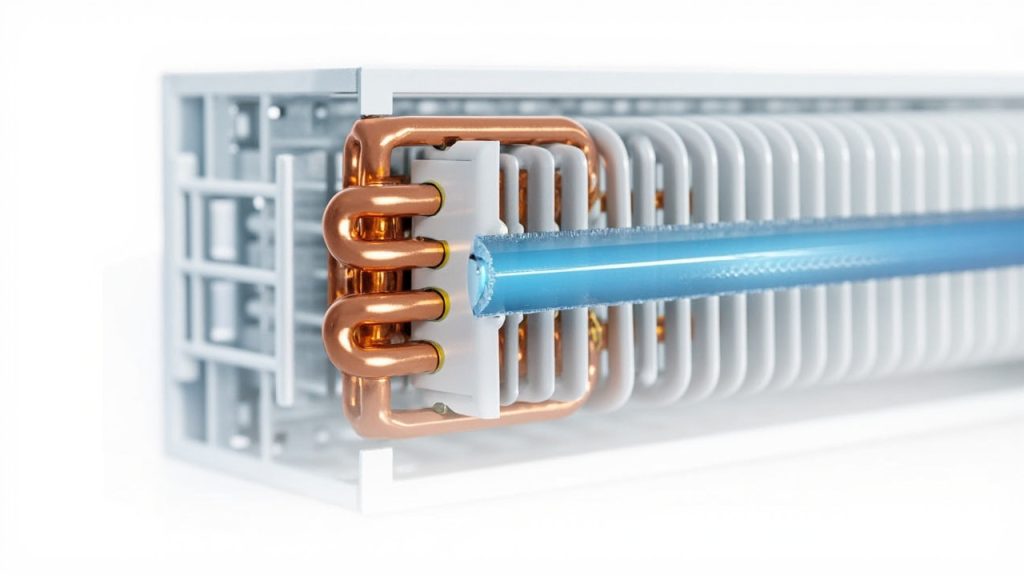
The primary job of your evaporator coil is to absorb heat from your indoor air. Refrigerant flows through these copper or aluminum tubes at a very low temperature. As your indoor fan blows warm air over the cold coil, the refrigerant picks up that heat and carries it outside. If the refrigerant level is low because of a leak, there is not enough fluid to absorb the heat effectively. You will notice that the air coming out of your vents is not cold enough to lower the room temperature. You can check this by placing a thermometer at the supply vent. In a healthy system, the air should be about 15 to 20 degrees cooler than the air entering the return vent. If the difference is only 5 degrees, you have a leak. Residents dealing with salt air damage to their outdoor units often find that the indoor coil is also suffering from corrosion that leads to these leaks. The air in Miami Shores carries high levels of chloride from the ocean which eats away at the metal joints of the coil over time. This makes regular AC repair and diagnostic services essential for coastal properties.
Hissing and Bubbling Noises Near the Air Handler
Refrigerant is a high-pressure substance. When a small hole or crack develops in the evaporator coil, the gas escapes with a distinct sound. A tiny pinhole leak often produces a persistent hissing noise. You might hear this clearly if you stand near your indoor air handler located in your closet or utility room. If the leak is larger or if there is liquid refrigerant escaping along with the gas, you might hear a bubbling sound. These sounds indicate that the leak is significant. Do not ignore these noises. A system running with low pressure will eventually cause the compressor to overheat and burn out. While technicians see many types of mechanical failures, audible leaks are a clear sign that immediate professional intervention is necessary. This is especially true in older Miami Shores homes where the air handler is often located in a central hallway closet making the sound easier to detect.
Specific Challenges for Miami Shores Residential Architecture
Miami Shores features a unique mix of architectural styles that affect how we find and fix leaks. Many homes are historic Mediterranean Revival or Miami Modern structures built in the mid-twentieth century. These homes often have very tight utility closets or even small crawlspaces for air handler placement. When a leak occurs in an evaporator coil inside a cramped closet, the gas can accumulate in a small area. In 2026, the current safety standards for A2L refrigerants mean these tight spaces must be handled with care. The proximity to the bay also means that houses on the east side of the village experience faster corrosion rates. The salt spray travels through the air and enters the system through the outdoor condenser, but it also impacts the indoor coil through constant moisture exchange. If your home is near the water, your coil is at a higher risk for microscopic leaks that are difficult to see without electronic tools. You can find more information about these technical requirements at the Air-Conditioning, Heating, and Refrigeration Institute website.
Ice Buildup on the Indoor Evaporator Coil
It seems wrong that a leaking AC would cause ice to form when it is 90 degrees outside in Miami Shores. Yet, this is one of the most common physical signs of a leak. When refrigerant levels drop, the pressure inside the evaporator coil also drops. This causes the temperature of the coil to fall below the freezing point. Any moisture in the air that touches the coil will freeze instantly. Over time, a thick layer of ice wraps around the coil and can even extend down the refrigerant lines toward the outdoor unit. This ice acts as an insulator and prevents the system from cooling your home at all. If you see ice or notice water pooling around your indoor unit, turn the system off immediately. Let the ice melt before the technician arrives so they can inspect the actual coil for damage. This process usually takes several hours in the humid South Florida climate. Running the fan without the cooling mode on can speed up the melting process safely.
Higher Energy Bills and Short Cycling Issues
A refrigerant leak makes your air conditioner extremely inefficient. Because the system cannot reach the temperature set on your thermostat, it will run for much longer cycles. You might notice the compressor outside running for hours without a break. In some cases, the system might cycle on and off rapidly as it hits internal safety limits. This constant operation shows up quickly on your FPL statement. If your monthly bill increases by twenty or thirty percent without a change in the weather, your evaporator coil is likely the culprit. The compressor uses more electricity as it tries to pump a fluid that is no longer at the correct pressure. This extra work generates heat that further degrades the oil inside the system, leading to a mechanical breakdown. Professional AC maintenance plans can help catch these efficiency drops early.
| Condition Level | Estimated Efficiency Loss | Impact on System Components |
|---|---|---|
| Minor Leak 5 to 10 percent loss | 12 percent | Increased wear on fan motors and capacitors |
| Moderate Leak 15 to 20 percent loss | 25 percent | High discharge temperatures in the compressor housing |
| Severe Leak Over 30 percent loss | 45 percent | Total compressor seizure and electrical system failure |
The table above shows how even a small leak can change the cost of cooling a home in South Florida. Maintaining proper charge levels is essential for keeping operational costs manageable in the current 2026 economic environment.
Safety Protocols for A2L Refrigerants in 2026
In 2026, the HVAC industry uses R-454B and R-32 as the primary refrigerants for new residential systems. These are classified as A2L, which means they have lower toxicity and lower flammability. Because of this slight flammability, the safety protocols for fixing a leak have changed. Modern coils now include integrated leak detection sensors that are hardwired into the control board. If a leak is detected, the sensor will shut down the compressor and turn on the indoor blower to dilute the refrigerant concentration. This is a critical safety feature for Miami Shores homes with air handlers in confined spaces. When a technician repairs a leak on these systems, they must use spark-proof vacuum pumps and recovery machines. They also use specialized nitrogen purging techniques to ensure no oxygen is present in the lines when brazing. These 2026 standards ensure that your home remains safe while your system returns to peak performance.
Manufacturer Specific Coil Differences
Manufacturers like Carrier, Trane, and Daikin have updated their coil designs in 2026 to handle the higher pressures and safety requirements of A2L refrigerants. Many of these coils now feature proprietary coatings like V-Coil or Spine Fin technology. These designs use aluminum instead of traditional copper to reduce the risk of formicary corrosion. Aluminum is much more resistant to the chemical reactions caused by indoor pollutants and salt air. If you have an older system with a copper coil, the leak is likely due to these microscopic pinholes. When replacing a coil in 2026, we always recommend moving to an all-aluminum design that matches the specific pressure requirements of your outdoor unit. A mismatch between the coil and the condenser can lead to poor oil return and premature compressor failure. Technicians follow strict guidelines set by the EPA Section 608 to ensure all repairs are environmentally sound.
Understanding Formicary Corrosion in South Florida
Miami Shores homes are susceptible to a specific type of damage called formicary corrosion. This occurs when copper coils react with volatile organic compounds in the indoor air and the salt air from the ocean. It creates thousands of microscopic pinhole leaks that are often too small to see with the naked eye. These leaks are notoriously difficult to patch. Often, the only permanent solution is to replace the entire evaporator coil with a newer aluminum version. If you are looking for an installation team to upgrade your system, ensure they use materials designed for coastal environments. The high concentration of chloride in the air near the bay makes this corrosion move faster than it would in inland areas like West Miami or Hialeah. Proper filtration and air purification can sometimes slow this process, but the salt air remains a constant threat.
Common Signs Checklist
- Air coming from vents feels the same temperature as the room air
- A persistent hissing or whistling sound coming from the AC closet
- Thermostat is set to 72 degrees but the room stays at 78 degrees
- Visible ice forming on the copper lines or the indoor coil surface
- Water leaking from the air handler base or overflowing the drain pan
- Unexpectedly high electric bills during months with normal weather
- Musty or chemical smells when the blower fan starts running
Professional Leak Detection Methods
Finding a leak in an evaporator coil requires specialized tools. Technicians no longer rely on simple visual inspections. Because leaks can be hidden behind the fins of the coil or inside the cabinet, we use several advanced methods to pinpoint the exact location. This is important for homes near the water where the leak could be anywhere in the line set. Using the right method ensures the repair is permanent and prevents you from paying for a recharge that will just leak out again in a week.
| Detection Method | Accuracy Level | Typical Timeframe for Results |
|---|---|---|
| Electronic Sniffer | High | 15 to 30 minutes in the home |
| UV Dye Injection | Very High | 2 to 4 days of system operation |
| Nitrogen Isolation | Extremely High | 2 to 24 hours of pressure monitoring |
| Bubble Solution | High Manual | 20 to 45 minutes of close inspection |
Deciding Between Coil Repair and Unit Replacement
Once a leak is found in your Miami Shores home, you must decide whether to fix the coil or replace the unit. If your system is less than five years old, replacing the coil under warranty is usually the best path. But for older systems, the cost of labor and the price of modern refrigerants might make a full replacement more logical. In 2026, many homeowners are choosing to upgrade to high-efficiency variable-speed systems. These systems handle the South Florida humidity better than older single-stage models. They also come with better factory coatings on the coils to prevent the corrosion mentioned earlier. A new system also ensures compliance with current environmental regulations and provides a fresh warranty for all components.
Safe Handling of Modern Fluids
Safety is the most important factor when dealing with a refrigerant leak. Newer A2L refrigerants like R-454B are the standard in 2026. These require technicians to use specific recovery equipment. Never attempt to add refrigerant to your own system. It is illegal under federal law to vent these gases into the atmosphere and doing so can result in heavy fines. Furthermore, an overcharged system is just as dangerous as an undercharged one. It can cause liquid refrigerant to enter the compressor, which will destroy the engine immediately. Always trust a professional who understands the specific pressures and properties of these modern fluids. They will ensure the system is vacuumed to 500 microns to remove all moisture before adding the precise weight of refrigerant required by the manufacturer.
The Role of Humidity Control in Leak Detection
In Miami Shores, your AC is also your primary dehumidifier. If your evaporator coil is leaking, it cannot effectively remove moisture from the air. You might notice a musty smell or see condensation forming on your windows and air vents. This high humidity can lead to mold growth in your drywall and furniture. If your home feels sticky despite the AC running, check for a refrigerant leak immediately. High indoor humidity is often the first warning sign before the temperature even begins to rise. Keeping your system in peak condition is the only way to protect your home from the aggressive South Florida climate. If you suspect your system is losing its cooling power, contact a local expert to perform a comprehensive leak search and pressure test today. Addressing a small leak now prevents the need for a major system overhaul during the hottest months of the year.
Request a Professional Leak Detection Test Today
Stop the heat and save your AC system from total failure. Our Miami Shores technicians use the latest 2026 electronic sniffing technology to find and fix leaks fast.
Technical expertise is the only way to ensure your comfort in the 2026 climate. We serve neighborhoods from the Shores Country Club to the bayfront properties east of 6th Avenue. Our team understands the specific pressures and requirements of modern A2L refrigerants. We provide detailed reports on your coil condition and efficiency levels. Trust the local experts who know how to protect your home from salt-air corrosion and high-humidity damage. A properly charged system uses less energy and lasts longer, providing you with peace of mind throughout the long South Florida summer.