
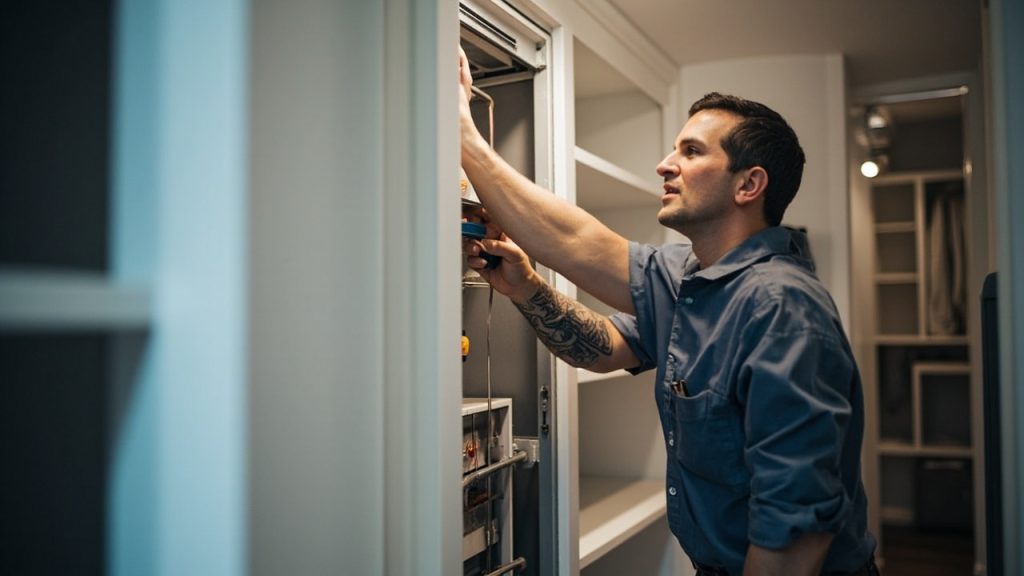
Replacing a Vertical Stack AC Unit in Your Brickell High-Rise (What Every Owner Should Know)
Living in a high-rise along Brickell Avenue offers stunning views of Biscayne Bay and immediate access to Mary Brickell Village. These luxury buildings use specialized HVAC systems called vertical stack units. Unlike the split systems found in suburban homes, these units hide behind your walls. They are compact, vertically oriented, and integrated into the building plumbing. Replacing one of these systems in 2026 requires specialized knowledge of high-rise engineering and City of Miami building codes. If your condo is not staying cool or you notice moisture near your mechanical closet, you need to understand the technical landscape of high-rise cooling.
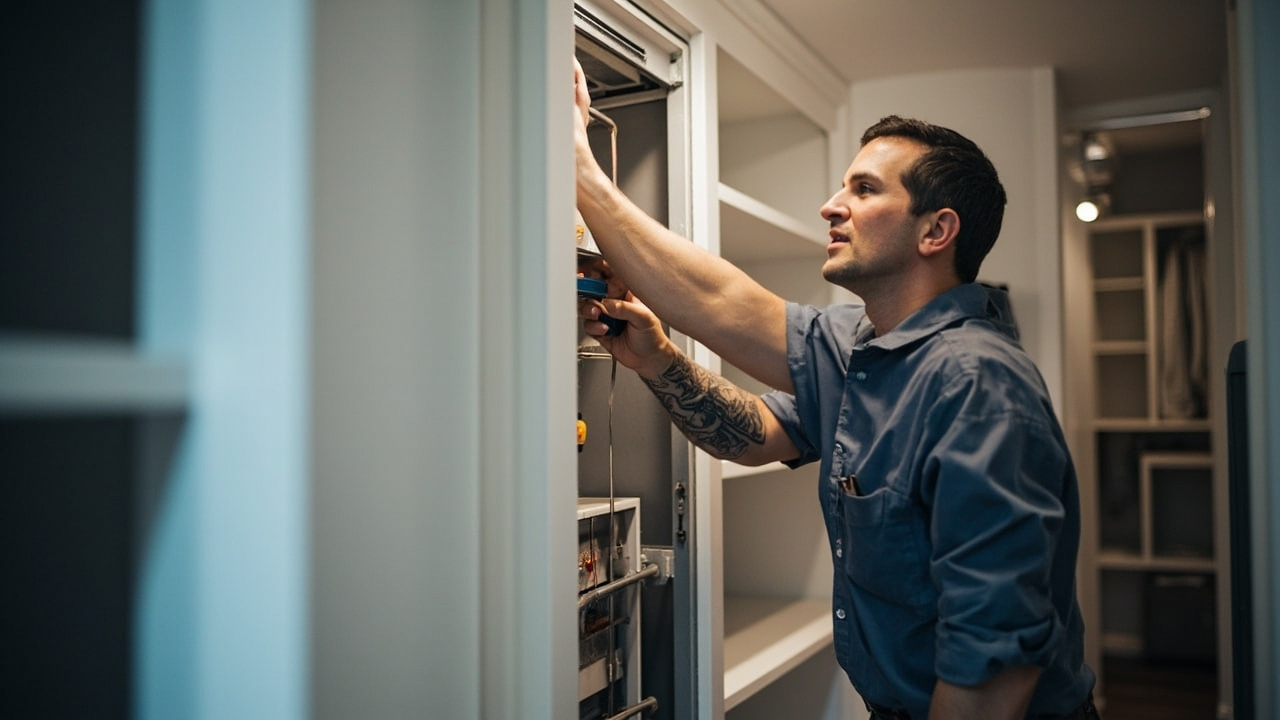
The Unique Engineering of Brickell Vertical Stack Systems
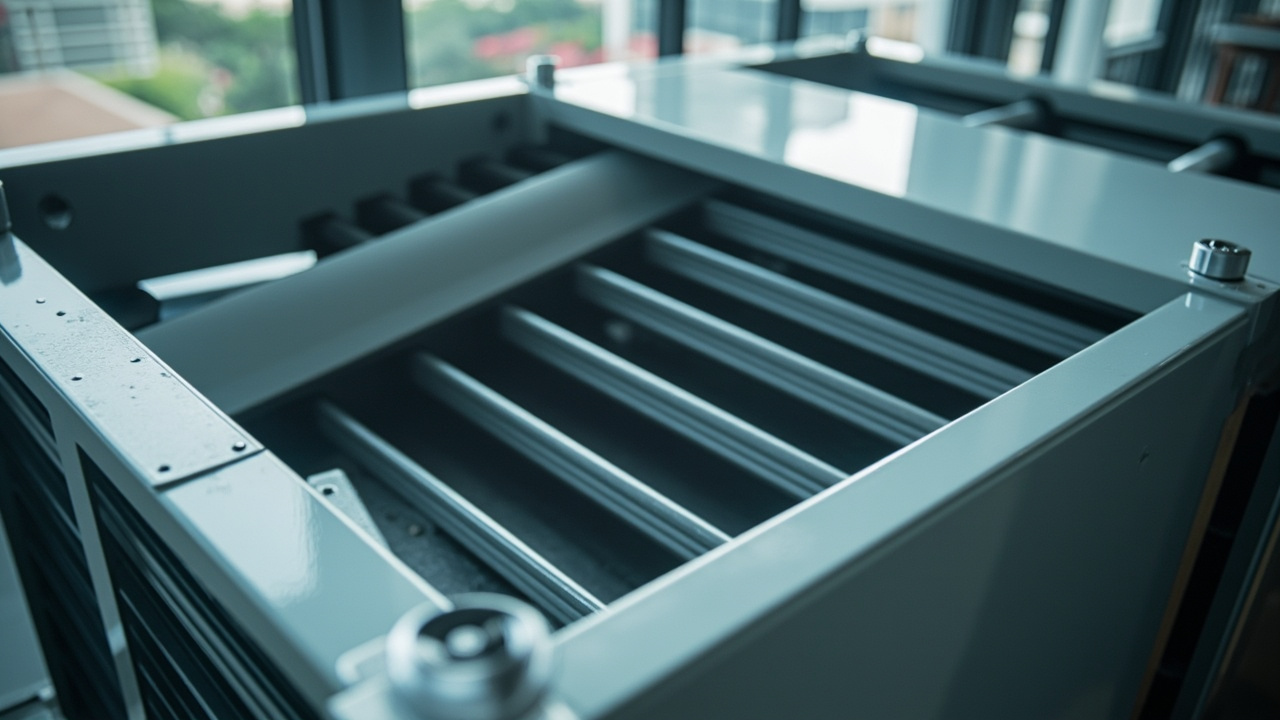
Vertical stack units are the standard for dense residential towers like Icon Brickell or SLS Lux. These systems use a single cabinet that contains the blower, coils, and often the compressor. The cabinet connects directly to the building risers. These risers carry water throughout the entire tower to remove heat. There are two main types of vertical stack systems used in Miami condos today. These include water-source heat pumps and chilled water fan coil units. Knowing which one your building uses is the first step in a successful replacement. A water-source heat pump uses a refrigerant cycle to move heat into a water loop. A chilled water system uses cold water provided by a central building chiller to cool the air. Each system requires specific replacement components that must match the original engineering specifications of the building. You can learn more about specialized AC maintenance needs for Brickell condo owners in high rise buildings to keep these complex systems running longer.
Determining if Your Unit Uses Chilled Water or a Water Source Heat Pump
Identifying your system type helps determine the complexity of the replacement. Chilled water units are generally simpler because they do not contain a compressor. They rely on a hydronic coil and a fan. Water-source heat pumps are more complex because they have a full refrigeration circuit inside the closet. Most buildings in the Brickell corridor built after 2026 use high-efficiency water-source heat pumps to meet modern energy standards. These units are often furred-in behind drywall. This means a technician must carefully remove the architectural paneling or drywall to access the chassis. The riser pipes stay in place while the internal mechanical slide-out or the entire cabinet gets replaced. This process is much more technical than finding a reliable AC installation team for your home in Coral Gables where standard split systems are common. The table below outlines the primary differences you will encounter during a 2026 replacement project.
| Feature | Water-Source Heat Pump | Chilled Water Fan Coil |
|---|---|---|
| Internal Compressor | Yes | No |
| Noise Level | Moderate | Very Low |
| Primary Energy Source | Electricity and Loop Water | Building Chilled Water |
| Replacement Complexity | High | Moderate |
| Standard Lifespan in Miami | 12 to 15 Years | 15 to 20 Years |
Common Brands Found in Miami High Rises
Several manufacturers specialize in the vertical stack market. In Brickell, you will most likely find units from Whalen, Temspec, or Omega. These brands build units that fit into very tight spaces. The Whalen Company is known for its integrated riser design which is common in older towers along South Bayshore Drive. Temspec and Omega units are frequently found in newer luxury developments. These manufacturers updated their designs for 2026 to include variable speed blower motors and enhanced internal insulation. These updates help reduce the sound of the unit which is important in small condo floor plans. When we source a replacement, we must ensure the new chassis matches the existing riser connections exactly. A mismatch of even an inch can lead to significant plumbing issues or the need for expensive pipe modifications. You should always verify that your replacement unit meets the current standards set by the Air-Conditioning, Heating, and Refrigeration Institute.
Signs Your Vertical Stack Unit Is Failing
The first sign of trouble in a high-rise unit is usually a spike in humidity. Miami air is naturally heavy with moisture. Your AC unit serves as a primary dehumidifier. If your floor feels sticky or you see spotting on your supply vents, your unit is no longer removing moisture effectively. Another common issue is a clogged condensate drain. In vertical stacks, the condensate line often ties into a common building riser. If this line backups, it can cause water damage to your unit and the condo below you. If you hear a loud grinding or metallic sound from behind the wall, your compressor or blower motor may be nearing the end of its life. Knowing what to do when your AC fails in the middle of a Miami heatwave is critical for protecting your home from mold growth.
The Logistics of High Rise AC Replacement in Miami
Replacing a unit in a building like the Reach or Rise at Brickell City Centre involves logistics that suburban contractors never face. You must coordinate with building management months or weeks in advance. Most Brickell associations require a Certificate of Insurance that meets specific million-dollar limits. We also must book the freight elevator. High-rise buildings do not allow contractors to use passenger elevators or carry large equipment through the lobby. Parking on Brickell Avenue is also a major challenge. A professional team will have a plan for vehicle staging and debris removal. We must also consider the fire dampers. Vertical stack units pass through fire-rated floors. When we replace a unit, we must inspect and certify that the fire damper is functioning to keep the building safe and compliant with 2026 fire codes.
Why Drywall and Carpentry Are Part of the Process
Most vertical stack units are furred-in. This means the building developer built a wall around the unit and only left a small access panel for filters. During a full replacement, the existing opening is often too small to remove the old cabinet. We often have to perform minor surgical demolition of the drywall. A quality installation includes protecting your furniture and flooring from dust. Once the new high-efficiency unit is in place, we coordinate the restoration of the wall. This is why high-rise AC replacement costs more than standard residential work. It involves multiple trades including HVAC technicians, plumbers, and sometimes carpenters. Every step must be precise to ensure the new unit remains quiet and accessible for future maintenance. You can check the American Society of Heating, Refrigerating and Air-Conditioning Engineers guidelines for modern indoor air quality standards in high-density buildings.
Technical Requirements for 2026 Replacements
The energy codes in 2026 are stricter than in previous years. Every new vertical stack installation must meet updated SEER2 and EER2 ratings. This often means the new units are slightly larger or have more complex electronic controls. We also focus on the thermostat interface. Many Brickell condos use smart home systems like Crestron or Savant. The new AC unit must talk to these systems correctly. We use specialized interface boards to ensure your phone can still control your climate. Additionally, we must ensure the water flow rates match the building’s pumping capacity. If a new unit draws too much water or not enough, it can disrupt the balance of the entire floor.
Replacement Process Timeline
The timeline for a Brickell AC replacement is longer than a standard house. You cannot simply pick up these units at a local warehouse. They are custom-built to match the building’s riser configuration. Below is the typical timeline you can expect when working with a specialist in the Miami area.
| Phase | Description | Typical Duration |
|---|---|---|
| Site Survey | Measuring risers and electrical capacity | 1 Day |
| Manufacturing | Custom building the unit at the factory | 4 to 8 Weeks |
| Permitting | City of Miami Building Department approval | 2 to 3 Weeks |
| Installation | Removing old unit and installing new one | 1 to 2 Days |
| Wall Restoration | Drywall repair and painting | 1 Day |
Maintaining Your New Vertical Stack System
Once your new unit is installed, maintenance is the only way to protect your investment. The salty air near the Miami River and the bay can still affect internal components through the fresh air intake systems. You must change your filters every thirty days. High-rise units pull air from a small area, so filters get dirty quickly. We also recommend an annual flush of the condensate line and an inspection of the water valves. Leaking valves are a leading cause of property damage in Brickell. Catching a small drip early can save you from a massive insurance claim. Our team has 15 years of experience specifically in the high-rise corridors of Miami and Downtown. We understand the pressure of building management and the technical needs of these specific machines. Unlike the most trusted AC repair technicians serving Doral and Sweetwater who deal mostly with split systems and rooftops, our focus remains on the complex vertical systems of the city center.
- Schedule a professional inspection if your unit is over 12 years old.
- Ensure your contractor has experience with Whalen and Temspec units.
- Verify that the replacement unit meets 2026 SEER2 efficiency standards.
- Coordinate with your HOA regarding freight elevator access and insurance.
- Plan for a brief period of drywall work if your unit is furred-in.
If you are ready to upgrade the comfort of your Brickell condo, start by identifying your current system. Look at the data plate inside your mechanical closet or ask your building engineer for the specifications. A proactive replacement is always better than an emergency failure during a Miami summer. The transition to a modern, high-efficiency vertical stack unit will lower your electric bills and provide much better humidity control. Contact a specialist who knows the local towers and the specific requirements of high-rise living in 2026.