
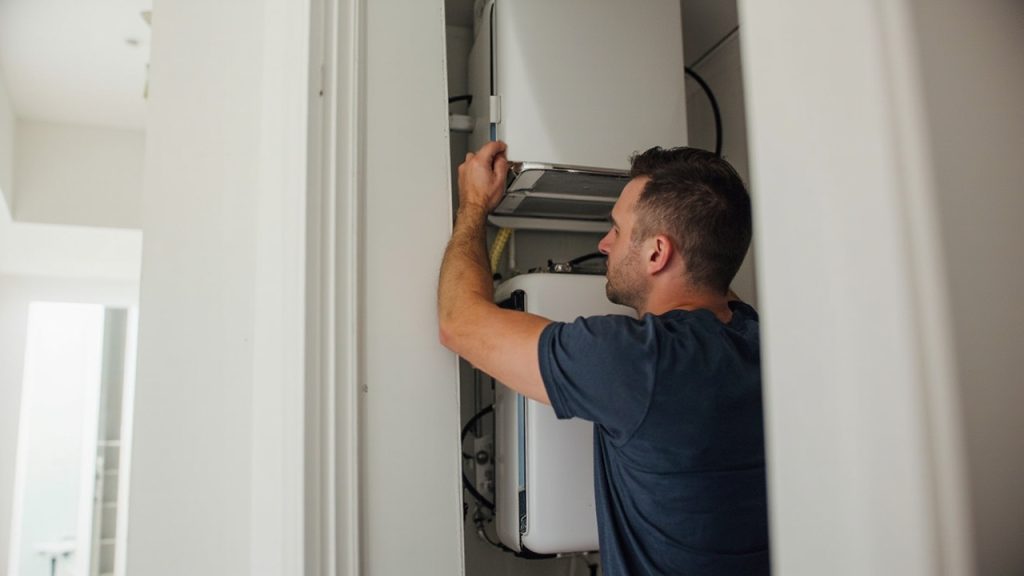
Whole House Dehumidifier Installation in Miami Florida
Miami residents face unique challenges when managing indoor comfort during the current 2026 humidity season. The average daily relative humidity in South Florida often exceeds 70 percent. This moisture level creates a heavy atmosphere that standard air conditioners struggle to handle alone. While your cooling system does remove some water, its primary job involves dropping the temperature. Relying solely on an AC unit to manage moisture often leads to high energy bills and premature system wear. Professional whole house dehumidifier installation in Miami provides a more efficient and permanent solution for homeowners in neighborhoods from Coral Gables to Pinecrest.
Living in South Miami means dealing with tropical moisture that never truly disappears. In 2026, modern home construction methods have become more airtight. While this helps with insulation, it traps moisture inside. This trapped water vapor fuels the growth of allergens and impacts the structural integrity of your property. If you notice a damp feeling on your skin or a musty odor in your living room, you are likely dealing with humidity issues indoors that require professional intervention. Addressing these problems now prevents more expensive repairs down the road.
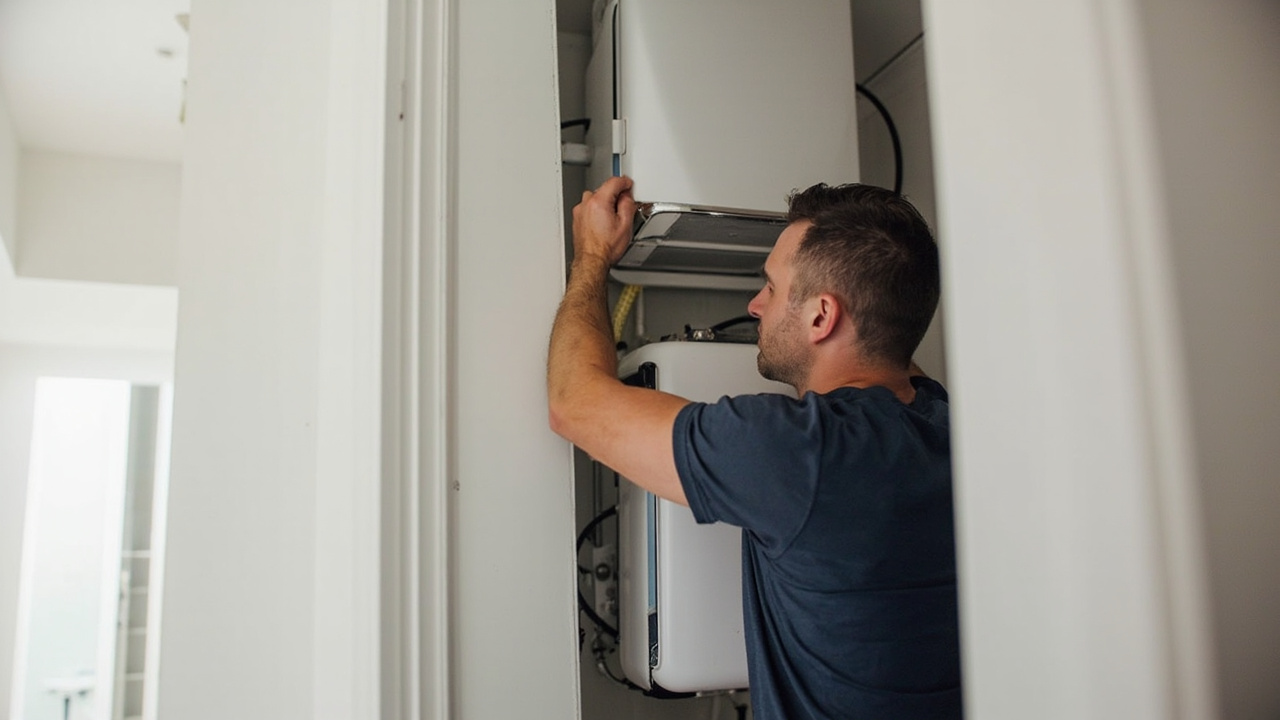
The Economic Benefits of Dedicated Humidity Control in 2026
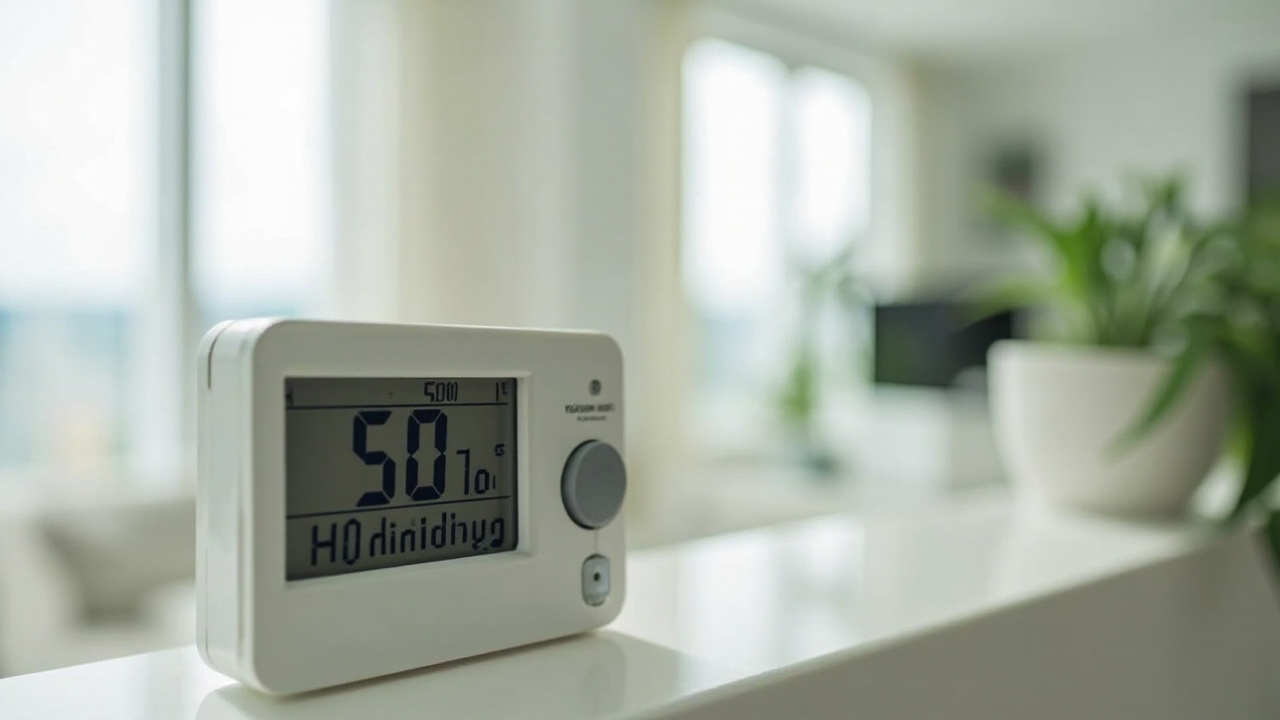
Many homeowners believe that a whole house dehumidifier is an unnecessary luxury. However, the data for 2026 shows that these systems pay for themselves through reduced cooling costs. When the air is dry, you feel cooler at higher temperatures. This allows you to set your thermostat several degrees higher without sacrificing comfort. A higher thermostat setting reduces the workload on your compressor, which helps prevent compressor failure repair needs later in the year. According to standards established by ASHRAE, maintaining indoor relative humidity between 45 percent and 55 percent is ideal for both health and building preservation.
The synergy between your AC and a dedicated dehumidifier is significant. The dehumidifier handles the latent heat (moisture) while the AC handles the sensible heat (temperature). This specialization improves the overall efficiency of your home. Residents in areas like Palmetto Bay and Cutler Bay often report a noticeable drop in their monthly Florida Power and Light statements after integrating these systems. The following table compares the performance of standalone units versus whole-home integrated solutions for the typical 2026 Miami residence.
| Feature | Portable Dehumidifiers | Whole House Systems |
|---|---|---|
| Daily Water Removal | 20 to 50 pints | 70 to 150 pints |
| Drainage Method | Manual bucket emptying | Automatic condensate pump |
| Noise Level | High in living areas | Low (located in mechanical room) |
| Coverage Area | Single room only | Entire home and ductwork |
| Energy Star Rating | Variable 2026 models | High efficiency 2026 certified |
Why Standard Air Conditioners Fall Short in South Miami
The climate in South Florida often requires the AC to run for short bursts to reach the target temperature. This is known as short cycling. While the temperature might drop quickly, the air remains saturated because the cooling coils did not stay cold long enough to pull significant water from the air. This leaves you with a cold but clammy environment. Modern whole house dehumidifiers operate independently of the cooling cycle. They monitor the air continuously and activate only when the moisture level rises, regardless of what the thermostat says about the temperature.
In neighborhoods like Coral Gables, where historic homes often have unique layouts, moisture can become trapped in specific wings of the house. An integrated system pulls air from the entire return duct network, treats it, and redistributes dry air evenly. This process is far more effective than trying to manage a large home with small plug-in units that only treat a few hundred square feet. Furthermore, drier air feels less restrictive, making it easier for your family to breathe, especially those suffering from respiratory conditions.
Technical Integration and Installation Methods
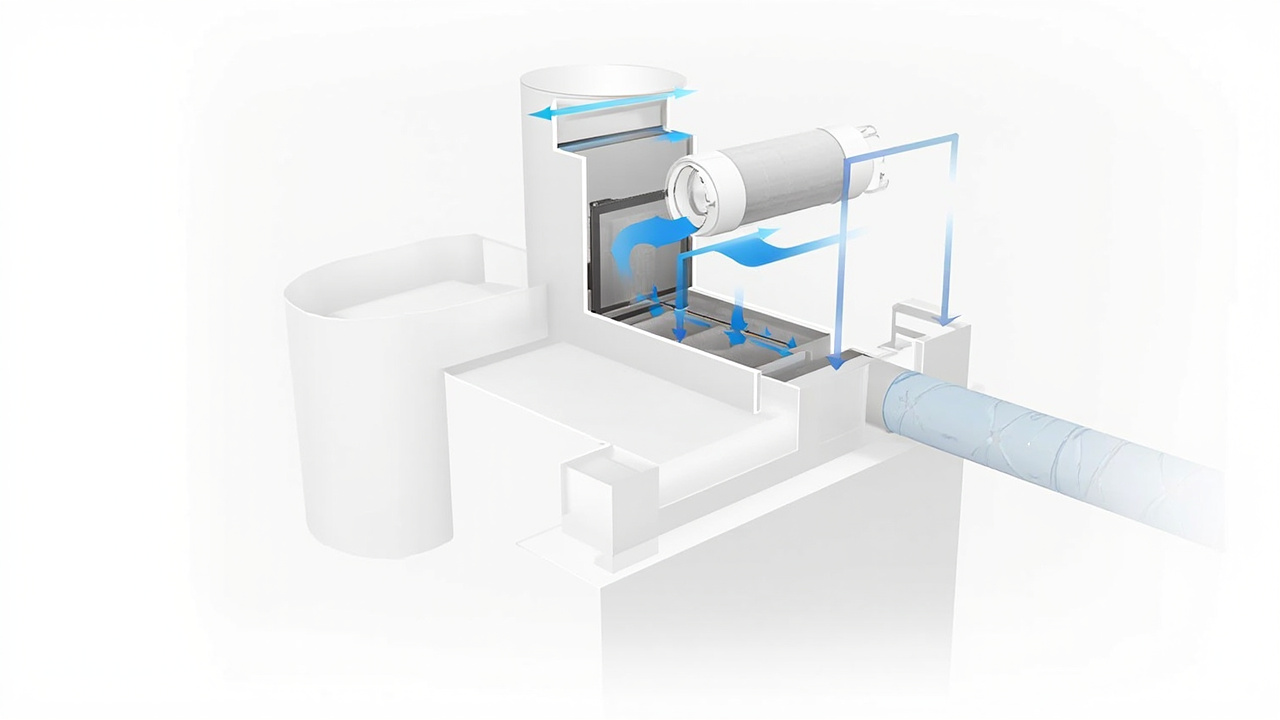
Professional installers use several methods to integrate a dehumidifier into your existing HVAC setup. The most common approach in 2026 is the return-to-return configuration. In this setup, the dehumidifier pulls air from the main return duct, removes the water, and then vents the dry air back into the supply plenum. This ensures that every room served by your vents receives the benefit of lower humidity. For homes with specific space constraints in Doral or Sweetwater, we sometimes utilize a bypass installation that works alongside the air handler.
Managing the water removed from the air is a critical part of the installation process. In a high-humidity environment like Miami, a unit can pull over 100 pints of water per day from your home. We install a dedicated condensate pump or gravity drain line to ensure this water exits the home safely. Without a professional drain setup, you risk water damage to your attic or utility closet. Our 2026 installation standards also include the use of secondary drain pans and overflow switches to protect your property from any potential leaks.
Impact on Indoor Air Quality and Health
High humidity is the primary catalyst for mold growth and dust mite infestations in South Florida. When your indoor moisture levels stay above 60 percent, mold spores can activate on drywall, carpeting, and even inside your ductwork. This often leads to excess dust in home environments as organic materials break down and biological particulates circulate. By installing a whole house dehumidifier, you create a desert-like environment for these pests, effectively stopping their reproduction cycle.
We often recommend pairing moisture control with air purification systems for the ultimate indoor air quality strategy. Modern 2026 systems often include MERV 11 or MERV 13 filtration, which captures fine particulates while the dehumidifier manages the moisture. This combination is particularly effective for residents in Miami Beach and North Miami Beach, where salt spray and high outdoor humidity often combine to challenge indoor air purity.
- Elimination of musty odors in closets and laundry rooms
- Protection of wood flooring and fine furniture from warping
- Reduction in skin irritation and improved sleep quality
- Prevention of corrosion on electronic components and appliances
- Lower risk of mold growth inside the air handler and ductwork
- Improved efficiency of high-efficiency MERV filters
Energy Efficiency Ratings and Local Regulations
In 2026, the Florida Building Code has strict requirements for mechanical ventilation and indoor air quality. All new installations must meet specific energy performance benchmarks. When choosing a system, we look at the liters per kilowatt-hour rating. This tells you exactly how much moisture the unit removes for every dollar spent on electricity. We prioritize brands that have earned the latest Energy Star certifications for 2026, ensuring that your home remains green while staying dry.
For homeowners in Miami Lakes or Miami Gardens, upgrading to a modern system can also increase the resale value of the property. Buyers in the 2026 market are increasingly savvy about indoor air quality. A home with a documented, professional humidity control system stands out as a well-maintained and healthy environment. It shows that the owner has taken proactive steps to prevent common South Florida issues like drywall rot or cabinet delamination caused by moisture.
| Maintenance Task | Frequency | Purpose |
|---|---|---|
| Filter Inspection | Every 6 months | Maintain airflow and protect internal coils |
| Drain Line Flush | Annually | Prevent algae growth and water backups |
| Refrigerant Check | Annually | Ensure peak moisture removal capacity |
| Electrical Connection Tightening | Annually | Prevent component failure from vibration |
| Hygrometer Calibration | Every 2 years | Ensure accurate humidity readings |
Neighborhood Specific Considerations for South Miami Residents
The geography of Miami dictates different humidity challenges. If you live in Homestead, your home might be surrounded by agricultural land that retains significant ground moisture. This leads to higher evening humidity levels compared to the urban heat island of North Miami. Coastal properties in Sunny Isles Beach or Aventura must also contend with the corrosive nature of salt air, which can degrade inferior components quickly.
Our team understands the specific architectural nuances of these areas. Whether you have a modern high-rise condo in Brickell or a sprawling ranch-style home in Hialeah or Hialeah Gardens, we customize the installation to match your structural needs. We often find that homes in Cutler Bay benefit significantly from these systems due to their proximity to the water and the tendency for older ductwork to struggle with modern moisture loads.
Common Questions About Professional Dehumidifier Costs
The cost of a whole house dehumidifier installation in Miami varies based on several technical factors. The square footage of your home is the primary driver, as it determines the pint-capacity of the unit required. A 2000 square foot home typically requires a 70 to 90-pint unit, while larger estates in Pinecrest may need a 120 or 150-pint model. The complexity of your existing ductwork also plays a role. If your ducts are easily accessible in a garage or large utility closet, the labor cost remains lower.
We also consider the need for additional electrical circuits. These units require their own power supply to operate safely and efficiently. While the initial investment is higher than a portable unit, the long-term savings on your air conditioning installation lifespan are substantial. By removing the moisture load from your AC, you extend the life of your most expensive appliance by several years. This prevents the need for early repair vs replace decisions that can strain your household budget.
Taking the Next Step Toward a Dry Home
If you are tired of the sticky feeling in your bedroom or the smell of mildew in your guest room, it is time to look at professional solutions. Our 15 years of experience in the Miami market allows us to identify the exact moisture entry points in your home. We do not just sell equipment, we provide a comprehensive moisture management plan. This includes checking for emergency ductwork repair needs that might be pulling humid attic air into your living space.
Protecting your home and your family’s health should be a priority in 2026. With FPL rates and the cost of living in South Miami, efficiency is more important than ever. A whole house dehumidifier is a strategic investment that pays dividends in comfort and savings every single day. Contact a local expert who understands the unique climate of Miami to schedule a site evaluation and see how a dedicated system can transform your indoor environment into a true oasis from the South Florida heat.
We are here to help you navigate the technical choices of 2026 HVAC technology. From smart thermostat installation that monitors humidity to advanced indoor air quality solutions, our goal is your total comfort. Do not let another humid Miami summer impact your quality of life when a cost-effective and reliable solution is just a phone call away.