


Homestead sits at the edge of the Everglades where humidity never quits. Your AC doesn't get a break. Summer temperatures stay in the 90s with humidity pushing 85 percent. Salt air from Biscayne Bay corrodes outdoor units. Afternoon thunderstorms flood condensate lines. Your system runs 10 months a year, triple the workload of northern units.
The coral rock and limestone foundation common in neighborhoods like Redland and Florida City affects drain line installation. Poor drainage leads to standing water and system shutdowns. Hurricane season brings power surges that fry circuit boards and compressors. Homes near the agricultural areas face extra dust and debris that clogs filters and coils weekly.
Your central air system works harder in Homestead than almost anywhere in America. Most units are undersized for the heat load. Builders install minimum-efficiency systems to save money. Within five years, compressors fail, coils leak, and ductwork separates. Regular breakdowns aren't bad luck. They're predictable consequences of operating in one of the most demanding climates in the country. You need technicians who understand these challenges and stock parts for common failures.
Most HVAC companies say they offer emergency service. Then you wait eight hours for a callback. Crestline HVAC Miami runs differently. We answer calls from Homestead residents within minutes and dispatch technicians the same day. Our service vans stock parts for the most common failures in South Florida systems. We fix 80 percent of breakdowns on the first visit without ordering parts or scheduling follow-ups.
We focus exclusively on residential HVAC in Miami-Dade County. That specialization matters. Our technicians see the same system failures every day. They know which compressor models fail in Homestead's heat. They recognize salt corrosion patterns on coastal units. They understand how agricultural dust affects systems near the Redland farmlands. This isn't theoretical knowledge from a training manual. It's hands-on experience fixing hundreds of Homestead systems every year.
You get upfront pricing before work starts. No hidden fees. No surprise charges for after-hours service. We quote the repair cost, you approve it, and we complete the work. If we can't fix your system the same day, we'll bring portable AC units to keep your home livable while we order parts. Many Homestead homeowners have elderly family members or young children who can't handle the heat. We take that responsibility seriously.
Our trucks carry diagnostic equipment that pinpoints failures in minutes. We don't guess. We don't replace parts hoping to solve the problem. We test electrical components, measure refrigerant pressures, and inspect ductwork systematically. You get an honest diagnosis and repair that fixes the actual problem, not a bandaid that fails next month.

We dispatch technicians to Homestead homes within hours of your call, not days. Our service vans stay stocked with common replacement parts so most repairs finish the same day. When your AC fails in Florida heat, waiting isn't an option. We respond fast because we understand the urgency of a broken air conditioner in this climate.

Our technicians specialize in problems unique to Homestead's brutal heat and humidity. We see salt corrosion, hurricane damage, and chronic condensate failures daily. This isn't textbook training. It's real experience with the specific ways South Florida destroys HVAC systems. We fix them faster because we've diagnosed these exact problems hundreds of times.
You approve the total repair cost before work starts. No surprises. No hidden fees for emergency service or after-hours calls. We quote the complete price, you say yes or no, and we proceed. Many companies add mysterious charges after the work is done. We eliminate that stress with transparent pricing you approve in advance.
We serve Homestead and surrounding Miami-Dade communities exclusively. That local focus means faster response times and deeper knowledge of regional HVAC challenges. We're not spreading thin across three counties. We concentrate our resources and expertise where you live, building relationships with the families and neighborhoods we serve every day.
Homestead homes need more than emergency repairs. Your air conditioning system requires regular maintenance, efficiency upgrades, and eventual replacement as units age out in Florida's demanding climate. Crestline HVAC Miami handles everything from routine service to complete system installations.
Emergency breakdowns get immediate attention, but preventive maintenance stops most failures before they happen. Seasonal tune-ups catch refrigerant leaks, clean corroded coils, and replace worn contactors before they leave you without cooling. Older systems need efficiency upgrades to handle rising electricity costs. When repair costs exceed replacement value, we guide you through new system selection and installation.
We separate our services into three categories based on what Homestead homeowners actually need. Emergency repairs get you back online fast. Maintenance and tune-ups prevent breakdowns during the hottest months. System replacement and installation give you modern, efficient cooling when repairs no longer make financial sense. Each service category addresses a different stage in your HVAC system's life cycle. You might need emergency repair today and system replacement next year. We handle both with the same expertise and transparent pricing.
Your air conditioner quit in the middle of summer heat. We dispatch technicians fast with diagnostic equipment and common replacement parts. Most repairs finish the same day. We fix compressor failures, refrigerant leaks, electrical problems, and blower motor failures on the spot. You get honest diagnosis and upfront pricing before work starts. If your system is beyond repair, we tell you straight instead of wasting money on temporary fixes that fail next week.
Seasonal maintenance catches small problems before they become expensive failures. We clean coils caked with salt and dust, check refrigerant levels, test electrical components, and inspect ductwork for leaks. Regular tune-ups extend system life and reduce monthly electricity bills by keeping your unit running efficiently. Most Homestead breakdowns happen during the hottest weeks when your AC works hardest. Maintenance appointments scheduled before summer reduce emergency repair calls by catching worn parts early.
Older systems eventually cost more to repair than replace. We help you choose the right size and efficiency for your home without overselling capacity you don't need. Installation includes proper load calculations, ductwork inspection, and permit coordination. New systems come with manufacturer warranties and dramatically lower electricity bills. We handle everything from equipment selection to final inspection, ensuring your new air conditioner is sized correctly for Homestead's climate and your home's cooling needs.
Homestead's location creates specific HVAC challenges most northern cities never see. The combination of extreme heat, constant humidity, salt air, and year-round operation destroys components faster than anywhere else in Florida. Add seasonal hurricanes and agricultural dust from nearby farms, and your air conditioner faces punishment few systems can handle.
These aren't rare problems. They're predictable failures we see in Homestead homes every single day. Knowing what typically goes wrong helps you recognize early warning signs before complete system failure leaves you sweating in 95-degree heat. Most breakdowns give advance warning through strange noises, weak airflow, or higher electricity bills. Catching problems early saves money and prevents emergency service calls during the hottest afternoons when your family needs cooling most.
Your compressor runs 10 months a year in Homestead's heat, triple the workload of northern units. Compressors fail from overheating when airflow is restricted or refrigerant runs low. Warning signs include hard starting, loud grinding noises, or the outdoor unit cycling on and off rapidly. Compressor replacement is expensive, but catching problems early through maintenance often prevents total failure.
Salt air from Biscayne Bay corrodes outdoor coil fins and refrigerant lines. Tiny leaks develop slowly, reducing cooling capacity over months. Your system runs constantly but never reaches the thermostat setting. Ice builds on indoor coils as refrigerant pressure drops. Refrigerant leaks require finding the leak point, repairing it, and recharging the system. Simple top-offs without fixing leaks waste money and fail within weeks.
Your AC removes gallons of water from indoor air daily. That water drains through PVC pipes that clog with algae, mold, and mineral deposits. Clogged drains cause water to back up and trigger safety shutoffs. You find water pooling near the air handler or ceiling stains from overflow. Regular drain cleaning prevents shutdowns, but most homeowners skip this maintenance until water damage forces action.
Hurricane season brings power fluctuations that fry circuit boards, contactors, and capacitors. Lightning strikes miles away send surges through power lines. Your system stops working without warning. The outdoor unit hums but doesn't start. These electrical failures require diagnostic testing to find damaged components. Surge protectors help, but they can't stop every spike. Proper electrical protection saves thousands in replacement costs after major storms.
Most HVAC emergencies happen at the worst possible times. You call multiple companies and get voicemail or promises for appointments days away. That doesn't work in Homestead's heat. Crestline HVAC Miami runs emergency service differently. You talk to a real person who assesses your situation and dispatches a technician fast.
We set clear expectations from the first call. You'll know when the technician arrives, what diagnostic process happens, and how pricing works before anyone touches your system. No surprises. No pressure tactics. Just honest service that fixes the problem and gets your home comfortable again. Our goal is solving your cooling emergency and earning your trust for future service needs. That only happens through transparent communication and delivering exactly what we promise.
You call (645) 231-4777 and talk to someone immediately, not voicemail. We ask questions about your symptoms to assess urgency and send the right technician with appropriate parts. Emergency calls get same-day dispatch. You receive a call when the technician is en route with an estimated arrival time. We respect your schedule and communicate clearly throughout the process. No waiting days for callbacks or wondering when help will arrive.
Our technician tests your system systematically to find the actual problem, not guess at solutions. We measure refrigerant pressures, test electrical components, inspect ductwork, and check airflow. You get a clear explanation of what failed and why. We provide upfront pricing for the complete repair. You approve the cost before work begins. No hidden fees appear later. If we find multiple problems, we prioritize repairs and let you decide how to proceed based on your budget.
Most repairs finish the same day because our vans stock common parts. We test the system completely before leaving to ensure proper operation. You get warranty coverage on parts and labor. If something goes wrong with our repair, we come back and fix it at no charge. We clean up our work area and explain what we did in plain language. You'll understand what failed, why it happened, and how to prevent similar problems through maintenance.
Our repair process eliminates confusion and gets your cooling back fast. Three simple steps take you from emergency call to comfortable home.
Call (645) 231-4777 and describe your problem. We assess urgency and dispatch a technician within hours. You get confirmation of arrival time and technician name. Our service vans carry diagnostic tools and common replacement parts for immediate repairs. We ask about your system's age, symptoms, and recent service history to bring appropriate parts. The faster we respond, the sooner your home gets comfortable again.
The technician tests your system to identify the exact failure point. We explain what broke and why in terms you understand. You receive upfront pricing for the complete repair before any work starts. We answer questions about the repair process, timeline, and warranty coverage. You approve the work or decline. No pressure. If repair costs approach replacement value, we discuss your options honestly. Once you approve, we complete repairs the same day in most cases.
We replace failed components and test your system completely before leaving. This includes checking refrigerant pressures, airflow measurements, and electrical readings to confirm proper operation. You get warranty documentation and maintenance recommendations to prevent future breakdowns. We clean the work area and haul away old parts. Your system runs properly, and you understand what happened and how to maintain it going forward.
Homestead sits in Climate Zone 1A, the hottest and most humid classification in the United States. Your air conditioner must meet specific requirements to survive here. Many homeowners don't realize their system was undersized or improperly installed until it fails repeatedly. Understanding these technical requirements helps you make informed decisions about repairs and replacements.
Florida Building Code requires HVAC systems to meet minimum SEER ratings for energy efficiency, but meeting minimum standards doesn't guarantee longevity in Homestead's climate. Systems need proper refrigerant charge within 5 percent of manufacturer specifications. Ductwork must be sealed to less than 6 percent leakage per ASTM E1554 testing protocols. Undersized systems run constantly and fail early. Oversized systems short-cycle and never remove humidity properly.
Load calculation using Manual J methodology determines correct system size based on your home's square footage, insulation, window area, and orientation. Many builders skip this step and install by square footage rules that don't account for Homestead's solar heat gain. A 2,000 square-foot home might need anywhere from a 3-ton to 5-ton system depending on these variables. Guessing wrong means chronic comfort problems and premature equipment failure.
Refrigerant regulations changed in 2020 when R-22 production stopped. Older systems using R-22 face expensive refrigerant costs and limited repair options. Newer systems use R-410A refrigerant that operates at higher pressures and requires different service procedures. Mixing refrigerants or improper charging destroys compressors. Proper evacuation to 500 microns or lower prevents moisture contamination that causes acid formation and eats through copper lines from inside.
Salt air from Biscayne Bay corrodes outdoor units unless coils have proper coating. Coastal installations need coil guards and regular washing to remove salt deposits. Electrical disconnects must meet NEC 440.14 requirements for accessible shut-off within sight of equipment. Hurricane straps secure outdoor units against wind uplift per Miami-Dade County NOA requirements for wind speeds exceeding 150 mph.
Manual J load calculation determines correct tonnage for your specific home, not generic square-footage formulas. Variables include insulation levels, window area, roof color, and orientation. Undersized systems run constantly and die early. Oversized systems short-cycle and never remove humidity. Proper sizing based on actual heat load ensures comfort and longevity in Homestead's extreme climate.
Repair costs depend on failed component, refrigerant type, and system age. Compressor replacement costs more than a capacitor. R-22 refrigerant costs triple R-410A prices. Labor, parts, and refrigerant all factor into final price. Replacement costs include equipment, installation labor, ductwork modifications, permits, and electrical upgrades if needed. Higher SEER ratings cost more upfront but reduce monthly electricity bills.
Most repairs finish within 2-4 hours once diagnosis is complete. Parts availability determines timeline. Common components install same-day. Specialized parts require ordering and return visits. Complete system replacement takes 1-2 days including ductwork modifications and inspections. Emergency repairs happen faster than scheduled service. Hurricane season delays occur when storms damage hundreds of systems simultaneously and parts become scarce.
System replacement requires permits and inspections per Florida Building Code. Permitted work protects your insurance coverage and home value. Unpermitted installations void equipment warranties and cause problems during home sales. Proper permits ensure work meets electrical, structural, and refrigerant handling standards. Licensed contractors carry required insurance and pull permits automatically. Manufacturer warranties require professional installation documentation to remain valid.
This video explains common HVAC failures in Homestead, Florida's extreme climate. Topics include compressor failure from constant operation, refrigerant leaks from salt corrosion, condensate drain clogs from high humidity, and electrical problems from power surges. Learn why air conditioning systems work harder in Homestead than most of America, what causes premature breakdowns, and how to recognize early warning signs before complete system failure. Includes expert guidance on system sizing, maintenance requirements, and when repairs no longer make financial sense compared to replacement.
Crestline HVAC Miami serves the entire Homestead area from the Redland agricultural district down to Florida City. We know these neighborhoods because we work in them daily. The older homes in historic Downtown Homestead face different HVAC challenges than newer construction in Naranja Lakes. Agricultural areas near Krome Avenue deal with excessive dust that clogs filters weekly. Coastal neighborhoods near Biscayne Bay fight constant salt corrosion on outdoor units.
We respond quickly to calls from Princeton, Leisure City, and the residential areas surrounding Homestead Air Reserve Base. Our technicians understand how the base housing differs from single-family homes in subdivisions off Campbell Drive. The mobile home communities throughout western Homestead require specialized ductwork knowledge that differs from traditional construction. We've worked in manufactured housing for years and stock the specific parts these systems need.
South of Homestead toward Florida City, homes face unique challenges from proximity to Everglades National Park. Higher humidity levels and standing water affect condensate drainage. Homes along US-1 deal with traffic pollution that accelerates filter replacement. The newer developments off Palm Drive and Coconut Palm Drive feature tighter construction that demands proper ventilation balancing to prevent humidity problems.
Response times stay fast whether you live in central Homestead near City Hall or in the western agricultural areas toward SW 217th Avenue. We schedule service routes efficiently to minimize travel time. Most Homestead locations get same-day service during normal conditions. Hurricane preparation and recovery temporarily extend response times when hundreds of systems need attention simultaneously, but we prioritize elderly residents and families with medical needs.
Our service area extends north into Naranja and south to the Homestead Bayfront Park area. We know the street layouts, typical home construction styles, and common HVAC problems in each neighborhood. That local knowledge means faster diagnosis and repairs because we've seen these exact failures before in similar homes. You're not explaining your neighborhood to a technician from another county. We know where you live and how to get there fast.
The $5000 rule is a general guideline for deciding between repair and replacement. If your HVAC system is older and the repair cost multiplied by the age of your unit exceeds $5000, replacement often makes more financial sense. For example, a $500 repair on a 12-year-old system equals $6000, suggesting replacement is smarter. In Homestead's humid climate, older systems lose efficiency fast due to constant use. Your compressor works harder year-round in South Florida heat. Evaluate repair costs against your unit's remaining lifespan and rising energy bills before committing to another fix.
For a 2000 square foot home in Homestead, you need a 3 to 4-ton system. Cost varies based on equipment efficiency, brand, and installation complexity. Basic single-stage systems cost less than variable-speed or two-stage units, which handle humidity better. Homestead's subtropical climate demands units with strong dehumidification capacity. Your ductwork condition, insulation quality, and ceiling height also affect pricing. High-efficiency systems cost more upfront but reduce electric bills significantly. Factor in South Florida's long cooling season when choosing SEER ratings. Get multiple quotes from licensed contractors familiar with local building codes.
This question references Arkansas licensing requirements, which do not apply to Homestead, FL. In Florida, HVAC contractors must hold proper state licensure to perform installations, repairs, and system replacements legally. Homestead follows Florida Building Code and Miami-Dade County requirements, which are among the strictest nationwide due to hurricane wind loads and humidity challenges. Always verify your contractor holds active Florida licensing and carries proper insurance. Unlicensed work voids manufacturer warranties and creates liability issues. Check credentials through the Florida Department of Business and Professional Regulation before hiring anyone to touch your system.
The $5000 rule is a general guideline for deciding between repair and replacement. If your HVAC system is older and the repair cost multiplied by the age of your unit exceeds $5000, replacement often makes more financial sense. For example, a $500 repair on a 12-year-old system equals $6000, suggesting replacement is smarter. In Homestead's humid climate, older systems lose efficiency fast due to constant use. Your compressor works harder year-round in South Florida heat. Evaluate repair costs against your unit's remaining lifespan and rising energy bills before committing to another fix.
For a 2000 square foot home in Homestead, you need a 3 to 4-ton system. Cost varies based on equipment efficiency, brand, and installation complexity. Basic single-stage systems cost less than variable-speed or two-stage units, which handle humidity better. Homestead's subtropical climate demands units with strong dehumidification capacity. Your ductwork condition, insulation quality, and ceiling height also affect pricing. High-efficiency systems cost more upfront but reduce electric bills significantly. Factor in South Florida's long cooling season when choosing SEER ratings. Get multiple quotes from licensed contractors familiar with local building codes.
This question references Arkansas licensing requirements, which do not apply to Homestead, FL. In Florida, HVAC contractors must hold proper state licensure to perform installations, repairs, and system replacements legally. Homestead follows Florida Building Code and Miami-Dade County requirements, which are among the strictest nationwide due to hurricane wind loads and humidity challenges. Always verify your contractor holds active Florida licensing and carries proper insurance. Unlicensed work voids manufacturer warranties and creates liability issues. Check credentials through the Florida Department of Business and Professional Regulation before hiring anyone to touch your system.
Average HVAC job costs vary widely based on scope. In Homestead, simple repairs like capacitor replacements or refrigerant top-offs cost less than compressor replacements or full system installations. Minor repairs typically cost a few hundred dollars, while major component replacements run higher. Full system replacements represent the largest investment. Your specific costs depend on equipment brand, efficiency rating, home size, and ductwork condition. Homestead's constant humidity accelerates wear on coils and compressors. Regular maintenance reduces emergency repair frequency. Get detailed written estimates before authorizing work. Understand what parts and labor are included.
You may qualify for federal tax credits when installing high-efficiency HVAC equipment. The Inflation Reduction Act extended credits for qualifying systems meeting specific efficiency standards. Homestead homeowners can potentially claim credits for ENERGY STAR certified heat pumps and central air conditioners. Keep all receipts, manufacturer certifications, and installation documentation. Consult a tax professional about your specific situation, as eligibility depends on equipment specifications and your tax circumstances. Some utility companies offer additional rebates for high-efficiency upgrades. Combining tax credits with rebates can offset initial equipment costs. Verify current credit percentages and caps before purchasing.
The 3-minute rule protects your compressor from damage. After your AC shuts off, wait at least 3 minutes before restarting it. This allows refrigerant pressure to equalize throughout the system. Restarting too quickly forces the compressor to start against high pressure, which causes mechanical stress and premature failure. In Homestead's climate where systems cycle frequently, respecting this interval prevents costly compressor burnout. Modern thermostats include built-in delay features. If you manually control your system or experience power outages common during Florida storms, remember this rule. Patience protects your equipment investment.
October through March offers the best value for HVAC purchases in Homestead. Demand drops after summer, and contractors offer competitive pricing during slower months. You avoid the spring and summer rush when everyone needs emergency replacements. Installing during cooler months lets technicians work comfortably, often resulting in better attention to detail. You can test your new system before peak summer heat arrives. Manufacturers sometimes release new models in fall, meaning last year's inventory gets discounted. Plan ahead rather than waiting for failure during July heat. Off-season installation gives you negotiating leverage.
Complete HVAC system replacement costs depend on multiple factors specific to your Homestead home. System size, efficiency rating, brand selection, and installation complexity all affect total investment. Homes with existing ductwork in good condition cost less than properties requiring duct replacement or modification. High-efficiency variable-speed systems cost more than basic single-stage units but deliver better humidity control in South Florida. Installation challenges like attic access, electrical upgrades, or permit requirements add expenses. Hurricane-rated equipment and pad installations meeting Miami-Dade codes may increase costs. Request itemized quotes from multiple licensed contractors.
HVAC systems in Homestead typically last 10 to 15 years with proper maintenance. South Florida's climate shortens lifespan compared to northern regions because your system runs nearly year-round. Constant humidity exposure corrodes components faster. Coastal proximity accelerates salt air deterioration. Units running 10 months yearly accumulate more operational hours than systems in temperate climates. Regular maintenance extends life by preventing minor issues from becoming major failures. Cheap installations or skipped filter changes reduce longevity. Quality equipment properly sized for your home and maintained professionally approaches the upper lifespan range.
This question addresses Arkansas contractor licensing laws, which are irrelevant to Homestead, FL. Florida requires proper state licensure for HVAC work regardless of job size. Homestead falls under strict Miami-Dade County jurisdiction with specific permitting requirements. Unlicensed contractors cannot legally pull permits, and unpermitted work creates serious problems during home sales or insurance claims. Florida law protects homeowners by requiring licensing, insurance, and bonding. Never hire unlicensed individuals for HVAC work. Verify credentials through state databases. Licensed contractors understand local codes, hurricane requirements, and proper installation techniques for South Florida conditions.
Average HVAC job costs vary widely based on scope. In Homestead, simple repairs like capacitor replacements or refrigerant top-offs cost less than compressor replacements or full system installations. Minor repairs typically cost a few hundred dollars, while major component replacements run higher. Full system replacements represent the largest investment. Your specific costs depend on equipment brand, efficiency rating, home size, and ductwork condition. Homestead's constant humidity accelerates wear on coils and compressors. Regular maintenance reduces emergency repair frequency. Get detailed written estimates before authorizing work. Understand what parts and labor are included.
You may qualify for federal tax credits when installing high-efficiency HVAC equipment. The Inflation Reduction Act extended credits for qualifying systems meeting specific efficiency standards. Homestead homeowners can potentially claim credits for ENERGY STAR certified heat pumps and central air conditioners. Keep all receipts, manufacturer certifications, and installation documentation. Consult a tax professional about your specific situation, as eligibility depends on equipment specifications and your tax circumstances. Some utility companies offer additional rebates for high-efficiency upgrades. Combining tax credits with rebates can offset initial equipment costs. Verify current credit percentages and caps before purchasing.
The 3-minute rule protects your compressor from damage. After your AC shuts off, wait at least 3 minutes before restarting it. This allows refrigerant pressure to equalize throughout the system. Restarting too quickly forces the compressor to start against high pressure, which causes mechanical stress and premature failure. In Homestead's climate where systems cycle frequently, respecting this interval prevents costly compressor burnout. Modern thermostats include built-in delay features. If you manually control your system or experience power outages common during Florida storms, remember this rule. Patience protects your equipment investment.
October through March offers the best value for HVAC purchases in Homestead. Demand drops after summer, and contractors offer competitive pricing during slower months. You avoid the spring and summer rush when everyone needs emergency replacements. Installing during cooler months lets technicians work comfortably, often resulting in better attention to detail. You can test your new system before peak summer heat arrives. Manufacturers sometimes release new models in fall, meaning last year's inventory gets discounted. Plan ahead rather than waiting for failure during July heat. Off-season installation gives you negotiating leverage.
Complete HVAC system replacement costs depend on multiple factors specific to your Homestead home. System size, efficiency rating, brand selection, and installation complexity all affect total investment. Homes with existing ductwork in good condition cost less than properties requiring duct replacement or modification. High-efficiency variable-speed systems cost more than basic single-stage units but deliver better humidity control in South Florida. Installation challenges like attic access, electrical upgrades, or permit requirements add expenses. Hurricane-rated equipment and pad installations meeting Miami-Dade codes may increase costs. Request itemized quotes from multiple licensed contractors.
HVAC systems in Homestead typically last 10 to 15 years with proper maintenance. South Florida's climate shortens lifespan compared to northern regions because your system runs nearly year-round. Constant humidity exposure corrodes components faster. Coastal proximity accelerates salt air deterioration. Units running 10 months yearly accumulate more operational hours than systems in temperate climates. Regular maintenance extends life by preventing minor issues from becoming major failures. Cheap installations or skipped filter changes reduce longevity. Quality equipment properly sized for your home and maintained professionally approaches the upper lifespan range.
This question addresses Arkansas contractor licensing laws, which are irrelevant to Homestead, FL. Florida requires proper state licensure for HVAC work regardless of job size. Homestead falls under strict Miami-Dade County jurisdiction with specific permitting requirements. Unlicensed contractors cannot legally pull permits, and unpermitted work creates serious problems during home sales or insurance claims. Florida law protects homeowners by requiring licensing, insurance, and bonding. Never hire unlicensed individuals for HVAC work. Verify credentials through state databases. Licensed contractors understand local codes, hurricane requirements, and proper installation techniques for South Florida conditions.
We proudly serve homeowners and businesses throughout Miami and nearby communities with dependable HVAC services. Whether you're in the heart of downtown or in the surrounding suburbs, our team is just a call away. Check the map below to see our service coverage. If your area isn’t listed, don’t worry—give us a call. We frequently accommodate special requests and go the extra mile to ensure our customers receive expert heating and cooling solutions, no matter where they are located.
Address:
Homestead, FL, 33034
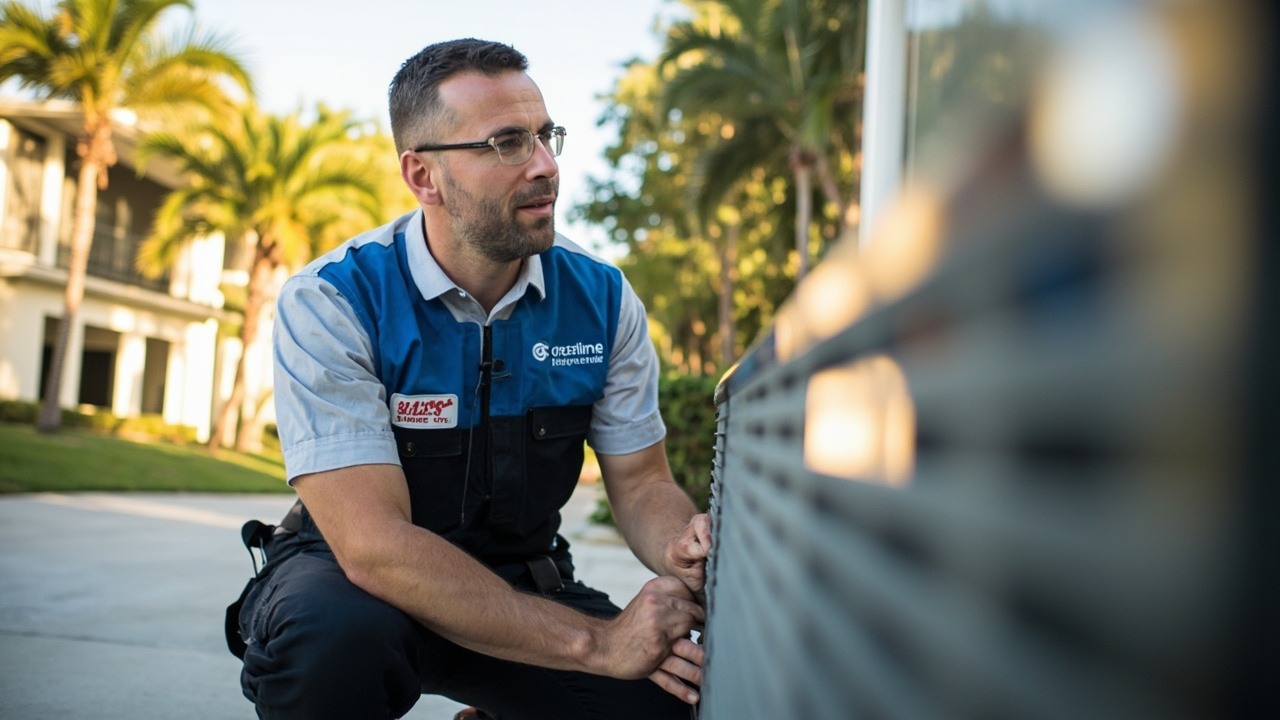
Expert AC Tune-Up and Maintenance in Hialeah FLHialeah heat is relentless in 2026. If you live near Palm Springs North or the busy streets of West 4th Avenue, you know your air conditioner runs almost…
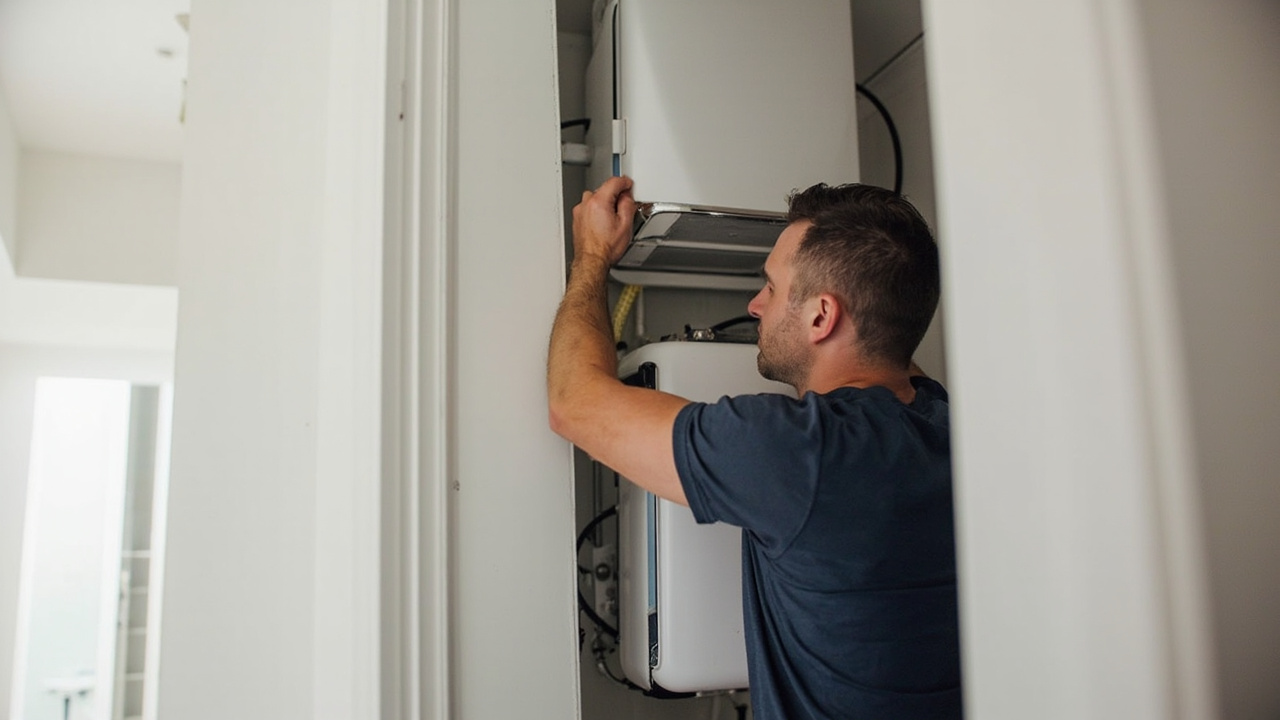
Whole House Dehumidifier Installation in Miami Florida Miami residents face unique challenges when managing indoor…
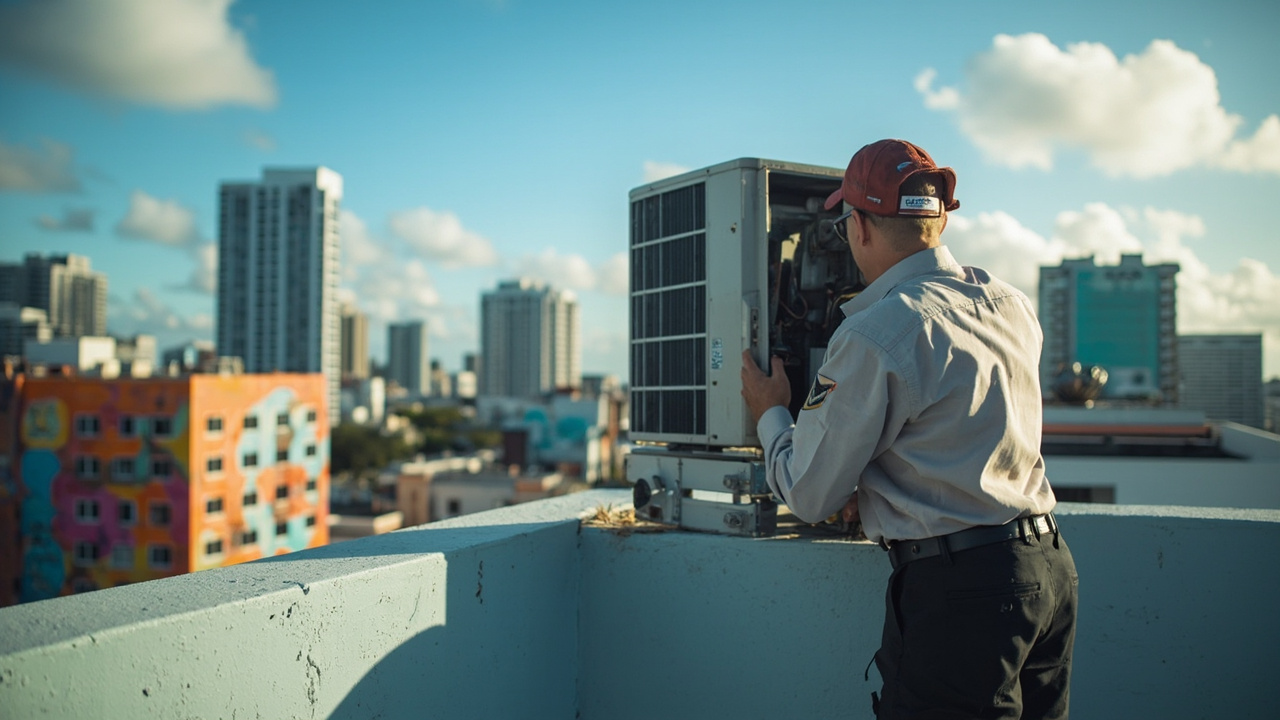
Commercial HVAC Services for Business Owners in Wynwood Who Can't Afford DowntimeRunning a business in…
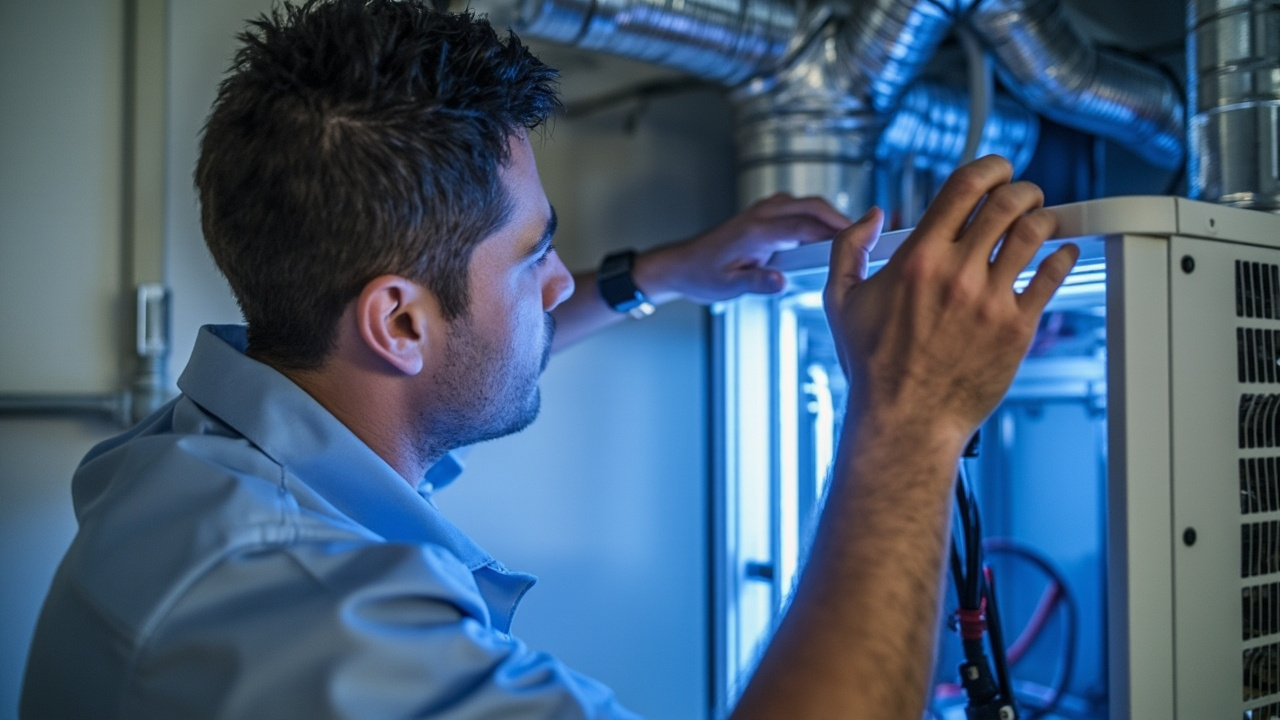
Choosing Between Air Scrubbers and UV Lights for Your Home in the Sunset NeighborhoodLiving in…
Your AC emergency can't wait. Call Crestline HVAC Miami now at (645) 231-4777 for same-day service. Our technicians respond fast with the parts and expertise to fix your system right. Don't suffer through another hour of Florida heat.