
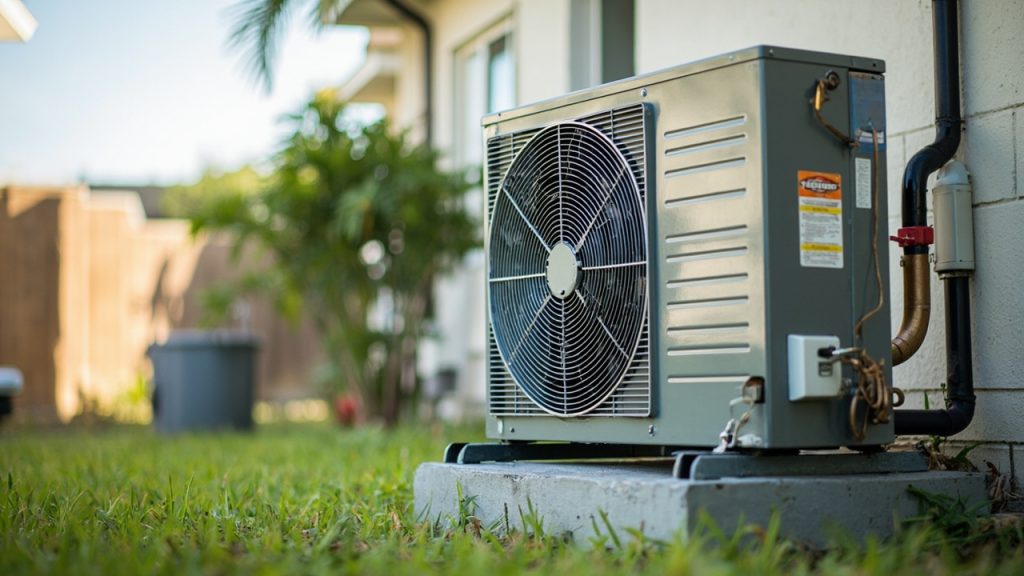
Miami homeowners face a unique set of challenges when it comes to keeping their homes cool. The heat in 2026 has remained consistent with the high humidity levels that characterize the South Florida climate. When your air conditioner starts making strange noises or fails to drop the temperature below 78 degrees, you have a difficult choice to make. You must decide if you want to invest more money into an aging system or if you should transition to a new high-efficiency model. This decision involves more than just the immediate cost of a service call. It requires an understanding of how modern refrigerants and energy standards impact your long-term household budget.
The Rule of 5000 for Miami Homeowners
One of the most reliable ways to determine if you should fix your unit is the Rule of 5000. This formula is a staple for experienced HVAC technicians across Miami-Dade County. To use this rule, you multiply the age of your air conditioner by the quoted cost of the repair. If the resulting number is higher than 5,000, the data suggests that a replacement is the better financial move. If the number is lower than 5,000, a repair might buy you a few more years of comfort.
For example, if you have an eight-year-old system that needs a compressor replacement costing 800 dollars, the total is 6,400. In this scenario, the system has exceeded the threshold. You are likely better off putting that money toward a new unit that carries a fresh manufacturer warranty. If that same unit only needed a 200 dollar capacitor, the total would be 1,600. That is a clear case where a repair makes sense. Living in areas like Doral or Sweetwater means your system runs almost year-round. This constant operation accelerates wear and tear, making the Rule of 5000 even more critical for local budgeting. You can find the most trusted AC repair technicians serving Doral and Sweetwater to help you run these numbers accurately on your specific equipment.
Understanding the Current State of Refrigerants in 2026
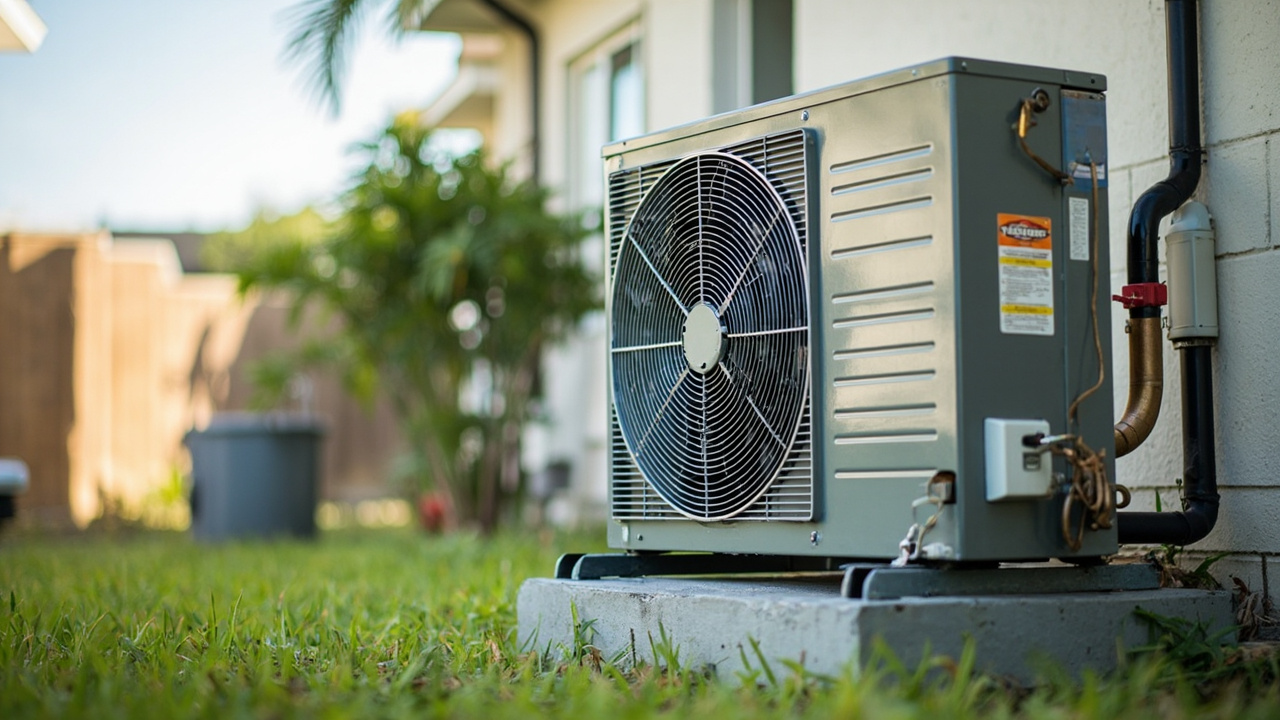
The HVAC industry has seen significant changes in refrigerant regulations recently. In 2026, the transition toward R-454B and R-32 is in full effect. These newer refrigerants are more environmentally friendly and provide better heat transfer properties than older options. If your current system still uses R-410A, you are dealing with a cooling agent that is becoming increasingly expensive to source. As supplies of older refrigerants dwindle, the cost of fixing a leak in an old unit continues to rise.
When an older system develops a leak in the evaporator coil, the cost of the refrigerant alone can sometimes rival the cost of a minor repair. This is a primary reason why many residents in the greater Miami metro are choosing to upgrade. Newer systems are specifically designed to handle the high latent heat loads found in South Florida. They use advanced sensors and variable speed technology to manage humidity more effectively than the single-stage units common ten years ago. If you find yourself frequently calling for refrigerant top-offs, you are likely wasting money on a temporary fix for a terminal problem.
How Miami Salt Air Impacts Your Equipment Lifespan
Proximity to the Atlantic Ocean or Biscayne Bay changes the math for HVAC longevity. Residents in Miami Beach, Key Biscayne, and the Gables Estates area deal with salt air corrosion every single day. Salt particles settle on the aluminum fins of your outdoor condenser and cause a chemical reaction that eats away at the metal. This process is known as pitting. Once the coils are compromised, the system cannot shed heat efficiently. This forces the compressor to work harder and stay on longer, which leads to early mechanical failure.
If you live within five miles of the coast, you should inspect your outdoor unit for a white, powdery substance on the coils. This is a sign of advanced corrosion. Repairing a unit with significant coil damage is often a losing battle. Even if you replace a motor or a fan, the degraded coils will continue to kill the efficiency of the system. Learning how to stop Miami salt air from destroying your outdoor AC unit can help extend the life of a new installation, but it rarely saves a unit that has already been eaten away by the ocean breeze.
Cost Comparison for Common Repairs versus Replacement
The following table outlines the current 2026 price ranges for common HVAC services in the Miami area. These figures help illustrate the gap between maintaining old hardware and investing in new technology.
| Service Type | Estimated Cost Range | Expected Lifespan Extension |
|---|---|---|
| Capacitor or Relay Replacement | 150 to 350 Dollars | 1 to 3 Years |
| Blower Motor Replacement | 600 to 1,200 Dollars | 3 to 5 Years |
| Evaporator Coil Replacement | 1,500 to 3,500 Dollars | 5 to 8 Years |
| Full System Replacement (SEER2) | 6,000 to 14,000 Dollars | 10 to 15 Years |
Energy Efficiency and Monthly Savings in the Modern Era
Efficiency standards have shifted toward the SEER2 rating system. This measurement provides a more accurate reflection of how an air conditioner performs under the actual external static pressure found in a typical home ductwork system. In 2026, the minimum efficiency requirements for the Southeast United States have made older units look like energy hogs. A system installed over a decade ago might have a SEER rating of 13 or 14. Modern high-efficiency units often reach SEER2 ratings of 20 or higher.
For a typical 2,500 square foot home in Coral Gables, upgrading from an old 14 SEER unit to a 20 SEER2 unit can result in a 30 percent reduction in monthly cooling costs. When you factor in the high electricity rates provided by Florida Power and Light, these savings add up quickly. Over the course of a five-year period, the energy savings can often offset a significant portion of the initial purchase price of the new system. This is a major factor for those who plan to stay in their homes for the long term.
The Impact of High Rise Living on Repair Decisions
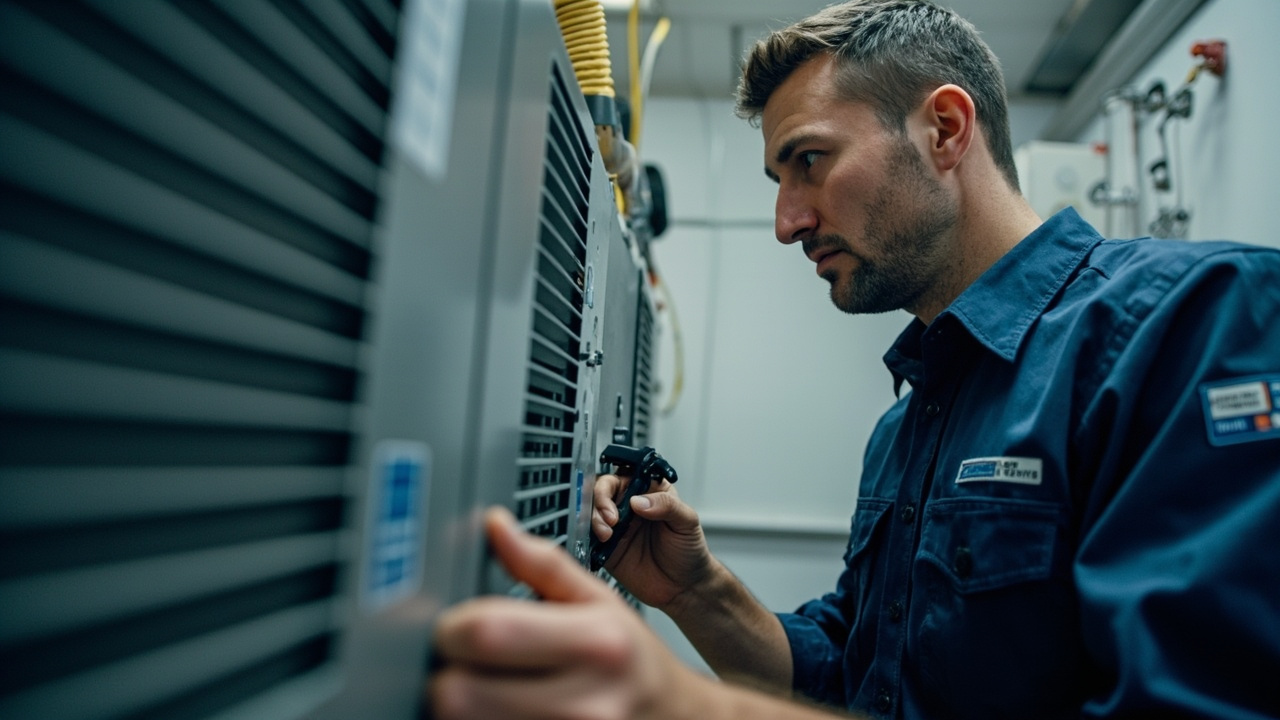
Living in a Brickell high-rise presents different variables for the repair versus replace debate. In these buildings, the air conditioning units are often located in tight mechanical closets or integrated into complex water-loop systems. Cooling towers and chillers serve the entire building, but the individual air handler inside your unit is your responsibility. Maintenance is more difficult because of the limited space and the need to protect high-end interior finishes during a service call.
If you own a condo, you must consider the potential for water damage. An old air handler with a rusted drain pan can leak and damage the floors of your unit and the unit below you. In high-density environments, the risk of a leak often outweighs the cost of an early replacement. You should review specialized AC maintenance needs for Brickell condo owners in high rise buildings to understand the logistical hurdles involved in maintaining these specific types of systems.
Warning Signs That Your AC Is Failing
You do not want to wait until your system stops working entirely to make a decision. Emergency replacements are often more expensive because you lose the luxury of time to compare quotes and research different brands. Being proactive allows you to schedule the work during the slightly cooler months of the year when demand is lower. Watch for these specific indicators that your system is on its last legs.
- Humidity levels inside the home stay above 60 percent regardless of the temperature.
- The outdoor unit makes a loud grinding or squealing noise during the startup cycle.
- You notice a sudden and unexplained increase in your monthly utility bill.
- The system cycles on and off every few minutes which is known as short-cycling.
- The air coming from the vents feels lukewarm even when the compressor is running.
If you experience a total system failure during the peak of summer, the situation becomes an emergency. Knowing what to do when your AC fails in the middle of a Miami heatwave can help you stay safe while you wait for a technician to arrive. However, the best strategy is to identify the need for a new system before the old one leaves you stranded in the heat.
Environmental Factors in Different Miami Neighborhoods
Miami is not a monolith when it comes to HVAC performance. Different neighborhoods have different environmental stressors. In the lush, canopy-covered streets of Coconut Grove, organic debris like leaves and twigs can clog outdoor units and lead to overheating. In the more industrial areas near the airport, airborne dust and pollutants can coat coils and reduce efficiency. Your specific location within the city should influence how much you are willing to spend on repairs.
| Neighborhood Type | Primary Stress Factor | Recommended Action |
|---|---|---|
| Coastal (Miami Beach) | Salt Air Corrosion | Replace early with coated coils |
| Inland (Kendall) | High Heat and Dust | Focus on high SEER2 for savings |
| High-Density (Brickell) | Limited Ventilation | Prioritize slim-profile air handlers |
| Wooded (Coconut Grove) | Organic Debris | Bi-annual cleaning of outdoor units |
Financial Incentives and Tax Credits in 2026
The federal government and local utilities continue to offer incentives for homeowners who choose high-efficiency upgrades. These programs are designed to reduce the overall load on the power grid during peak summer days. Under current guidelines, certain heat pump systems and high-efficiency central air units qualify for federal tax credits. These credits can reduce your total tax liability, making the net cost of a new system much more attractive.
Utility programs often provide instant rebates that are applied directly to the invoice by your contractor. These rebates are usually tied to the SEER2 rating of the equipment. The higher the efficiency, the larger the rebate. You can check the latest standards on the Department of Energy website to see which systems qualify for the most significant savings. Combining these incentives with a manufacturer rebate can sometimes save you thousands of dollars on a new installation.
Choosing the Right Path for Your Home
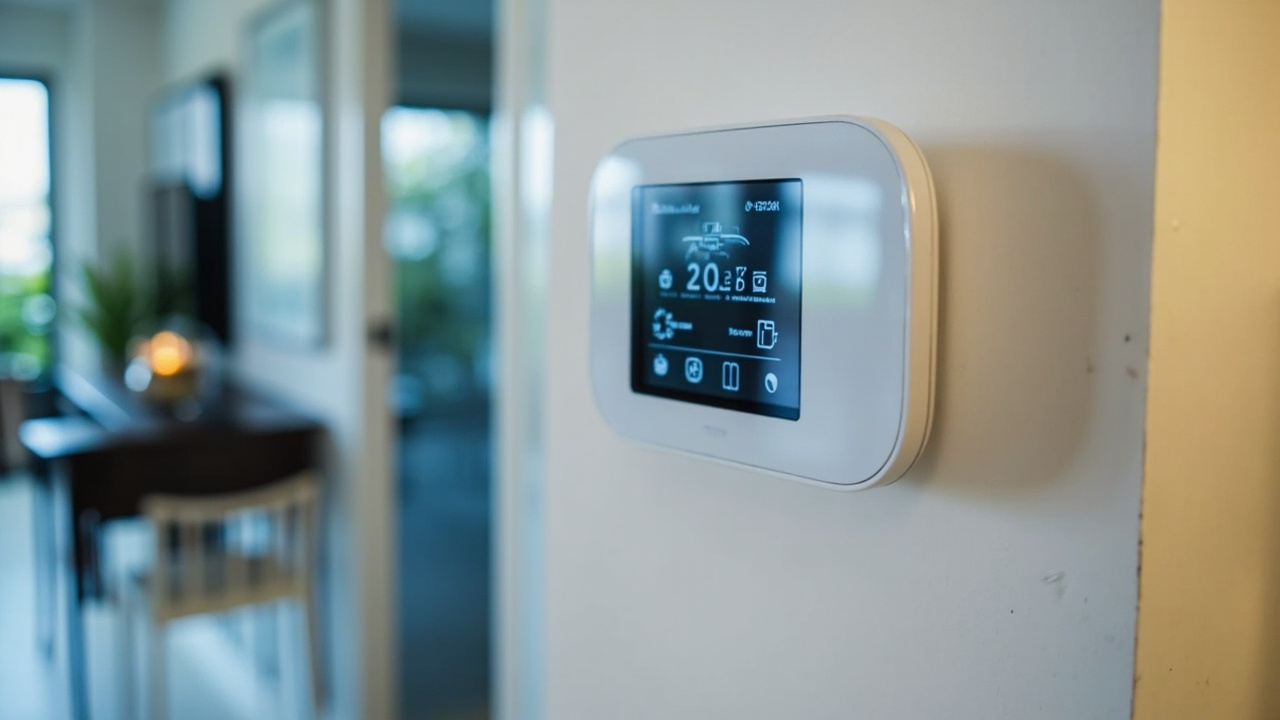
The decision to repair or replace comes down to your personal comfort and financial goals. If you plan to sell your home in the next year, a functional repair might be the most logical choice. However, if you intend to stay in your Miami residence for several years, a new system is an investment in your quality of life. Modern units are significantly quieter than older models, which is a major benefit for homes with bedrooms located near the outdoor equipment.
When you decide that replacement is the best option, you need a team that understands the local building codes. Miami-Dade has some of the strictest requirements in the country for hurricane tie-downs and electrical safety. Finding a reliable AC installation team for your home in Coral Gables or any other local neighborhood ensures that your new unit is permitted and installed correctly. A proper installation is the only way to guarantee that the system will reach its rated efficiency and lifespan.
Take a close look at your recent repair history. If you have had more than two service calls in the last twelve months, your system is sending you a clear message. The cost of labor and parts in 2026 is too high to keep an unreliable machine on life support. By choosing to replace now, you can enjoy lower bills and the peace of mind that comes with a cool home during the peak of the Florida summer.