
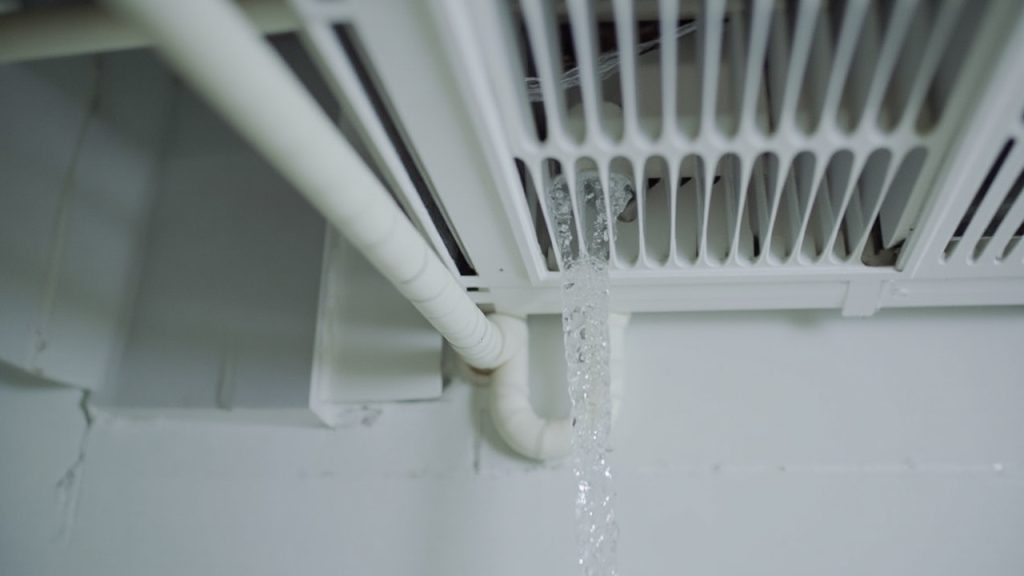
Water pooling around your air handler in a Kendall home or a Brickell condo usually means one thing. Your condensate drain line is backed up. In Miami, this is the most common reason for emergency service calls during the peak 2026 summer season. When the humidity levels in South Florida stay consistently above 70 percent, your air conditioner works overtime to pull moisture out of the air. This moisture has to go somewhere. It collects on the evaporator coil and drips into a primary drain pan before flowing through a PVC pipe to the outside of your home.
If that flow stops, you face two immediate problems. First, your system might shut down entirely if you have a functioning float switch. Second, if the safety switch fails, water will overflow the pan and cause expensive damage to your floors, drywall, and ceilings. Understanding why these clogs happen and how to manage them is essential for every homeowner in the Miami-Dade area.
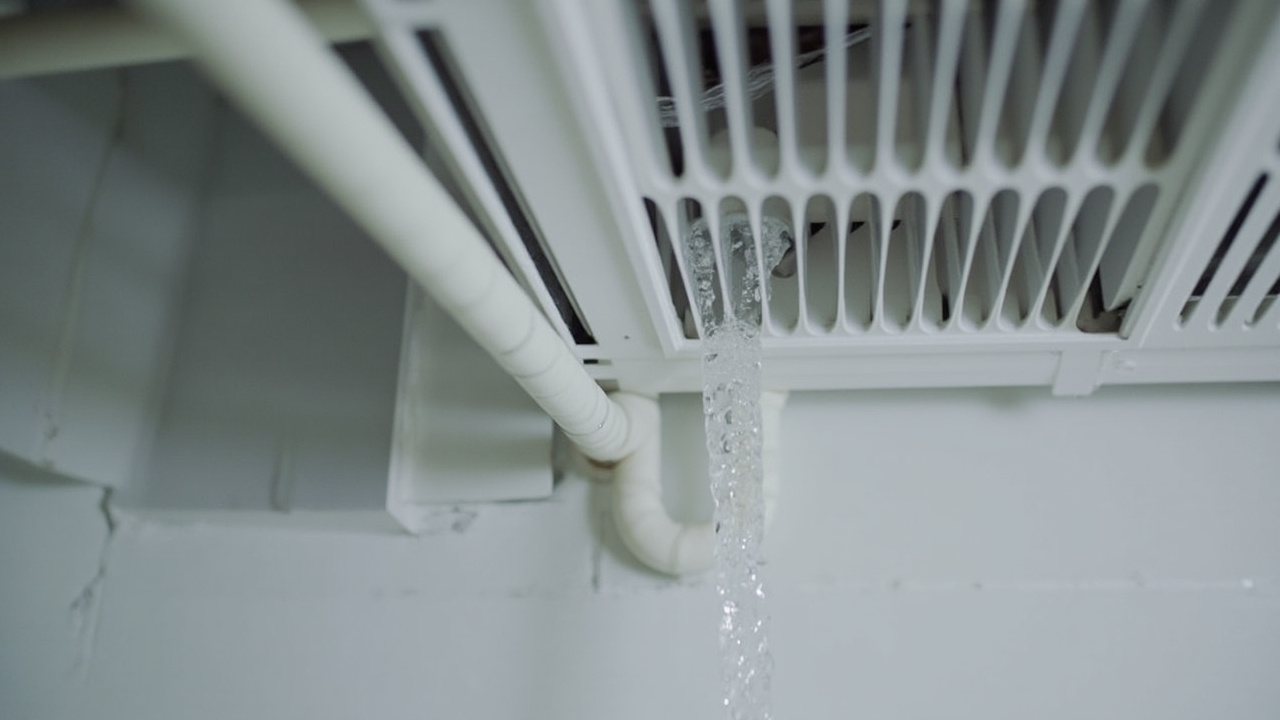
Common Signs of a Blocked Condensate Line in South Florida
Most Miami residents do not realize they have a clog until the house starts getting warm. Modern systems installed in 2026 almost always include a secondary safety switch. This device sits in the drain line or the secondary pan. When water backs up, the switch floats and cuts power to the outdoor compressor. You might notice the indoor fan is still blowing, but the air coming from the vents is room temperature. This is a clear indicator of a drainage issue.
You may also notice a musty or swampy smell near the air handler closet. This odor comes from stagnant water sitting in the pan for too long. In high-density areas like Brickell, these smells can quickly travel through the ductwork of a small unit. If you live in a high-rise, specialized AC maintenance needs for Brickell condo owners in high rise buildings often focus on these specific drainage challenges because a leak can affect the units below you.
Other signs include visible water in the emergency drain pan located under the unit. This pan should always be dry. If you see even a small amount of water there, your primary line is already partially restricted. Do not wait for the system to shut down completely before taking action.
The Role of Miami Humidity in Frequent AC Drain Clogs
Miami sits in a unique subtropical climate that creates the perfect breeding ground for biological growth inside HVAC systems. In 2026, we are seeing even higher average dew points than in previous decades. This means your evaporator coil is constantly dripping. As the water flows over the metal fins and into the plastic pan, it picks up dust, pet dander, and skin cells that bypassed your air filter. This mixture creates a nutrient-rich slurry.
The dark, warm, and damp environment inside your air handler allows algae and bacteria to thrive. You might hear technicians refer to this as white slime. This biofilm grows rapidly and creates a thick, gelatinous mass that can easily plug a three-quarter inch PVC pipe. Because the water moves solely by gravity, there is very little pressure to push these blockages through. The Environmental Protection Agency provides extensive data on how moisture control is the most important factor in preventing mold and biological growth inside buildings.
In neighborhoods like Coral Gables, where many homes have older layouts with units in tight attic spaces, the heat accelerates this growth even further. If you are finding a reliable AC installation team for your home in Coral Gables, make sure they prioritize the installation of easy-access cleanout ports to help you manage this issue.
How to Identify White Slime and Algae in Your System
White slime is a complex colony of bacteria that protects itself with a sugary coating. It is much harder to clear than simple dust because it clings to the walls of the pipe. In Miami, this slime often appears as a translucent or milky substance in your drain pan. Over time, it can turn orange or green as other organisms join the colony. This growth is particularly aggressive in 2026 due to current indoor air quality trends and the higher cooling loads we are experiencing.
If you open your air handler closet and see a thick, jelly-like substance in the clear trap or the pan, you are looking at a future clog. This slime does not just block the water. It can also produce volatile organic compounds that degrade your indoor air quality. This is why regular flushing of the line is a non-negotiable part of South Florida home ownership.
Step by Step Guide to Clearing Your Drain Line with a Wet Dry Vacuum
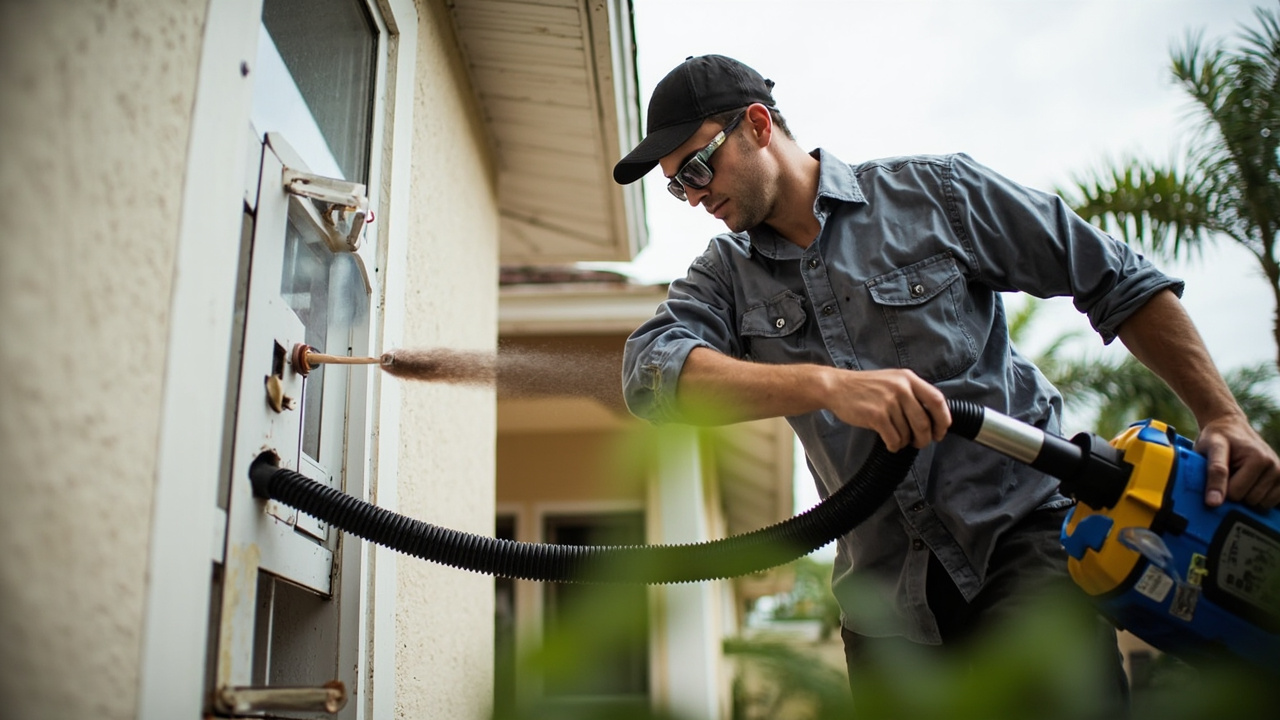
If your system has already shut down due to a clog, you can often clear it yourself using a standard wet-dry vacuum. This is the safest and most effective DIY method for Miami homeowners. Follow these steps to restore your cooling.
- Turn off the power to your AC unit at the thermostat and the breaker panel.
- Locate the end of the condensate drain line outside your home. It is usually a white PVC pipe near the outdoor condenser unit.
- Attach the wet-dry vacuum hose to the end of the PVC pipe. You may need to use a wet rag or duct tape to create a tight seal around the connection.
- Ensure the vacuum is set to the wet mode and the filter is removed if required by the manufacturer.
- Turn on the vacuum and let it run for three to five minutes. This should pull the clog and any standing water through the pipe.
- Check the vacuum canister for a brown or white sludge. This confirms you successfully cleared the blockage.
- Go back to the indoor unit and locate the vertical PVC access point. Pour a small amount of clean water down the line to ensure it flows freely.
Why Chemical Cleaners Can Damage Your PVC Pipes
Many homeowners reach for heavy-duty drain cleaners or pure bleach when they see a clog. This is often a mistake. In 2026, most HVAC manufacturers discourage the use of harsh chemicals because they can damage the internal components of your system. Bleach is highly corrosive to the copper and aluminum found in your evaporator coil. If the fumes from the bleach back up into the cabinet, they can cause premature pitting and refrigerant leaks.
Furthermore, harsh chemical drain cleaners generate heat as they work. PVC pipes used in Miami-Dade homes are rated for specific temperatures. Intense heat can soften the glue at the joints or even warp the pipe, leading to leaks behind your walls. Instead of chemicals, use a mixture of warm water and a small amount of distilled white vinegar. The mild acidity of the vinegar helps break down the slime without harming the plastic or the metal coils.
Maintenance Table for Different Miami Property Types
The frequency of drain line maintenance depends on your specific location and the type of home you own. Use this table to determine your 2026 maintenance schedule.
| Property Type | Primary Risk Factor | Cleaning Frequency |
|---|---|---|
| Brickell High Rise | Shared drainage stacks and limited ventilation | Every 60 days |
| Coral Gables Historic Home | Attic heat and older pipe diameters | Every 90 days |
| Doral Single Family Home | High dust and pet dander loads | Every 90 days |
| Coastal Key Biscayne Home | Salt air corrosion and high humidity | Every 45 days |
Comparing DIY Cleaning and Professional Drain Jetting
While a vacuum works for simple clogs, it cannot always remove the stubborn biofilm that coats the entire length of the pipe. Professionals use specialized tools to ensure the line stays clear for the long term.
| Feature | DIY Wet-Dry Vac | Professional Nitrogen Jetting |
|---|---|---|
| Success Rate | Moderate (60-70%) | High (99%) |
| Equipment Used | Standard Shop Vac | High-Pressure Nitrogen and Slugs |
| Residue Removal | Surface clogs only | Full pipe wall scouring |
| Safety Switch Test | No | Yes (Electrical verification) |
Protecting Your Brickell High Rise from Water Damage
In high-rise buildings across Miami, a clogged drain line is not just your problem. It is a liability for the entire building. Most condo associations in 2026 require proof of regular HVAC maintenance to prevent overflow events. When a drain lines clogs in a tall building, the water can travel down through the floor and ruin the expensive finishes in the unit below you. This often leads to insurance claims and legal disputes.
Because condo units often have limited space, the drain lines frequently have more elbows and turns than a standard house. These 90-degree turns are the primary locations where sediment and slime collect. If you own a property in the city center, you must be proactive. Ensure your secondary pan is clean and that your float switch is positioned correctly. A switch that is installed too high will not trip until the water is already overflowing the edges of the pan.
The Importance of the Float Switch Safety Mechanism
The float switch is the most important safety feature in your entire HVAC system. It is a simple device that contains a small float. As water rises in the pipe or the pan, the float rises. Once it reaches a certain point, it breaks the 24-volt circuit that tells your outdoor unit to run. If your AC stops working suddenly, check the float switch first. If you see water in the switch housing, you have a clog.
You should test this switch every time you change your air filter. Simply lift the float with your finger while the AC is running. The outdoor unit should shut off within a minute. If it keeps running, your switch is faulty and needs immediate replacement. This small part can save you thousands of dollars in water damage restoration costs. In the harsh 2026 climate, these switches are under more stress than ever due to the high volume of water they handle.
Long Term Prevention Strategies for Miami Homeowners
The best way to handle a clog is to prevent it from ever forming. Start by using high-quality air filters and changing them every 30 days. This reduces the amount of organic material that enters the system and feeds the algae. You should also consider the impact of the environment outside. For example, learning how to stop Miami salt air from destroying your outdoor AC unit is vital, but the indoor environment requires just as much attention.
Install a clear p-trap on your drain line. This allows you to see the water flow and spot any buildup of white slime before it becomes a total blockage. Many Miami homeowners also use condensate pan tablets. These small tablets sit in the pan and slowly release a biocide that prevents algae and slime from growing. They are an inexpensive way to keep your system running smoothly through the hottest months of the year.
Also, verify that your drain line is properly sloped. According to the Florida Building Code, condensate lines must have a minimum slope of one-eighth inch per foot. If your home has settled or the unit was installed poorly, a flat spot in the pipe will allow water to sit and stagnant, which guarantees frequent clogs.
When to Call the Professionals in Doral and Sweetwater
If you have tried the vacuum method and the system still will not drain, or if the water returns within a few days, you need a professional technician. Persistent clogs often indicate an issue with the internal drain pan or a blockage deep within the walls of the home. Technicians who are the most trusted AC repair technicians serving Doral and Sweetwater have the specific tools to find these hidden issues.
Professional drain cleaning involves more than just clearing the pipe. A technician will inspect the evaporator coil for biological growth, clean the primary drain pan, and test the functionality of all safety switches. They can also install an inline cleanout port that makes it much easier for you to perform monthly vinegar flushes. If you are currently dealing with a cooling failure, read about what to do when your AC fails in the middle of a Miami heatwave to stay safe while you wait for a technician to arrive. Prompt action in 2026 will save your home from mold and ensure your comfort through the rest of the season.