
Miami HVAC Permit Requirements for 2026 Homeowners and Contractors
Miami Dade County has some of the strictest building codes in the United States. This is primarily due to our unique position in a high velocity hurricane zone. If you plan to install a new air conditioner in 2026, you must understand the legal requirements first. Skipping a permit can lead to massive fines and legal issues when you try to sell your home. Most local buyers in neighborhoods like Pinecrest or Palmetto Bay will look for closed permits before they sign a contract. Proper permitting ensures that your system is safe and efficient and installed according to the Florida Building Code. In our tropical climate, an incorrectly installed unit can lead to moisture problems or electrical fires. This guide covers everything from documentation to final inspections.
Why Miami Dade County Requires HVAC Permits for All Installations
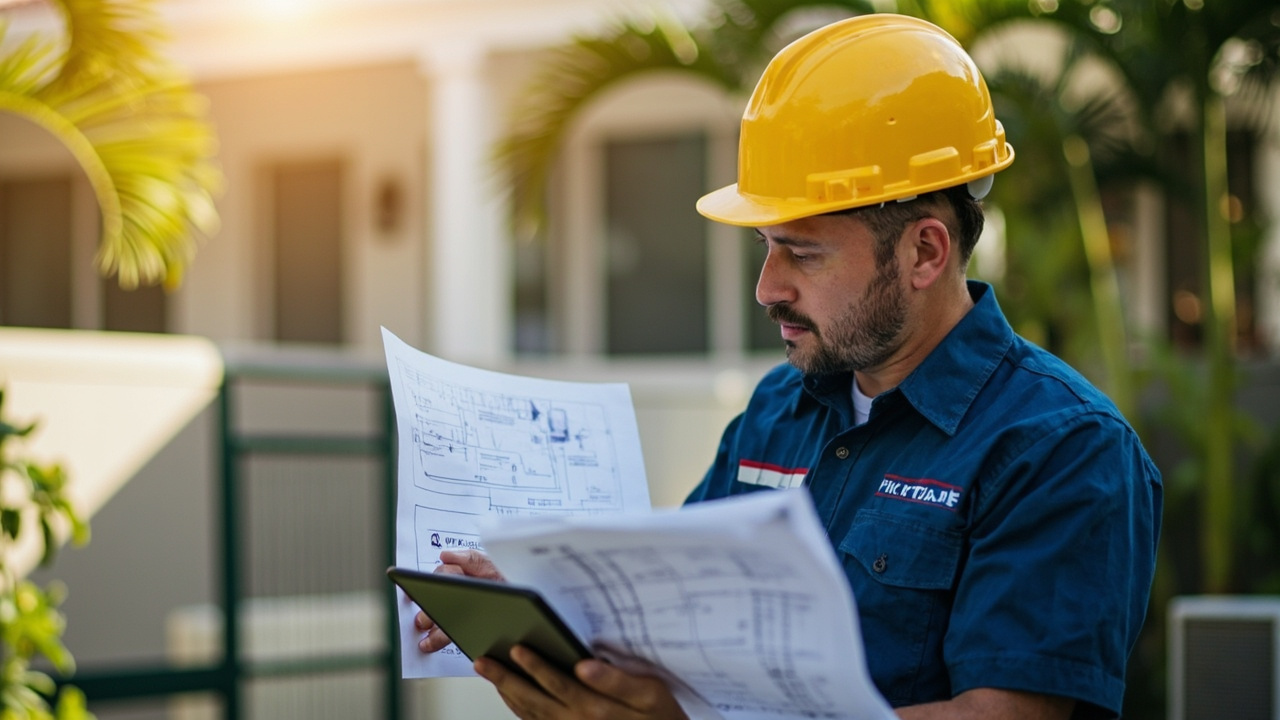
Permits protect your safety by ensuring that all work meets modern standards. In Miami, the wind loads are a major concern. Any outdoor unit must be secured to a hurricane pad using specific hardware. The weight and height of the unit determine the type of tie downs needed. The county requires proof that your new unit can withstand wind speeds of up to 175 miles per hour in certain zones. Without a permit, nobody verifies that your contractor used the correct brackets or anchors. This could lead to your unit becoming a projectile during a storm. Additionally, the county checks the electrical work. A new system might draw more power than your old one. An inspector ensures your breaker and wiring can handle the load safely.
When You Must File an HVAC Permit in South Florida
Full system change outs always require a permit from the Miami-Dade County Department of Regulatory and Economic Resources. This includes replacing the indoor air handler and the outdoor condenser. Even if you are only replacing one half of the system, you still need a permit. Minor repairs do not usually require a filing. For example, if your technician replaces a capacitor or a fan motor, you do not need to notify the building department. However, any work that involves opening the refrigerant circuit or changing the footprint of the unit typically triggers the need for a permit. If you are unsure if your repair needs a permit, you should consult with a professional. You can find information about the most trusted AC repair technicians serving Doral and Sweetwater to help you navigate these local rules.
The Step by Step Miami Dade Permitting Process
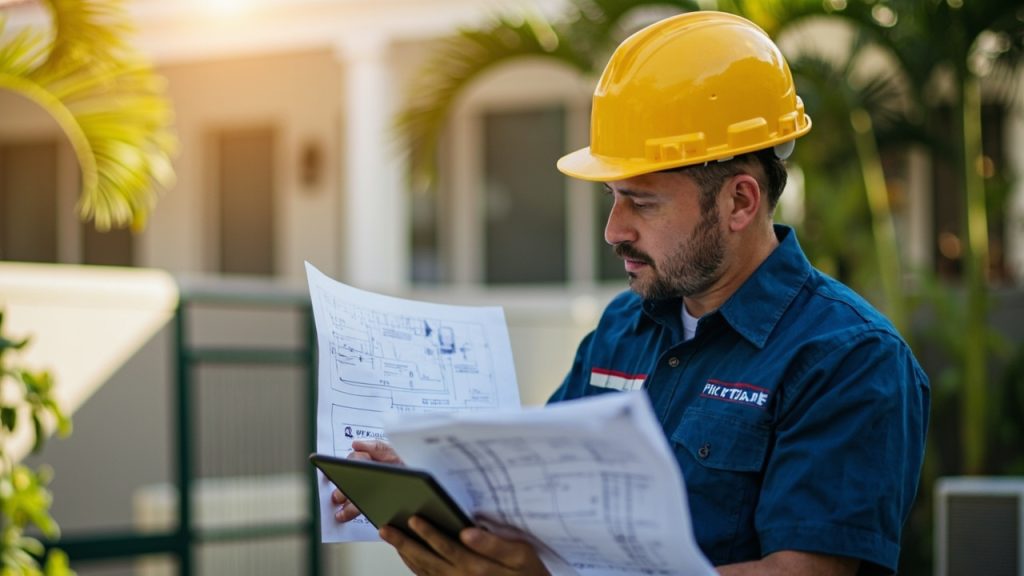
The first step in any HVAC project is hiring a licensed contractor. In Florida, it is illegal for an unlicensed person to pull a mechanical permit for a central air conditioning system. Once you hire a pro, they will create a permit package. This package includes technical drawings and equipment specifications. The contractor submits this to the building department through an online portal or in person. After the department reviews the plans, they issue a permit number. This number must be posted at your job site. Once the installation is complete, the contractor must schedule a series of inspections. You should never make the final payment to a contractor until the building department officially closes the permit.
Notice of Commencement Requirements for Miami Homeowners
Florida law requires a Notice of Commencement for any project valued over a certain amount. In 2026, this threshold is strictly enforced for high efficiency system installations. This document protects homeowners from double payment. It also establishes the start date of the improvements. You must record this document with the Miami-Dade County Clerk of the Courts before the first inspection. If you forget this step, the inspector will fail your job immediately. This is a common mistake for homeowners in Coral Gables who are doing their first major renovation. If you need assistance with a new setup, consider finding a reliable AC installation team for your home in Coral Gables who understands these local clerical requirements.
| Project Type | Permit Required | Inspection Needed | Average Approval Time |
|---|---|---|---|
| Full System Replacement | Yes | Rough and Final | 3 to 7 Days |
| Condenser Only Swap | Yes | Final Only | 2 to 5 Days |
| Ductwork Repair | Yes | Rough and Final | 5 to 10 Days |
| Thermostat Replacement | No | None | Immediate |
Essential Documentation for a Successful Approval
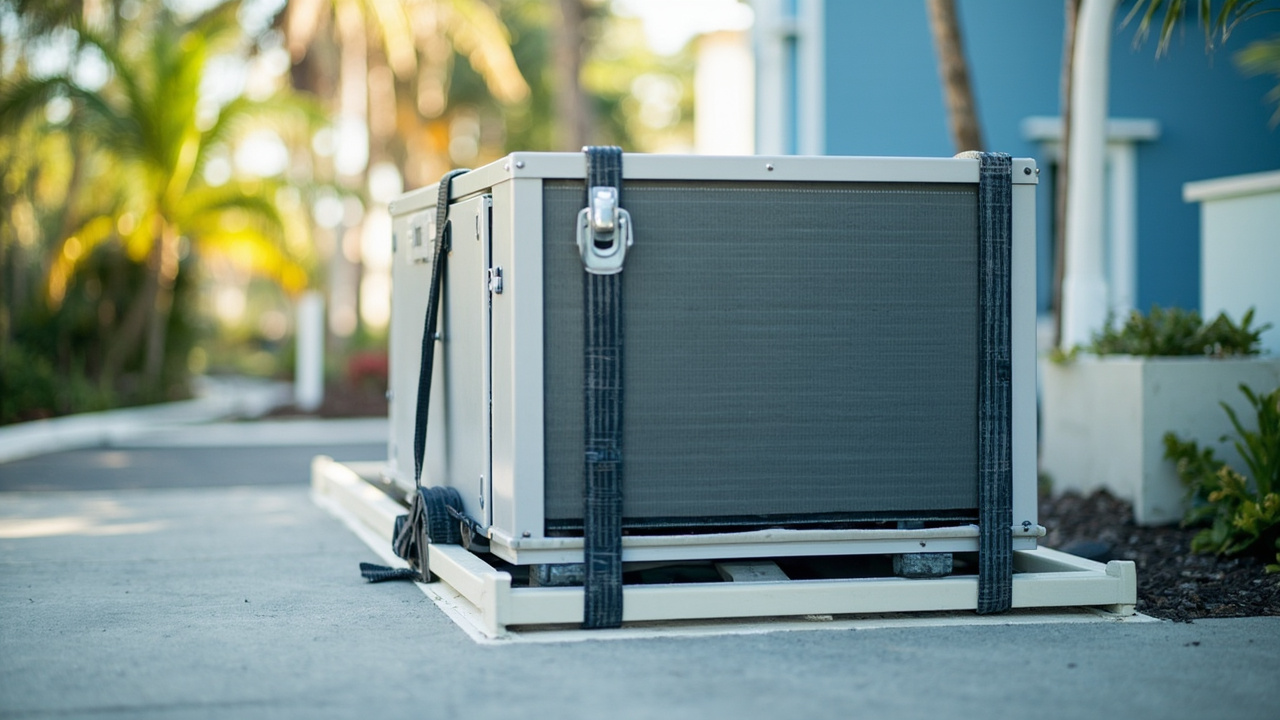
The building department requires several specific documents to approve your mechanical permit. The most important is the AHRI Certificate of Product Ratings. This document proves that the indoor and outdoor units are compatible and meet the current SEER2 efficiency standards. In 2026, the minimum efficiency levels are higher than in previous years to combat rising energy costs and heat levels. You also need a Manual J Load Calculation. This calculation uses the square footage and insulation levels of your home to determine the correct size for the unit. Oversized units are common in older Miami homes and lead to high humidity and mold. By requiring a Manual J, the county ensures your home stays dry. You might also want to read about how to stop Miami salt air from destroying your outdoor AC unit as part of your equipment selection process.
Miami Dade Product Approval and Wind Load Requirements
Every piece of equipment installed outdoors must have a Miami-Dade Notice of Acceptance. This is often called an NOA. This document confirms that the unit or its mounting hardware has been tested in a laboratory to survive hurricane force winds. Your contractor must provide the NOA number on the permit application. This is especially critical for residents in coastal areas like Coconut Grove or Miami Beach. The wind pressure on a rooftop unit in Brickell is much higher than a unit on the ground in Hialeah. If you live in a high rise, your permit might also require a crane plan. You should check the specialized AC maintenance needs for Brickell condo owners in high rise buildings to see if your building has additional internal rules for permitting.
Differences Between City and County Jurisdictions
Not everyone in Miami deals with the same building department. If you live in unincorporated Miami-Dade County, you will go through the main RER department. However, if you live within the city limits of Miami, Miami Beach, or Aventura, you must use their specific municipal building departments. Each city has its own fee schedule and online portal. Some cities are much faster than others. For instance, the City of Miami often has a longer backlog for mechanical reviews than smaller municipalities like West Miami or Sweetwater. Your contractor must know exactly which jurisdiction your property falls into. Providing the wrong property folder can delay your project by weeks. Always verify your folio number on the property appraiser website before starting the application.
| Requirement Type | Residential Standalone | Condo or High Rise | Commercial Building |
|---|---|---|---|
| AHRI Certificate | Required | Required | Required |
| Tie Down Calculations | Standard | High Velocity | Engineer Stamped |
| Crane Permit | Rarely | Usually | Usually |
| Manual J Calc | Required | Required | Manual N Required |
What Happens During the HVAC Inspection Sequence
Once the system is installed, the inspection phase begins. In most residential cases, you will have a final mechanical inspection and a final electrical inspection. The mechanical inspector checks the drain line for proper slope. They also check the emergency float switch. This switch shuts the system down if the drain clogs, which prevents water damage to your ceilings. The electrical inspector checks the wire size and the disconnect box. They ensure the ground wire is properly attached. If you have an emergency where your system dies during a heatwave, you can sometimes get an emergency permit. This allows the contractor to install the unit first and file the paperwork the next business day. If you find yourself in this situation, learn what to do when your AC fails in the middle of a Miami heatwave to stay safe while waiting for the inspector.
Common Reasons for Failing an Inspection in Miami
Many inspections fail for simple reasons that have nothing to do with the AC unit itself. The inspector needs clear access to the equipment. If you have a locked gate or a dog in the yard, they will leave and charge a re-inspection fee. Other common failures include missing insulation on the suction line or incorrect labels on the electrical panel. The inspector also checks the primary and secondary drain lines. Both must be clear and lead to an approved discharge point. In some areas of Miami, you cannot drain your AC water onto the sidewalk. It must go into a dry well or a landscaped area. Understanding these small details is what separates an experienced local tech from a newcomer.
Penalties for Installing an Air Conditioner Without a Permit
Installing an AC without a permit is a risky move in South Florida. If the county finds out, they can issue a double permit fee penalty. They can also force you to remove the unit to inspect the work behind it. This often happens when a neighbor reports the noise of a new installation. Furthermore, if a fire occurs and the cause is linked to an unpermitted HVAC system, your insurance company may deny your claim. When you sell your home, the title company will run a lien search. An open or missing permit will show up as a cloud on the title. You will have to pay a contractor to come out and certify the work and pull a back permit. This is much more expensive than doing it correctly the first time. The peace of mind that comes with a legal installation is worth the small permit fee.
Permitting Documentation Checklist for 2026 Installations
- Completed Mechanical Permit Application signed by the contractor and owner.
- AHRI Certificate of Product Ratings showing SEER2 compliance.
- Equipment specifications for the indoor air handler and outdoor condenser.
- Manual J Load Calculation for the specific property address.
- Notice of Commencement recorded with the County Clerk for projects over $15,000.
- Miami-Dade Notice of Acceptance for hurricane tie downs and stands.
- Electrical permit application if the circuit or breaker is being changed.
- Energy calculation forms required by the state of Florida.
Professional Guidance for Your Miami HVAC Project
Navigating the bureaucracy of the Miami-Dade Building Department takes patience and expertise. The rules change frequently to adapt to new environmental challenges and energy standards. By following the proper steps, you ensure that your home stays cool and your investment is protected. Always ask your contractor for a copy of the permit before they begin work. This is your proof that they are acting in your best interest. A properly permitted system will last longer and operate more efficiently in our intense humidity. If you are ready to upgrade your home comfort, reach out to a local expert who knows the local codes inside and out. Starting your project with the right paperwork is the best way to ensure a smooth and cool summer in South Florida.