
Running a restaurant in the Miami Design District involves managing a delicate balance of high end aesthetics and intense operational heat. Your climate control system does more than keep guests comfortable. It protects expensive interior finishes and ensures your kitchen staff can perform in a safe environment. In the 33137 zip code where luxury retail meets fine dining, the expectations for indoor air quality and temperature stability are higher than anywhere else in South Florida. This guide focuses on the unique mechanical requirements for establishments near NE 40th Street and the surrounding luxury plazas during the 2026 summer season.
The Impact of District Architecture on HVAC Performance
The Design District features unique architectural challenges that affect how air moves through your space. Many restaurants occupy buildings with high ceilings and floor to ceiling glass storefronts. These features look beautiful but create significant solar heat gain. When the Miami sun hits these glass facades, your cooling load increases by a massive margin. You must account for this when calculating the required British Thermal Units (BTUs) for your dining room. A standard calculation used for a warehouse or a typical office will not work here. You need a system that can handle the specific thermal dynamics of a glass heavy showroom style space.
Modern builds in the district often include the use of Variable Refrigerant Flow (VRF) systems. These allow for precise control in different zones of your restaurant. You can keep the bar area cooler than the main dining floor or adjust settings for private tasting rooms. This flexibility is essential when you have fluctuating guest counts throughout the day. If you are operating a multi level establishment near Palm Court, VRF technology prevents the upper floors from becoming uncomfortably warm while the ground floor remains chilled. These systems also run much quieter than traditional split systems, which is a requirement for the intimate atmosphere of high end dining.

Managing Kitchen Heat Loads and Makeup Air
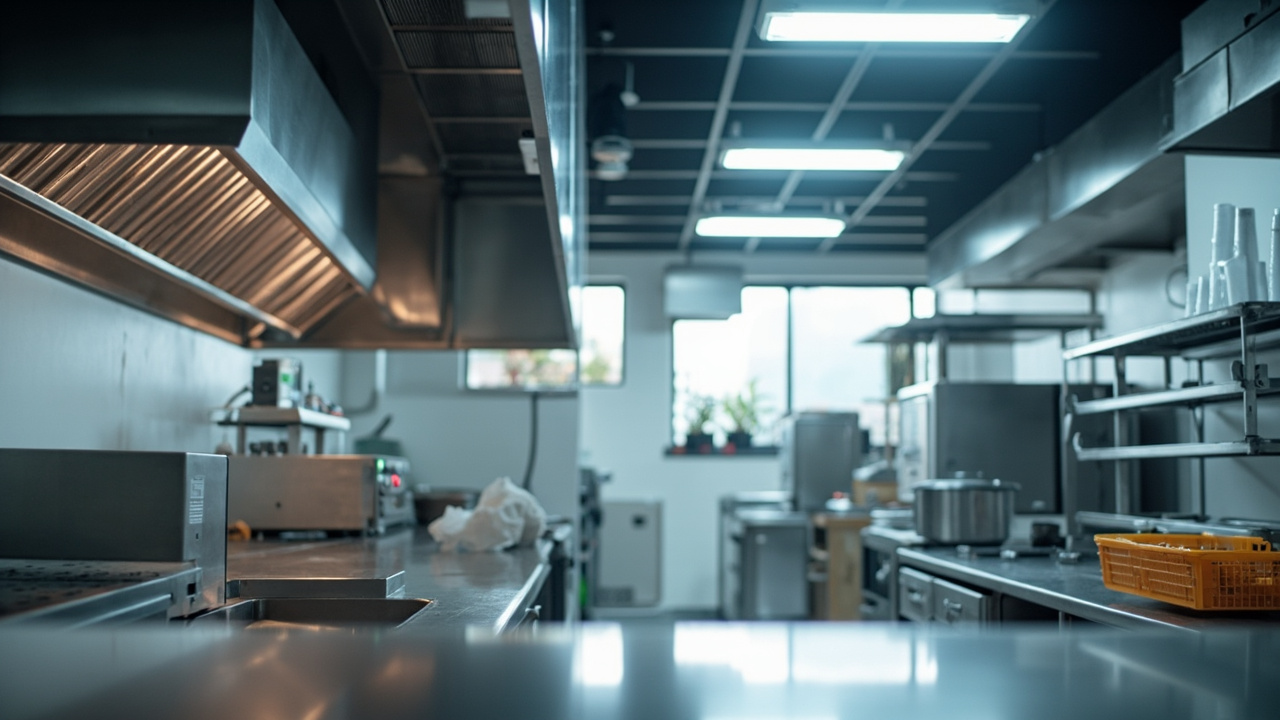
Your kitchen is a heat engine. High temperature ovens and ranges create a constant demand for exhaust. However, for every cubic foot of air your hood exhausts, you must bring in a cubic foot of makeup air. If your makeup air unit (MAU) is not functioning correctly, your restaurant will experience negative pressure. This causes hot, humid air to be sucked in through front doors and windows every time a guest enters. In 2026, we see many owners struggling with this balance because their MAUs are not properly integrated with their primary cooling systems.
A failed MAU leads to a host of problems including whistling doors and poor odors from the kitchen drifting into the dining room. It also puts an incredible strain on your rooftop units. If your primary AC is trying to dehumidify raw Miami air that is being pulled in through the cracks, your compressors will eventually fail. For restaurants in high traffic areas like Jungle Plaza, keeping these systems in sync is the difference between a pleasant evening and a mechanical disaster. You must ensure your technicians check the fan belts and motor amperage on your makeup air units during every quarterly visit.
The Importance of Professional Maintenance Schedules
Commercial HVAC equipment in a restaurant environment requires more frequent service than any other industry. Grease and airborne particulates from the kitchen eventually find their way into the ductwork and onto the coils of your air handlers. This buildup acts as an insulator and prevents heat transfer. It makes your system work harder while producing less cooling. Regular maintenance is not an optional expense but a vital part of your business continuity plan. Failing to maintain your units can lead to a total shutdown during a busy weekend service.
If you experience a sudden breakdown during peak hours, you need to know what to do when your AC fails in the middle of a Miami heatwave to minimize guest dissatisfaction and food safety risks. Many owners in the 33137 area now opt for monthly filter changes and quarterly deep cleans of both the evaporator and condenser coils. This frequency is necessary because of the high volume of foot traffic and the constant operation of the units in the South Florida heat.
Below is a standard maintenance schedule for 2026 commercial restaurant systems.
| System Component | Action Required | 2026 Frequency |
|---|---|---|
| Air Filters | Inspection and Replacement | Monthly |
| Condensate Drains | Clearance and Algaecide Treatment | Every 60 Days |
| Evaporator Coils | Chemical Cleaning and Sanitization | Quarterly |
| Blower Motors | Amperage Check and Lubrication | Bi-Annually |
| Refrigerant Levels | Subcooling and Superheat Analysis | Bi-Annually |
Protecting Outdoor Equipment from Miami Elements
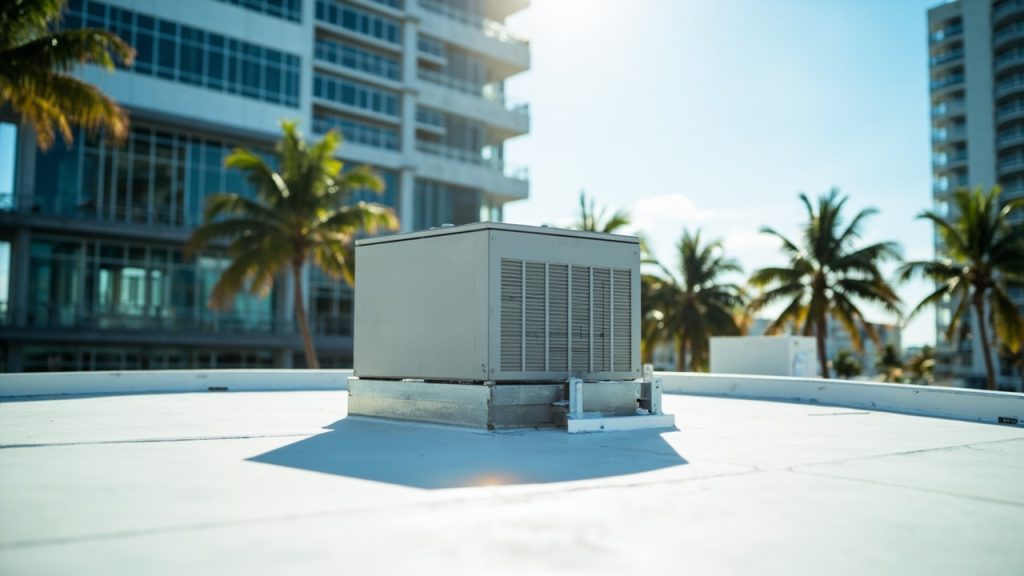
The proximity of the Design District to the bay means that salt air is a constant threat to your rooftop units (RTUs). Salt causes rapid corrosion of the aluminum fins on your condenser coils. Once these fins start to crumble, the unit can no longer shed heat efficiently. This leads to higher head pressures and eventually a burned out compressor. Restaurant owners should invest in specialized coatings for their coils that provide a barrier against the corrosive atmosphere.
Learning how to stop Miami salt air from destroying your outdoor AC unit can save you thousands in premature replacement costs. We recommend a monthly rinse of the condenser coils with low pressure water to remove salt deposits. This simple task can extend the life of your equipment by several years. For businesses expanding their footprint, we have seen the most trusted AC repair technicians serving Doral and Sweetwater apply these same protective strategies to inland commercial properties to combat different environmental factors like industrial dust and debris.
Controlling Humidity and Interior Assets
The Design District is famous for its integration of art and dining. Many establishments feature original paintings or delicate wallpaper that cannot withstand high humidity levels. In Miami, the outdoor humidity often exceeds eighty percent. If your AC system is oversized, it will cool the air quickly but won’t run long enough to remove the moisture. This results in a cold and clammy environment where mold can begin to grow on soft surfaces. Your commercial system must be sized correctly to ensure long run cycles that facilitate dehumidification.
Many modern 2026 installations include dedicated dehumidifiers that work alongside the main AC system. These units use a reheat coil to pull moisture out of the air without lowering the temperature too far. This is particularly important for galleries and showrooms that serve food. If you are also managing residential properties, you might notice that specialized AC maintenance needs for Brickell condo owners in high rise buildings follow similar patterns regarding humidity control and vertical drainage challenges.
Energy Efficiency and Building Code Compliance
Energy costs for restaurants are a major overhead item. In 2026, new regulations from ASHRAE and local Miami-Dade building departments require higher efficiency ratings for all new commercial installations. Switching to high efficiency motors and Variable Frequency Drives (VFDs) can significantly reduce your monthly FPL bill. VFDs allow your fans to slow down when the full cooling capacity is not needed, saving energy and reducing wear on the mechanical parts.
The current building codes also place a heavy emphasis on ventilation air. Ensuring your restaurant meets these standards is required for maintaining your Certificate of Occupancy. You can find more details on these requirements in the Miami-Dade County Building Department documentation. Our team ensures every maintenance visit includes a check of your economizers and dampers to verify that you are bringing in the correct amount of fresh air without wasting energy.
| System Type | Ideal For | Typical Efficiency (SEER2) |
|---|---|---|
| Rooftop Unit (RTU) | Large Open Dining Rooms | 14 to 18 |
| VRF Systems | Multi Zone Luxury Spaces | 20 to 25 |
| Chilled Water Systems | Very Large Mixed Use Buildings | N/A (Calculated by EER) |
| Split Systems | Small Cafes and Boutiques | 16 to 22 |
Special Considerations for High Occupancy Events
During events like Art Basel or local fashion weeks, your restaurant will likely operate at maximum capacity for several days. This creates a massive heat load from human bodies and increased kitchen activity. You should prepare for these events by scheduling a pre event inspection. A technician can verify that all stages of your cooling system are operational and that your sensors are calibrated correctly. For owners who have residential interests in the area, finding a reliable AC installation team for your home in Coral Gables often leads to better insights on how to manage personal and professional climate needs during these high pressure weeks.
We recommend the following steps for high volume periods.
- Pre cool the building early in the morning before guests arrive.
- Check all door seals to prevent air loss.
- Ensure the condensate pump is functioning to handle the increased water removal.
- Limit kitchen appliance use to only what is necessary during peak heat.
- Monitor the building automation system for any early warning signs of motor strain.
Addressing Indoor Air Quality and Guest Perception
In 2026, guests are more aware of indoor air quality than ever before. If your dining room smells like old grease or feels stuffy, they will notice. High quality air filtration is a necessity. Many Design District restaurants now use MERV 13 or higher filters to capture fine particles. Some have even integrated ultraviolet (UV-C) lamps inside the air handlers to kill bacteria and mold spores on the cooling coils. This keeps the air fresh and prevents the buildup of organic matter that can cause odors.
Maintaining these air quality features requires technical expertise. UV bulbs have a specific lifespan and must be replaced even if they still appear to be glowing. Filters must be seated correctly in their racks to prevent air bypass. A technician with 15 years of local experience knows that these small details make the difference between a standard commercial space and a luxury dining destination. If you want to keep your reputation intact, you cannot cut corners on the air your guests breathe.
Proper airflow also involves regular duct inspections. Over time, the internal insulation in older ducts can break down or become damp. This leads to particulates blowing into the dining area. We provide comprehensive duct cleaning services that use specialized vacuums and cameras to ensure your delivery system is as clean as your kitchen. This is especially important for restaurants near the I-95 corridor where outdoor air can carry more soot and road debris into the intake systems.
Ultimately, the success of your restaurant depends on the environment you create. A failed AC system in the middle of a July afternoon is a liability that no owner wants to face. By following a strict preventative maintenance plan and choosing the right technology for your specific architectural needs, you can ensure your establishment remains the jewel of the Design District. Our team understands the urgency and the technical requirements of the 33137 area. We are here to help you maintain your systems so you can focus on providing the best dining experience in Miami.