
North Miami residents know the feeling of heavy air. When you walk inside your home after a stroll near Arch Creek Park, you expect instant relief. Sometimes the air inside feels just as sticky as the air outside. This is a common problem in South Florida where relative humidity levels frequently stay above 70 percent. Your air conditioner is your primary defense against heat, but it is not always enough to handle the moisture. In 2026, many homeowners are looking for ways to improve indoor air quality and comfort without overworking their cooling systems. You have two main options to solve this issue. You can install a whole-house dehumidifier or use portable units in specific rooms.
Standard air conditioners focus on sensible heat. This is the temperature you see on your thermostat. Latent heat is the energy held by moisture in the air. In a humid climate like North Miami, your AC might reach the target temperature and shut off before it removes enough water. This leaves your home feeling cool but clammy. High moisture levels lead to mold growth and can damage your drywall or wood flooring. Understanding how these two types of dehumidifiers work will help you make the right choice for your property near the Keystone Islands or Biscayne Landing.
The Role of Portable Dehumidifiers in Small Spaces
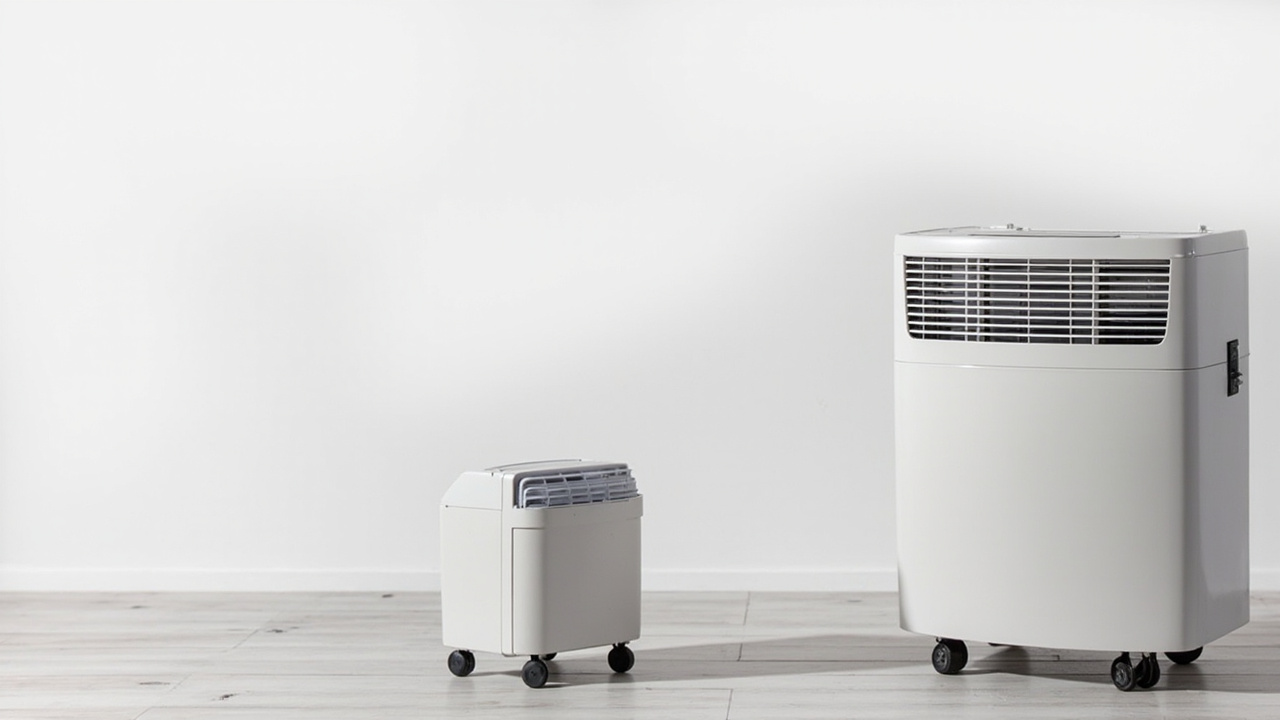
Portable dehumidifiers are standalone appliances that you plug into a wall outlet. They are small and easy to move from one room to another. Many North Miami residents use them in laundry rooms or small bedrooms where moisture tends to collect. These units are affordable upfront. You can buy one today and have it running in minutes. They work by pulling air over cold coils to condense the water. The water then drips into a bucket that you must empty regularly. Some models allow you to connect a hose for continuous drainage, but this requires a nearby floor drain which many Florida homes lack.
While portable units are convenient, they have significant drawbacks. They are loud and generate heat while they run. If you use a portable unit in your bedroom, the compressor noise might disrupt your sleep. These units are also limited by their capacity. Most are rated to cover a single room or a small apartment. If you try to dehumidify a large open-plan home in San Souci with a portable unit, the machine will run constantly without ever reaching your target humidity level. This leads to higher electricity bills and a shorter lifespan for the appliance. In a world where energy efficiency is a priority, relying on multiple portable units is often the most expensive way to manage moisture.
The Advantages of Whole House Dehumidifier Systems
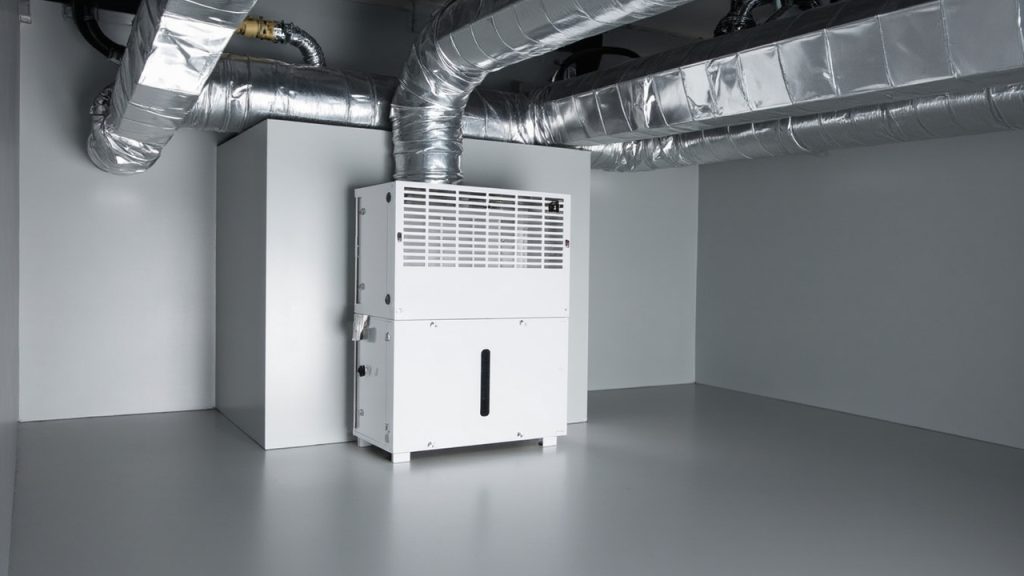
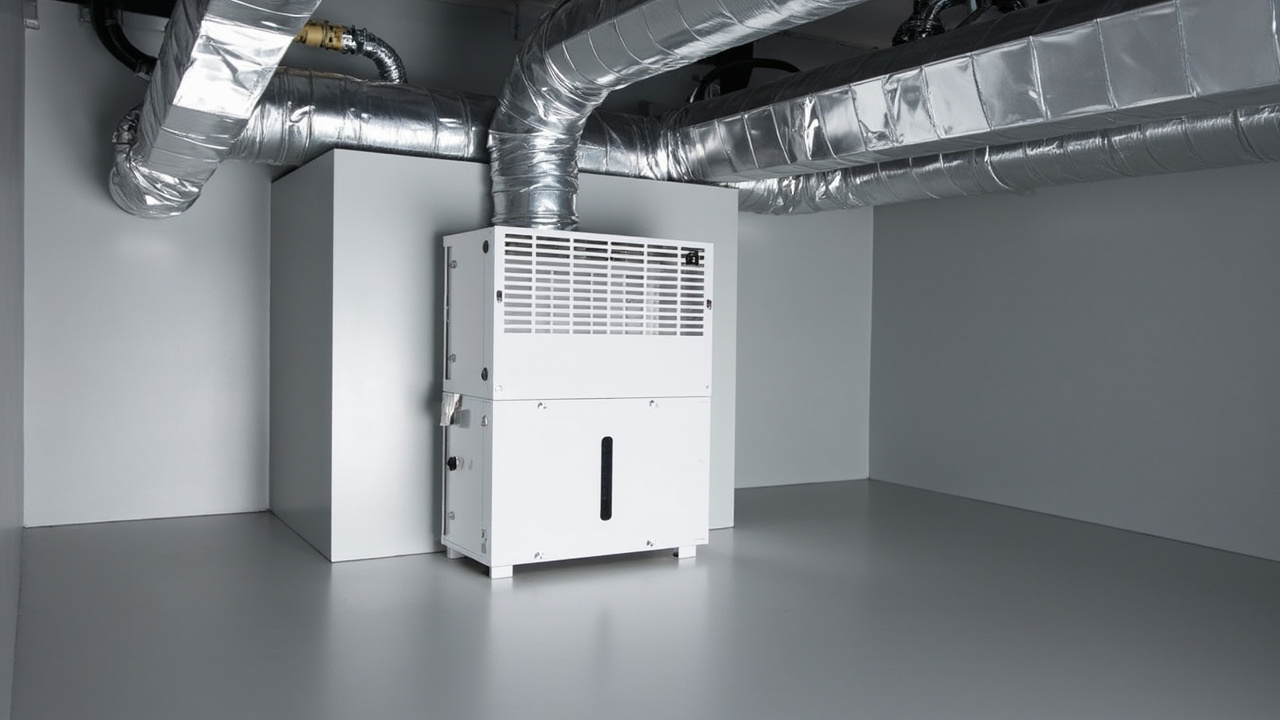
A whole-house dehumidifier integrates directly with your existing HVAC system. It is usually installed in the attic or a mechanical closet next to your air handler. These systems treat the air as it moves through your ductwork before it ever reaches your living space. This ensures that every room in your home stays at a consistent humidity level. These units are significantly more powerful than portable models. They can remove 70 to 150 pints of water per day depending on the size of your home. They are also much quieter because the mechanical components are located away from your living areas.
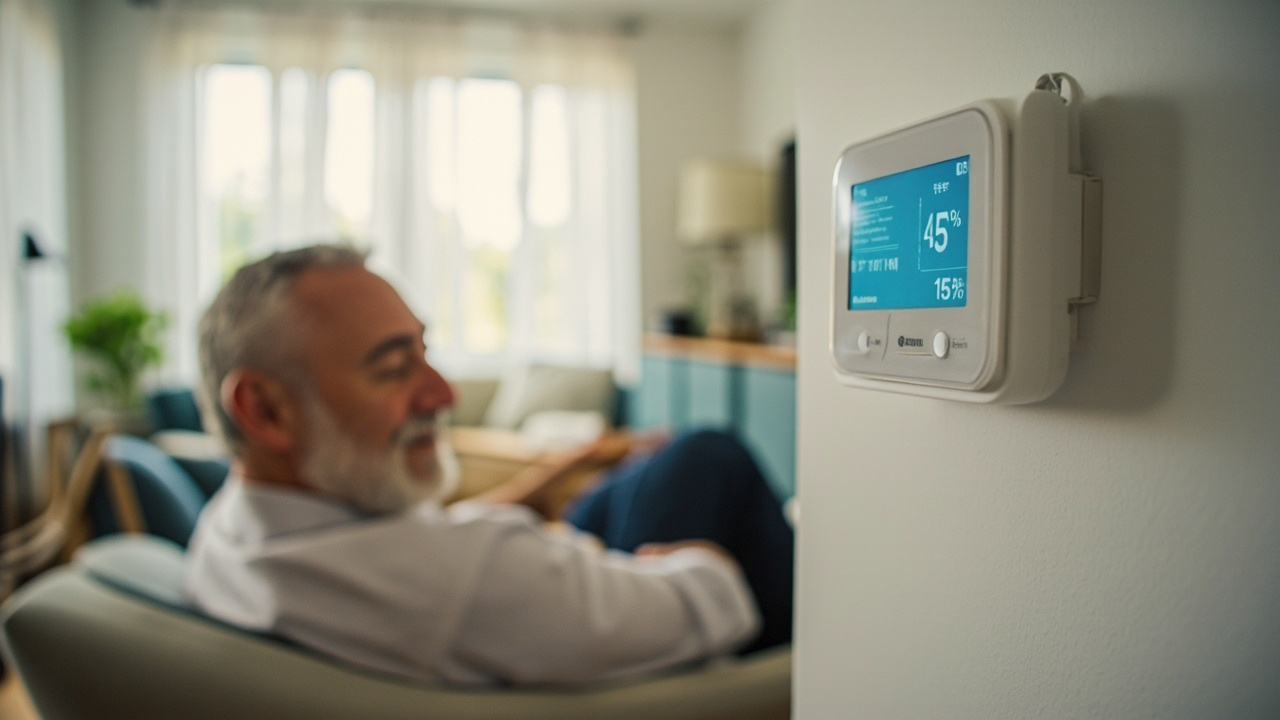
One of the biggest benefits of a whole-house system is the hands-off operation. These units are tied into your home drainage system. You never have to empty a bucket. You control the settings through a dedicated humidistat or a smart thermostat. When your indoor air quality reaches a certain threshold, the unit turns on automatically. This is especially useful for owners of seasonal properties who need to maintain their homes while they are away. If you are looking for specialized AC maintenance needs for Brickell condo owners or North Miami residents, you know that consistent moisture control is the best way to prevent mold during the rainy season.
Comparison of Capacity and Performance
To choose the right equipment, you must compare the performance metrics. The following table shows the typical differences between a high-end portable unit and a standard whole-house system for a 2,000 square foot home.
| Feature | Portable Dehumidifier | Whole House Dehumidifier |
|---|---|---|
| Removal Capacity | 20 to 50 pints per day | 70 to 150 pints per day |
| Coverage Area | 300 to 800 square feet | 2,000 to 5,000 square feet |
| Noise Level | 50 to 65 decibels | Virtually silent in living areas |
| Drainage | Manual bucket or gravity hose | Directly piped to drain line |
| Installation | None (Plug and play) | Professional HVAC integration |
Impact on Your HVAC System and Energy Bills
Many people believe that adding a dehumidifier will increase their energy costs. The opposite is often true in the current 2026 energy market. When the air is dry, you feel cooler at higher temperatures. This is because your body can evaporate sweat more efficiently. If you maintain your home at 45 percent humidity, you might feel comfortable with your thermostat set at 76 degrees. Without a dehumidifier, you might need to drop the thermostat to 72 degrees to feel the same level of comfort. This allows your primary air conditioner to run less frequently. Reducing the load on your AC extends its lifespan and lowers your monthly bill from Florida Power and Light.
Integration with your current system is a key part of the process. If you are already finding a reliable AC installation team for a replacement unit, that is the perfect time to add a dehumidifier. The two systems work together to create a perfect indoor environment. The dehumidifier takes over the moisture removal duties during the mild, humid months when your AC does not need to run for cooling. This prevents the indoor air from becoming stagnant and damp during the spring and fall transitions in North Miami.
Health Benefits and Mold Prevention
High humidity is the leading cause of mold growth in South Florida homes. Mold spores thrive in environments where the relative humidity stays above 60 percent. This can lead to respiratory issues, allergies, and damage to your personal belongings. Dust mites also flourish in damp air. By keeping your humidity between 40 and 50 percent, you create a hostile environment for these pests and allergens. This is vital for families with asthma or other breathing sensitivities. The EPA Indoor Air Quality guidelines suggest that controlling moisture is the single most important step in maintaining a healthy home.
In North Miami, the salt air can also play a role in how moisture affects your home. If you have salt residue on surfaces, it will attract moisture from the air. This can lead to corrosion of electronic components and metal fixtures. Controlling the indoor humidity helps mitigate these effects. You should also learn how to stop Miami salt air from destroying your outdoor AC unit to ensure your entire system stays healthy. A whole-house dehumidifier protects your indoor investment while proper maintenance protects your outdoor equipment.
Maintenance and Lifespan Comparison
Maintenance requirements differ significantly between the two types of units. Portable units require daily attention. You must empty the bucket and clean the small air filter every few weeks. Because they are often built with cheaper components, portable units typically last three to five years before the compressor or fan fails. They are considered disposable appliances in the modern HVAC industry.
Whole-house systems are built for longevity. They are constructed with heavy-duty components designed to last 10 to 15 years. Maintenance is much simpler. You usually only need to change the dedicated air filter once or twice a year during your regular HVAC tune-up. Professional technicians check the drainage lines and the refrigerant levels to ensure the unit is running at peak efficiency. This regular service prevents unexpected failures. When your AC fails in the middle of a Miami heatwave, having a secondary moisture control system can keep your home habitable while you wait for repairs.
| Maintenance Task | Portable Unit Frequency | Whole House Unit Frequency |
|---|---|---|
| Emptying Water | Every 6 to 24 hours | Never (Automatic) |
| Filter Cleaning | Every 250 hours of use | Every 6 to 12 months |
| Professional Inspection | Not available | Annually with HVAC service |
| Coil Cleaning | Difficult for consumers | Included in annual service |
Selecting the Right Brand for North Miami
Not all dehumidifiers are equal. In our coastal environment, you need a unit that can withstand the workload. Brands like Aprilaire, Santa Fe, and Honeywell are the current industry leaders in 2026. These manufacturers offer units with high energy star ratings and robust warranties. When selecting a model, look for features like built-in sensors and corrosion-resistant coils. These are essential for homes near the water where the air is more aggressive.
If you live in areas like Doral or Sweetwater, you may face similar humidity issues. Consulting with AC repair technicians serving Doral and Sweetwater can provide insight into which brands perform best in those specific micro-climates. A local expert will calculate the square footage and the infiltration rate of your home to recommend the perfect size. Sizing is critical because an oversized unit will short-cycle and an undersized unit will never reach the target humidity level.
Steps for a Professional Installation
- Perform a home humidity audit to identify moisture sources.
- Calculate the required pint capacity based on square footage and air leakage.
- Identify the best location for the unit in the attic or utility closet.
- Connect the dehumidifier to the existing supply and return ductwork.
- Install a dedicated condensate drain line with a trap and safety switch.
- Mount a humidistat or integrate the controls into a smart thermostat.
- Calibrate the system to maintain the ideal 45 to 50 percent range.
The transition to a whole-house dehumidifier is a significant upgrade for any North Miami home. It changes the way you experience your indoor environment. You will notice that towels dry faster in the bathroom. Your bed linens will feel crisp instead of damp. Most importantly, you gain peace of mind knowing that your home is protected from the long-term effects of mold and mildew. While the upfront cost is higher than a portable unit, the long-term savings in energy and health make it the superior choice for permanent residents. If you are tired of fighting the sticky Florida air, it is time to consider a professional solution that treats your entire home.
Proper moisture control is not just about comfort. It is about protecting the structural integrity of your property. Excessive moisture can rot floor joists and foster colonies of termites. By investing in a high-quality dehumidification system, you are making a commitment to the longevity of your North Miami residence. Contact a local HVAC specialist to discuss your options and find a system that fits your budget and your needs.