
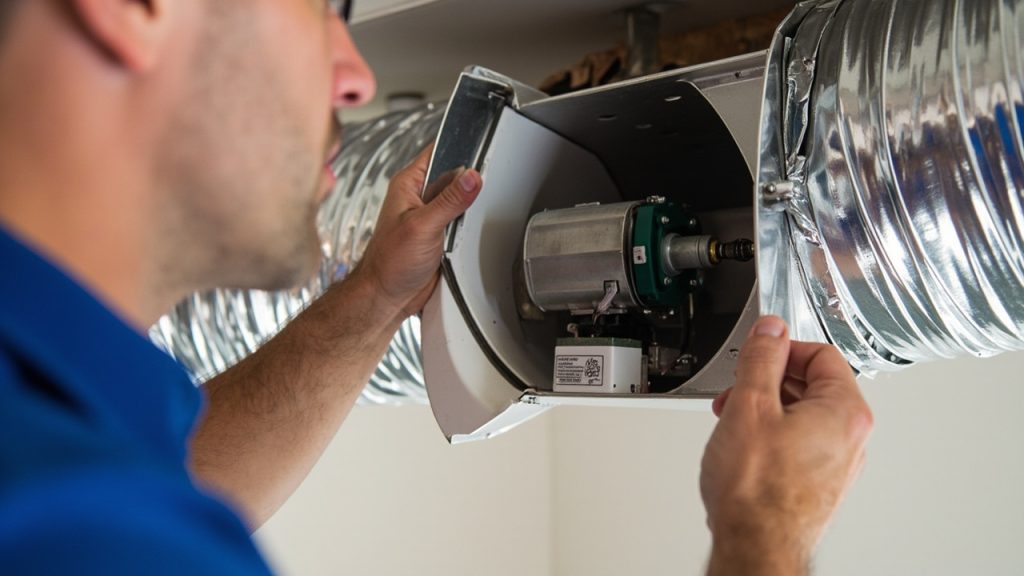
Miami heat is constant. In 2026, residents face high humidity and rising energy costs that make cooling a home expensive. You likely have rooms in your house that you rarely use during the day. You might have a guest bedroom in Pinecrest or a formal dining room in Coral Gables that stays empty until the weekend. A standard air conditioning system cools every inch of your home regardless of where you are standing. This waste of energy leads to high FPL bills. Zoning changes the way your home handles temperature control by dividing your living space into separate areas with independent controls.
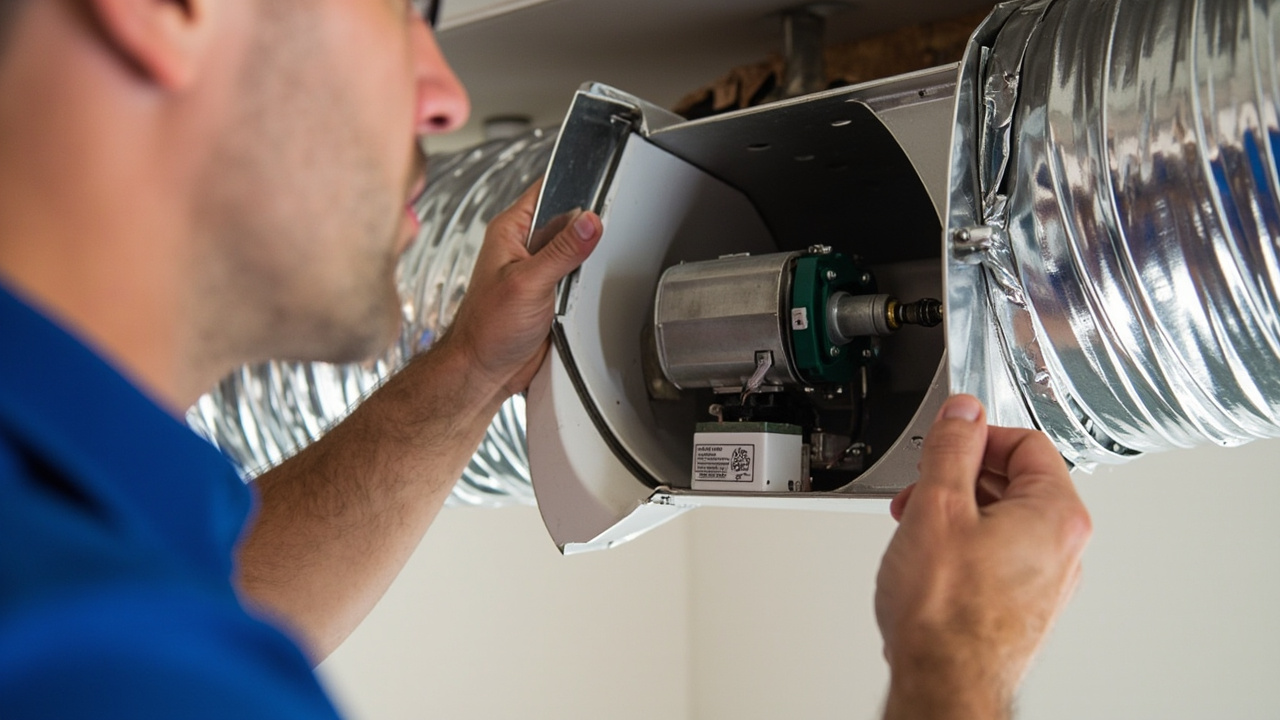
Understanding the Mechanics of Miami HVAC Zoning
HVAC zoning uses a series of motorized dampers installed within your existing ductwork. These dampers act like gates. They open or close based on the specific cooling needs of a room or zone. A central control panel communicates with multiple thermostats placed throughout your house. When you set the temperature for your upstairs master suite, the system focuses its efforts there. It closes the dampers to the downstairs living area if that zone is already cool. This prevents the unit from working harder than necessary to maintain comfort in unoccupied spaces.
Modern systems in 2026 often feature variable speed compressors. These units pair perfectly with zoning. A variable speed motor can slow down or speed up to match the specific airflow requirements of a single zone. This is much better than older systems that only had two speeds. If only one small zone needs cooling, the compressor runs at a lower capacity. This uses less electricity and reduces the wear on your equipment. You avoid the constant cycling on and off that destroys AC units in the humid South Florida environment.
For those living in multi-story homes near Coconut Grove, zoning is the only way to fix the heat rise problem. Heat naturally moves to the second floor. A single thermostat on the ground floor cannot accurately read the temperature in an upstairs bedroom. Zoning allows you to have a dedicated thermostat for each floor. This ensures the upstairs stays cool without freezing out everyone on the first floor. You can find more information about optimizing comfort from the U.S. Department of Energy regarding modern efficiency standards.
Energy Savings and Humidity Control in the Tropics
Miami residents deal with some of the highest humidity levels in the country. In 2026, average humidity often exceeds 80 percent during the summer months. When your AC system cools the entire house just to lower the temperature in one room, it often fails to properly dehumidify the air. Short cycling occurs because the unit reaches the temperature setting too quickly and shuts off before it can remove moisture. This leads to a clammy feeling and potential mold growth in areas like Doral or Sweetwater.
Zoning allows for longer, more efficient cooling cycles in specific areas. By focusing the airflow, the system can run long enough to pull significant moisture out of the air. This improves indoor air quality and makes the air feel cooler at a higher temperature setting. If the air is dry, you might feel comfortable at 75 degrees instead of 72 degrees. This small adjustment saves a significant amount on your monthly electric bill. If you are currently dealing with a system that cannot keep up, you should learn what to do when your AC fails in the middle of a Miami heatwave.
| System Component | Role in Zoning | Estimated Lifespan in 2026 |
|---|---|---|
| Motorized Dampers | Regulate airflow to specific zones | 10 to 15 years |
| Zone Control Panel | The brain that coordinates thermostats | 15 plus years |
| Smart Thermostats | User interface for temperature settings | 5 to 8 years |
| Variable Speed Air Handler | Adjusts fan speed for zone pressure | 12 to 15 years |
Zoning vs Ductless Mini Split Systems
Many homeowners in the Brickell area ask if they should install a zoned ducted system or switch to ductless mini-splits. Both have benefits in 2026. A zoned ducted system is ideal if you already have a high-quality central AC unit and functional ductwork. It is a cost-effective way to gain control over individual rooms without mounting units on every wall. However, if you are living in a high-rise, specialized AC maintenance needs for Brickell condo owners in high rise buildings often dictate which system is feasible due to space constraints.
Ductless systems offer even more granular control but require more invasive installation for the refrigerant lines. In older Miami homes with limited attic space, ductless might be the only option. For most modern residential homes in suburbs like South Miami, a zoned central system provides the best return on investment. It maintains the aesthetic of your home while providing the comfort of localized cooling. You can also view FPL energy saving programs to see if your upgrade qualifies for any current local incentives.
Protecting Your Investment from Local Environmental Factors
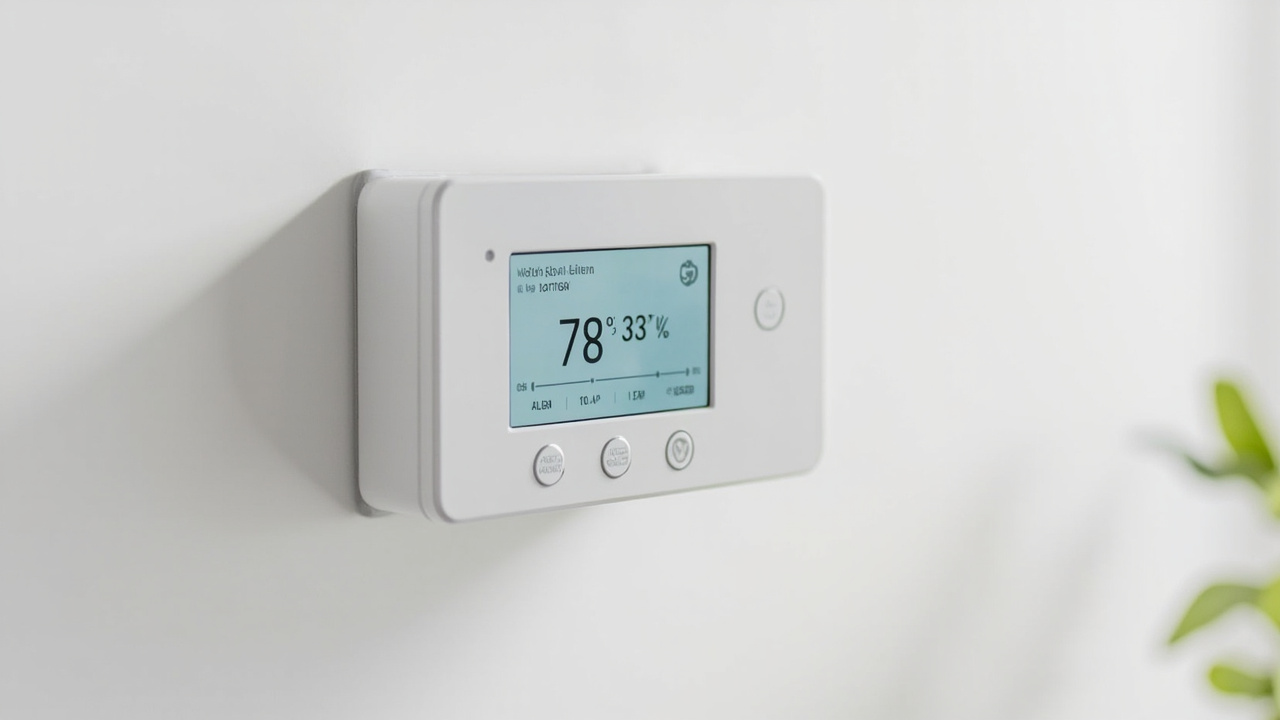
Living near the coast means your AC equipment faces salt air corrosion every day. This is a major factor for residents in Key Biscayne or Miami Beach. If you invest in a sophisticated zoning system, you must protect the outdoor condenser unit. Salt air can eat through aluminum fins and copper tubing in just a few years if left untreated. You should understand how to stop Miami salt air from destroying your outdoor AC unit to ensure your investment lasts as long as possible.
The electronic components of a zoning system are also sensitive to the frequent lightning strikes and power surges common in Miami-Dade County. We recommend high-grade surge protection for the control panel and the outdoor unit. In 2026, many zoning panels come with built-in diagnostics that can alert you to a failing damper motor or a thermostat communication error. This prevents minor issues from turning into expensive repairs during the peak of summer.
The Importance of Professional Load Calculations
You cannot simply slap dampers into a duct system and expect it to work. A professional must perform a manual J load calculation. This determines the exact amount of cooling each room needs based on its size, window orientation, and insulation quality. If a zone is too small for the amount of air being pushed into it, the static pressure will rise. This can cause the evaporator coil to freeze or damage the blower motor.
Experienced technicians use bypass dampers or barometric relief vents to handle excess air pressure. This ensures the system runs quietly and efficiently. When you are finding a reliable AC installation team for your home in Coral Gables, ask about their experience with static pressure testing. A poorly designed zoning system will lead to noisy vents and frequent mechanical failures.
| Zoning Strategy | Best Application | Primary Benefit |
|---|---|---|
| Floor by Floor | Multi-story homes in Coconut Grove | Corrects heat rise issues |
| Living vs Sleeping | Single story ranch homes | Saves energy at night |
| Addition Only | New sunrooms or garage conversions | Prevents overloading main system |
| High Occupancy | Homes with home offices or gyms | Targeted cooling during work hours |
Real World Benefits for Miami Families
Imagine it is a typical Tuesday in 2026. The temperature outside is 94 degrees with a heat index of 105. You are working from your home office in Doral. With a standard system, you would have to cool your entire 2,500 square foot home just to stay comfortable in your 150 square foot office. With zoning, you can set the rest of the house to 78 degrees while keeping your office at a crisp 72 degrees. This reduces the load on your compressor significantly.
At night, the process reverses. You can cool the bedrooms to 70 degrees for a good night of sleep while allowing the kitchen and living room to drift up to 80 degrees. Since no one is using those rooms, there is no reason to pay for that cooling. This strategy can save you twenty to thirty percent on your cooling costs. Over the course of a long Miami summer, those savings add up to hundreds of dollars. If you ever run into trouble with your settings, the most trusted AC repair technicians serving Doral and Sweetwater can help calibrate your zone sensors.
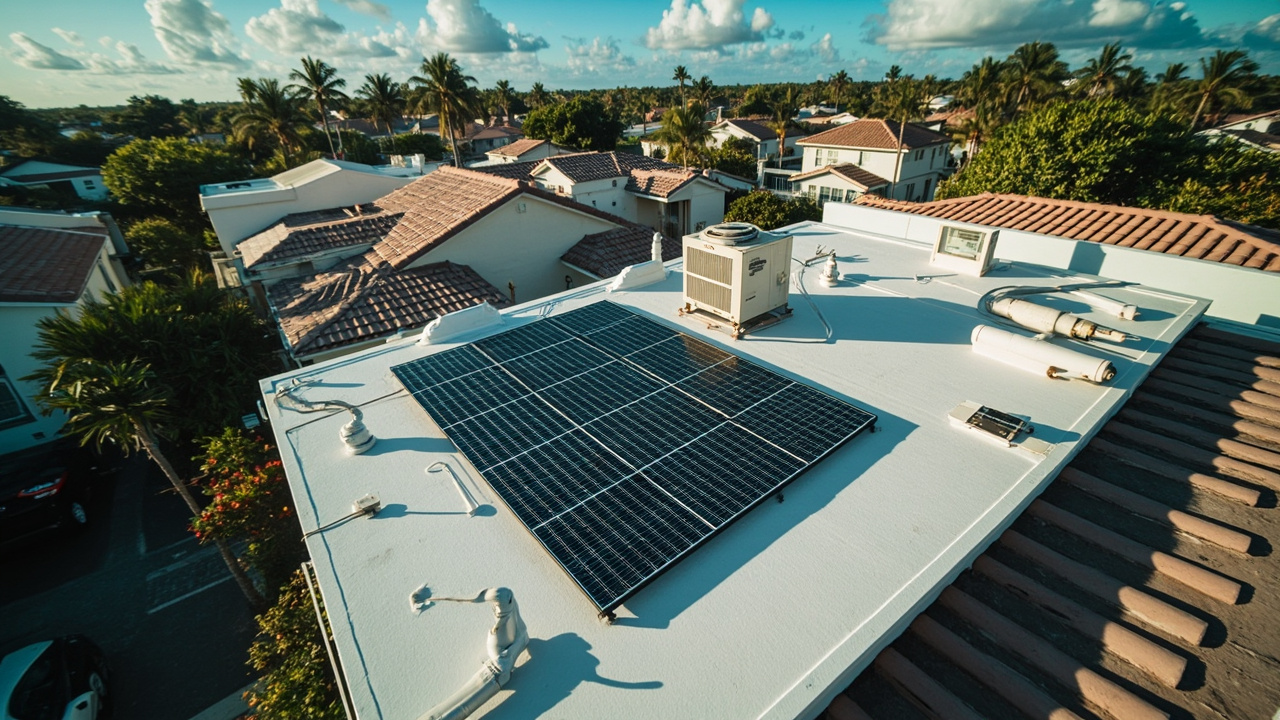
Key Features to Look for in 2026 Zoning Systems
- Smart phone integration for remote temperature adjustments in every zone.
- Variable speed compatibility to maximize electricity savings.
- Brushless damper motors for silent operation within the ductwork.
- Humidity sensors in every zone to prevent localized mold growth.
- Detailed energy usage reports via the central control panel.
Installation of these systems requires a deep understanding of airflow dynamics. Our team has spent years perfecting these installations in the unique architectural styles of South Florida. From the historic homes in Opa-locka to the modern builds in West Miami, we know how to adapt ductwork for peak performance. We focus on durability because we know how the local environment treats mechanical equipment.
The shift toward zoned cooling is one of the most effective ways to combat the high cost of living in Miami. It provides a level of comfort that a single thermostat system simply cannot match. You no longer have to choose between an affordable electric bill and a cool bedroom. Zoning gives you both by putting you in control of where your cooling dollars go. If your current system is more than ten years old, it is the perfect time to evaluate if a zoning upgrade is right for your home. Contact a local expert to walk through your floor plan and identify the best zone locations for your lifestyle.