
Miami Humidity and Your Little Havana Bungalow
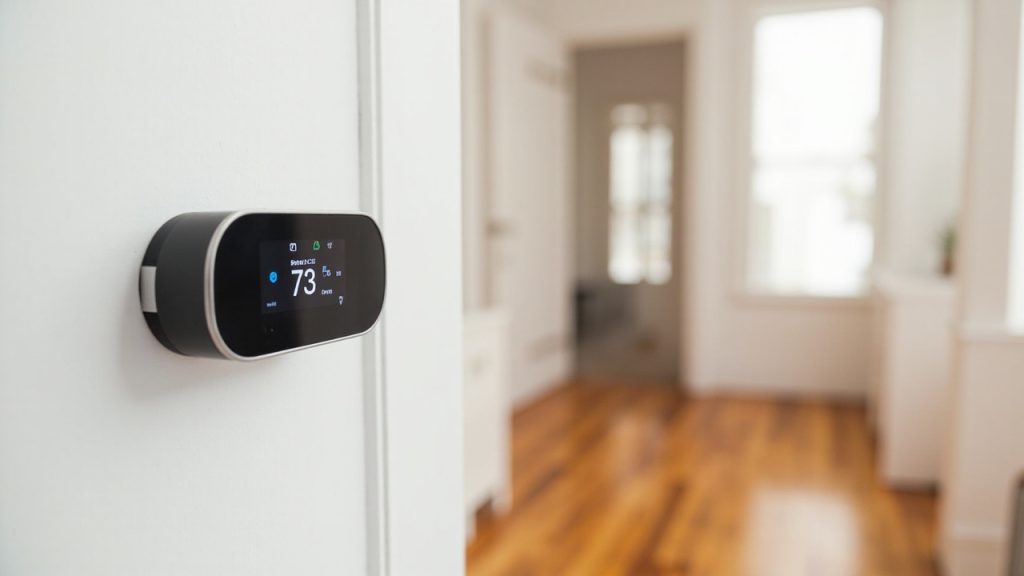
The heat in Little Havana during 2026 reached record levels. Traditional wood-frame bungalows in this historic neighborhood face unique cooling challenges. These homes often feature Dade County Pine and crawl spaces that trap moisture. When you leave your home for the day or a long weekend, the humidity inside can rise above 70 percent. This level of moisture leads to mold growth on drywall and furniture. You need a thermostat that manages more than just the temperature. You need a system that understands the relationship between heat and water vapor.
Modern smart thermostats help you control your indoor climate from anywhere in the world. This technology allows you to monitor your home while you work in Brickell or vacation in the Keys. For residents in Little Havana, the primary goal is preventing the indoor environment from becoming a swamp. High-efficiency cooling units require precise control to operate correctly. Without the right settings, your system might short-cycle, which means it turns on and off too quickly to remove moisture effectively.
Why Humidity Control Matters for Miami Homeowners
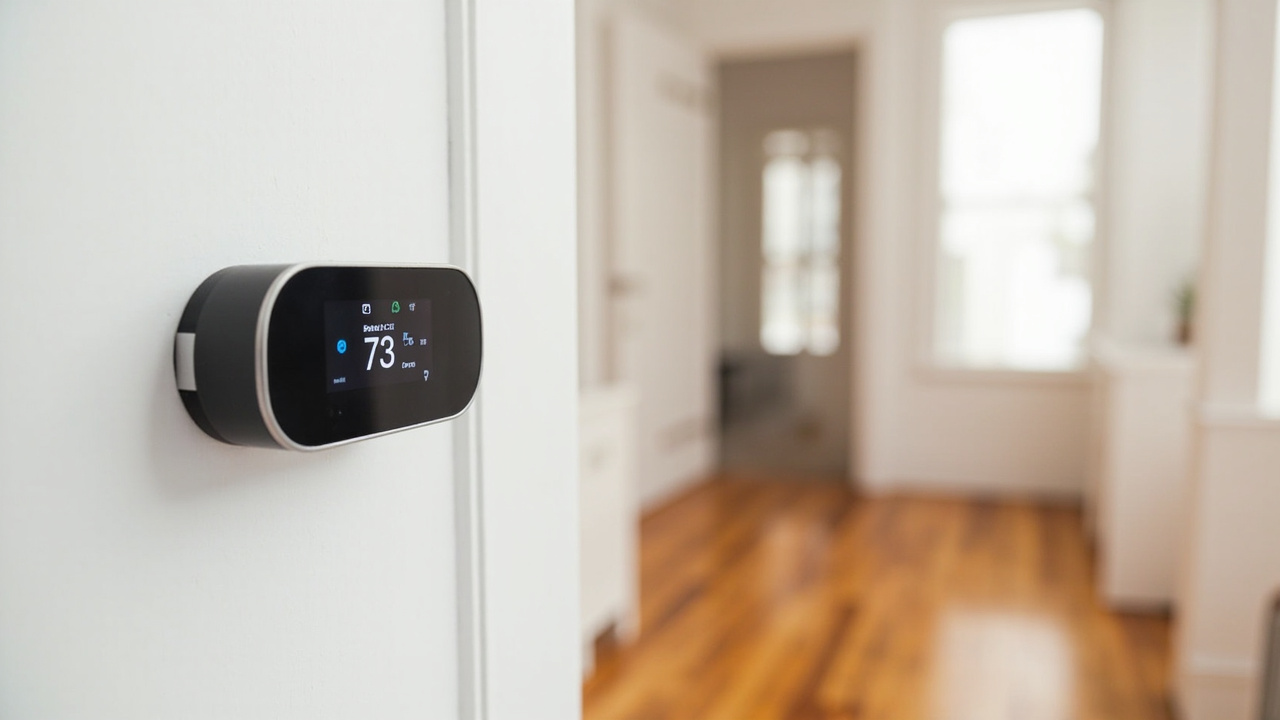
Miami averages high relative humidity throughout the year. In 2026, we see even more volatile weather patterns. Your air conditioner acts as a dehumidifier, but it only removes water when the compressor is running. If your thermostat only looks at the temperature, it might turn the system off before the air is dry. This leaves you with a cold but damp house. Damp air feels warmer than dry air at the same temperature, which often leads people to lower their settings even further, wasting money on electricity.
A smart thermostat with a built-in humidity sensor solves this problem. These devices can trigger an overcooling mode. Overcooling allows the air conditioner to run past your target temperature by a few degrees if the humidity is still too high. This is essential for bungalows that lack modern vapor barriers. Keeping the indoor humidity below 55 percent is the best way to prevent biological growth and protect your property. If your system fails during a hot afternoon, you need to know what to do when your AC fails in the middle of a Miami heatwave to avoid rapid moisture buildup.
Best Thermostats for Humid Climates
When selecting a device for your Miami home, look for models with dedicated dehumidification terminals. These are often labeled as DHUM on the wiring board. This feature allows the thermostat to slow down your indoor fan motor. A slower fan means the air stays in contact with the cold evaporator coil longer, which pulls more water out of the air. This technical setup is far more effective than basic temperature control. Many homeowners in Coral Gables are already switching to these advanced systems to protect their historic estates.
Ecobee Smart Thermostat Premium
The Ecobee Premium is a top choice for South Florida residents in 2026. It includes a high-quality zinc housing that resists the moisture in our air. The remote sensors are the most useful feature for a bungalow. You can place a sensor in a back bedroom that tends to get hot and another in the living room. The thermostat averages these readings to ensure every corner stays dry. It also monitors the outdoor weather in Miami to adjust its cooling algorithms. This model requires a C-wire to provide constant power for the Wi-Fi and sensors.
Honeywell Home T10 Pro Smart
The Honeywell T10 Pro is a favorite among professional technicians. It offers advanced staging for systems with variable-speed compressors. If you have a high-end unit, this thermostat can communicate with the equipment to provide exact airflow levels. It is built to handle the heavy use seen in Miami where systems run nearly 3,000 hours per year. The interface is simple, but the backend settings allow for deep customization of humidity setpoints. This is a reliable choice for those who want a set-and-forget solution.
Nest Learning Thermostat Fourth Generation
The latest Nest model uses AI to learn your schedule. In 2026, the software is better than ever at predicting when you will return home. It uses a feature called Cool to Dry which specifically targets humidity. If the sensor detects a spike in moisture while you are away, it will run the air conditioner to bring levels back to safety. This is particularly helpful for bungalows near the Miami River where the air is naturally more humid. It works well for homeowners who want an intuitive design and easy smartphone integration.
Comparing the Best Thermostats for Miami Homes
| Feature | Ecobee Premium | Honeywell T10 Pro | Nest Generation 4 |
|---|---|---|---|
| Humidity Sensor | Built-in and Remote | Built-in and Remote | Built-in |
| Dehumidification Mode | Advanced Overcooling | Staged Control | Cool to Dry |
| C-Wire Required | Yes | Yes | Yes |
| Remote Access | App and Web | App only | App only |
| Local Miami Support | High | Excellent | Moderate |
How Thermostat Placement Affects Performance
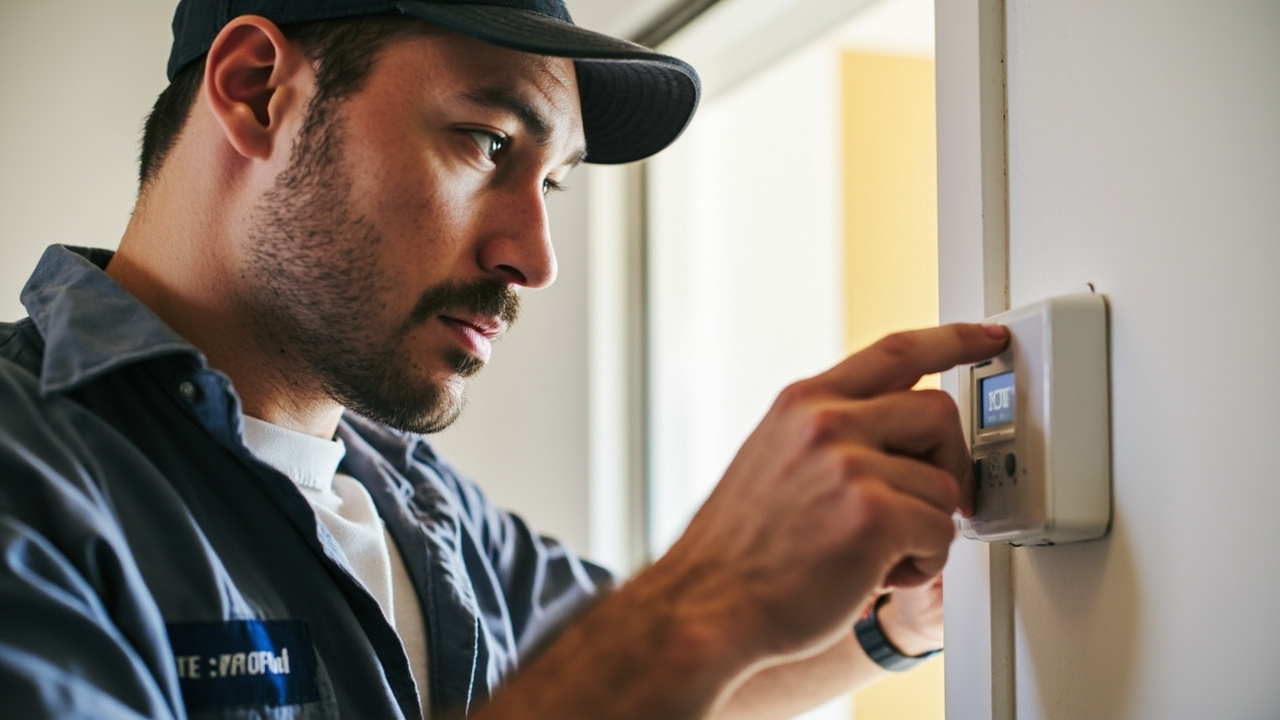
The location of your thermostat in a Little Havana bungalow is critical. These homes often have large windows and open floor plans that create drafts. If you place your thermostat near a window, the direct sunlight will heat the sensor. This causes the air conditioner to run too much, which wastes energy. If you place it near the kitchen, the heat from cooking will trigger the cooling system even when the rest of the house is comfortable.
You should install the thermostat on an interior wall away from direct airflow. It should be roughly five feet above the floor to get an accurate reading of the air you breathe. In older homes, we often see thermostats placed in hallways where the air is stagnant. This leads to poor performance. If you are unsure about the best spot, you should talk to finding a reliable AC installation team for your home in Coral Gables or Little Havana to assist with the move.
Technical Wiring Requirements for Miami HVAC Systems
Most smart thermostats in 2026 require a common wire, or C-wire. Older bungalows often have only two or four wires running to the thermostat. These old wires cannot provide the constant power needed for Wi-Fi connectivity and color screens. Some people try to use power extender kits, but these can cause issues with your control board over time. The best practice is to pull a new thermostat cable with at least eight conductors. This gives you extra wires for dehumidification control and future upgrades.
If your bungalow has an older system, you might need an professional to check the compatibility of the transformer. Smart thermostats draw more power than the simple mercury switches of the past. Upgrading your transformer is a small step that prevents the system from blowing a fuse during a heatwave. This is a common service we perform for the most trusted AC repair technicians serving Doral and Sweetwater when they visit older residential properties.
Ideal Humidity Settings for Miami Residents
| Outdoor Condition | Target Indoor Humidity | Thermostat Setting |
|---|---|---|
| Summer Heatwave | 45 to 50 percent | 74 to 76 Degrees |
| Rainy Season | 50 to 55 percent | 75 Degrees |
| Mild Winter | 50 percent | 72 to 74 Degrees |
| Vacation Mode | Max 58 percent | 78 to 80 Degrees |
The Role of Variable Speed Technology
A smart thermostat performs best when paired with a variable-speed air handler. Traditional systems are either 100 percent on or 100 percent off. Variable-speed systems can run at 30 percent capacity. This allows the system to run for longer cycles at a lower speed. Longer cycles are the key to humidity removal. The American Society of Heating, Refrigerating and Air-Conditioning Engineers provides standards that emphasize the importance of continuous dehumidification in hot and humid climates.
When your thermostat tells the system that the humidity is high, a variable-speed unit will slow down. It keeps the coil cold and keeps the air moving slowly. This process rings the water out of the air like a sponge. In Little Havana bungalows, this prevents that sticky feeling on your skin. It also protects your electronics and musical instruments from moisture damage. For those living in high-rise environments, the needs are slightly different, as discussed in our guide for specialized AC maintenance needs for Brickell condo owners in high rise buildings.
Protecting Your Equipment from Salt Air
If your Little Havana bungalow is close to the water, salt air is a major concern. Salt air causes corrosion on the delicate sensors and wiring of your outdoor unit. This can lead to communication errors between your smart thermostat and the compressor. You might see a message on your screen saying the outdoor unit is not responding. This is why many locals search for how to stop Miami salt air from destroying your outdoor AC unit during their annual maintenance check.
Keeping your outdoor coils clean ensures that the thermostat can accurately manage the cooling cycles. If the coils are clogged with salt and dirt, the system has to work harder and run longer. This confuses the smart algorithms in the thermostat and leads to higher energy bills. A clean system responds immediately to the commands from your smart device, providing the exact climate you want.
Essential Features for Your New Thermostat
- Dual-band Wi-Fi for better connectivity in thick-walled bungalows.
- Relative humidity sensors with at least 2 percent accuracy.
- Geofencing to turn the AC down when you leave Southwest 8th Street.
- Filter change reminders based on actual run time, not just a calendar.
- Compatibility with Apple HomeKit, Amazon Alexa, or Google Home.
- Local weather integration to predict cooling needs before the sun hits the roof.
Maintaining Your Indoor Air Quality
A smart thermostat is just one part of a healthy home. In 2026, indoor air quality is a major focus for Miami families. Proper cooling and humidity control prevent the spread of dust mites and mold spores. You should also look into high-efficiency air filters. Some smart thermostats can monitor the static pressure in your ducts. If the pressure gets too high, it means your filter is clogged. Replacing your filter regularly helps the thermostat maintain the correct airflow for dehumidification.
If you notice a musty smell when the AC turns on, your thermostat might be set to run the fan too much after the cooling cycle ends. This can blow moisture off the evaporator coil and back into your home. A professional can help you adjust the fan-off delay settings on your smart device to prevent this. This technical adjustment is a small change that makes a big difference in how your home feels.
Choosing the right smart thermostat for your Little Havana bungalow is an investment in your comfort and your property. By focusing on humidity control and professional installation, you can keep your home safe from the Miami heat even when you are away. Ensure your cooling system is ready for the challenges of 2026 by selecting a device that handles the unique needs of the South Florida climate. If you need assistance choosing a model or upgrading your wiring, reach out to a local expert who understands the specific architectural styles of Miami-Dade County.