
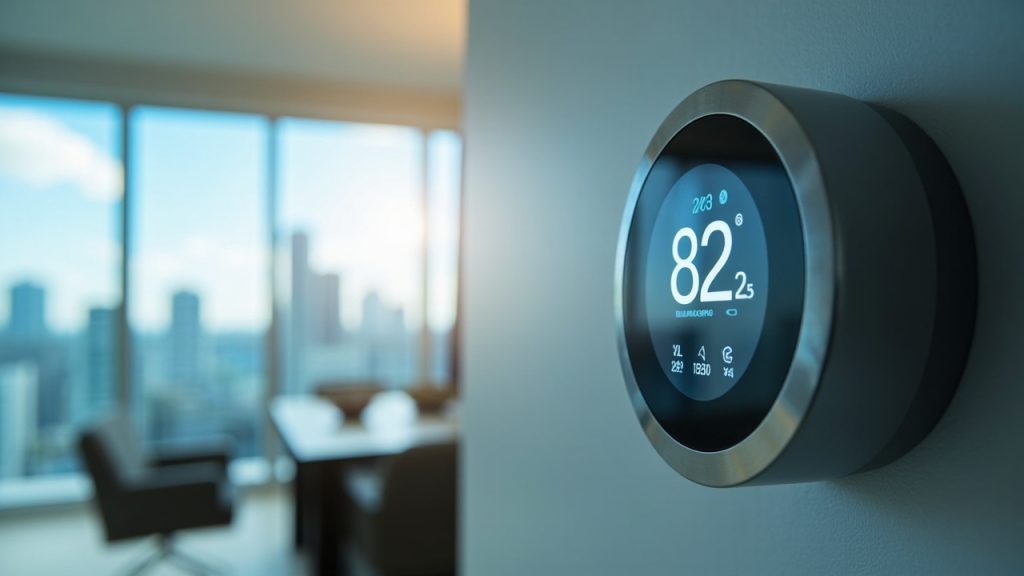
Miami heat in 2026 is no joke. When the air conditioning stops working in your Brickell condo or your rental home in Coral Gables, the temperature inside can hit 90 degrees in less than two hours. This creates an immediate crisis for families and property owners. Many people assume Florida state law requires every landlord to provide air conditioning, but the reality in Miami is more specific than the rest of the state. You need to know exactly where the law stands so you can get your home cool again without unnecessary delays or legal mistakes.
The legal framework for rental cooling in South Florida is a mix of state statutes and local county ordinances. While Florida Statute 83.51 sets the baseline for landlord responsibilities, Miami-Dade County has much stricter requirements than many other parts of the state. If you are living in a rental unit within the county, you have protections that someone in a different part of Florida might not have. Understanding these nuances is the first step to resolving a dispute over a broken compressor or a leaking evaporator coil.
Air Conditioning Requirements Under Miami Dade County Code
Many landlords believe that air conditioning is an optional amenity. In some parts of the United States, that is true. Even in some rural parts of Florida, the law only requires landlords to provide heat and running water. But Miami-Dade County Code Section 17-27 changed that for local residents. This ordinance treats cooling as a necessity for habitability due to the extreme tropical climate we face every year.
Under current 2026 local standards, every rental unit in Miami-Dade must be capable of maintaining a safe temperature. If your landlord provides an AC system, they must maintain it in good working order. If the system fails, it is not just an inconvenience. It is often a code violation. This applies to high rise apartments in Edgewater just as much as it applies to single family homes in Doral. If you are wondering what to do when your AC fails in the middle of a Miami heatwave, the very first step is checking your lease against the local county code.
Understanding the 77 Degree Fahrenheit Maximum Temperature Rule
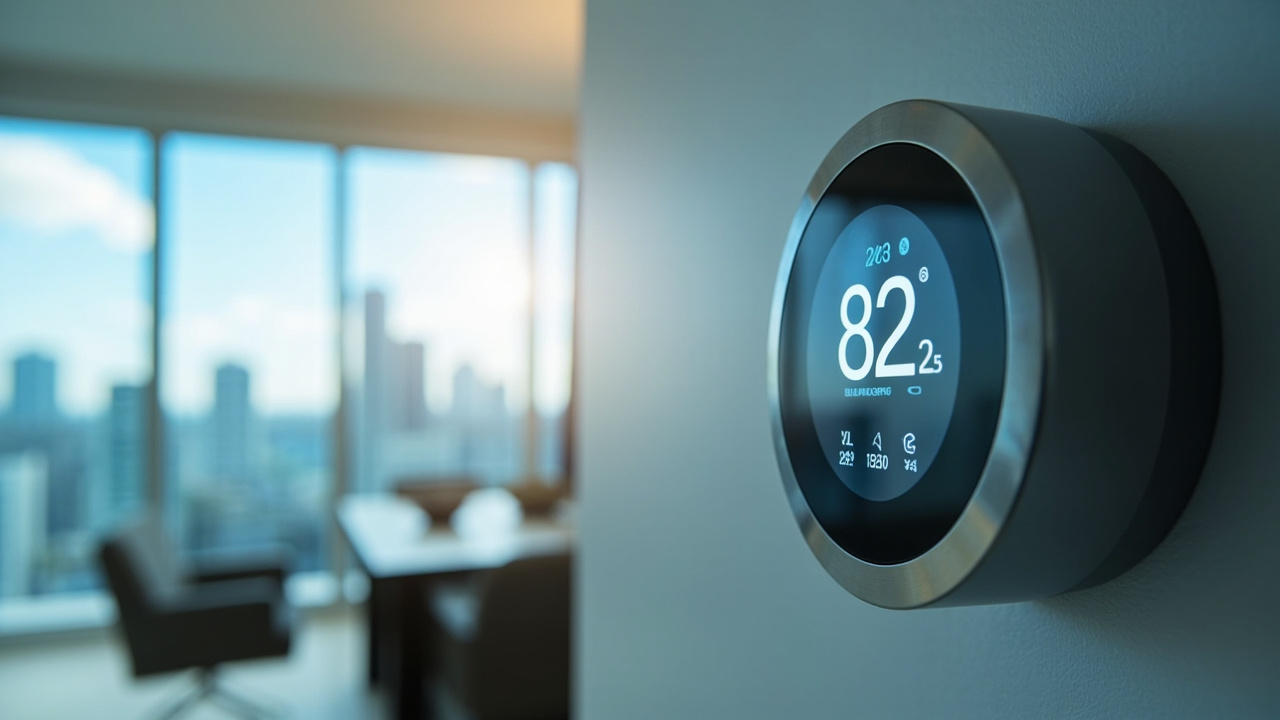
Miami-Dade County has a specific temperature threshold that defines whether a home is habitable. The law requires that residential rental units must be able to maintain an internal temperature of no more than 77 degrees Fahrenheit. This is measured in the center of the room at a height of five feet above the floor. If your AC system cannot keep the home at or below 77 degrees during a standard Miami summer afternoon, the landlord is failing their legal obligation.
This 77 degree rule is a critical piece of evidence if you need to report a landlord to code enforcement. It removes the guesswork from the conversation. You do not have to argue about whether it feels hot. You simply need to document the thermostat reading. If the system is running but the temperature is 82 degrees inside, the system is technically failed under the county code. This often happens when a landlord refuses to invest in finding a reliable AC installation team for your home in Coral Gables and instead tries to patch up an ancient R-410A unit that should have been retired years ago.
| Condition | Landlord Responsibility | Tenant Responsibility |
|---|---|---|
| Compressor Failure | Must repair or replace unit | Must provide access for repair |
| Dirty Air Filters | Usually not responsible | Monthly replacement required |
| Clogged Drain Lines | Varies by lease agreement | Must report leaks immediately |
| Thermostat Batteries | Not responsible | Standard tenant maintenance |
| Electrical Breaker Trips | Must fix wiring issues | Must check breaker before calling |
When a Tenant Is Responsible for AC Maintenance
While the landlord is responsible for the major components of the HVAC system, the tenant has daily maintenance duties. In 2026, modern high efficiency systems are sensitive to airflow. If a tenant fails to change the air filter for six months, the evaporator coil can freeze. This ice buildup can damage the blower motor or cause the drain pan to overflow. If a technician determines that the failure was caused by tenant neglect, the landlord might try to pass the repair bill to the tenant.
Tenants are also responsible for keeping the area around the indoor and outdoor units clear. In Miami, we see many cases where tenants store boxes or cleaning supplies right against the air handler. This blocks the return air and forces the system to work twice as hard. In Brickell condos, this is especially common in small utility closets. To avoid these issues, check out the specialized AC maintenance needs for Brickell condo owners in high rise buildings to ensure you are meeting your end of the rental agreement.
One of the biggest silent killers of HVAC systems in Miami is salt air. If you live within a few miles of the coast, salt spray accumulates on the condenser coils. While the landlord owns the equipment, the tenant should notify the landlord if they see signs of corrosion. Proactive communication can prevent a total system collapse. You can find more details on how to stop Miami salt air from destroying your outdoor AC unit to protect the property and your comfort.
The Correct Way to Serve a 7 Day Notice for AC Repairs
If your AC breaks and the landlord ignores your phone calls, you have legal options under Florida Statute 83.51. However, you must follow the process exactly. You cannot just stop paying rent. If you withhold rent without following the statutory notice procedure, you risk eviction. The law requires you to provide a written notice of noncompliance to the landlord.
This notice must state that the landlord has seven days to fix the problem. You must deliver this notice via certified mail with a return receipt or hand delivery with a witness. If the landlord does not make a good faith effort to repair the AC within those seven days, you may have the right to terminate the lease or seek a rent reduction through the court system. Always keep a copy of the notice and the proof of delivery. This documentation is your primary defense if the situation goes to a housing court in Miami-Dade County.
Emergency HVAC Services and Repair Timelines
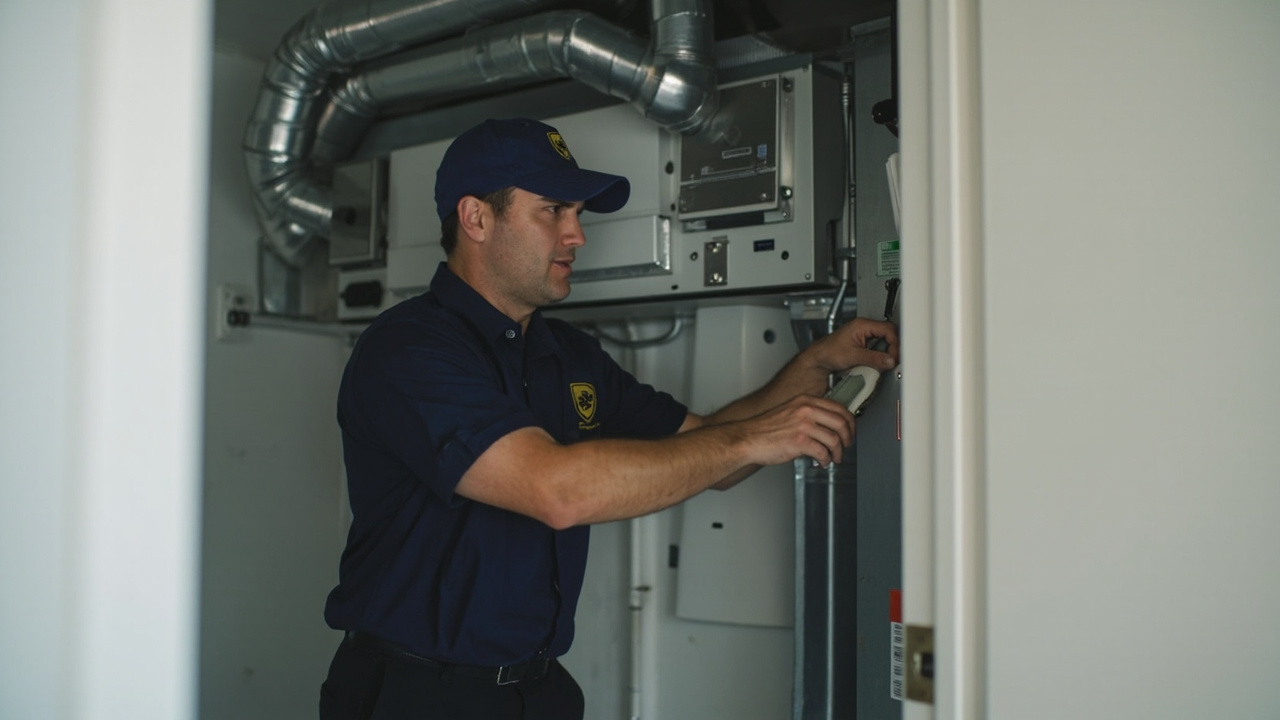
What constitutes a reasonable repair time in 2026? In the middle of July, a reasonable time is usually 24 to 48 hours. If parts need to be ordered, it might take longer, but the landlord should provide portable cooling units or fans in the meantime. If the landlord refuses to act, you may need to call the most trusted AC repair technicians serving Doral and Sweetwater to get a professional diagnostic report. Having a written report from a licensed HVAC company stating that the system is non functional and unrepairable without major work is powerful evidence.
The 2026 supply chain for HVAC parts has improved, but specific components like inverter boards or high efficiency compressors can still face delays. A good landlord will stay in constant communication about these delays. A bad landlord will use them as an excuse to do nothing. If the repair is going to take more than three days, many Miami tenants successfully negotiate for a temporary stay in a hotel or a credit on their next month of rent. This is much easier to achieve when you have a professional technician on your side who can verify the timeline of the repair.
| Issue Type | Typical Repair Time | Emergency Status |
|---|---|---|
| Refrigerant Leak | 24 to 48 Hours | High |
| Blown Capacitor | Same Day | High |
| Clogged Drain Line | Same Day | Moderate |
| Complete System Replacement | 3 to 5 Days | Critical |
| Thermostat Failure | 24 Hours | Moderate |
Professional Documentation for Rental AC Disputes
If you end up in a dispute with your landlord, documentation is your best friend. This includes more than just your 7 day notice. You should keep a log of the daily indoor temperature and photos of any damage caused by the AC failure, such as mold growth or water stains from a leaking unit. In the high humidity of Miami, mold can begin to grow within 48 hours of an AC failure. This creates a secondary health hazard that the landlord is also responsible for addressing under Miami-Dade County Code of Ordinances.
Many tenants make the mistake of hiring their own repair person and then deducting the cost from the rent. In Florida, this is extremely risky. There is no automatic right to repair and deduct. Unless your lease specifically allows it or you have written permission from the landlord, you could be held liable for the full rent and even the cost of reversing the repair if the landlord claims it was not done to their standard. The best path is always to force the landlord to act through the legal notice process or code enforcement.
- Document the date and time the AC failed.
- Take photos of the thermostat showing the indoor temperature.
- Send a formal written notice via certified mail.
- Keep all email and text communication with the property manager.
- Contact Miami-Dade Code Enforcement if the 7 day period passes without action.
- Hire a professional HVAC company to provide a formal diagnostic report.
Living in a Miami rental during 2026 means you have clear rights to a cool and safe environment. Do not let a landlord tell you that AC is a luxury. In our climate, it is a basic requirement for any residential property. By understanding the 77 degree rule and the proper notice procedures, you can protect your family and ensure your home remains livable all year round. If you are facing an AC emergency right now, reach out to a professional team to get the documentation you need to resolve the situation quickly.

Navigating the relationship between landlords and tenants regarding HVAC issues requires patience and a clear understanding of the law. Most disputes happen because of a lack of communication or a misunderstanding of who handles which task. By being proactive with maintenance like changing filters and being firm with your legal rights when major components break, you can avoid most long term problems. If you need a professional assessment of a rental unit air conditioner to provide to your landlord or for your own peace of mind, contact our team today for a comprehensive system diagnostic.