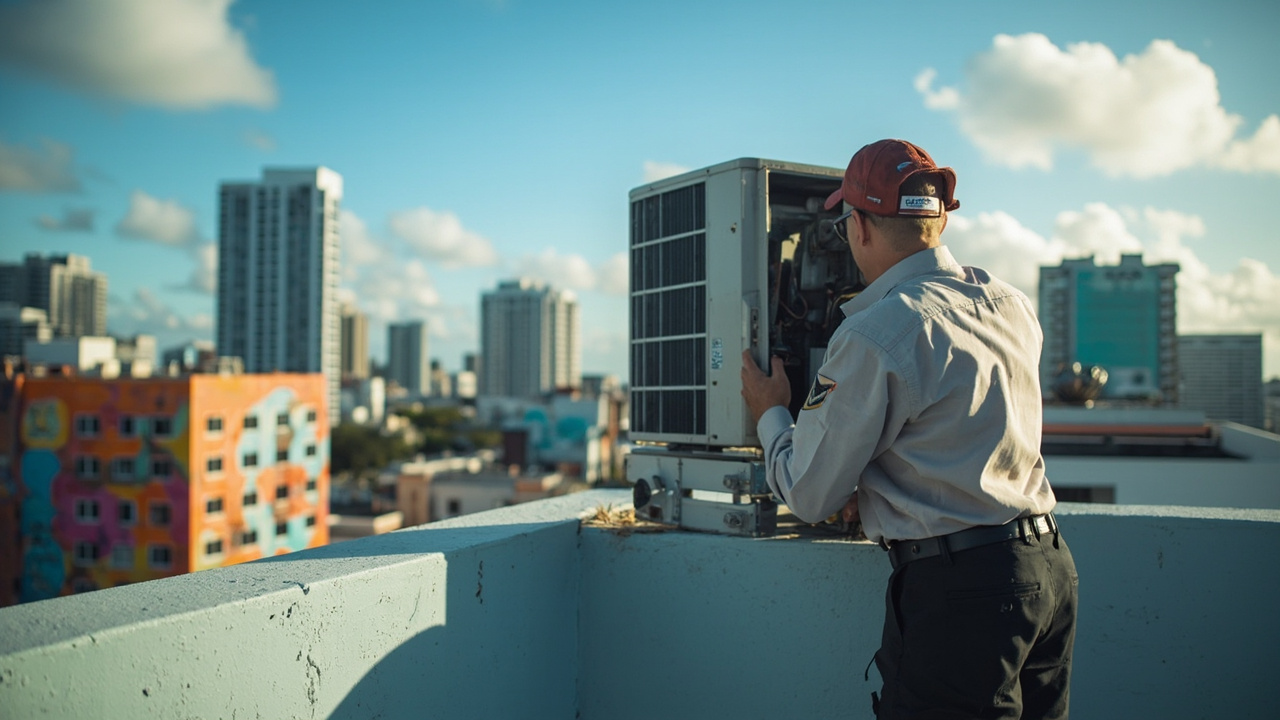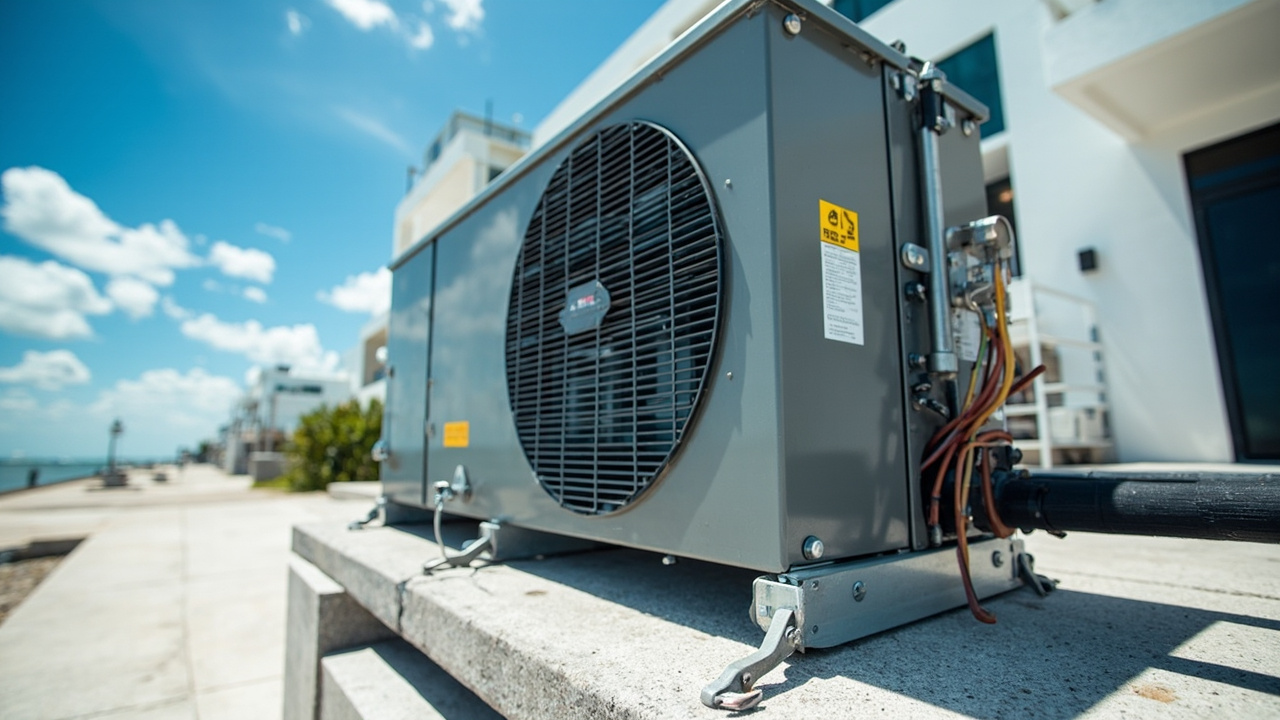
Miami's proximity to saltwater creates aggressive corrosion conditions for industrial cooling equipment. Facilities within ten miles of Biscayne Bay or the Atlantic Ocean experience accelerated deterioration of condenser coils, piping, and electrical components. Airborne salt particles penetrate ventilation systems and deposit on heat exchanger surfaces. Combined with high humidity, this creates an electrochemical environment that corrodes copper, aluminum, and steel faster than inland locations experience. Chiller plants require corrosion-resistant coatings, more frequent inspections, and proactive component replacement to maintain reliability in Miami's coastal climate.
Miami-Dade County enforces strict mechanical and energy codes for commercial and industrial facilities. Chiller installations and modifications require permits and inspections by county building officials. Refrigerant handling must comply with EPA regulations and state environmental codes. Facilities in regulated industries face additional oversight from FDA, USDA, or other agencies depending on their operations. Working with a local industrial chiller maintenance provider who understands these jurisdictional requirements protects you from compliance violations, failed inspections, and operational delays. Peak HVAC Tampa maintains current knowledge of local codes and regulatory standards affecting industrial cooling systems throughout Miami.