menu

Furnace Pilot Light Issues in Miami – Expert Diagnosis and Permanent Fixes

When your gas furnace pilot light won't stay lit or keeps going out, you need fast, accurate diagnosis. We pinpoint the root cause of furnace pilot light malfunctions and restore safe, reliable heat.

Slider Image 1
Slider Image 2
Slider Image 3
Slider Image 4
Slider Image 5
Slider Image 7
Slider Image 8
Slider Image 9
Slider Image 10
Slider Image 11

Why Your Pilot Light Won't Stay Lit in Miami's Climate

You flip the thermostat. Nothing. You check the furnace and the pilot light is out again. This is the third time this month.

Miami's high humidity creates corrosion on thermocouples and pilot assemblies faster than in dry climates. Salt air from the coast accelerates oxidation. Dust and pollen during our extended allergy seasons clog pilot orifices. When the pilot light keeps going out, it is not just an inconvenience. It is a safety risk.

A gas furnace pilot light malfunction often stems from a failing thermocouple, which shuts off gas flow when it cannot sense flame heat. Other common furnace pilot light problems include dirty pilot orifices, faulty gas valves, or draft issues caused by improper venting. In older Miami homes, especially those built before the 1990s, corroded gas lines or outdated pilot assemblies compound the issue.

You might restart the pilot once or twice, but if the flame is weak, yellow instead of blue, or sputters, the underlying problem remains. A pilot light that won't stay lit signals a failure in the flame sensing system or gas delivery. Ignoring it leads to more service calls, wasted gas, and potential carbon monoxide buildup if combustion is incomplete.

Furnace pilot light problems are not DIY fixes. Gas systems require precision. A misadjusted pilot or improperly cleaned orifice can create dangerous conditions. You need someone who understands Miami's corrosive environment and how it affects older gas furnaces.

Why Your Pilot Light Won't Stay Lit in Miami's Climate
How We Diagnose and Fix Pilot Light Malfunctions

How We Diagnose and Fix Pilot Light Malfunctions

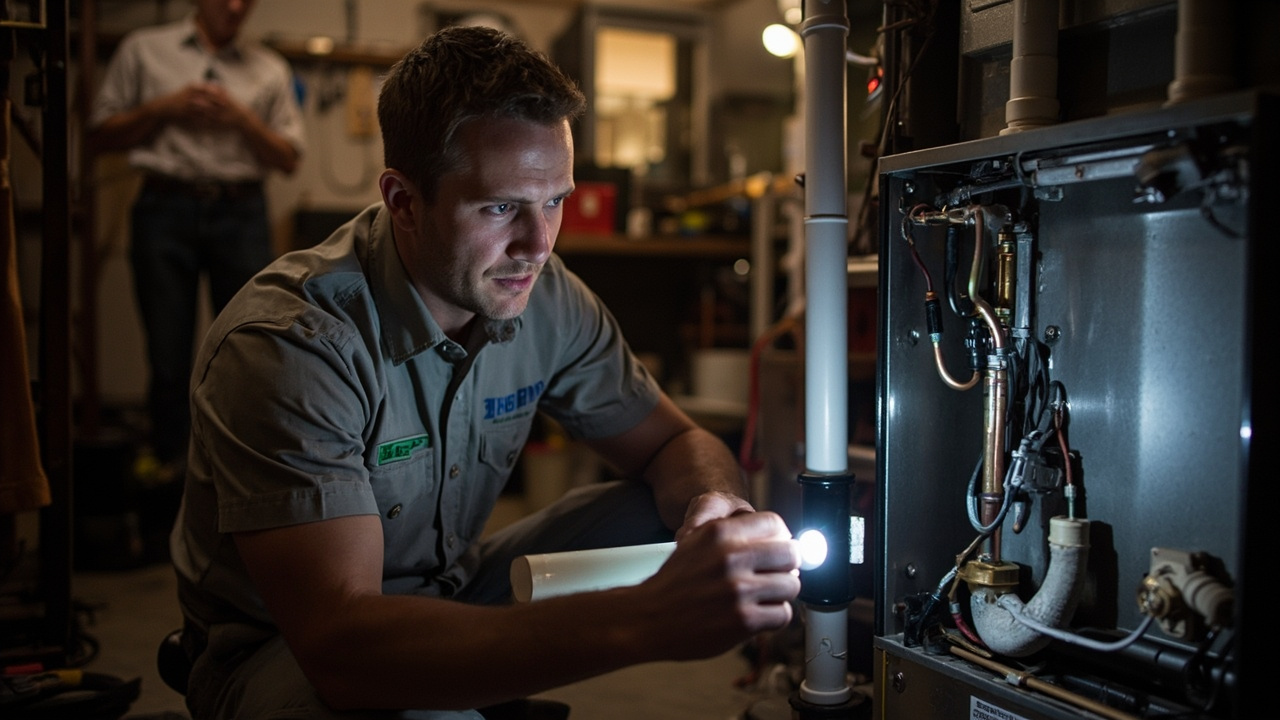
We do not guess. We test the thermocouple with a multimeter to measure millivolt output. A functioning thermocouple generates 25 to 30 millivolts when heated. Anything below 20 millivolts means replacement. We inspect the pilot orifice for carbon buildup or corrosion, remove the assembly, and clean it with compressed air and fine wire brushes.

Next, we check gas pressure at the manifold. Low pressure indicates a regulator problem or a blockage in the supply line. We also inspect the flame sensor and ensure the pilot flame envelope fully engulfs the thermocouple tip. If the flame is lazy or yellow, we adjust the air shutter to optimize the fuel-to-air ratio for a stable blue flame.

Draft issues are common in Miami homes with newer high-efficiency HVAC systems or improperly sized return ducts. Negative pressure can pull air into the combustion chamber and blow out the pilot. We verify proper venting and check for backdrafts. If the flue is obstructed by debris or animal nests, we clear it.

We replace corroded thermocouples, pilot assemblies, or gas valves as needed. We do not patch or rig. If the gas valve is failing intermittently, we swap it. If the pilot bracket is bent or the orifice is pitted from salt air, we install new components rated for coastal environments.

After repairs, we cycle the furnace multiple times to confirm ignition reliability. We test for gas leaks with soap solution and verify combustion efficiency with a flue gas analyzer. You get a furnace that lights consistently and burns cleanly.

What Happens During a Pilot Light Service Call

Furnace Pilot Light Issues in Miami – Expert Diagnosis and Permanent Fixes
01

Initial Diagnostic Testing

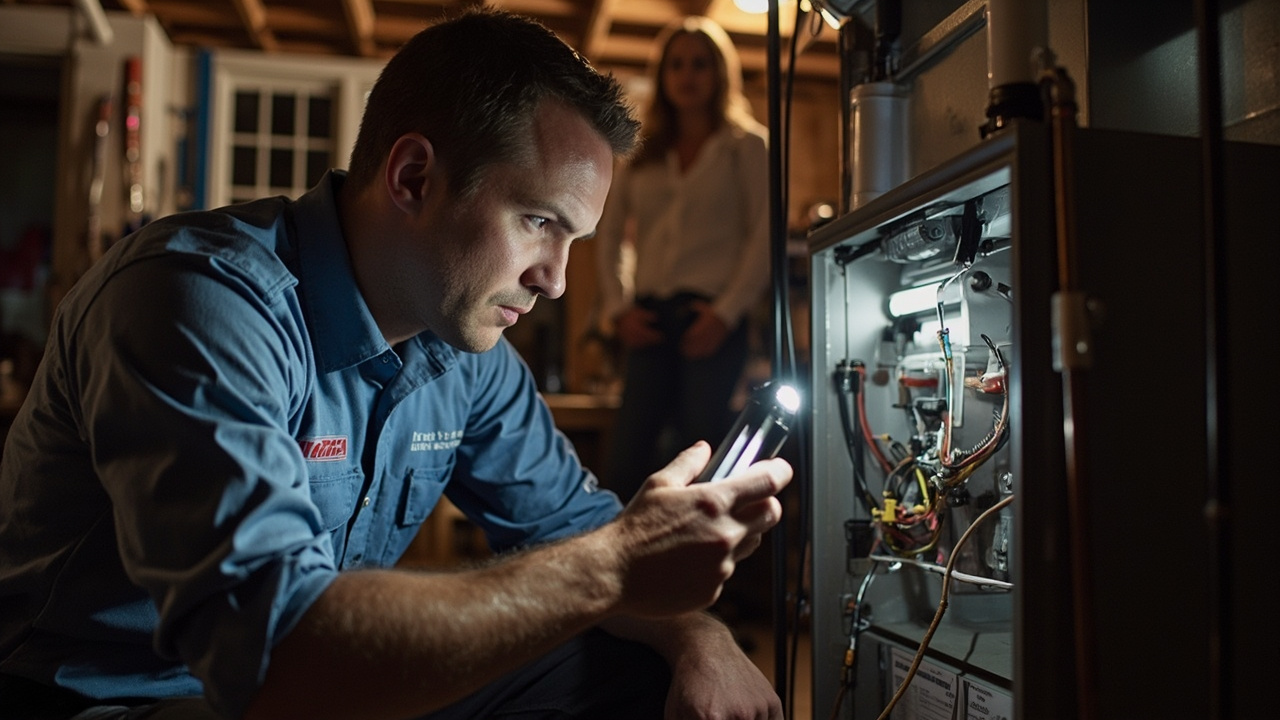
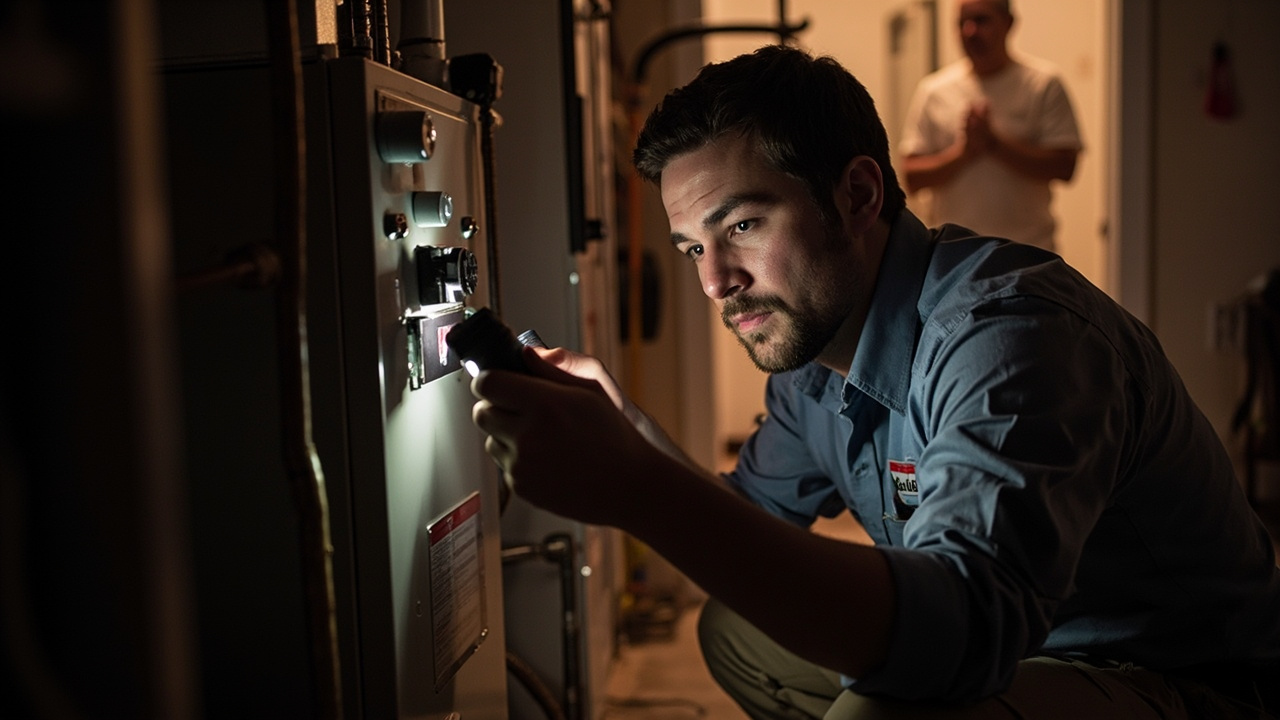
We arrive with a full diagnostic toolkit. First, we observe the pilot flame behavior and color. We test the thermocouple voltage output and inspect the pilot assembly for corrosion or blockage. We check gas pressure at the valve and verify proper flame sensing. This phase isolates whether the issue is mechanical, electrical, or fuel delivery related.
02

Component Cleaning or Replacement

Based on test results, we either clean the pilot orifice and thermocouple or replace failed components. We use OEM or better-grade parts designed for high-humidity environments. If the gas valve is cycling erratically, we install a new valve and recalibrate gas pressure. We also inspect the ignition system and ensure all electrical connections are tight and corrosion-free.
03

Testing and Safety Verification

We cycle the furnace through multiple ignition sequences to confirm consistent pilot lighting. We measure flame temperature and combustion efficiency with a flue gas analyzer. We perform a full gas leak test on all connections and verify proper venting. Before we leave, we explain what we fixed, why it failed, and how to spot early warning signs in the future.

Why Miami Homeowners Choose Crestline HVAC Miami for Pilot Light Repairs

You need someone who understands how Miami's coastal environment accelerates corrosion on gas furnace components. We have worked on every generation of gas furnace installed in South Florida over the past 40 years. We know which thermocouples fail early in humid climates and which pilot assemblies hold up to salt air.

We stock parts for older Carrier, Trane, Rheem, and Goodman gas furnaces common in Miami homes. When a thermocouple or gas valve is obsolete, we source compatible replacements or recommend cost-effective upgrade paths. We do not push new furnace sales when a $200 repair solves the problem.

Our technicians are trained on combustion analysis and gas pressure testing. We do not eyeball adjustments. We measure, test, and verify. Miami's building codes require proper venting and combustion air supply. We ensure your furnace meets code and operates safely. Homes in Coral Gables, Coconut Grove, and older Kendall neighborhoods often have undersized return ducts or improperly vented gas appliances. We identify these issues during service calls and explain the risks.

We also understand the urgency. When the pilot light goes out in January during one of Miami's rare cold snaps, you need heat fast. We prioritize same-day service for furnace issues. You get a technician with a fully stocked truck, not someone who has to order parts and come back next week.

We explain the repair in plain language. You will know why the pilot light kept going out, what we did to fix it, and how long the repair should last. No upselling. No scare tactics. Just honest diagnosis and skilled repair work.

What to Expect When You Call for Pilot Light Repair

Response Time and Scheduling

We prioritize furnace calls because a non-functioning pilot light means no heat. Most service calls are scheduled within 24 hours. During Miami's brief winter heating season, we offer same-day appointments for urgent repairs. Our technicians call ahead with an arrival window so you are not waiting around all day. We respect your schedule and arrive prepared with the most common replacement parts already on the truck.

Diagnostic Process and Transparency

Before we touch anything, we explain what tests we will run and why. You will see us measure thermocouple voltage, inspect the pilot assembly, and check gas pressure. We show you the problem. If the thermocouple is corroded or the pilot orifice is clogged, you will see it. We provide a clear repair estimate before starting work. No surprise charges. No hidden fees. You approve the repair, then we proceed.

Quality of Repair Work

We use quality components designed for Miami's humid, corrosive climate. Cheap thermocouples fail in 18 months. We install units rated for extended service life in coastal environments. After replacement, we test ignition reliability by cycling the furnace through multiple on-off sequences. We verify combustion efficiency with a flue gas analyzer and check for gas leaks. You get a furnace that lights consistently and burns safely.

Follow-Up and Maintenance Guidance

After the repair, we walk you through what we fixed and how to monitor for future issues. We explain the warning signs of thermocouple failure or pilot orifice blockage. We recommend annual furnace inspections before winter to catch corrosion early. If you join our maintenance plan, we include pilot light inspection and cleaning as part of routine service. This prevents most pilot light problems before they strand you without heat.

Frequently Asked Questions

You Have Questions,
We Have Answers

What are the common causes of pilot light issues? +

Pilot light issues stem from a few key culprits. A dirty or clogged pilot orifice restricts gas flow, especially in Miami's humid climate where dust and debris accumulate faster. A faulty thermocouple fails to sense the flame and shuts off gas as a safety measure. Draft issues from nearby vents or AC units can blow out the flame. Gas supply problems, including low pressure or valve issues, prevent proper ignition. Corrosion from Miami's salty air can damage components over time. Age and wear naturally degrade pilot assemblies. If you keep relighting your pilot, you need a technician to diagnose the root cause before it becomes a safety hazard.

Why is my furnace pilot light not igniting? +

When your pilot refuses to ignite, start with gas supply. Check if your gas valve is fully open and other gas appliances work. A clogged pilot orifice blocks fuel flow and needs cleaning. A bad thermocouple may fail to hold the gas valve open long enough for ignition. Weak or corroded igniter electrodes cannot create the spark needed. Air in the gas line after service or power outages requires bleeding. Miami's humidity accelerates corrosion on ignition components, shortening their lifespan. If you smell gas but see no flame, shut off the valve immediately and call a professional. Never attempt repeated ignition attempts when gas odor is present.

What are the symptoms of a bad igniter on a furnace? +

A failing igniter shows clear warning signs. You hear the furnace click or see the igniter glow, but no flame appears. The igniter may glow weakly or not at all. Your furnace cycles on and off repeatedly without heating. You notice cracks or breaks in the ceramic igniter element. The igniter glows orange instead of bright white, indicating weakness. Some igniters work intermittently, lighting on some cycles but failing on others. Miami's high humidity can accelerate igniter degradation through thermal stress and corrosion. If you observe these symptoms, replacement is necessary. Igniters are fragile, so professional installation prevents damage during handling.

Why do I have to keep relighting my pilot light? +

Constant relighting points to a failing thermocouple. This safety device senses flame and keeps the gas valve open. When weak or corroded, it shuts off gas prematurely. Miami's humid, salty air accelerates thermocouple corrosion. Drafts from open windows, nearby vents, or improperly sealed combustion chambers blow out the flame. A dirty pilot orifice creates a weak, unstable flame that extinguishes easily. Loose connections prevent proper electrical signal transmission. Gas pressure fluctuations affect flame stability. If you relight more than once per heating season, you need diagnosis. Repeated relighting wastes gas and creates safety risks. A technician can identify and fix the underlying problem.

How do you clean a clogged pilot tube? +

Cleaning a clogged pilot tube requires caution. First, turn off the gas valve and wait 10 minutes for residual gas to clear. Remove the pilot assembly carefully. Use compressed air to blow debris from the orifice, working from inside outward. A thin wire or needle can dislodge stubborn blockages, but avoid enlarging the orifice. Miami's humidity causes mineral deposits, so inspect for corrosion. Clean surrounding components with a soft brush. Reassemble and test for proper flame shape. The flame should be steady, blue, and cone-shaped. If cleaning fails or you lack experience, call a technician. Improper reassembly creates gas leaks and safety hazards.

What are the signs of a bad thermocouple? +

A bad thermocouple displays specific symptoms. Your pilot lights but extinguishes when you release the knob. The pilot stays lit briefly, then dies within seconds or minutes. You smell gas near the furnace, indicating the safety shut off is working but the thermocouple cannot hold the valve open. Visible corrosion or discoloration on the thermocouple probe signals failure. The probe sits too far from the flame, preventing proper heat detection. In Miami's coastal areas, salt air corrodes thermocouples faster than inland locations. Testing requires a multimeter to check millivolt output. Replacement is straightforward but requires proper positioning for reliable operation.

What to do if the pilot light won't relight? +

If your pilot refuses to relight, follow systematic steps. Confirm the gas valve is open and wait five minutes after any failed attempt to clear residual gas. Check if the thermocouple is positioned in the flame path. Clean the pilot orifice if clogged. Press and hold the reset button for 30 to 60 seconds while igniting. If you hear gas but see no spark, the igniter electrode may be faulty. Air in the line requires bleeding. If the pilot lights but immediately dies, suspect thermocouple failure. Miami's humidity complicates diagnosis by corroding multiple components simultaneously. After three failed attempts, stop and call a technician to prevent gas buildup.

Can hear your furnace click on but it does not fire up? +

A clicking furnace without ignition indicates specific failures. The igniter receives power but fails to glow, signaling a broken element. The igniter glows but the gas valve does not open, pointing to valve or control board issues. Flame sensor corrosion prevents the system from confirming ignition. The draft inducer motor runs but cannot establish proper airflow for safety switches to close. Miami's humidity causes faster corrosion on flame sensors and electrical connections. Gas pressure issues prevent adequate fuel delivery. Control board failures send signals without completing the ignition sequence. These problems require diagnostic equipment and expertise. Continuing attempts without resolution can damage components or create safety hazards.

How to bleed a gas line for a furnace? +

Bleeding a gas line removes trapped air after installation or service. Turn off the furnace and locate the gas valve. Slowly open the valve while listening for gas flow. At the pilot assembly, press the reset button without igniting. You should hear gas flowing steadily. Hold for 30 seconds to purge air completely. Release and wait 10 seconds before attempting ignition. Some systems require bleeding at multiple points. Miami's frequent power outages from storms can introduce air into lines. Never bleed gas in enclosed spaces without ventilation. If you smell strong gas odor or feel uncomfortable, stop immediately and call a professional to complete the procedure safely.

What is the life expectancy of a furnace igniter? +

A furnace igniter typically lasts 3 to 7 years, depending on use and conditions. Frequent cycling shortens lifespan through repeated thermal stress. Miami's high humidity accelerates degradation. Hot surface igniters crack from expansion and contraction. Systems running year-round for heating and cooling see faster wear than northern climates. Poor maintenance allows dirt accumulation that stresses the igniter. Power surges from Miami's frequent summer storms can damage electrical components. Quality matters. Cheaper igniters fail sooner. If your furnace is 10 years old with the original igniter, consider preventive replacement. Failed igniters leave you without heat, so replacement during routine maintenance prevents emergency calls.

How Miami's Salt Air Accelerates Furnace Pilot Light Corrosion

Miami sits between the Atlantic Ocean and Biscayne Bay. Salt-laden air penetrates homes through open windows, AC vents, and attic spaces. This accelerates oxidation on metal components inside gas furnaces. Thermocouples, which are made of dissimilar metals, corrode faster in coastal climates. Pilot assemblies develop pitting and blockages. Homes within three miles of the coast, including areas like Miami Beach, Key Biscayne, and Edgewater, see pilot light failures two to three times more often than inland properties. Regular inspection and component replacement are essential in these zones.

Miami-Dade County enforces strict gas appliance codes under the Florida Building Code. Any work on gas furnaces requires proper permitting and licensed technicians. Crestline HVAC Miami employs certified gas fitters who understand local code requirements for venting, combustion air supply, and gas pressure testing. We pull permits when required and ensure repairs meet inspection standards. Choosing a local, licensed provider protects you from liability and ensures your furnace operates safely and legally.
HVAC Services in The Miami Area

We proudly serve homeowners and businesses throughout Miami and nearby communities with dependable HVAC services. Whether you're in the heart of downtown or in the surrounding suburbs, our team is just a call away. Check the map below to see our service coverage. If your area isn’t listed, don’t worry—give us a call. We frequently accommodate special requests and go the extra mile to ensure our customers receive expert heating and cooling solutions, no matter where they are located.

Address:
Crestline HVAC Miami, 2332 Galiano St, Miami, FL, 33134

Additional Services We Offer

Our news updates

Latest Articles & News from The Blogs

Commercial HVAC Services for Business Owners in Wynwood Who Can't Afford DowntimeRunning a business in the heart of Wynwood requires…

Commercial HVAC Services for Business Owners in Wynwood Who Can't Afford Downtime

Commercial HVAC Services for Business Owners in Wynwood Who Can't Afford DowntimeRunning a business in the heart of Wynwood requires…

Choosing Between Air Scrubbers and UV Lights for Your Home in the Sunset Neighborhood

Choosing Between Air Scrubbers and UV Lights for Your Home in the Sunset NeighborhoodLiving in the Sunset neighborhood near South…

Protecting Your Outdoor AC Unit During a Tropical Storm in Virginia Key

Virginia Key residents face unique challenges during the Atlantic hurricane season. The proximity to the ocean and low elevation make…

Contact Us

Do not let a faulty pilot light leave you without heat. Call Crestline HVAC Miami at (645) 231-4777 for fast, expert diagnosis and repair. We fix it right the first time.