menu

Weak Airflow from Vents in Miami – Expert Diagnosis and Permanent Fixes for Your AC System

When your air conditioner blows weakly or registers deliver little air, you need precise troubleshooting and the right repair. Our technicians identify the root cause and restore proper airflow to every room in your Miami home.

Slider Image 1
Slider Image 2
Slider Image 3
Slider Image 4
Slider Image 5
Slider Image 7
Slider Image 8
Slider Image 9
Slider Image 10
Slider Image 11

Why Your Miami AC System Struggles with Weak Airflow

You walk up to a register expecting cool relief, but all you get is a whisper of air. The compressor runs. The thermostat shows the right temperature. Yet room after room delivers poor airflow from AC vents, leaving spaces stuffy and humid.

Miami's relentless heat and humidity create unique demands on residential HVAC systems. When you run your air conditioner eight to ten months a year, components wear faster. Ductwork in attics absorbs extreme heat. Condensation breeds mold inside supply lines. Salt air corrodes metal seams. These factors combine to create low air pressure from vents that leaves you frustrated and uncomfortable.

Reduced air flow from registers points to specific mechanical failures. A clogged evaporator coil restricts airflow before it reaches your ductwork. A failing blower motor cannot push enough volume through the system. Kinked flex duct in tight attic spaces chokes off supply lines. Disconnected duct joints dump conditioned air into your attic instead of your living space. Each of these problems shares the same symptom: little air coming out of vents when you need it most.

The health impact matters too. Weak airflow allows humidity to climb. Mold spores thrive in damp conditions. Dust accumulates in stagnant corners. Your family breathes lower quality air because your system cannot circulate and filter properly.

When your AC blows weakly, you face higher energy bills for less comfort. The compressor works harder to compensate. Runtime increases. Efficiency drops. You pay more while feeling worse.

Fixing weak airflow requires diagnosis, not guesswork. The problem lives somewhere in your system, and finding it fast keeps your home comfortable through another Miami summer.

Why Your Miami AC System Struggles with Weak Airflow
How We Restore Full Airflow to Your Miami AC System

How We Restore Full Airflow to Your Miami AC System

We start with static pressure testing. This diagnostic tool measures resistance throughout your duct system. We place manometers at the supply plenum and return plenum, then compare readings to manufacturer specifications. High static pressure reveals restrictions. Low static pressure indicates leakage. The numbers tell us exactly where the problem lives.

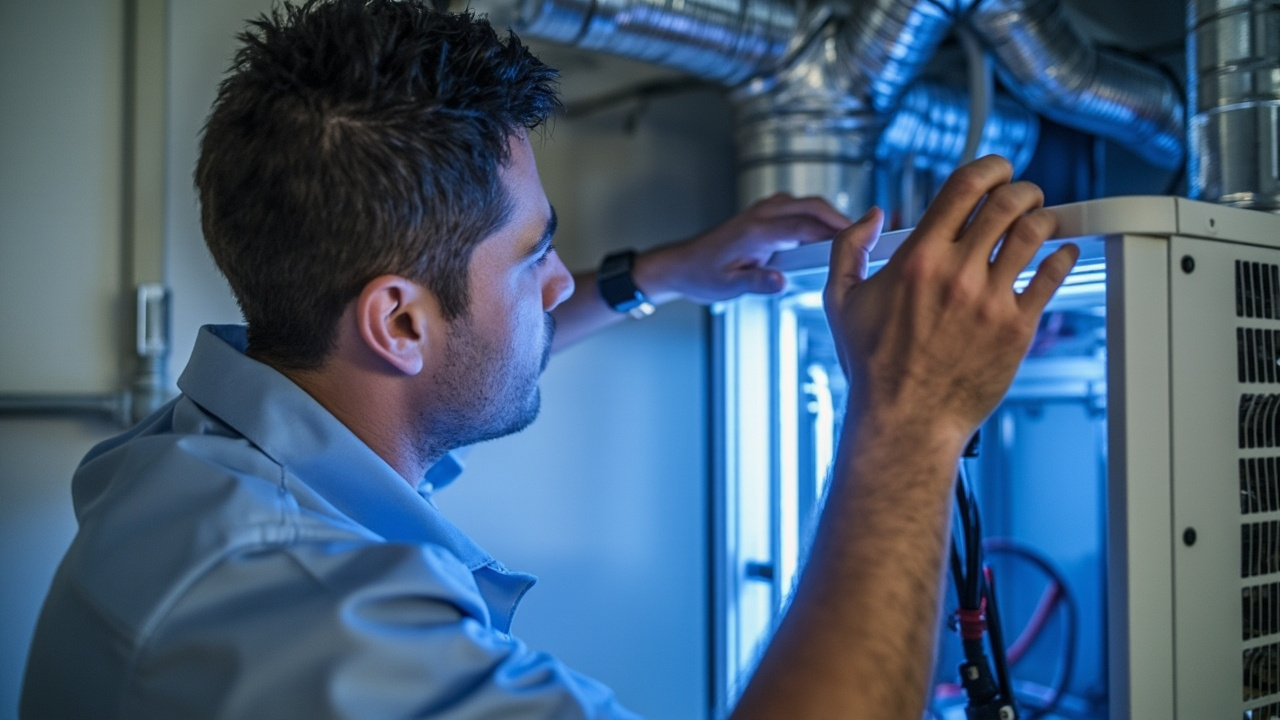
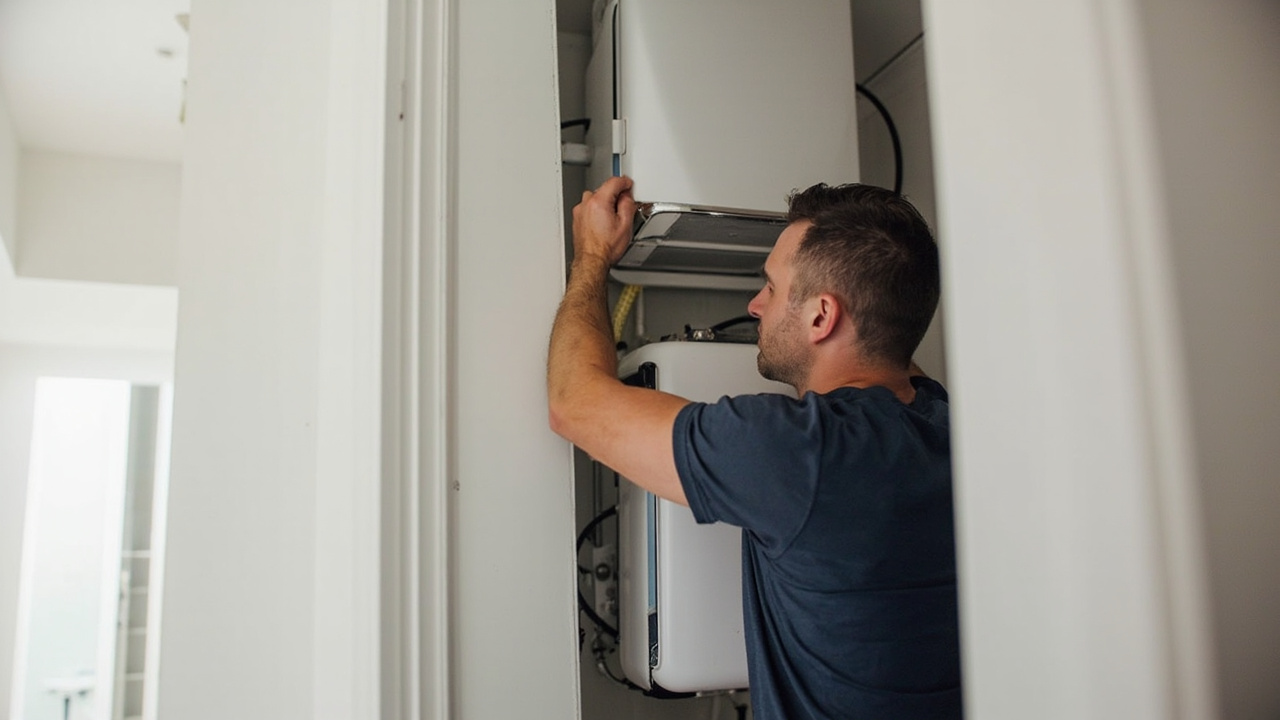
Next, we inspect the air handler. We pull the blower assembly and check the wheel for debris buildup. A quarter inch of dust on blower fins reduces airflow by thirty percent. We measure capacitor voltage to verify the motor receives proper power. A weak capacitor starves the motor, reducing RPM and airflow. We check the evaporator coil for ice formation or biological growth. A coil clogged with mold and dirt acts like a wall, blocking air before it enters your ductwork.

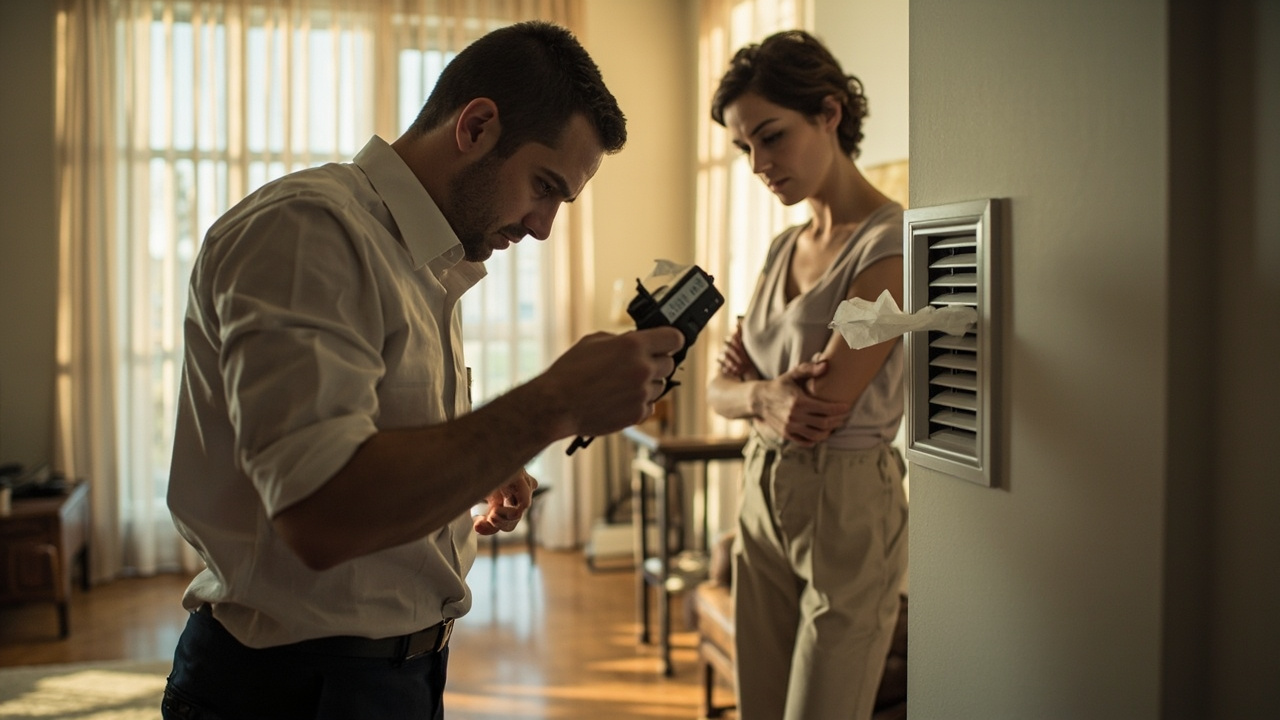
Duct inspection follows. We access your attic or crawlspace and trace every supply line. We look for crushed flex duct, disconnected boots, and torn vapor barriers. We check dampers to confirm they open fully. We inspect grilles and registers for obstructions or closed louvers. In older Miami homes built before modern duct sealing standards, we often find thirty to forty percent leakage rates.

We use a thermal imaging camera to identify temperature differentials along duct runs. Hot spots indicate leaks dumping conditioned air into unconditioned spaces. Cold spots show proper insulation and sealed joints.

Filter condition matters more than most homeowners realize. A MERV 13 filter clogged with dust creates enough resistance to cut airflow in half. We check filter fit and recommend the right MERV rating for your system capacity.

Once we identify the failure point, we execute the repair. We replace blower motors, seal duct leaks with mastic, clean coils, or resize undersized ductwork. Every repair targets the specific failure causing your weak airflow problem.

What Happens During Your Airflow Restoration Appointment

Weak Airflow from Vents in Miami – Expert Diagnosis and Permanent Fixes for Your AC System
01

System Performance Testing

We arrive with diagnostic equipment and measure airflow at every register in your home. Using an anemometer, we record cubic feet per minute at each supply vent. We compare these numbers to your system's rated capacity. This baseline data tells us how severely your airflow is compromised and which zones suffer most. We also measure temperature split across the evaporator coil to check refrigerant charge and coil performance.
02

Component Inspection and Diagnosis

We open your air handler and inspect the blower assembly, evaporator coil, and filter cabinet. We check electrical connections and capacitor values. We access your ductwork and trace supply lines to identify leaks, restrictions, or damage. Using static pressure readings and thermal imaging, we pinpoint the exact failure causing reduced air flow from registers. You receive a clear explanation of what failed and why your system delivers little air coming out of vents.
03

Repair and Verification

We complete the necessary repair, whether that means replacing a blower motor, sealing duct leaks, or cleaning a clogged coil. After the repair, we retest airflow at every register to confirm proper volume. We verify static pressure falls within manufacturer specifications. We run the system through a complete cooling cycle and measure temperature drop. You feel the difference immediately when strong, consistent airflow returns to every room in your home.

Why Miami Homeowners Trust Crestline HVAC for Airflow Problems

Airflow problems in Miami require more than generic troubleshooting. You need a technician who understands how coastal humidity affects evaporator coils. How attic temperatures above 140 degrees stress ductwork. How biological growth flourishes in condensate drain pans and spreads to supply lines.

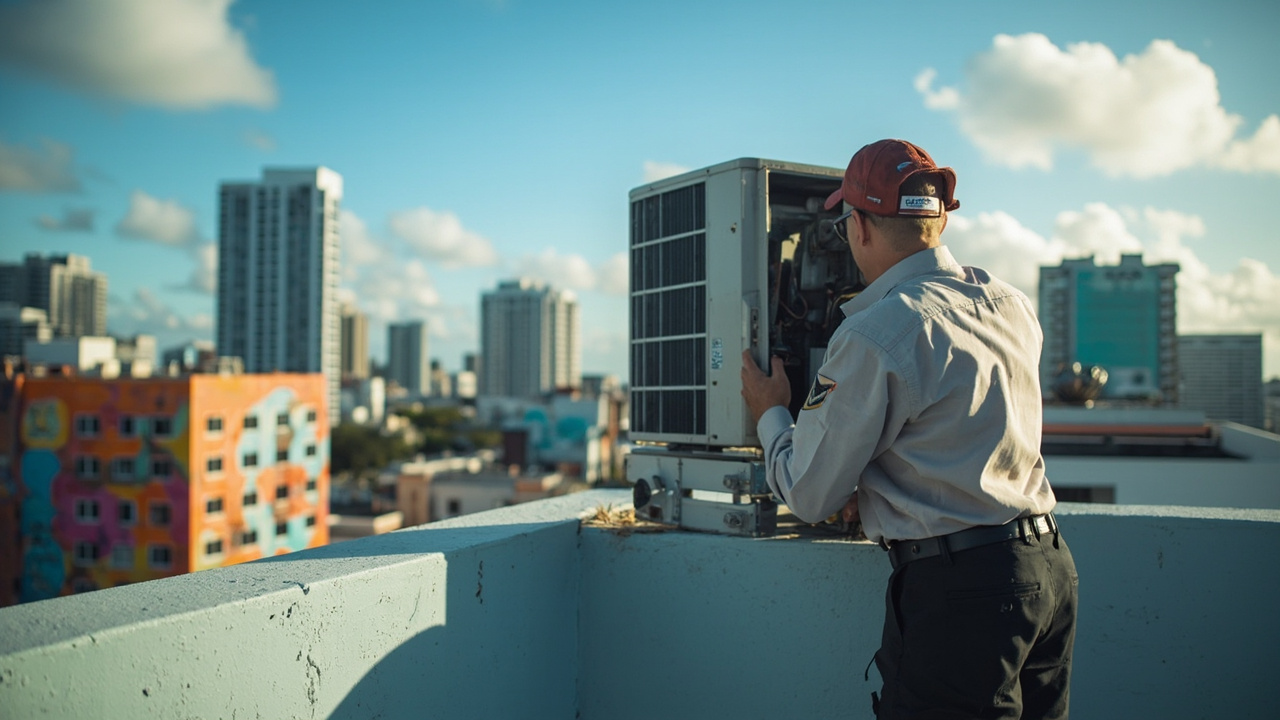
We work in Miami homes every day. We know the duct designs common to Coral Gables bungalows and Coconut Grove estates. We recognize the airflow challenges in Kendall subdivisions where builders used undersized ductwork to cut costs. We understand how salt air corrodes outdoor condenser units and how that affects indoor airflow performance.

Our diagnostic approach eliminates guesswork. We measure, test, and verify before recommending any repair. You receive clear explanations using actual data from your system. No upselling. No part swapping. Just accurate diagnosis and the right fix.

We stock parts for major residential HVAC brands because we know what fails in South Florida. Blower motors. Capacitors. TXV valves. When we arrive for your appointment, we bring the components needed to complete your repair the same day. You get your airflow back fast.

Miami's building codes require specific duct sealing standards for new construction and major renovations. We stay current on these requirements and apply the same standards to repair work. When we seal duct leaks, we use proper mastic and UL-listed tape. When we replace flex duct, we size it correctly and support it every four feet to prevent sagging.

The difference shows in the results. Customers tell us their energy bills drop after we restore proper airflow. Rooms that stayed warm for years cool down properly. Humidity levels fall. Air quality improves. These outcomes happen because we fix the right problem the first time.

Crestline HVAC Miami brings technical expertise and local knowledge to every airflow problem we diagnose.

What You Can Expect When We Fix Your Weak Airflow

Fast Diagnosis and Same-Day Repairs

Most airflow problems get diagnosed within the first hour of our arrival. We carry diagnostic equipment on every truck, so testing happens immediately. We stock common failure parts like blower motors, capacitors, and contactors. For straightforward repairs like cleaning a coil or sealing accessible duct leaks, we complete the work the same day. Complex issues requiring duct replacement or major modifications get scheduled within 48 hours. You receive a clear timeline before we start any work. Our goal is restoring your comfort as quickly as possible without sacrificing quality.

Thorough System Assessment Included

Weak airflow often signals other developing problems. While diagnosing your airflow issue, we inspect your entire HVAC system. We check refrigerant levels, electrical connections, condensate drainage, and thermostat calibration. We test your compressor and measure amperage draw. We inspect ductwork insulation and vapor barriers. This comprehensive approach catches problems before they fail completely. You receive a written report detailing our findings, including measurements and photos. We explain what needs immediate attention and what can wait. This transparency helps you make informed decisions about your system's maintenance and future repairs.

Measurable Airflow Improvement

We document airflow before and after every repair. You see the actual CFM readings at your registers, not subjective assessments. A properly functioning residential AC system delivers 400 CFM per ton of cooling capacity. We verify your system hits this target after our repair. You also see improved temperature consistency throughout your home. Rooms that stayed warm cool down properly. Humidity levels drop into the comfortable range. Your system cycles normally instead of running continuously. These measurable improvements confirm your airflow problem is truly fixed, not just temporarily masked.

Ongoing Support and Maintenance Options

After restoring your airflow, we offer maintenance plans designed for Miami's climate. Regular coil cleaning prevents future airflow restrictions. Filter changes on schedule maintain proper static pressure. Annual blower motor inspection catches bearing wear before failure. Our maintenance customers get priority scheduling and discounted repair rates. We keep detailed service records for your system, tracking performance trends over time. This data helps us predict component failures and schedule proactive replacements. Many airflow problems return because underlying maintenance gets ignored. Our maintenance plans prevent that cycle and extend your system's lifespan.

Frequently Asked Questions

You Have Questions,
We Have Answers

Why do I barely feel air coming out of my vents? +

Weak airflow usually comes from a clogged air filter, blocked return vents, or ductwork leaks. Miami's high humidity loads your filter with dust and mold faster than drier climates. Check your filter first. If it looks dark or matted, replace it. Next, walk through your home and remove furniture or curtains blocking vents and returns. If airflow stays weak, you likely have duct leaks or a failing blower motor. Leaky ducts waste conditioned air in your attic or crawlspace, forcing your system to work harder and costing you more each month.

How to increase air flow in vents? +

Start by replacing your air filter if it has been over 30 days. Miami's pollen and salt air clog filters fast. Clear all vents and return grilles of obstructions like furniture or drapes. Open interior doors to improve air circulation between rooms. If airflow remains poor, inspect your ductwork for disconnected joints or crushed flex ducts in the attic. Seal visible leaks with mastic or metal tape. Check your blower motor speed settings at the air handler. A professional can balance your system by adjusting dampers or upgrading to a variable speed blower for better distribution.

Why is my AC not blowing hard through the vents? +

Your AC may not blow hard due to a dirty evaporator coil, low refrigerant, or a weak blower motor. Miami's humidity causes coils to collect dirt and biological growth, which restricts airflow and reduces cooling power. Low refrigerant from a leak causes the evaporator to freeze, blocking air passage. Blower motors wear out over time, especially in older units running nonstop during Miami summers. Check your filter and outdoor condenser for debris first. If those are clean and airflow stays weak, you need a technician to inspect the coil, refrigerant levels, and blower capacitor.

What is the $5000 AC rule? +

The $5000 AC rule is an informal guideline for deciding between repair and replacement. Multiply the repair cost by the age of your unit in years. If the result exceeds $5000, replace the system instead of repairing it. For example, a $400 repair on a 10-year-old unit equals $4000, so repair it. A $700 repair on an 8-year-old unit equals $5600, so replace it. This rule helps Miami homeowners avoid throwing money at aging systems that will fail again soon. Modern units also offer better efficiency, saving you money in our brutal cooling season.

What is the 2 foot rule for HVAC? +

The 2 foot rule requires at least 24 inches of clearance around your outdoor condenser unit for proper airflow and service access. Miami landscaping grows fast. Shrubs, hedges, and vines can choke your condenser in months, reducing efficiency and causing overheating. Trim vegetation regularly to maintain the 2 foot perimeter on all sides. Keep the top clear as well. Do not stack items on or near the unit. Restricted airflow forces your compressor to work harder, shortening its lifespan and increasing your energy bills. Clean the area around your condenser quarterly to prevent debris buildup.

How to tell if a house has poor ventilation? +

Poor ventilation shows up as persistent stuffiness, stale odors, or visible condensation on windows and mirrors. Miami homes with inadequate ventilation trap humidity, leading to mold growth on walls, ceilings, or in closets. You may notice uneven temperatures between rooms or feel like the air never refreshes. High indoor humidity above 60 percent signals ventilation problems. Bathrooms and kitchens without exhaust fans worsen the issue. If your home smells musty or you see mold spots, your ventilation system cannot remove enough moisture. A professional can test your air exchange rate and recommend solutions.

Do air vent boosters really work? +

Vent boosters sometimes help, but they rarely fix the root problem. These inline fans push more air through a single duct, which can slightly improve flow to one distant room. They work best in homes with long duct runs or bonus rooms added after construction. However, boosters cannot overcome a clogged filter, leaky ducts, or undersized ductwork. In Miami's climate, most weak airflow issues stem from system problems, not just distance. Save your money and address the underlying cause. A technician can balance your system properly or repair duct leaks for lasting results.

What is the 3 minute rule for AC? +

The 3 minute rule prevents compressor damage by requiring a 3 minute wait between shutdown and restart. Your compressor needs time to equalize refrigerant pressure on both sides of the system. Restarting too quickly forces the motor to work against high pressure, which can burn out the compressor. Most modern thermostats include a built-in delay timer to enforce this rule automatically. If you manually cycle your thermostat or experience frequent power outages during Miami's summer storms, wait at least 3 minutes before turning the system back on. This simple habit extends your compressor's lifespan significantly.

Why is my AC set at 74 but reads 78? +

Your thermostat reads higher than the set point because your AC cannot keep up with the heat load. In Miami, this happens when outdoor temperatures exceed 95 degrees, especially if your system is undersized, low on refrigerant, or has dirty coils. Your AC can only lower indoor temperature about 20 degrees below the outdoor temperature at peak performance. If it is 98 outside, reaching 74 inside becomes difficult. Check your air filter and outdoor coil for blockages. If those are clean, you may need refrigerant added, ductwork sealed, or a larger system installed.

What should my AC be set at if it's 100 degrees outside? +

Set your thermostat to 78 degrees when it is 100 degrees outside. Miami's extreme heat taxes your AC heavily. Setting it lower forces your system to run nonstop without reaching the target, wasting energy and money. Your AC can typically cool about 20 degrees below outdoor temperature at peak efficiency. Expecting 72 degrees when it is 100 outside stresses your compressor and evaporator coil. Use ceiling fans to improve comfort at 78 degrees. Close blinds during the day to reduce solar heat gain. Wait until evening when temperatures drop to lower your thermostat setting.

How Miami's Humidity and Heat Accelerate Airflow Problems

Miami's combination of year-round heat and high humidity creates perfect conditions for airflow failures. Your evaporator coil operates in a constantly moist environment, promoting mold and algae growth that restricts airflow. Attic temperatures regularly exceed 140 degrees, degrading duct insulation and softening mastic seals. This thermal stress causes duct joints to separate, leaking conditioned air into your attic. Salt air from the Atlantic corrodes metal ductwork and weakens crimped connections. These environmental factors mean Miami AC systems develop airflow problems faster than systems in drier climates. What might take ten years to fail in Phoenix fails in five years here.

Miami-Dade County building codes require duct leakage testing for new construction and major renovations. This requirement exists because poorly sealed ductwork wastes enormous amounts of energy in our climate. When you hire Crestline HVAC Miami to fix weak airflow, you get a technician who understands these local standards and applies them to every repair. We know which duct sealants hold up in South Florida humidity. We understand proper duct sizing for the cooling loads Miami homes require. This local expertise matters because generic repair approaches often fail in our specific climate conditions.
HVAC Services in The Miami Area

We proudly serve homeowners and businesses throughout Miami and nearby communities with dependable HVAC services. Whether you're in the heart of downtown or in the surrounding suburbs, our team is just a call away. Check the map below to see our service coverage. If your area isn’t listed, don’t worry—give us a call. We frequently accommodate special requests and go the extra mile to ensure our customers receive expert heating and cooling solutions, no matter where they are located.

Address:
Crestline HVAC Miami, 2332 Galiano St, Miami, FL, 33134

Additional Services We Offer

Our news updates

Latest Articles & News from The Blogs

Commercial HVAC Services for Business Owners in Wynwood Who Can't Afford DowntimeRunning a business in the heart of Wynwood requires…

Commercial HVAC Services for Business Owners in Wynwood Who Can't Afford Downtime

Commercial HVAC Services for Business Owners in Wynwood Who Can't Afford DowntimeRunning a business in the heart of Wynwood requires…

Choosing Between Air Scrubbers and UV Lights for Your Home in the Sunset Neighborhood

Choosing Between Air Scrubbers and UV Lights for Your Home in the Sunset NeighborhoodLiving in the Sunset neighborhood near South…

Protecting Your Outdoor AC Unit During a Tropical Storm in Virginia Key

Virginia Key residents face unique challenges during the Atlantic hurricane season. The proximity to the ocean and low elevation make…

Contact Us

Stop living with weak airflow and uncomfortable rooms. Call Crestline HVAC Miami now at (645) 231-4777 for fast diagnosis and same-day repairs. Our technicians are ready to restore proper airflow to your home.