menu

Excess Dust in Home in Miami – Expert Diagnosis and Complete Indoor Air Quality Solutions

If you're dealing with excess dust in home issues, our certified technicians identify the root cause in your HVAC system, ductwork, and filtration setup to eliminate constant dust buildup and improve air quality for Miami families.

Slider Image 1
Slider Image 2
Slider Image 3
Slider Image 4
Slider Image 5
Slider Image 7
Slider Image 8
Slider Image 9
Slider Image 10
Slider Image 11

Why Miami Homes Battle Constant Dust Buildup Year-Round

You dust your furniture on Monday. By Wednesday, a visible film coats every surface again. This cycle frustrates Miami homeowners because it signals a problem beyond housekeeping.

Miami's subtropical climate creates perfect conditions for excessive house dust. High humidity allows dust mites to thrive in concentrations three times higher than drier climates. Salt air from the Atlantic carries microscopic particles inland. Construction activity across Brickell, Wynwood, and Coral Gables releases fine particulates that infiltrate homes through the smallest gaps.

Your HVAC system either fights this problem or makes it worse. When air handlers run 8 to 10 months per year in Miami's heat, they circulate air through your ductwork every 10 to 15 minutes. If your ducts leak, filters clog, or return vents pull air from dusty attics and crawl spaces, you create an indoor dust storm.

Too much dust in home environments causes more than annoyance. Heavy dust buildup triggers allergies, worsens asthma, and forces your HVAC system to work harder as it chokes on debris. The result is higher energy bills and shortened equipment life.

Most homeowners blame the problem on Miami's environment. The real culprit usually sits inside your ductwork or at your air handler. When you see constant dust in house surfaces despite regular cleaning, your HVAC system needs professional evaluation. The source is not always obvious, but the solution always starts with proper diagnosis.

Why Miami Homes Battle Constant Dust Buildup Year-Round
How We Identify and Eliminate Your Home's Dust Problem

How We Identify and Eliminate Your Home's Dust Problem

Generic advice tells you to change filters and dust more often. That approach ignores the mechanical failures causing unusually dusty home conditions in the first place.

We start with static pressure testing across your duct system. This measurement reveals whether your supply and return ducts leak conditioned air into wall cavities, attics, or crawl spaces. Leaky return ducts are the primary cause of dust infiltration because they pull unfiltered air from the dirtiest areas of your home directly into your living space.

Next, we evaluate your filtration setup. Many Miami homes still use fiberglass panel filters with MERV ratings below 6. These filters catch large debris but allow fine particulates to circulate freely. We assess whether your air handler can support higher-efficiency filtration without creating airflow restrictions that damage the blower motor.

We inspect your air handler cabinet for gaps around the filter rack and access panels. A loose-fitting filter or a warped cabinet allows bypass air to skip filtration entirely. We also check for biological growth inside the evaporator coil and drain pan. Miami's humidity creates ideal conditions for mold and mildew, which release spores that contribute to airborne dust loads.

Ductwork inspection includes visual examination at accessible sections and camera inspection where needed. We look for disconnected joints, crushed flex duct, and decades of accumulated debris. We measure airflow at each register to identify zones with inadequate circulation that allow dust to settle and accumulate.

The solution is never one-size-fits-all. Some homes need duct sealing with mastic compound. Others require upgraded filtration, UV light installation, or complete duct replacement. We give you a clear diagnosis before recommending any work.

What Happens During Your Dust Problem Assessment

Excess Dust in Home in Miami – Expert Diagnosis and Complete Indoor Air Quality Solutions
01

System Performance Testing

We measure airflow velocity at supply registers and return grilles using a digital anemometer. Static pressure readings at the air handler show whether duct leakage or restrictions limit system performance. We document baseline conditions so you understand exactly where dust enters your home and why your current setup fails to control it.
02

Filtration and Cabinet Inspection

We remove the existing filter and check for bypass gaps around the filter rack. Using a flashlight and inspection mirror, we examine the evaporator coil for dust buildup and biological growth. We test cabinet access panels for air leaks that allow unfiltered air to bypass your filtration system entirely. This step reveals hidden problems most homeowners never see.
03

Customized Dust Control Plan

Based on test results, we present a prioritized action plan. This might include duct sealing at critical leak points, upgrading to MERV 11 or MERV 13 filtration, installing a media air cleaner, or addressing biological contamination. We explain cost factors for each option so you make informed decisions about improving your indoor air quality and eliminating constant dust problems.

Why Miami Homeowners Trust Our Indoor Air Quality Expertise

Most HVAC companies treat excess dust as a filter problem. Change the filter more often. Buy a better filter. That advice fails because it ignores the system failures that allow dust infiltration in the first place.

Crestline HVAC Miami specializes in indoor air quality diagnostics. We understand how Miami's climate and construction methods create dust problems that don't exist in drier climates. Homes built before 2000 often have flex duct stapled to ceiling joists with minimal support, creating sagging sections that collect debris. Slab-on-grade construction common in South Florida means return ducts often pull air from hot, dusty attics through poorly sealed platform returns.

We know the building codes that apply to duct sealing and filtration in Miami-Dade County. We understand which filter ratings work with your specific air handler model without causing static pressure problems. We recognize when dust problems stem from undersized return ducts that create negative pressure and pull air through every crack in your building envelope.

Our technicians carry diagnostic tools that most service companies skip. Manometers measure static pressure. Airflow hoods quantify cubic feet per minute at each register. Thermal imaging cameras reveal where conditioned air leaks through duct connections hidden behind drywall.

We also understand the health implications of poor indoor air quality in Miami's humid environment. Dust mites, mold spores, and construction particulates create respiratory hazards for children and adults with asthma. When you call us about too much dust in home environments, we treat it as a health and comfort issue that deserves proper engineering solutions.

You will not get a sales pitch for equipment you don't need. You get accurate diagnosis, clear explanations, and solutions scaled to your specific problem and budget.

What to Expect When You Schedule a Dust Problem Assessment

Fast Response for Air Quality Concerns

We schedule most assessments within 48 hours of your call. Heavy dust buildup affects your family's health and comfort daily, so we prioritize indoor air quality diagnostics. Our technicians arrive during the scheduled window with all diagnostic equipment ready. The initial assessment takes 60 to 90 minutes depending on your home's size and system complexity. You receive preliminary findings before we leave and a detailed written report within 24 hours.

Thorough System and Ductwork Evaluation

Our assessment includes static pressure testing, airflow measurement at all registers, filter fit inspection, air handler cabinet examination, and accessible duct inspection. We use thermal imaging to identify hidden air leaks and moisture intrusion. We photograph problem areas so you see exactly what we found. If biological contamination exists, we document it with images and explain health risks. You get a clear understanding of why your home has excessive house dust and what mechanical failures allow it.

Measurable Improvement in Air Quality

After implementing recommended solutions, most clients notice reduced dust accumulation within the first week. Surfaces stay cleaner longer. Allergy symptoms decrease. HVAC runtime often drops because the system no longer fights against restricted airflow or excessive dust loading. We provide before and after airflow measurements so you see documented improvement. The goal is not perfection but significant, measurable reduction in constant dust in house environments that improves your quality of life.

Ongoing Support and Filter Maintenance

We offer filter delivery service for clients who upgrade to higher-efficiency filtration. We also provide annual duct inspection to ensure sealed connections remain intact and identify new problem areas. If you install a media air cleaner or electronic air cleaner, we include maintenance instructions and remind you when service is due. Indoor air quality requires ongoing attention in Miami's climate. We make it easy to maintain the improvements you achieve.

Frequently Asked Questions

You Have Questions,
We Have Answers

What causes so much dust in my house? +

Dust accumulates from multiple sources. Dead skin cells, pet dander, fabric fibers, and outdoor pollutants enter through windows, doors, and HVAC systems. In Miami, high humidity and constant AC use worsen the problem. Dirty air filters force dust to recirculate instead of trapping it. Leaky ductwork pulls in attic dust and distributes it throughout your home. Construction activity, nearby traffic, and coastal sand also contribute. Your HVAC system's fan runs constantly to combat heat, stirring up particles. If your home feels dustier than normal, check your air filter first and inspect ducts for gaps or tears.

How do I stop my house from getting so dusty? +

Replace your HVAC filter every 30 days during Miami's cooling season. Upgrade to MERV 11 or higher filters to trap finer particles. Seal ductwork leaks with mastic or metal tape to stop attic dust from infiltrating. Keep humidity between 40 and 50 percent using your AC's dehumidification mode. Vacuum twice weekly with a HEPA filter vacuum. Remove shoes at the door to stop tracking in sand and dirt. Wash bedding weekly in hot water. Close windows during high pollen days. Schedule professional duct cleaning every three to five years to remove buildup.

Do air purifiers actually reduce dust? +

Air purifiers work when sized correctly and equipped with true HEPA filters. They capture 99.97 percent of particles 0.3 microns or larger, including dust mites, pollen, and pet dander. Place units in high-traffic rooms like bedrooms and living areas. In Miami homes, purifiers help combat humidity-related dust and mold spores. Choose models with activated carbon filters to remove odors. Run them continuously for best results. Air purifiers complement, but do not replace, regular HVAC maintenance. Change purifier filters per manufacturer guidelines. They reduce airborne dust but will not fix dirty ducts or leaky systems.

Is it unhealthy to live in a dusty house? +

Living in a dusty house triggers allergies, asthma, and respiratory irritation. Dust mites thrive in Miami's humid climate and produce allergens that inflame airways. Fine particles penetrate deep into lungs, causing coughing and wheezing. Prolonged exposure worsens symptoms for children and elderly residents. Dust carries mold spores, pet dander, and pollen that trigger immune responses. You may experience itchy eyes, congestion, headaches, and fatigue. Dust accumulation on surfaces indicates poor indoor air quality. If family members have worsening respiratory issues, address the dust problem immediately. Clean air improves sleep quality and reduces sick days.

What is grandmas' simple trick to eliminate dust? +

The old trick is dampening your dusting cloth slightly before wiping surfaces. Dry cloths push dust into the air where it resettles minutes later. A lightly damp microfiber cloth traps particles instead of scattering them. In Miami's humidity, avoid soaking the cloth or you risk water damage and mold growth. Microfiber works better than cotton because the tiny fibers create static that attracts dust. Wring out excess water before use. Wash cloths after each use to prevent spreading dirt. This method works on wood, glass, and laminate surfaces. Pair it with regular vacuuming for lasting results.

How to clean an extremely dusty house? +

Start at the top and work down. Wipe ceiling fans, light fixtures, and air vents first. Dust settles downward, so clean upper surfaces before lower ones. Use a vacuum with a HEPA filter and crevice tool for baseboards, corners, and upholstery. Wash curtains and bedding in hot water. Wipe hard surfaces with damp microfiber cloths. In Miami, check for mold on window sills and AC vents while cleaning. Move furniture to vacuum underneath. Replace your HVAC filter immediately. Open windows briefly for ventilation after cleaning, then run your AC to filter the air. Deep clean every three months.

What absorbs dust in the house? +

Materials do not absorb dust, but some trap it better than others. HVAC filters with higher MERV ratings capture more particles. Microfiber cloths and mop heads use static to grab dust. Area rugs trap dust that would otherwise circulate on hard floors, but you must vacuum them weekly. Houseplants do not absorb significant dust despite popular claims. In Miami homes, dehumidifiers reduce moisture that makes dust stick to surfaces. Air purifiers with HEPA filters remove airborne particles. Regularly cleaning these items prevents dust from redistributing. Focus on elimination through filtration and cleaning rather than absorption.

What is the golden rule of dusting? +

Dust from top to bottom in every room. Gravity pulls dust downward, so starting low wastes effort. Clean ceiling fans, crown molding, and shelves before wiping tables and chairs. Finish with floors last. Use damp microfiber cloths to trap particles instead of spreading them. In Miami's humidity, this prevents dust from becoming airborne and resettling. Dust before vacuuming so your vacuum captures fallen debris. Work systematically through each room rather than jumping around. This rule saves time and ensures thorough cleaning. Pair it with weekly HVAC filter checks for maximum dust control.

Does opening a window reduce dust? +

Opening windows in Miami usually increases dust unless outdoor air quality is excellent. Pollen, construction dust, traffic pollution, and coastal sand enter through open windows. High humidity also enters, making your AC work harder and potentially introducing mold spores. If you open windows, do it early morning when pollen counts are lower. Close them before running your AC to avoid wasting energy. Use window screens to block larger particles. Opening windows works better in dry climates but creates problems in humid regions. Your HVAC system with clean filters provides better air quality than outdoor ventilation.

Is there a machine that removes dust from the air? +

HVAC systems with high-efficiency filters remove dust from circulating air. Standalone air purifiers with true HEPA filters capture 99.97 percent of particles. Whole-house air cleaners integrate with your existing ductwork for comprehensive filtration. In Miami, these systems combat humidity-related dust and allergens effectively. Look for units with CADR ratings matching your square footage. UV air purifiers kill mold and bacteria but do not remove dust particles. Electrostatic precipitators charge and trap dust electronically. Combine mechanical filtration with regular duct maintenance for best results. No machine eliminates dust permanently without addressing the source.

How Miami's Construction Boom and Salt Air Create Unusually Dusty Home Conditions

Miami's construction activity generates fine particulates that travel miles from job sites. Development in Edgewater, Brickell, and Coconut Grove releases concrete dust, drywall particles, and silica into the air. These particles are small enough to penetrate standard fiberglass filters. Salt air from the Atlantic carries sodium chloride crystals inland, coating surfaces with a sticky residue that attracts and holds dust. When your HVAC system pulls outside air for ventilation, it brings these contaminants directly into your home unless you have proper filtration and sealed ductwork.

Miami-Dade County adopted stricter duct sealing requirements in recent code updates, but most existing homes predate these standards. Homes built in the 1980s and 1990s often have ductwork that leaks 25 to 40 percent of conditioned air. Our technicians understand local construction methods and know where to look for common failure points. We work throughout Coral Gables, Pinecrest, South Miami, and surrounding areas. Choosing a local company means working with technicians who understand how your specific neighborhood's construction style and age contribute to excessive house dust problems.
HVAC Services in The Miami Area

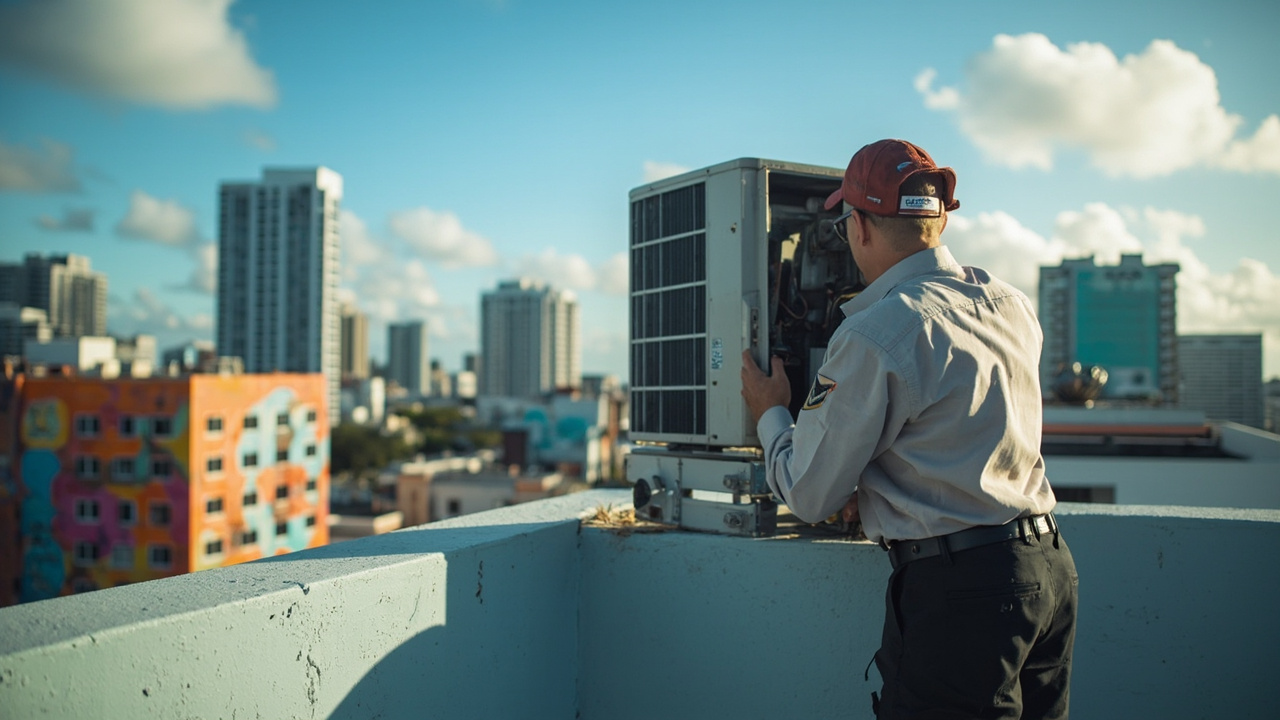
We proudly serve homeowners and businesses throughout Miami and nearby communities with dependable HVAC services. Whether you're in the heart of downtown or in the surrounding suburbs, our team is just a call away. Check the map below to see our service coverage. If your area isn’t listed, don’t worry—give us a call. We frequently accommodate special requests and go the extra mile to ensure our customers receive expert heating and cooling solutions, no matter where they are located.

Address:
Crestline HVAC Miami, 2332 Galiano St, Miami, FL, 33134

Additional Services We Offer

Our news updates

Latest Articles & News from The Blogs

Commercial HVAC Services for Business Owners in Wynwood Who Can't Afford DowntimeRunning a business in the heart of Wynwood requires…

Commercial HVAC Services for Business Owners in Wynwood Who Can't Afford Downtime

Commercial HVAC Services for Business Owners in Wynwood Who Can't Afford DowntimeRunning a business in the heart of Wynwood requires…

Choosing Between Air Scrubbers and UV Lights for Your Home in the Sunset Neighborhood

Choosing Between Air Scrubbers and UV Lights for Your Home in the Sunset NeighborhoodLiving in the Sunset neighborhood near South…

Protecting Your Outdoor AC Unit During a Tropical Storm in Virginia Key

Virginia Key residents face unique challenges during the Atlantic hurricane season. The proximity to the ocean and low elevation make…

Contact Us

Schedule your indoor air quality assessment today. We identify the source of your dust problem and give you clear solutions. Call (645) 231-4777 now to book your evaluation and start breathing cleaner air.