menu

Signs of Carbon Monoxide in Miami – Know the Warning Signs Before It's Too Late

Learn to recognize carbon monoxide symptoms and understand the warning signs of a carbon monoxide leak in your Miami home before this invisible threat endangers your family.

Slider Image 1
Slider Image 2
Slider Image 3
Slider Image 4
Slider Image 5
Slider Image 7
Slider Image 8
Slider Image 9
Slider Image 10
Slider Image 11

The Silent Threat in Miami Homes

Carbon monoxide is an odorless, colorless gas that kills without warning. In Miami, where homes run air conditioning nearly year-round and natural gas appliances power kitchens and water heaters, the risk of carbon monoxide exposure remains constant. Many residents seal their homes tight to maximize cooling efficiency, creating an environment where carbon monoxide can accumulate quickly if heating equipment, gas appliances, or ventilation systems malfunction.

The carbon monoxide symptoms often mimic flu-like illnesses, which causes many people to dismiss them until poisoning becomes severe. Early carbon monoxide warning signs include headaches, dizziness, nausea, and confusion. As exposure continues, carbon monoxide poisoning symptoms escalate to vomiting, chest pain, disorientation, and loss of consciousness. Without immediate intervention, carbon monoxide exposure leads to permanent brain damage or death.

Miami's older neighborhoods, particularly in Little Havana, Coconut Grove, and parts of Coral Gables, contain homes with aging HVAC systems and gas appliances. These systems develop cracks in heat exchangers, corroded vent pipes, and blocked flue passages. The indicators of carbon monoxide in your home may start subtly. You might notice your family members feeling sick only when indoors, or pilot lights that frequently blow out. Your carbon monoxide detector might chirp intermittently, a warning many people ignore.

The signs of a carbon monoxide leak require immediate attention. Understanding these warning signs protects your family and gives you the knowledge to act before a medical emergency occurs.

The Silent Threat in Miami Homes
Recognizing Carbon Monoxide Exposure

Recognizing Carbon Monoxide Exposure

Carbon monoxide enters your bloodstream through your lungs and binds to hemoglobin, the molecule that carries oxygen throughout your body. This creates carboxyhemoglobin, which prevents oxygen from reaching your organs and tissues. Your brain and heart, the organs with the highest oxygen demand, suffer first.

The physical carbon monoxide symptoms progress in stages. At low exposure levels, you experience mild headaches, fatigue, and shortness of breath during exertion. These symptoms mirror seasonal allergies or mild viral infections, which explains why many people miss the warning signs. At moderate exposure levels, symptoms intensify to severe headaches, drowsiness, confusion, accelerated heart rate, and vision problems. High exposure levels cause vomiting, loss of coordination, unconsciousness, and death.

Children, elderly adults, and people with chronic heart conditions or respiratory problems face greater risk. Their bodies cannot compensate for reduced oxygen as effectively. Pregnant women must take carbon monoxide exposure seriously because the developing fetus is extremely vulnerable to oxygen deprivation.

Beyond physical symptoms, watch for environmental indicators of carbon monoxide. Yellow or orange flames on gas appliances instead of blue flames signal incomplete combustion. Soot or brown staining around appliances indicates combustion problems. Excess moisture on windows and walls near fuel-burning appliances suggests ventilation issues. A stuffy or stale smell near gas equipment, though carbon monoxide itself is odorless, can indicate other combustion byproducts.

Your HVAC system's heat exchanger, the metal barrier separating combustion gases from breathable air, develops cracks over time. These cracks allow carbon monoxide to enter your ductwork and distribute throughout your home.

What to Do When You Suspect Carbon Monoxide

Signs of Carbon Monoxide in Miami – Know the Warning Signs Before It's Too Late
01

Evacuate Immediately

If you suspect carbon monoxide exposure, leave your home immediately. Do not stop to gather belongings or investigate the source. Open windows and doors as you exit if possible, but prioritize getting everyone outside into fresh air. Call 911 from outside. Carbon monoxide poisoning symptoms can escalate rapidly, and the longer you remain in a contaminated environment, the more severe the health consequences become.
02

Seek Medical Evaluation

Emergency responders will measure carbon monoxide levels in your blood using either a blood test or a pulse oximeter designed to detect carboxyhemoglobin. Even if symptoms seem mild, get evaluated. Carbon monoxide exposure can cause delayed neurological effects that appear days or weeks after initial exposure. Medical professionals may administer oxygen therapy to accelerate carbon monoxide elimination from your bloodstream and prevent long-term complications.
03

Professional System Inspection

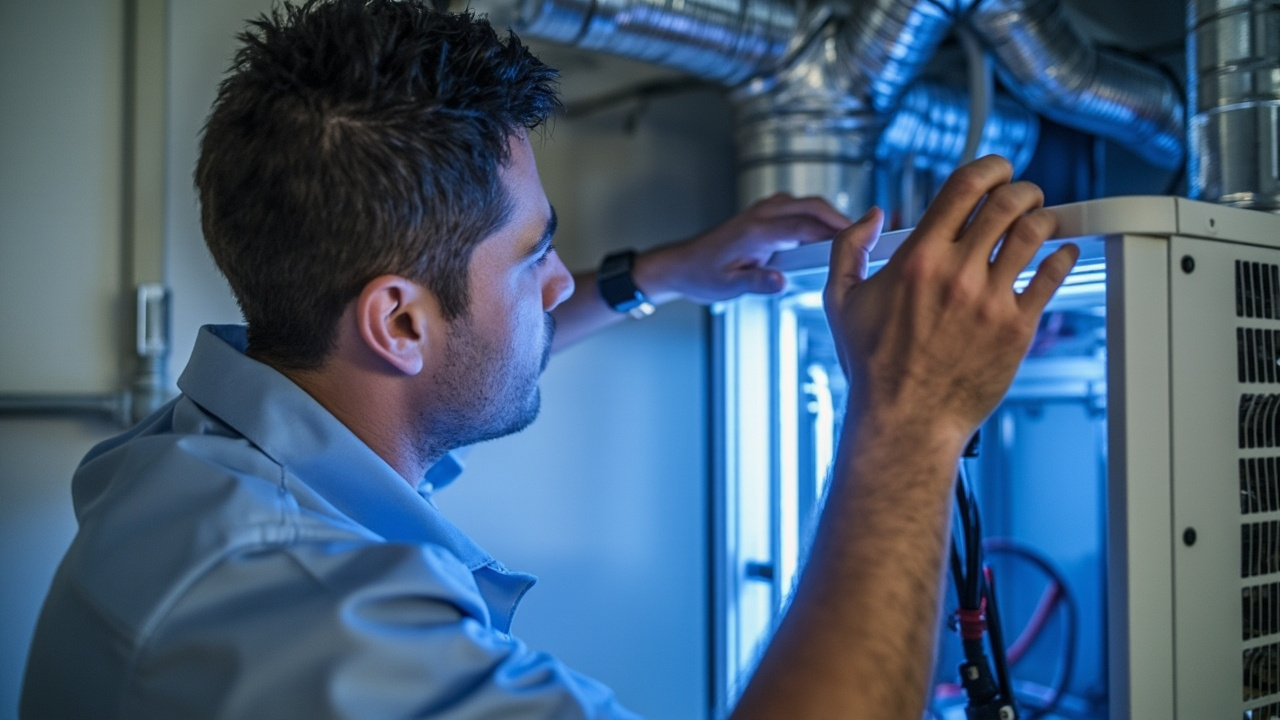
Do not re-enter your home until professionals have identified and corrected the carbon monoxide source. A qualified HVAC technician will inspect your furnace, heat exchanger, ventilation system, and all fuel-burning appliances. They use combustion analyzers and carbon monoxide detectors to pinpoint leaks. This inspection includes checking flue pipes, verifying proper venting, and testing combustion efficiency. Only after clearance should you return home.

Why Miami Homes Need Regular Carbon Monoxide Monitoring

Miami's climate creates unique challenges for carbon monoxide safety. Most homes prioritize cooling over heating, which means furnaces and heating systems sit unused for months. When temperatures drop during winter cold snaps, residents fire up heating equipment that has not been inspected or maintained. Dust, debris, and corrosion accumulate during the off-season, increasing malfunction risk.

Hurricane season brings additional concerns. After major storms, many residents use portable generators, which produce dangerous carbon monoxide levels if operated too close to the home or in enclosed spaces like garages. Power outages also lead people to use gas stoves or ovens for heat, a practice that produces lethal carbon monoxide concentrations in enclosed spaces.

Crestline HVAC Miami understands the specific equipment configurations and climate factors that affect carbon monoxide safety in South Florida. Our technicians know that Miami-Dade County enforces strict building codes for fuel-burning appliances and ventilation, but older homes built before modern code requirements may lack proper safeguards. We inspect heat exchangers for the hairline cracks that develop in Florida's humid environment, where metal components corrode faster than in drier climates.

The company serves neighborhoods from Brickell to Kendall, from Miami Beach to Hialeah, and we have responded to carbon monoxide emergencies in both historic Art Deco buildings and modern high-rises. Our experience with the region's diverse housing stock means we recognize the warning signs that less experienced technicians might miss. We also understand that Miami's Spanish-speaking community needs clear communication about carbon monoxide risks, and our bilingual team ensures every homeowner understands the dangers and prevention strategies.

How to Protect Your Miami Home

Install and Maintain Detectors

Install carbon monoxide detectors on every level of your home, especially near bedrooms. Florida building code requires carbon monoxide detectors in new construction and when replacing existing detectors, but many older homes lack them. Choose detectors with digital displays that show carbon monoxide levels in parts per million, not just alarms that sound at dangerous thresholds. Replace detector batteries twice yearly and replace the entire unit every five to seven years. Test detectors monthly by pressing the test button. Never ignore a chirping detector, as this indicates either low battery or sensor malfunction.

Schedule Annual HVAC Inspections

Your furnace, if you have one, needs professional inspection before heating season. Even in Miami's mild climate, the few weeks you might need heat pose risk if equipment has not been maintained. Technicians inspect the heat exchanger using cameras or optical inspection tools to identify cracks invisible to the naked eye. They also test combustion efficiency, measure flue draft to ensure proper venting, and verify that safety switches function correctly. Gas water heaters require inspection too, as their burners and venting systems can develop problems. The inspection also covers your gas range and any other fuel-burning appliances.

Ensure Proper Ventilation

All fuel-burning appliances need adequate ventilation. Never block vents, flues, or chimneys. After hurricanes or tropical storms, check that roof vents and flue caps have not been damaged or blocked by debris. Birds and small animals sometimes nest in unused flues, creating dangerous blockages. Keep the area around your furnace, water heater, and gas appliances clear of stored items. Never use your gas oven or stove to heat your home, as these appliances lack proper venting for extended operation. Similarly, never operate generators, charcoal grills, or camp stoves indoors or in your garage.

Know Emergency Protocols

Create a family emergency plan that includes carbon monoxide response. Everyone in your household should know the symptoms and understand the evacuation procedure. Teach children that if the carbon monoxide alarm sounds, they should leave immediately and not search for others. Designate a meeting point outside. Keep emergency numbers accessible. If you have pets, include them in your evacuation plan. After any carbon monoxide incident, document the event and keep medical records. Some insurance policies cover the cost of alternative housing during remediation, and documentation supports your claim. Regular family drills ensure everyone responds quickly if the detector alarms at night.

Frequently Asked Questions

You Have Questions,
We Have Answers

What are signs of carbon monoxide in the house? +

You cannot see or smell carbon monoxide, so you must watch for physical symptoms in your household. Early signs include headaches, dizziness, nausea, and fatigue that affect everyone at home. You may notice flu-like symptoms without fever. Pets often show distress first by acting lethargic or vomiting. In Miami homes with older HVAC systems or gas water heaters, watch for soot buildup around appliances, yellow or orange furnace flames instead of blue, and excess moisture on windows. If multiple people feel sick indoors but better outside, evacuate immediately and call 911.

How quickly will you know if you have carbon monoxide poisoning? +

Symptoms can appear within minutes or take hours, depending on concentration levels. At high levels (above 150 ppm), you may feel dizzy and confused within 10 to 15 minutes. Miami residents using gas generators during hurricane power outages face rapid poisoning risk. At lower levels (around 50 ppm), symptoms develop after one to two hours of exposure. You might dismiss early signs as heat exhaustion, common in South Florida humidity. Children, elderly residents, and those with heart conditions show symptoms faster. Never wait to confirm exposure. If you suspect carbon monoxide, leave immediately and seek fresh air.

How can I check if I have carbon monoxide? +

Install carbon monoxide detectors on every floor of your home, especially near sleeping areas and within 10 feet of fuel-burning appliances. Battery-powered or plug-in detectors cost $20 to $50 and save lives. In Miami, place detectors near gas water heaters, furnaces, and attached garages where vehicles idle. Test detectors monthly and replace them every five to seven years. If you lack a detector and suspect exposure, leave your home immediately. Miami Fire Rescue responds to CO emergencies 24/7. Your HVAC technician can also test levels during annual maintenance using professional-grade analyzers.

What gas is known as the silent killer? +

Carbon monoxide earns the name "silent killer" because you cannot detect it with your senses. It has no color, no odor, and no taste. Unlike natural gas, which contains an added sulfur smell, carbon monoxide gives zero warning before poisoning you. In Miami homes, faulty HVAC heat exchangers, gas water heaters, and improperly vented dryers produce this deadly gas. The poison binds to your red blood cells faster than oxygen, suffocating you from the inside. By the time symptoms appear, your judgment may be too impaired to recognize danger. Only working CO detectors protect you.

Can small amounts of carbon monoxide hurt you? +

Yes, even low-level exposure causes harm over time. Chronic exposure at 10 to 20 ppm, well below detector alarm thresholds, triggers headaches, memory problems, and fatigue. Miami residents with poorly maintained HVAC systems may experience daily low-level exposure without realizing it. Pregnant women face serious risks, as carbon monoxide crosses the placenta and harms fetal development. People with heart disease suffer chest pain at levels that barely affect healthy adults. Repeated exposure damages your cardiovascular and neurological systems permanently. Schedule annual HVAC inspections to prevent chronic poisoning, especially before cooling season in South Florida.

Can a phone app detect carbon monoxide? +

No reliable smartphone app detects carbon monoxide. Some apps claim to use your phone's sensors, but these are false and dangerous. Your phone lacks the electrochemical or semiconductor sensors required to measure CO gas. Only dedicated UL-listed carbon monoxide detectors reliably detect this gas. In Miami's humid climate, battery-operated detectors with digital displays work well for homes without hardwired options. Some smart home CO detectors connect to your phone via WiFi to send alerts when you are away, but the physical detector does the actual sensing. Never trust an app alone to protect your family.

What's the most common household thing to cause a carbon monoxide leak? +

Malfunctioning furnaces and HVAC systems cause most residential carbon monoxide leaks. In Miami, cracked heat exchangers in older systems allow combustion gases to enter your air supply. Gas water heaters with blocked or disconnected flue pipes trap carbon monoxide indoors. During hurricane season, improperly placed generators account for numerous poisonings. Never run generators in garages, carports, or within 20 feet of windows. Other common sources include gas dryers with blocked vents, natural gas stoves left running, and vehicles idling in attached garages. Annual HVAC maintenance catches most problems before they become deadly.

Do you just fall asleep with carbon monoxide poisoning? +

No, you do not just peacefully drift off. Carbon monoxide poisoning mimics severe illness before you lose consciousness. You experience intense headaches, nausea, vomiting, and confusion. Your heart races as your body desperately tries to get oxygen. Many Miami residents mistake symptoms for heat stroke or food poisoning. By the time drowsiness hits, you may be too disoriented to escape. Some victims do fall asleep during low-level overnight exposure, but they wake with severe flu-like symptoms. High-level exposure causes seizures and loss of consciousness within minutes. This is not a gentle death.

Does opening windows help with carbon monoxide? +

Opening windows helps dilute carbon monoxide concentration, but this is not a solution. Fresh air reduces immediate danger, but the source continues poisoning your home. In Miami's weather, you might keep windows open regularly, which can mask chronic low-level exposure by providing ventilation. If your CO detector alarms, do not just open windows and stay inside. Evacuate immediately and call 911 from outside. Fire rescue will measure levels and locate the source. Opening windows before evacuation wastes critical seconds. Once outside, do not re-enter until professionals clear your home and repair the carbon monoxide source.

Can a small gas leak make you feel sick? +

Yes, natural gas leaks cause immediate physical symptoms. You may experience dizziness, nausea, headaches, and breathing difficulty. Natural gas contains added mercaptan for the rotten egg smell, but small leaks still go unnoticed. In Miami homes, aging gas lines corrode faster due to humidity and soil conditions. Gas leaks also displace oxygen in enclosed spaces, causing suffocation symptoms. Unlike carbon monoxide, natural gas is highly flammable. If you smell gas, do not use light switches, phones, or appliances. Evacuate immediately, leave doors open, and call your gas company from outside. Never ignore gas odors.

How Miami's Year-Round HVAC Use Affects Carbon Monoxide Risk

Miami's unique climate means HVAC systems operate continuously, but heating equipment sits idle most of the year. When temperatures drop into the 50s during winter cold fronts, residents activate furnaces that have not run in months. This irregular usage pattern allows corrosion to develop unchecked in heat exchangers and flue pipes. The salt air from the Atlantic Ocean and Biscayne Bay accelerates metal corrosion, creating holes and cracks that allow combustion gases to escape. Miami's high humidity also promotes rust inside gas appliances. These factors combine to create carbon monoxide risks that differ from northern climates where heating equipment runs daily and problems surface quickly.

Crestline HVAC Miami follows strict protocols established by Miami-Dade County's building department for combustion appliance safety. Our technicians stay current on Florida's updated mechanical codes and understand the specific requirements for carbon monoxide detection in residential and commercial buildings. We serve communities throughout the greater Miami metro area, from older neighborhoods with aging infrastructure to new developments with modern safety features. Our local expertise means we recognize the warning signs specific to South Florida homes, and we communicate clearly with both English and Spanish-speaking residents about carbon monoxide prevention and response.
HVAC Services in The Miami Area

We proudly serve homeowners and businesses throughout Miami and nearby communities with dependable HVAC services. Whether you're in the heart of downtown or in the surrounding suburbs, our team is just a call away. Check the map below to see our service coverage. If your area isn’t listed, don’t worry—give us a call. We frequently accommodate special requests and go the extra mile to ensure our customers receive expert heating and cooling solutions, no matter where they are located.

Address:
Crestline HVAC Miami, 2332 Galiano St, Miami, FL, 33134

Additional Services We Offer

Our news updates

Latest Articles & News from The Blogs

Commercial HVAC Services for Business Owners in Wynwood Who Can't Afford DowntimeRunning a business in the heart of Wynwood requires…

Commercial HVAC Services for Business Owners in Wynwood Who Can't Afford Downtime

Commercial HVAC Services for Business Owners in Wynwood Who Can't Afford DowntimeRunning a business in the heart of Wynwood requires…

Choosing Between Air Scrubbers and UV Lights for Your Home in the Sunset Neighborhood

Choosing Between Air Scrubbers and UV Lights for Your Home in the Sunset NeighborhoodLiving in the Sunset neighborhood near South…

Protecting Your Outdoor AC Unit During a Tropical Storm in Virginia Key

Virginia Key residents face unique challenges during the Atlantic hurricane season. The proximity to the ocean and low elevation make…

Contact Us

Do not wait for symptoms to appear. Call Crestline HVAC Miami at (645) 231-4777 now to schedule a comprehensive carbon monoxide safety inspection. Our technicians will test your equipment, check for leaks, and give you peace of mind that your family is protected.