
menu

Understanding Ductless Systems in Miami | Your Complete Guide to How Mini Splits Work in High Humidity Climates

Learn how ductless heat pumps and mini split systems operate in Miami's tropical climate, from basic components to advanced humidity control, with expert guidance on choosing the right system for your home.

Slider Image 1
Slider Image 2
Slider Image 3
Slider Image 4
Slider Image 5
Slider Image 7
Slider Image 8
Slider Image 9
Slider Image 10
Slider Image 11

Why Ductless Systems Make Sense in Miami's Subtropical Climate

Miami's year-round heat and relentless humidity create unique cooling challenges that traditional ducted systems struggle to address efficiently. When outdoor temperatures hover in the 80s and 90s with humidity levels regularly exceeding 70 percent, you need a cooling solution that delivers both temperature control and moisture management.

Ductless mini splits work differently than central air systems. Instead of pushing cooled air through a network of ducts that can leak up to 30 percent of conditioned air in South Florida attics, ductless systems deliver refrigerant directly to individual air handlers mounted in your rooms. This direct delivery method eliminates the inefficiency that plagues ducted systems in hot climates.

The basics of mini split systems involve two main components. An outdoor compressor unit sits outside your home, while one or more indoor air handlers mount on your walls or ceiling. Refrigerant lines connect these components through a small hole in your wall, about three inches in diameter. The outdoor unit compresses refrigerant and sends it to the indoor units, which blow air over cold evaporator coils to remove heat and humidity from your space.

What makes ductless air conditioning particularly effective in Miami is the ability to cool specific zones. Coral Gables historic homes with room additions, Brickell condos with varying sun exposure, and Coconut Grove properties with separate guest quarters all benefit from zone-specific cooling. You control each air handler independently, which means you stop paying to cool empty rooms while maintaining comfort where you need it.

Ductless heat pumps also reverse the refrigerant flow to provide heating during Miami's occasional cold snaps when temperatures dip into the 50s. The same system that cools you in August can warm you in January without requiring separate equipment.

Why Ductless Systems Make Sense in Miami's Subtropical Climate
How Ductless HVAC Systems Actually Function

How Ductless HVAC Systems Actually Function

The ductless hvac system explained starts with understanding refrigerant cycle physics. The outdoor compressor pumps refrigerant through copper lines to indoor evaporator units. As liquid refrigerant enters the evaporator coil, it expands and evaporates, absorbing heat from your indoor air. The now-gaseous refrigerant returns to the outdoor unit where the compressor pressurizes it back into a hot liquid. The outdoor coil then releases this heat into the Miami air, and the cycle repeats.

Modern inverter-driven compressors adjust their speed based on cooling demand rather than cycling on and off like conventional systems. This variable-speed operation maintains consistent temperatures while using less electricity. When your system needs to remove a small amount of heat, the compressor runs at 40 percent capacity. When afternoon sun heats your west-facing room, the compressor ramps up to 100 percent. This modulation prevents the temperature swings you experience with single-speed systems.

Each indoor air handler contains its own expansion valve, evaporator coil, and fan. The expansion valve meters refrigerant flow based on the temperature you set on your remote control. Electronic expansion valves in quality systems make thousands of micro-adjustments per hour to maintain precise temperature control. The evaporator coil, typically made of copper tubes with aluminum fins, maximizes surface area for heat transfer. As warm air passes over the cold coil, water vapor condenses and drips into a drain pan, removing humidity from your space.

The air handler fan uses a cross-flow blower design that moves air quietly across the entire coil surface. Variable-speed fan motors adjust airflow from whisper-quiet to maximum based on your comfort needs. Some units move air at five different speeds, while others offer infinite adjustment for precise control.

What Happens During Your Ductless System Education Session

Understanding Ductless Systems in Miami | Your Complete Guide to How Mini Splits Work in High Humidity Climates
01

System Component Walkthrough

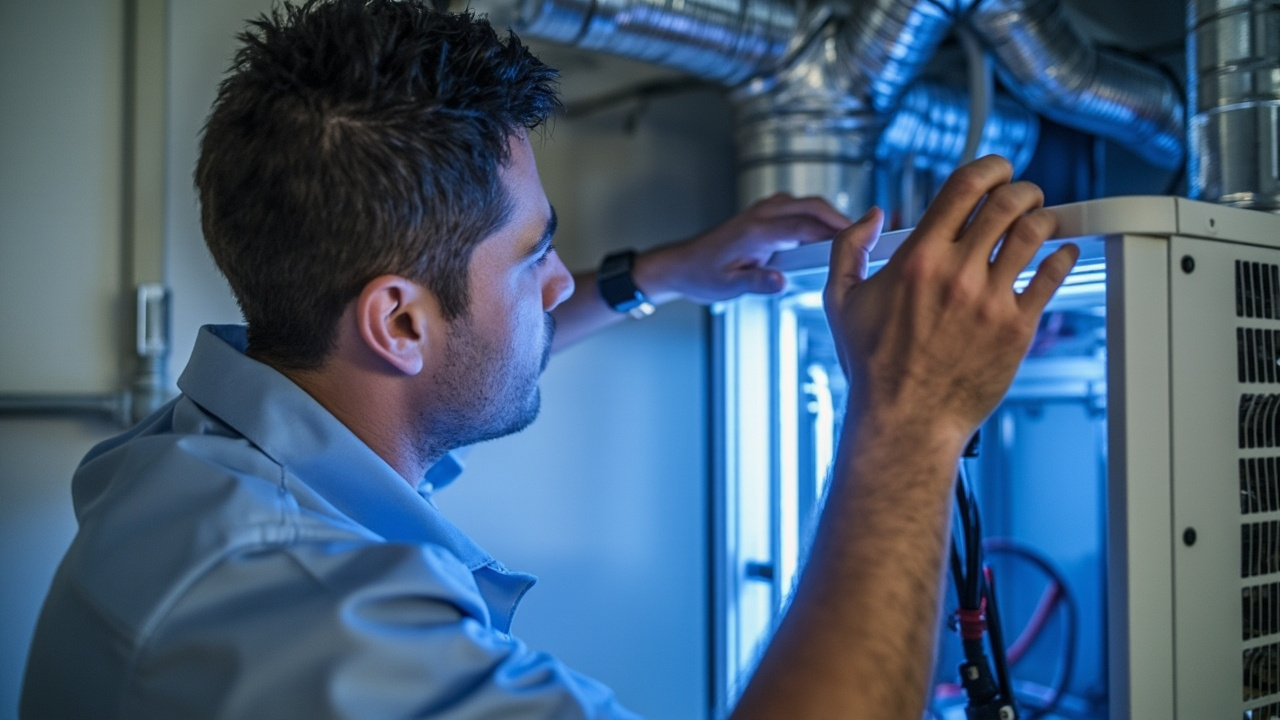
We start by showing you the actual equipment components, from the outdoor compressor to the indoor air handlers. You see how refrigerant lines connect the units and where condensate drains remove humidity. We explain the function of each part in language you can understand, not technical jargon meant to confuse. This hands-on demonstration helps you understand what you're seeing when you look at your own system or evaluate new installations.
02

Control and Programming Training

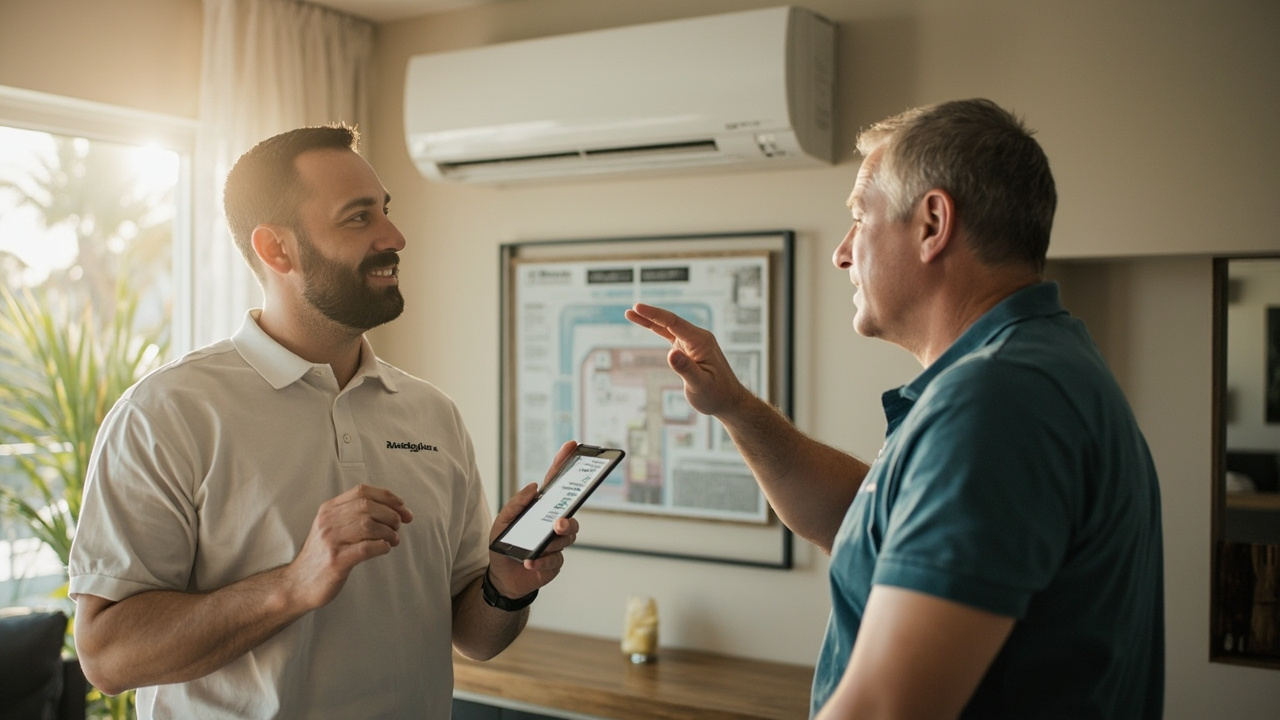
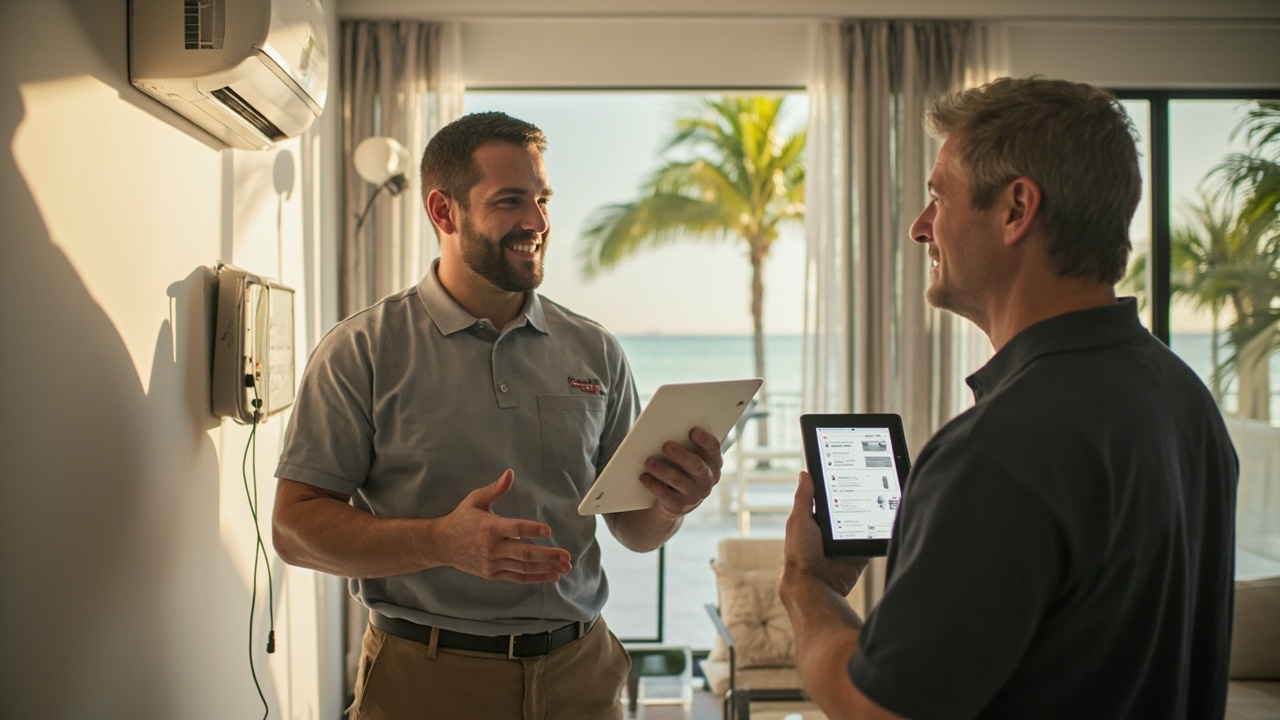
You learn how to operate the wireless remote control and adjust settings for optimal comfort and efficiency. We cover temperature settings, fan speeds, swing patterns, and timer functions. You discover how to use energy-saving modes that reduce consumption during mild weather and sleep modes that adjust temperatures gradually overnight. For systems with smartphone apps, we walk through the interface so you can control your system remotely.
03

Maintenance and Troubleshooting Basics

We teach you simple maintenance tasks like cleaning air filters and recognizing warning signs that require professional attention. You learn what normal operating sounds are versus noises that indicate problems. We explain condensate drainage, refrigerant line inspection, and outdoor unit clearance requirements. This knowledge helps you keep your system running efficiently and catch small issues before they become expensive repairs requiring emergency service calls.

Why Miami Homeowners Trust Crestline HVAC Miami for Ductless System Expertise

Installing and servicing ductless systems in Miami requires specific knowledge of local building codes and environmental conditions. Miami-Dade County has some of the strictest building codes in the nation due to hurricane requirements. We understand the wind load calculations for outdoor unit mounting, the electrical permit requirements for new circuits, and the proper installation techniques that keep your system functioning when tropical storms hit.

Our technicians train specifically on how salt air from Biscayne Bay affects outdoor coil longevity. Coastal properties from Miami Beach to Key Biscayne face accelerated corrosion that inland properties avoid. We recommend coil coatings and maintenance schedules based on your distance from the coast. Properties within two miles of saltwater need quarterly coil cleaning to prevent premature failure. Inland properties can often extend this to twice yearly.

We also understand Miami's elevation challenges. Most of the city sits less than six feet above sea level, which affects condensate drainage. Unlike northern climates where gravity drainage works reliably, Miami installations sometimes require condensate pumps to lift water above flood-prone areas. We evaluate your property's drainage conditions and design systems that won't back up during heavy rain events common during hurricane season.

The architectural diversity in Miami requires flexibility in system design. Art Deco buildings in South Beach have different installation requirements than mid-century modern homes in Pinecrest or new construction condos in Edgewater. We've installed systems in properties built in every decade from the 1920s through today. This experience means we know how to hide refrigerant lines aesthetically, mount units securely on different wall materials, and route condensate drainage through existing structures without compromising building integrity.

When you work with Crestline HVAC Miami, you get technicians who live and work in this climate year-round. We understand what Miami cooling actually requires.

What You Should Know Before Choosing a Ductless System

System Sizing and Capacity

Proper sizing determines whether your system performs efficiently or struggles constantly. Undersized units run continuously without reaching your target temperature. Oversized units short-cycle, turning on and off rapidly without removing humidity effectively. Miami's cooling load calculations must account for sun exposure, insulation quality, window efficiency, and ceiling height. A 12,000 BTU unit might cool 550 square feet in a well-insulated second floor room but only 350 square feet in a sun-drenched space with single-pane windows. We perform room-by-room heat gain calculations using Manual J methodology adapted for subtropical climates. This ensures you get the right capacity for your specific conditions, not generic estimates based on square footage alone.

Single Zone vs Multi-Zone Configuration

Single-zone systems connect one outdoor unit to one indoor air handler. This works well for room additions, converted garages, or supplemental cooling in problem areas. Multi-zone systems connect one outdoor unit to multiple indoor air handlers, up to eight zones with some manufacturers. The outdoor unit distributes refrigerant to whichever indoor units need cooling at any moment. Multi-zone installations cost less than installing separate single-zone systems for each room because you only need one outdoor unit and one electrical connection. However, indoor units must come from the same manufacturer and often the same product line. You cannot mix different brands or significantly different capacities on a single outdoor unit without causing performance issues and voiding warranties.

Efficiency Ratings and Operating Costs

Ductless systems use SEER ratings like traditional air conditioners. Higher SEER numbers indicate better efficiency and lower electric bills. Entry-level systems start around 16 SEER while premium models reach 30 SEER or higher. In Miami's climate where you run cooling nearly year-round, efficiency differences translate to substantial cost savings. A 20 SEER system costs about 25 percent less to operate than a 16 SEER unit cooling the same space. Inverter-driven compressors and variable-speed fans improve efficiency beyond what SEER ratings indicate by maintaining steady temperatures without the energy waste of constant on-off cycling. Look for Energy Star certification and check the EER rating, which measures efficiency at high outdoor temperatures more relevant to Miami conditions than SEER alone.

Filter Maintenance and Air Quality

Indoor air handlers use washable filters that require monthly cleaning in Miami's dusty, pollen-heavy environment. These filters slide out from the front panel for easy access. You rinse them with water, let them dry completely, and reinstall. Some systems include multi-stage filtration with electrostatic or activated carbon filters that capture smaller particles and odors. These advanced filters need replacement rather than washing, typically every three to six months depending on air quality and usage. Clogged filters restrict airflow, forcing the system to work harder and reducing efficiency by up to 15 percent. They also allow dust to accumulate on the evaporator coil, which decreases heat transfer and creates conditions for mold growth in humid climates. Regular filter maintenance keeps your indoor air clean and your system running efficiently.

Frequently Asked Questions

You Have Questions,
We Have Answers

What is the $5000 AC rule? +

The $5000 AC rule is an IRS guideline. If your air conditioner repair costs less than $5000, you typically deduct it as a repair expense in the current tax year. If replacement or major work exceeds $5000, it may qualify as a capital improvement and must be depreciated over time. This matters in Miami where high humidity and salt air accelerate wear, leading to frequent repairs. Keep detailed receipts and consult a tax professional to determine if your ductless system replacement qualifies. Energy-efficient upgrades may also qualify for federal tax credits beyond this threshold.

What are the disadvantages of a ductless mini split? +

Ductless mini splits can have higher upfront costs compared to window units. They require professional installation and wall penetration for refrigerant lines. Indoor units are visible and may not suit every decor preference. In Miami's humid climate, undersized systems struggle with dehumidification, leaving homes clammy even when cool. Refrigerant leaks are harder to detect without ducts. Filters need monthly cleaning to prevent mold growth in tropical conditions. Multi-zone systems increase complexity. If one outdoor compressor fails, multiple rooms lose cooling. These trade-offs matter when choosing the right system for your home.

Why is my electric bill so high with mini split? +

High electric bills with mini splits often result from poor sizing or installation errors. Oversized units short-cycle, wasting energy without dehumidifying Miami's humid air. Refrigerant leaks force compressors to work harder. Clogged filters restrict airflow, increasing runtime. Leaving units on 24/7 in vacant rooms drains power. Inadequate insulation or air leaks make systems run constantly. Older inverter compressors lose efficiency over time. Check your thermostat settings and ensure units match room sizes. Schedule maintenance to clean coils and check refrigerant levels. Proper installation and routine care drastically cut energy waste in South Florida's demanding climate.

How many mini splits do I need for a 2000 square foot house? +

A 2000 square foot house in Miami typically needs two to four mini split zones, depending on layout and insulation. Open floor plans may use one larger unit per 800 square feet. Homes with multiple closed rooms need individual heads for balanced comfort. Consider Miami's solar heat gain through windows and ceiling height. A single-story ranch with good insulation might need three zones. A two-story with poor attic insulation could need four. Factor in kitchen heat and west-facing exposures. A qualified installer performs a Manual J load calculation to size systems correctly for humidity control and efficiency.

What is the 3 minute rule for air conditioners? +

The 3 minute rule prevents compressor damage by requiring a three-minute delay between shutdown and restart. When your air conditioner stops, refrigerant pressure equalizes between the high and low sides. Restarting too quickly forces the compressor to start against high pressure, straining the motor and shortening its lifespan. Most modern mini splits have built-in delay timers. In Miami, where power flickers happen during summer storms, this protection saves compressors from burnout. Never manually override the delay. If your system restarts immediately without waiting, call a technician to check the control board.

Can I write off my new AC unit on my taxes? +

You may write off a new AC unit if it qualifies as a medical necessity prescribed by a doctor or meets energy efficiency tax credit requirements. The Inflation Reduction Act offers credits up to $2000 for high-efficiency heat pumps, including ductless systems meeting ENERGY STAR standards. Standard replacements are not deductible for primary residences but may qualify as rental property expenses if you own investment properties in Miami. Energy-efficient upgrades can also increase home value. Consult a tax professional to determine eligibility based on your specific situation and keep all invoices and manufacturer certifications.

How do Amish cool their homes without air conditioning? +

The Amish cool homes using passive strategies suited to temperate climates, not Miami's heat. They build with thick walls for thermal mass, position windows for cross-ventilation, and use deep porches for shade. Basements stay naturally cool. They avoid south and west exposures, plant shade trees, and schedule heavy work for cooler morning hours. Some communities allow battery-powered fans. These methods work in Pennsylvania but fail in South Florida's relentless humidity and 90-degree temperatures. Miami homes need mechanical cooling to prevent mold growth and heat-related illness. Ductless systems offer efficient comfort without compromising health.

Do mini splits work in 100 degree weather? +

Quality ductless mini splits work effectively in 100-degree weather if properly sized and maintained. Inverter-driven compressors adjust output to match demand without losing efficiency. Units rated for Miami's climate handle extreme heat and humidity simultaneously. The key is correct sizing. An undersized system struggles when outdoor temperatures peak during July and August afternoons. Dirty coils or low refrigerant reduce capacity. Ensure outdoor units have clearance for airflow and shade if possible. Systems rated for tropical climates maintain comfort even during Miami's hottest days. Regular maintenance keeps performance strong when you need it most.

Where should you not install a mini split? +

Avoid installing mini splits in direct sunlight, which overheats outdoor units and reduces efficiency. Do not place indoor heads above beds or seating where airflow causes discomfort. Skip kitchens for the main head due to grease buildup on coils. Avoid exterior walls with poor insulation, which forces systems to work harder. In Miami, never install near sprinkler heads or where landscaping blocks airflow. Coastal homes need units away from direct salt spray exposure. Tight spaces without clearance prevent proper ventilation. Bathrooms require special moisture-resistant models. Poor placement wastes energy and shortens equipment life.

What runs your electric bill up the most? +

Air conditioning runs electric bills up the most in Miami, often consuming 40 to 60 percent of summer energy costs. Water heaters rank second, especially older electric models. Pool pumps running 24/7 drain power. Older refrigerators and space heaters add significant load. Leaving lights on and phantom loads from electronics plugged in constantly increase waste. Inefficient ductless systems with refrigerant leaks or dirty coils work harder and cost more. Improving insulation, sealing air leaks, upgrading to high-efficiency mini splits, and using programmable controls cut consumption. Regular maintenance keeps systems running efficiently in South Florida's demanding climate.

How Miami's Constant Humidity Makes Ductless Systems the Smart Choice

Miami's average relative humidity hovers around 75 percent year-round, creating indoor comfort challenges that go beyond temperature control. Traditional ducted systems lose efficiency through leaky ductwork in hot attics where temperatures reach 140 degrees. Every leak introduces humid air into the cooled air stream, forcing your system to work harder to remove moisture. Ductless systems eliminate this problem entirely by delivering refrigerant directly to indoor units. The result is better humidity control and lower energy consumption. This matters significantly in neighborhoods like Coconut Grove and Coral Gables where older homes have ductwork that was never properly sealed or has deteriorated over decades of use in harsh conditions.

Installing HVAC equipment in Miami requires adherence to Florida Building Code with Miami-Dade County amendments that exceed state requirements. These codes mandate specific mounting methods for outdoor units to withstand Category 5 hurricane winds and require high-velocity hurricane zone certifications for equipment. Local contractors who work exclusively in South Florida understand these requirements and how to install systems that pass inspection the first time. We also understand the permitting process through Miami-Dade Building Department and local municipalities that have their own additional requirements. This local knowledge prevents installation delays and ensures your system remains code-compliant, which protects your homeowner's insurance coverage and property value.
HVAC Services in The Miami Area

We proudly serve homeowners and businesses throughout Miami and nearby communities with dependable HVAC services. Whether you're in the heart of downtown or in the surrounding suburbs, our team is just a call away. Check the map below to see our service coverage. If your area isn’t listed, don’t worry—give us a call. We frequently accommodate special requests and go the extra mile to ensure our customers receive expert heating and cooling solutions, no matter where they are located.

Address:
Crestline HVAC Miami, 2332 Galiano St, Miami, FL, 33134

Additional Services We Offer

Our news updates

Latest Articles & News from The Blogs

Commercial HVAC Services for Business Owners in Wynwood Who Can't Afford DowntimeRunning a business in the heart of Wynwood requires…

Commercial HVAC Services for Business Owners in Wynwood Who Can't Afford Downtime

Commercial HVAC Services for Business Owners in Wynwood Who Can't Afford DowntimeRunning a business in the heart of Wynwood requires…

Choosing Between Air Scrubbers and UV Lights for Your Home in the Sunset Neighborhood

Choosing Between Air Scrubbers and UV Lights for Your Home in the Sunset NeighborhoodLiving in the Sunset neighborhood near South…

Protecting Your Outdoor AC Unit During a Tropical Storm in Virginia Key

Virginia Key residents face unique challenges during the Atlantic hurricane season. The proximity to the ocean and low elevation make…

Contact Us

Call Crestline HVAC Miami at (645) 231-4777 today for a detailed consultation about ductless systems. We evaluate your specific cooling needs, explain your options, and provide clear answers to all your questions. Get the information you need to make a confident decision.